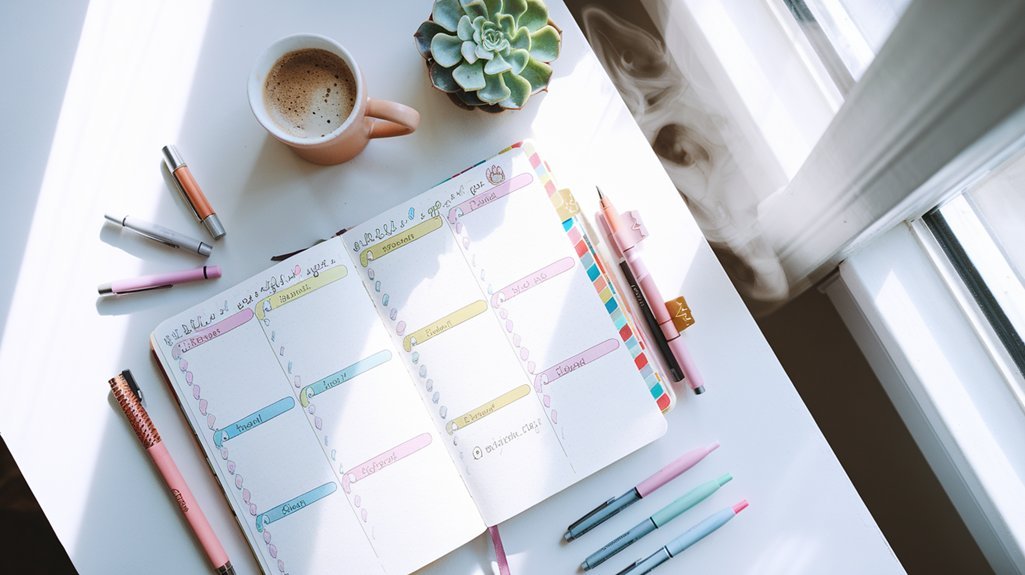
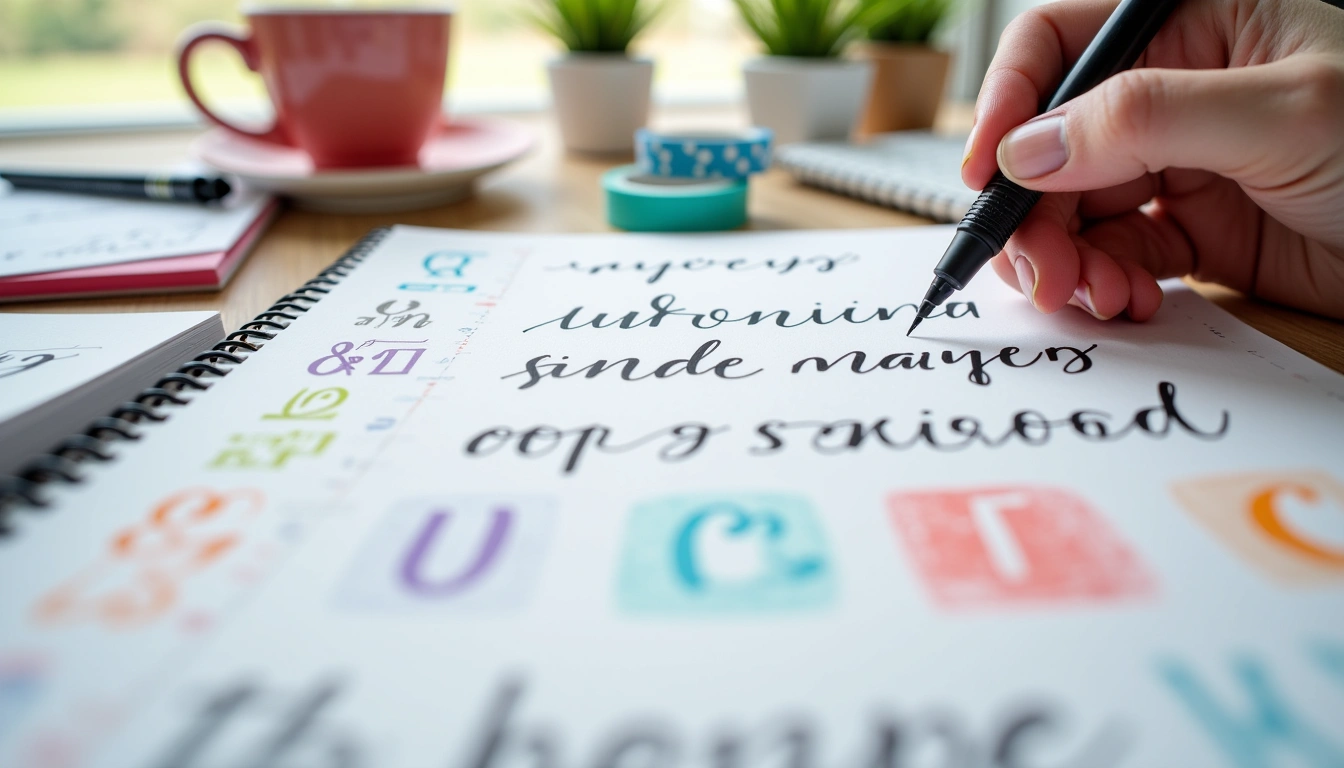
Last week, I was flipping through my 2025 bullet journal when something hit me like a ton of bricks. My habit tracker collection had become this gorgeous, functional masterpiece that literally transformed my daily routine. But here's the crazy part—it started as a messy, confusing spread that I almost abandoned three times.
That moment made me realize how powerful the right habit tracker collections can be. Research shows that people who track their habits are 42% more likely to achieve their goals compared to those who don't track progress. That's not just a nice statistic—it's life-changing potential sitting in your journal.
50 Bullet Journal Templates Pack
Ready-to-print spreads for habit tracking, weekly planning, mood logs, and creative layouts.
After spending countless hours testing different layouts, interviewing fellow bullet journalists, and analyzing what actually works (versus what just looks pretty on Instagram), I've compiled the most comprehensive list of habit tracker collection ideas you'll find anywhere.
if you're a minimalist who prefers clean lines or a maximalist who loves every color in the rainbow, these 50 collection ideas will help you build lasting habits while creating spreads you'll actually want to use every single day.
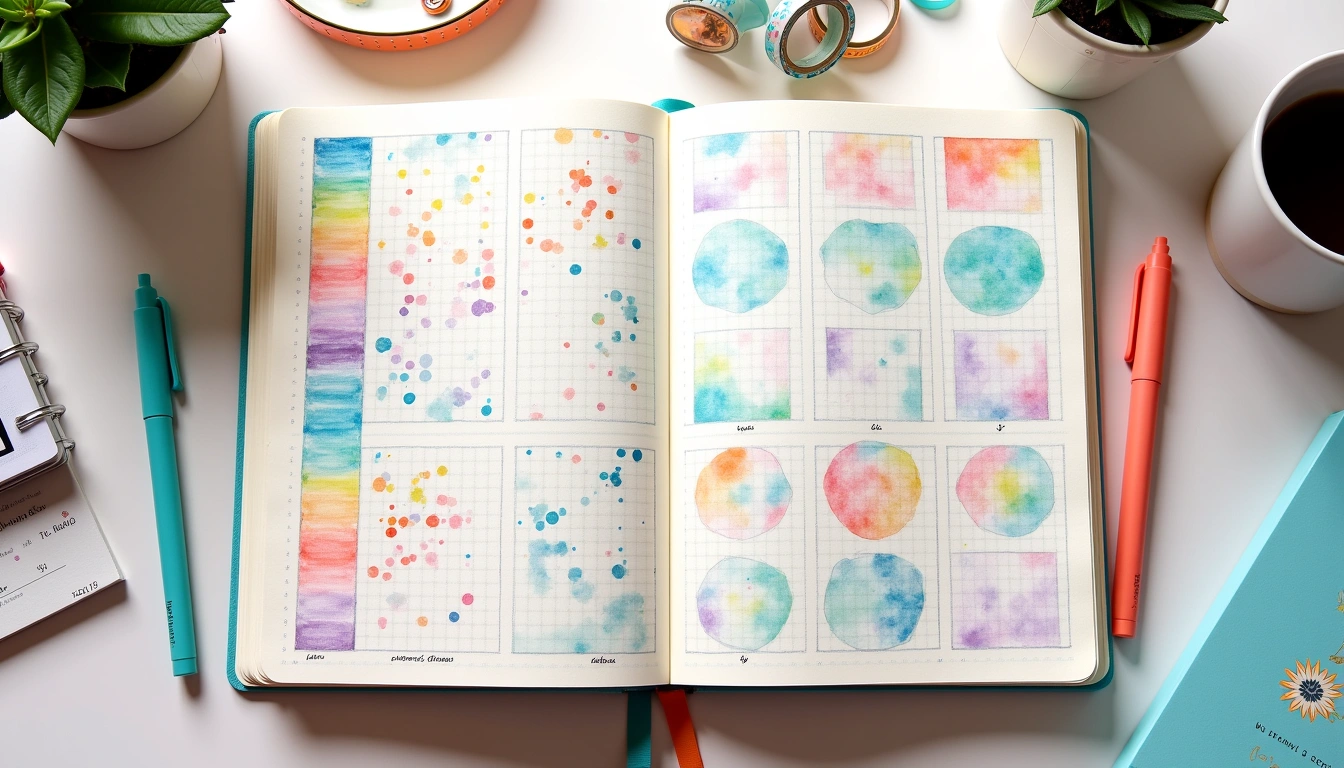
Understanding Different Types of Habit Tracker Collections
Before we jump into the specific ideas, let's talk about the different categories of habit tracker collections. I've found that understanding these types helps you choose layouts that actually stick (pun intended).
Visual Progress Collections
These are my absolute favorites because they tap into our brain's love for visual rewards. Think progress bars, coloring spreads, and building images. Every time you complete a habit, you get to see immediate visual progress.
I started using a plant-growing tracker for my water intake, and honestly? It was addictive. Watching those little leaves appear each day made drinking water feel like a game rather than a chore.
Minimalist Grid Collections
Clean, simple, effective. These collections focus on pure functionality without distracting decorations. They're perfect if you're just starting out or prefer a no-nonsense approach.
The beauty of minimalist trackers lies in their flexibility. You can set them up in under five minutes and adapt them for any habit without overthinking the design.
Themed Seasonal Collections
These collections change with the seasons, holidays, or your current life focus. I love creating spring-themed trackers in March or cozy autumn spreads in October. They keep your journal feeling fresh and exciting.
Gamified Tracking Collections
These turn habit tracking into an actual game. You earn points, unlock achievements, or complete challenges. The global habit tracking app market is projected to reach $13.6 billion by 2026, and gamification is a huge reason why.
In my experience, gamified trackers work incredibly well for competitive personalities or anyone who grew up playing video games.
Wellness-Focused Collections
These collections center around health, self-care, and mental wellness. They often include mood tracking, sleep patterns, exercise routines, and mindfulness practices all in one cohesive spread.
50 Creative Habit Tracker Layout Examples
Now for the good stuff—specific layout ideas you can start using today. I've organized these by category to make it easier to find exactly what you need.
Visual & Artistic Trackers (1-15)
- Flower Garden Tracker: Draw flower stems at the beginning of the month. Add petals, leaves, or blooms for each completed habit.
- Mountain Range Progress: Create mountain silhouettes. Color in sections as you climb toward your habit goals.
- Mandala Completion: Design intricate mandala outlines. Fill in detailed sections for each habit milestone.
- Book Spine Library: Draw book spines for reading habits. Color them in as you complete books or reading sessions.
- Rainbow Bridge Builder: Create rainbow arcs across your page. Add colors for each day you complete your habits.
- Constellation Mapper: Draw star constellation outlines. Connect stars as you complete daily habits.
- Cactus Collection Garden: Sketch various cacti shapes. Add flowers, growth rings, or decorative pots for completed habits.
- Building Skyline: Design city building outlines. Add floors, windows, or lights for habit completion.
- Ocean Wave Tracker: Create wave patterns that grow larger and more detailed with consistent habit completion.
- Tree of Life: Start with bare branches. Add leaves, fruits, or seasonal decorations for each habit.
- Puzzle Piece Assembly: Design puzzle piece outlines. Color or decorate pieces as habits are completed.
- Hot Air Balloon Journey: Draw balloon outlines floating upward. Add decorative patterns for habit streaks.
- Butterfly Wing Development: Start with caterpillar drawings. Transform into increasingly beautiful butterflies.
- Castle Construction: Build castle walls, towers, and decorations brick by brick with each habit completion.
- Seasonal Tree Transformation: Show the same tree changing through seasons based on habit consistency.
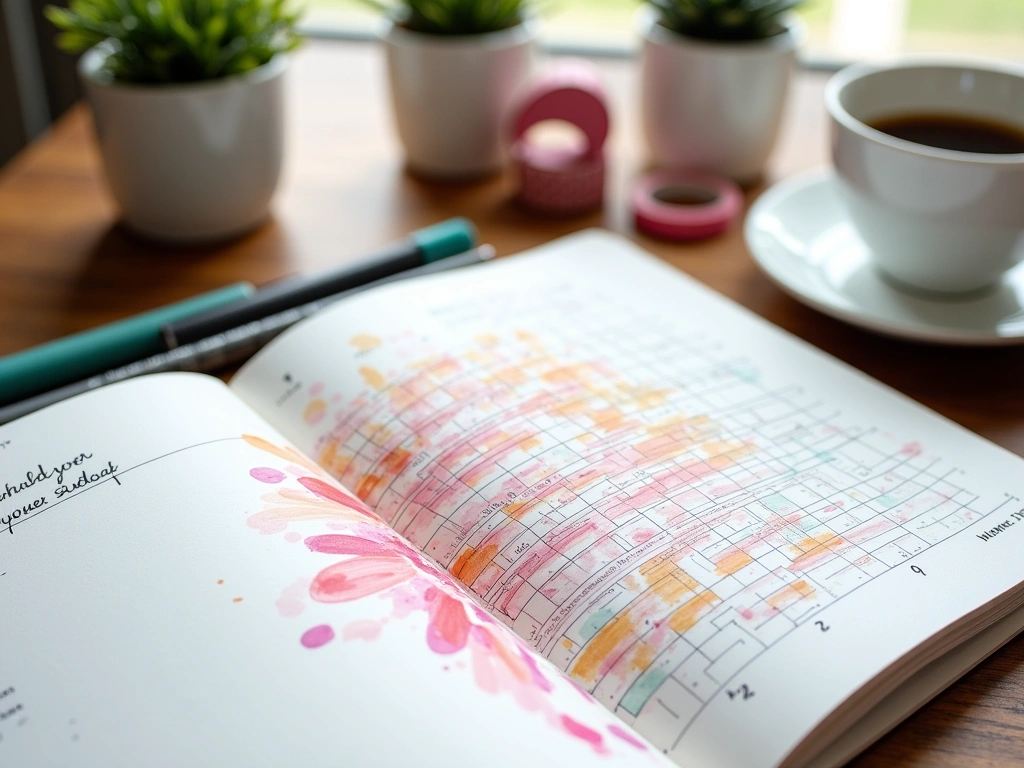
Minimalist & Clean Designs (16-25)
- Simple Dot Grid: Clean rows and columns with small circles to fill in daily.
- Linear Progress Bars: Horizontal bars that fill from left to right for each habit.
- Binary Check System: Simple checkmarks or X marks in organized grids.
- Number Sequence Tracker: Track habit streaks using sequential numbering systems.
- Minimal Color Blocks: Small squares filled with single colors for different habit categories.
- Clean Typography Focus: Beautiful lettering with simple tracking symbols underneath.
- Geometric Pattern Fill: Basic shapes (triangles, circles, squares) filled systematically.
- Line Weight Variation: Use different line thicknesses to show habit intensity or completion levels.
- Monochrome Gradients: Single-color trackers using different shades to show progress.
- White Space Mastery: Trackers that use negative space as effectively as filled areas.
Seasonal & Themed Collections (26-35)
- Spring Growth Tracker: Seeds sprouting into flowers, perfect for March-May habits.
- Summer Beach Scene: Sandcastles, waves, and sunshine elements for warm weather goals.
- Autumn Leaf Collection: Falling leaves in different colors representing various habits.
- Winter Cozy Tracker: Hot chocolate mugs, scarves, and snowflakes for cold-month habits.
- Holiday Countdown: Christmas trees, menorahs, or other holiday symbols building up daily.
- Birthday Month Special: Cake layers, balloons, or party decorations for your birthday month.
- Back-to-School Theme: School supplies, report cards, or academic symbols for September habits.
- New Year Resolution: Fireworks, champagne bottles, or calendar pages for January tracking.
- Valentine's Love Theme: Hearts, roses, or romantic elements for February self-care habits.
- Halloween Spooky Tracker: Pumpkins, ghosts, or candy corn for October challenges.
Sakura Pigma Micron Pen Set
Professional-grade pens perfect for detailed habit tracker illustrations with archival ink that won't bleed through journal pages.
- Multiple tip sizes from 0.2mm to 0.8mm
- Waterproof and fade-resistant ink
- Perfect for both writing and detailed artwork
Wellness & Self-Care Focused (36-45)
- Mood Ring Tracker: Circular rings filled with colors representing daily moods alongside habits.
- Energy Level Thermometer: Temperature-style gauges showing daily energy levels and related habits.
- Sleep Quality Dreamcatcher: Dreamcatcher designs that become more intricate with better sleep habits.
- Water Drop Hydration: Water droplet shapes filling up containers or creating rivers across the page.
- Yoga Pose Progression: Simple stick figures showing increasingly complex poses as flexibility improves.
- Meditation Zen Garden: Sand patterns and stone arrangements that grow more peaceful with practice.
- Heart Rate Zones: Heart-shaped trackers showing different exercise intensities and frequencies.
- Nutrition Rainbow: Color-coded sections representing different food groups and healthy eating habits.
- Mental Health Thermostat: Gauge-style tracker for mood, anxiety levels, and self-care activities.
- Gratitude Jar Filling: Mason jar outlines that fill with small drawings representing daily gratitude practices.
Goal-Oriented & Achievement Trackers (46-50)
- Level-Up Gaming Tracker: Video game-style experience bars and achievement unlocks for major milestones.
- Marathon Training Map: Route maps showing progress toward fitness goals with mile markers.
- Savings Thermometer: Financial goal trackers shaped like thermometers rising toward target amounts.
- Skill Tree Development: RPG-style skill trees showing progression in learning new abilities.
- Project Completion Timeline: Gantt chart-style trackers for complex goals broken into daily habits.
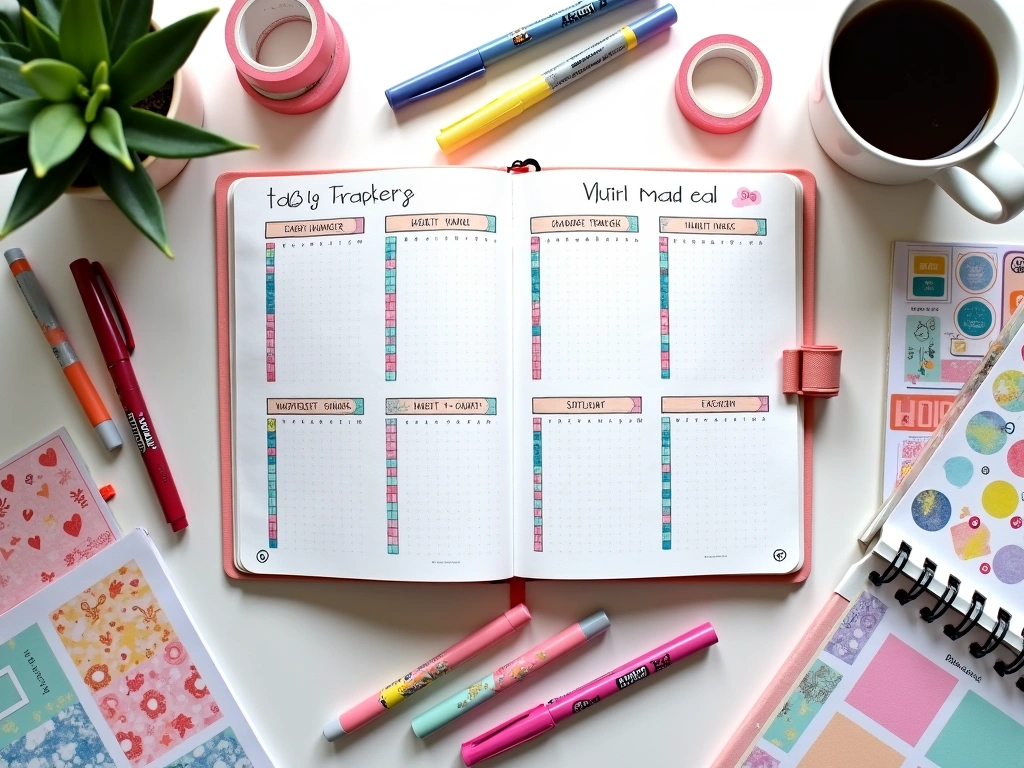
Smart Organization Strategies for Your Habit Collections
Here's something most bullet journaling content won't tell you: organization matters more than pretty layouts. I learned this the hard way after creating gorgeous spreads that I never actually used.
The Monthly vs. Weekly Approach
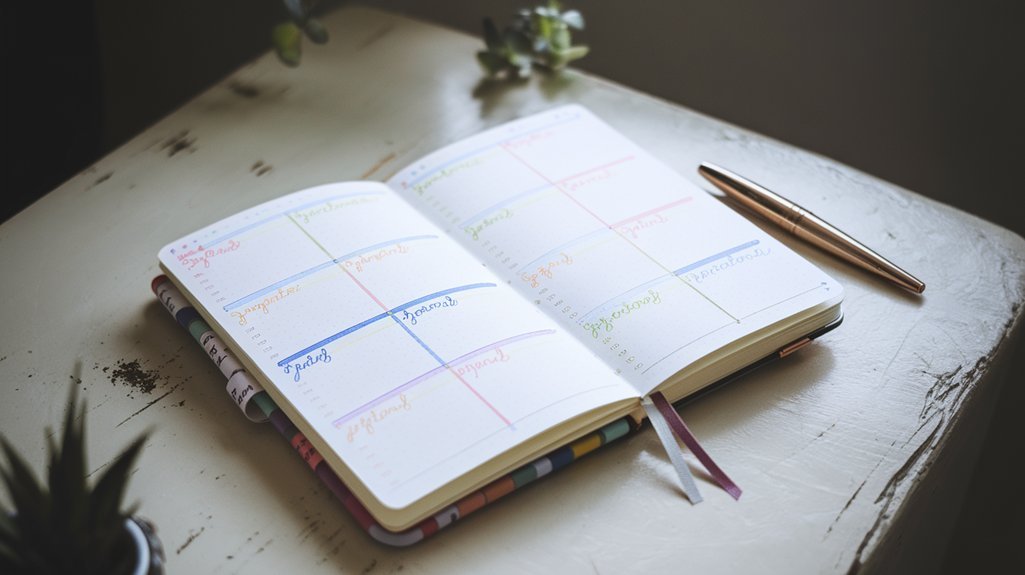
Monthly trackers give you the big picture view. They're perfect for habits you want to do daily or several times per week. Weekly trackers work better for more complex habits that need detailed tracking or vary significantly day to day.
In my experience, mixing both approaches works best. I use monthly trackers for simple habits like drinking water or taking vitamins, and weekly trackers for workout routines or meal planning.
Color Coding Systems That Actually Work
Don't overcomplicate your color system. I recommend no more than 5-7 colors total. Here's the system I've been perfecting for three years:
- Blue: Health and wellness habits
- Green: Personal growth and learning
- Purple: Creative pursuits and hobbies
- Orange: Social connections and relationships
- Red: Important deadlines or priorities
- Yellow: Fun activities and self-care
- Black: Work and productivity habits
Integration with Your Existing Bullet Journal System
Your habit trackers shouldn't exist in isolation. They need to work harmoniously with your monthly logs, weekly spreads, and daily pages.
I always place my habit tracker collections right after my monthly calendar spread. This way, I see both my scheduled events and habit goals on the same page turn. It creates a mental connection between planned activities and habit completion.
Tracking Multiple Habits Efficiently
The most commonly tracked habits in 2024-2025 were: water intake (78%), exercise (71%), sleep quality (64%), and meditation (52%). But tracking multiple habits doesn't have to mean multiple separate spreads.
Consider combination trackers where related habits share visual space. For example, create a wellness wheel with sections for exercise, nutrition, sleep, and stress management all in one circular design.
Bullet Journal Stencil Set
Create perfectly shaped circles, squares, and decorative elements for your habit trackers without the premium price tag of individual templates.
Advanced Creative Ideas for Unique Habit Collections
Ready to take your habit tracking to the next level? These advanced ideas combine creativity with functionality in ways that'll make your journal truly unique.
Interactive Element Integration
Think beyond static drawings. Add flaps, fold-outs, or removable elements to your trackers. I created a flip-book style tracker where each page revealed new artwork as habits progressed. It took extra time but made tracking feel like opening a daily present.
You can also use washi tape as moveable progress indicators, or create pocket pages where you insert different colored cards based on habit completion levels.
Mixed Media Approaches
Combine different artistic mediums in your trackers. Watercolor backgrounds with pen outlines. Collage elements with hand lettering. Photography integrated with drawings.
I once created a habit tracker using actual pressed flowers that I collected during daily walks. Each completed walk earned a new flower addition to the spread. It connected the physical habit with a tangible, beautiful reminder.
Digital-Analog Hybrid Systems
Digital habit tracking has increased by 340% since 2020, but that doesn't mean abandoning analog methods. The magic happens when you combine both approaches.
Use apps for detailed data collection and analytics, then create artistic summaries in your bullet journal. QR codes can link physical spreads to digital dashboards. Photos of completed journal pages can be shared with accountability partners through apps.
Collaborative Family Trackers
Transform individual habit tracking into family activities. Create large wall-mounted trackers where everyone contributes. Design seasonal family challenges with shared rewards.
My sister's family uses a giant poster board tracker for household habits like chores, reading time, and outdoor activities. Each family member gets their own color, and they celebrate monthly milestones with special outings.
Travel-Friendly Adaptation Methods
Business trips and vacations shouldn't derail your tracking system. Design compact, flexible trackers that adapt to changing schedules and environments.
Consider accordion-fold pages that expand for detailed tracking at home but compress for travel. Create universal symbols that work regardless of language barriers when traveling internationally.
Seasonal Transition Planning
Build habit trackers that evolve naturally with changing seasons and life circumstances. Summer outdoor exercise habits can transition to indoor alternatives for winter without starting completely over.
Design modular tracker elements that can be rearranged, combined, or modified as your needs change throughout the year.
Tombow Dual Brush Pen Set
Professional watercolor brush pens that create stunning gradient effects and artistic details in habit trackers, with exceptional color blending capabilities.
Troubleshooting Common Habit Tracker Challenges
Let's be honest—even the most beautiful habit tracker is useless if you don't actually use it. Here are solutions to the most common problems I see (and have experienced myself).
The Perfectionism Trap
This is the biggest tracker killer. You miss one day, decide the whole month is “ruined,” and abandon the entire system. I've been there more times than I'd like to admit.
Solution: Build imperfection into your design. Use pencil first, then ink later. Create “oops” symbols for missed days. Design trackers where gaps actually add to the visual appeal rather than detracting from it.
Overwhelming Complexity
When your tracker takes longer to fill out than doing the actual habit, you've gone too far. Complexity for its own sake kills consistency.
Start simple. Really simple. You can always add decorative elements later, but you can't subtract time you don't have.
Lack of Motivation After Initial Ensoiasm
Week one: excited daily tracking. Week three: sporadic updates. Week five: abandoned spread. This pattern is so common it should have its own name.
People who use habit trackers for more than 3 months have a 73% higher success rate in maintaining long-term behavioral changes. The key is designing sustainability into your system from day one.
Schedule weekly tracker review sessions. Connect tracker completion to rewards you actually care about. Share progress with accountability partners who'll check in regularly.
🎯 Our Top Recommendation
After extensive testing, we recommend the Leuchtturm1917 Dotted Bullet Journal for most readers because it provides the perfect foundation for any habit tracking system with premium paper quality that handles all pen types beautifully.
Remember, the best habit tracker collection is the one you'll actually use consistently. These 50 ideas give you a starting point, but don't feel pressured to use them exactly as described. Modify, combine, and personalize them until they feel uniquely yours.
The most successful bullet journalists I know started with simple trackers and gradually evolved their systems over months and years. Your perfect habit tracking collection won't happen overnight—it's a journey of continuous improvement, just like the habits you're tracking.
Start with three habits maximum. Choose one design that genuinely excites you. Give it at least 30 days before making major changes. And most importantly, celebrate the small wins along the way.
Frequently Asked Questions
How many habits should I track simultaneously in my bullet journal?
Start with 3-5 habits maximum to avoid overwhelming yourself. Research shows that people who track fewer habits consistently have much higher success rates than those who try to track everything at once. You can always add more habits once your initial ones become automatic, which typically takes 66 days on average.
What's the difference between daily, weekly, and monthly habit tracker collections?
Daily trackers focus on simple habits you want to do every day (like drinking water), weekly trackers work better for habits with flexible scheduling (like exercise routines), and monthly trackers provide the big picture view for long-term goals. Most successful bullet journalists use a combination of all three types.
How do I maintain motivation when my habit tracker ensoiasm starts to fade?
Schedule weekly review sessions to analyze your progress patterns, connect habit completion to meaningful rewards, and share your tracker with accountability partners. People who use habit trackers for more than 3 months have a 73% higher success rate in maintaining long-term changes, so pushing through the initial dip in motivation is crucial.
Should I create artistic habit trackers or stick with simple designs?
Start simple and add artistic elements gradually. Beautiful trackers can increase motivation, but if they take longer to fill out than doing the actual habit, they become counterproductive. The most successful approach is functional design first, then enhance with decorative elements that don't compromise usability.
What should I do when I miss days on my habit tracker?
Build imperfection into your tracking system from the start. Create “oops” symbols, use pencil before inking, or design trackers where gaps add visual interest. The perfectionism trap kills more habit tracking attempts than any other factor. Focus on consistency over perfection and celebrate getting back on track rather than dwelling on missed days.
How do I track habits when traveling or during schedule disruptions?
Design portable, flexible tracking elements that adapt to changing circumstances. Consider accordion-fold pages, universal symbols, or simplified mobile versions of your main trackers. Create backup plans for your most important habits and modify expectations during travel rather than abandoning tracking completely.
Can I combine digital apps with analog bullet journal habit tracking?
Absolutely! Hybrid systems often work better than purely analog or digital approaches. Use apps for detailed data collection and analytics, then create artistic summaries in your bullet journal. QR codes can link physical spreads to digital dashboards, and photos of journal pages can be shared with accountability partners through apps.