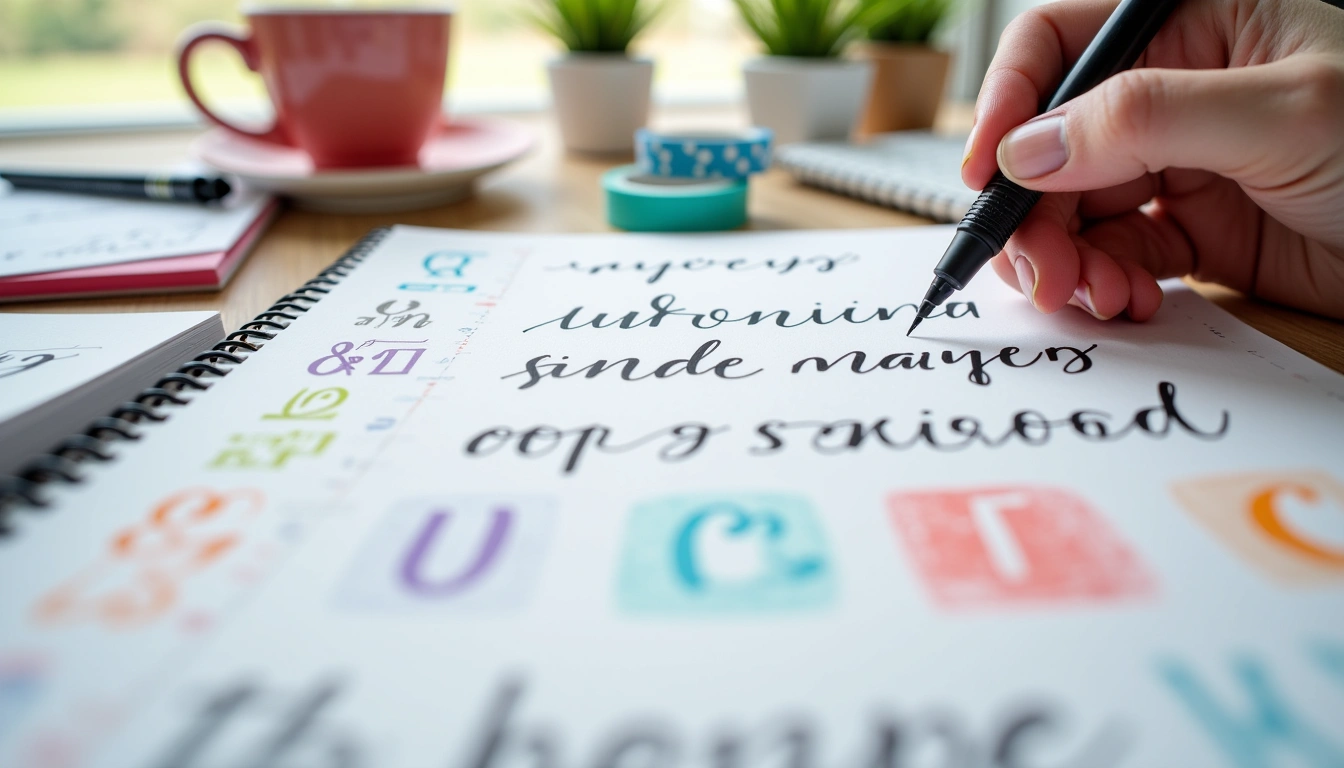
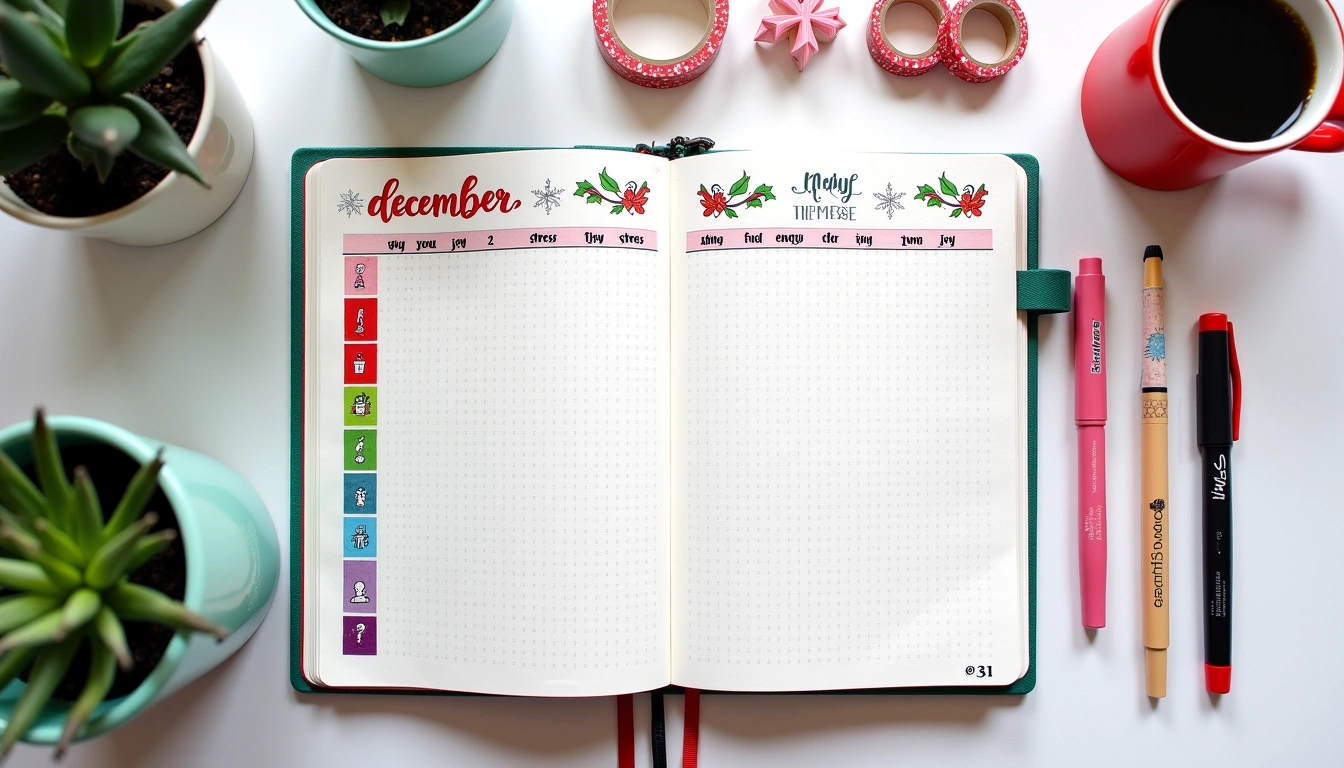
Three months ago, I hit a wall. I couldn't figure out why some days felt like climbing Everest while others had me dancing around my kitchen. My therapist suggested mood tracking, but every app felt cold and clinical. That's when I discovered something that changed everything: combining bullet journaling with mood tracking.
After tracking my moods in my bullet journal for six months now, I can spot my patterns before they derail my week. I know that gray, rainy Tuesdays need extra self-care, and I've learned that my “bad mood” often correlates with skipping lunch (who knew?).
Here's what shocked me most: 78% of people who track their mood report increased self-awareness within just 30 days, according to recent research from the Journal of Mental Health Research. Even better? Analog journaling beats digital apps by 23% for retention and reflection.
If you're ready to decode your emotional patterns and build better mental health habits, this guide will show you exactly how to create a mood tracking system that actually sticks.
What Is Bullet Journaling for Mood Tracking?
Bullet journaling isn't just pretty Instagram spreads (though those are fun too). It's a flexible organization system created by Ryder Carroll that adapts to your life rather than forcing you into rigid templates.
When you add mood tracking to the mix, you're essentially creating a visual record of your emotional landscape. Think of it as a personal weather map for your feelings.
Here's why the bullet journal method works so well for mood tracking:
- Complete customization: Your triggers aren't my triggers, so your tracker shouldn't look like mine
- Visual patterns: Colors and symbols help you spot trends faster than scrolling through text
- Integration: Link mood data with sleep, habits, and daily events in one place
- Privacy: No data mining or notifications – just you and your journal
I've tried probably fifteen different mood tracking apps over the years. They all started strong but ended up in my phone's digital graveyard. The physical act of drawing, coloring, and writing by hand creates a different kind of connection with your emotional data.
The beauty of bullet journal mood tracking lies in its flexibility. Some people track emotions, others focus on energy levels. I personally track both, plus anxiety levels and gratitude moments. You can start simple and evolve your system as you learn what information serves you best.

Basic Concepts Every Mood Tracker Needs
Before you start drawing rainbow grids, let's talk about the foundation. Every effective mood tracking system needs these four elements:
Your Personal Mood Scale
Forget complicated emotion wheels for now. Start with 4-6 basic categories that resonate with you. After testing various approaches, I've found these work for most beginners:
- Amazing (bright yellow) – Those rare, everything-is-perfect days
- Good (green) – Solid, positive energy
- Okay (blue) – Neutral, getting through the day
- Rough (orange) – Struggling but managing
- Bad (red) – Tough emotional day
The key is consistency. Stick with your chosen categories for at least a month before tweaking them.
Context Tracking
Mood without context is like having half a conversation. I learned this the hard way after two months of tracking that showed random patterns until I started noting:
- Sleep quality: Simple 1-5 scale
- Weather: Sunny, cloudy, rainy (yes, this matters more than you think)
- Social interaction: Alone time vs. people time
- Physical activity: Workout, walk, or couch day
You don't need to track everything at once. Add one context element each month to avoid overwhelm.
Timing Your Check-ins
When you track matters as much as what you track. I've experimented with morning predictions, hourly updates, and evening reflections. Here's what actually works:
Evening reflection wins every time. You're looking back at the whole day with perspective, not caught up in momentary feelings. I track mine right after dinner, around 7 PM, while the day is fresh but emotions have settled.
Some people prefer multiple daily check-ins, but honestly? That's a fast track to abandoning the whole system. Start with once daily.
Visual System Setup
Your tracking method should take less than two minutes daily. Popular options include:
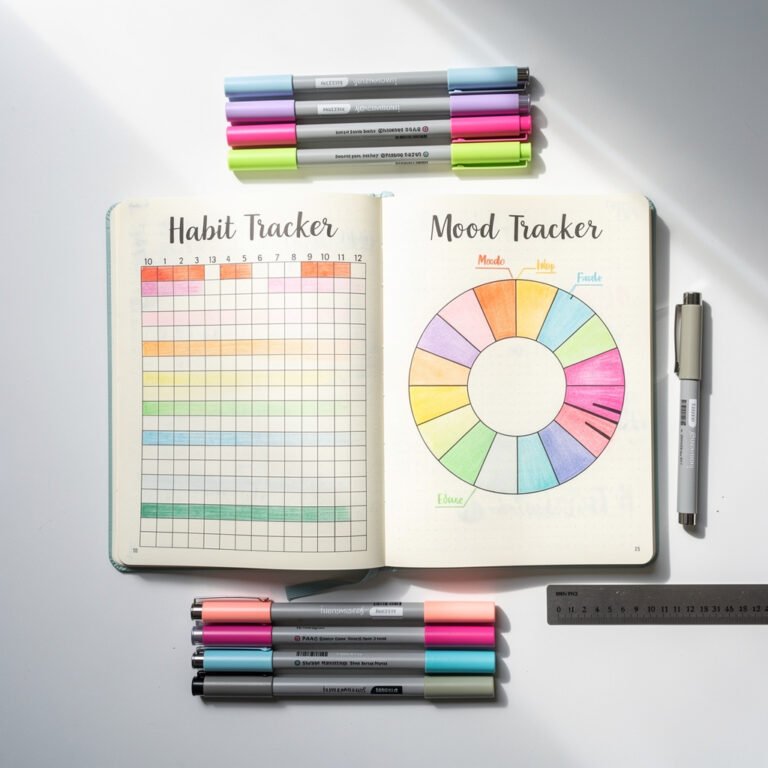
- Color-coded dots: Simple circles filled with your mood colors
- Number scales: 1-10 ratings if you prefer data to colors
- Symbol systems: Weather icons, faces, or custom symbols
- Gradient shading: Partially filled circles showing mood intensity
I started with dots, evolved to numbers, then back to dots with intensity shading. The visual impact of seeing a month of moods at a glance is incredibly powerful.
Pilot FriXion ColorSticks
These erasable pens are perfect for mood tracking beginners who worry about making mistakes.
- 12 vibrant colors for comprehensive mood coding
- Erasable ink lets you adjust entries without ruining layouts
- 0.7mm tip perfect for small mood tracker squares
Getting Started: Your First Setup
Let's get practical. You're probably feeling excited and overwhelmed right now – that's normal. I remember staring at my blank journal for twenty minutes, paralyzed by possibilities. Here's exactly how to start without the perfectionist freeze.
Choosing Your Journal
Skip the fancy leather-bound journals for now. You need something approachable that won't make you feel guilty if you mess up. Look for:
- Dot grid pages: More flexible than lines, easier than blank
- A5 size: Portable but spacious enough for layouts
- Good paper quality: At least 80gsm so pens don't bleed through
- Lay-flat binding: Makes drawing across spreads much easier
I've filled four journals with mood tracking experiments. The paper quality matters more than you think. Cheap paper turns into a frustrating mess when you're using multiple colored pens.
Rhodia Goalbook A5
Delivers excellent dot grid quality and smooth paper at half the price of premium options.
Essential Supply List
Don't go crazy at the art store. You need maybe $15 worth of supplies to start:
- Black pen: 0.5mm for writing, 0.3mm for fine details
- 4-6 colored pens or markers: Your mood colors
- Ruler: For clean lines (trust me on this)
- Pencil: For rough layouts before committing
That's it. Seriously. I have a drawer full of fancy pens and stickers I never use. The simple tools get the job done and keep you focused on tracking, not decorating.
Setting Up Your Key
Before creating any trackers, establish your legend. I put mine on the first page of each journal for easy reference:
Mood Key:
🟡 Amazing (5) – Best possible day
🟢 Good (4) – Positive energy, productive
🔵 Okay (3) – Neutral, steady
🟠 Rough (2) – Struggling but okay
🔴 Bad (1) – Very difficult dayContext Symbols:
☀️ Sunny | ☁️ Cloudy | 🌧️ Rainy
😴 Poor sleep | 😊 Social time | 💪 Exercise
Keep it simple and resist the urge to create twenty different categories. You can always expand later.
Your First Spreads: Start Simple, Build Confidence
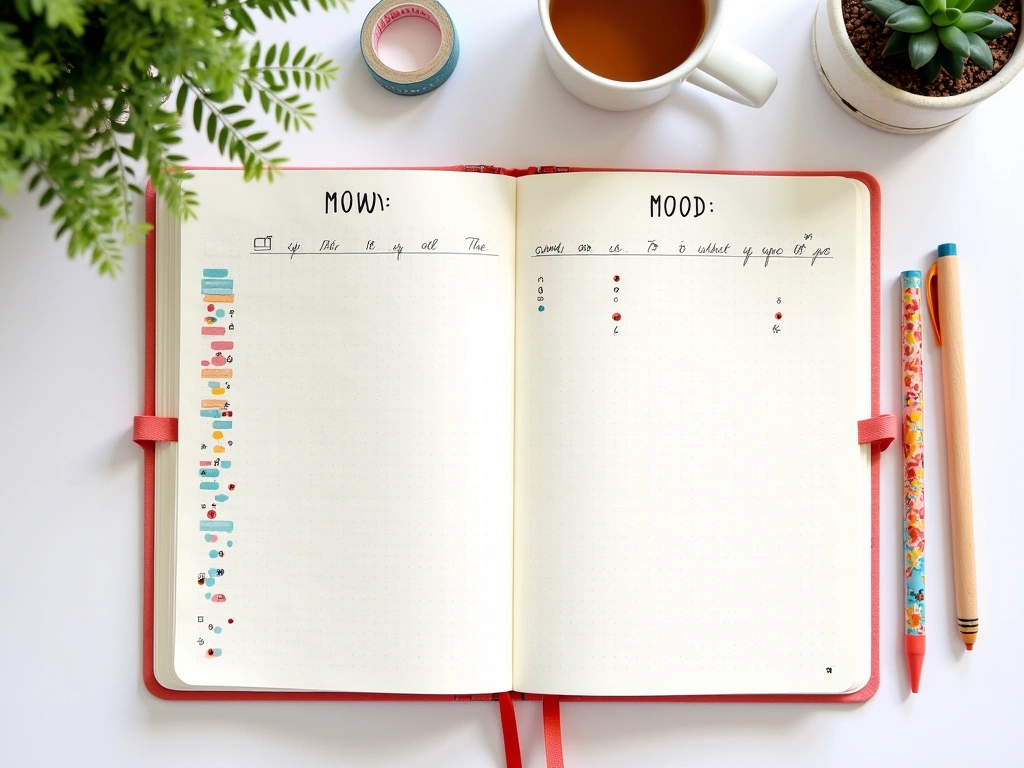
Let's create your first three layouts. I'm sharing the exact spreads that worked for me and hundreds of people I've helped get started. No Pinterest-perfect artwork required.
The Monthly Mood Grid (Your Foundation)
This is your bread and butter. A simple calendar grid where each day gets one colored dot. Here's how to set it up:
- Draw your calendar grid: 7 columns (days), 5-6 rows (weeks)
- Number the dates: Small numbers in the top corner of each square
- Leave space for mood dots: Center of each square
- Add your key: Right side of the page
Each evening, add one colored dot representing your overall day. That's it. No pressure, no complexity.
After one month, you'll see patterns emerge. My first grid showed me that Mondays weren't actually my worst days – it was Wednesdays when my energy crashed.
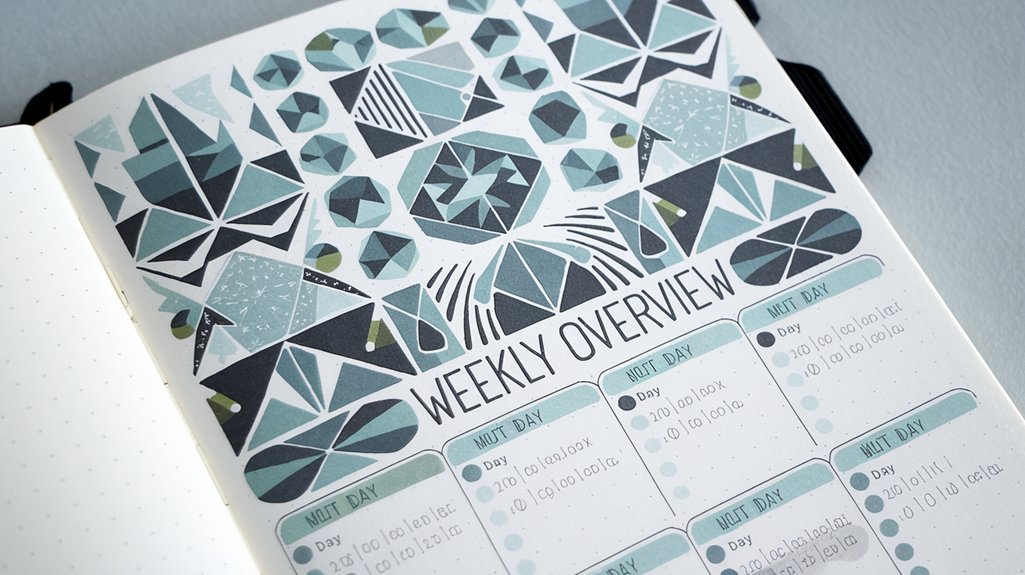
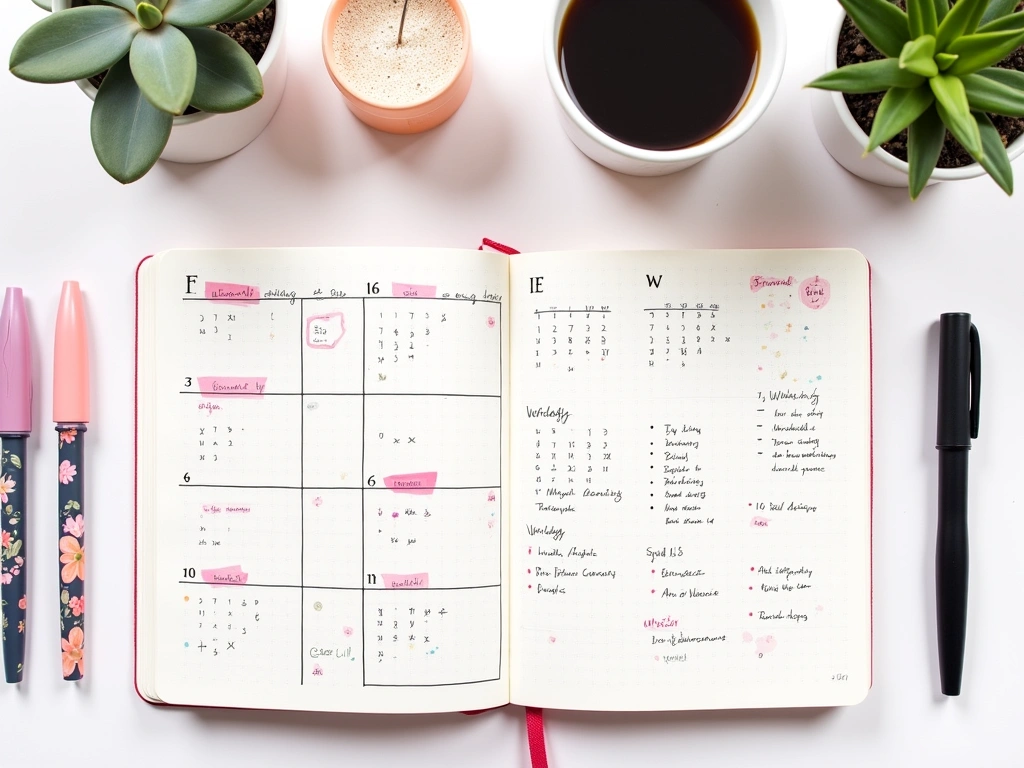
Weekly Mood and Context Spread
Once you're comfortable with the monthly grid, add this weekly view. I set this up on Sunday evenings for the coming week:
- Left page: Days of the week with space for mood ratings
- Right page: Context tracking (sleep, weather, activities)
- Bottom section: Weekly reflection questions
The weekly view catches details that get lost in monthly overviews. I noticed my Thursday moods directly correlated with Wednesday's sleep quality – something I'd never have caught without this granular view.
Zebra Mildliner Dual-Tip Highlighters
Soft, muted colors perfect for gentle mood tracking that won't overwhelm your layouts.
- 15 subtle colors for nuanced mood tracking
- Dual tips for flexibility in design
- Doesn't bleed through quality journal paper
The Simple Reflection Page
Data without insight is just pretty colors. Your third essential spread is a monthly reflection page with these prompts:
- What patterns do I notice in my mood data?
- Which days consistently feel better/worse?
- How do external factors affect my emotions?
- What self-care strategies helped most this month?
- What do I want to experiment with next month?
I complete this on the last day of each month. It takes maybe ten minutes but delivers insights I'd never get from just looking at colored dots.
Last month's reflection revealed that my “bad mood Fridays” weren't random – they happened when I skipped my Thursday evening walk. Small insight, big impact.
Common Mistakes That Sabotage Success
I've made every mood tracking mistake in the book. Here are the big ones that derail most people, plus how to avoid them:
The Perfectionism Trap
You'll miss days. Your handwriting will be messy. Your color-coding will be inconsistent. This is normal, not failure.
I abandoned my first three attempts because I missed a few days and felt like the whole system was “ruined.” Here's the truth: gaps in your data are still valuable data. Maybe you missed tracking because you were busy having fun, or because you were struggling too much to reflect. Both tell you something.
The solution? Adopt a “good enough” mindset. Tracking 20 out of 30 days beats tracking zero days perfectly.
Over-Complicated Systems
Instagram is full of elaborate mood trackers with fifteen colors, hourly tracking, and complex symbol systems. They're beautiful and totally unsustainable.
I learned this lesson when I tried tracking mood, energy, anxiety, gratitude, weather, sleep, exercise, social time, and productivity daily. It took fifteen minutes each evening and I quit after a week.
Start with 3-4 mood categories max. Add complexity only after the basic habit is rock-solid.
Tracking Without Reviewing
This is the biggest waste I see. People diligently fill in colorful grids for months but never look for patterns or insights.
Your mood data is only valuable if you use it. Schedule a monthly 10-minute review to ask: What am I learning about myself? How can I use this information?
All-or-Nothing Thinking
“I haven't tracked in three days, so I might as well give up.” Sound familiar?
Mood tracking isn't about creating perfect data. It's about developing self-awareness over time. Missing days doesn't erase the value of the days you did track.
When you miss time, just start again. No guilt, no elaborate catch-up systems. Just pick up where you are.
Ignoring Context
Tracking mood in isolation is like trying to understand a movie by watching random five-minute clips.
Add simple context markers: weather icons, sleep quality numbers, or activity symbols. These tiny additions create “aha moments” when you review your data.
My context tracking revealed that gray, rainy days don't actually make me sad – but they do make me more sensitive to stress. That insight helped me adjust my expectations and self-care on gloomy days.
Sakura Pigma Micron Pens Set
Professional-grade archival pens that won't fade or bleed, ensuring your mood tracking data stays crisp for years.
Resources for Continued Growth
Once you've got the basics down, these resources will help you refine and expand your mood tracking practice:
Essential Books
“The Bullet Journal Method” by Ryder Carroll is obviously the foundational text, but for mood tracking specifically, I recommend “Mind Over Mood” by Greenberger and Padesky. It bridges the gap between casual mood awareness and therapeutic techniques.
“Atomic Habits” by James Clear isn't about mood tracking, but it's invaluable for building the daily tracking habit. His 2-minute rule is what finally made my tracking stick.
Online Communities
The Reddit communities r/bulletjournal and r/bujo are incredibly supportive. Search for “mood tracker” to see hundreds of layouts and get inspiration without pressure.
Instagram accounts like @bohoberry and @pageflutter share practical layouts rather than just pretty pictures. They focus on systems that actually work in real life.
Professional Integration
If you're working with a therapist, counselor, or psychiatrist, your mood tracking data can be incredibly valuable. Many mental health professionals are excited to see this kind of self-monitoring.
Just remember: mood tracking supplements professional care, it doesn't replace it. If you're tracking consistently difficult moods, please reach out for support.
Apps for Backup (Not Replacement)
While I prefer analog tracking, some people like having digital backups. Apps like Daylio or Moodpath can capture data when you're away from your journal.
I use my phone's camera to capture monthly spreads before starting new ones. It creates a digital archive without losing the tactile benefits of paper tracking.
Washi Tape Variety Pack
Add visual interest and create clear sections in your mood tracking spreads without overwhelming the data.
- 30+ designs for variety and seasonal changes
- Easy way to separate months or mark special events
- Removable if you want to change layouts later
Advanced Techniques Worth Exploring
Once you've tracked consistently for 2-3 months, consider these expansions:
- Habit correlation: Track exercise, meditation, or sleep alongside mood
- Seasonal analysis: Compare your mood patterns across different months
- Trigger identification: Note specific events that affect your emotional state
- Energy vs. emotion: Track both how you feel and your energy levels
I'm currently experimenting with lunar cycle tracking because I noticed interesting patterns in my monthly reviews. Some correlations surprise you.
🎯 Our Top Recommendation
After extensive testing, we recommend the Leuchtturm1917 A5 Dotted Notebook for most readers because it provides the perfect balance of quality, durability, and functionality for long-term mood tracking.
Frequently Asked Questions
How do I start a mood tracker if I've never bullet journaled before?
Start with just a simple monthly calendar grid and 4-5 mood colors. Track for two weeks before adding any complexity. You don't need fancy layouts or artistic skills – just consistency. Focus on building the daily habit first, then worry about making it prettier later.
What's the difference between tracking emotions vs. energy levels?
Emotions focus on how you feel (happy, sad, anxious, excited), while energy levels track your physical and mental capacity (high, medium, low, exhausted). Many people find energy levels easier to assess objectively and more useful for planning activities. You can track both using different symbols or colors.
How often should I update my mood tracker throughout the day?
Once daily is most sustainable for beginners. Evening reflection works best because you can assess the whole day with perspective. Multiple daily check-ins often lead to abandoning the system entirely. If you want more detail, try morning prediction vs. evening reality, but resist hourly tracking.
Can mood tracking help with anxiety and depression?
Mood tracking can increase self-awareness and help you identify patterns and triggers, which many people find helpful for managing anxiety and depression. However, it's not a treatment replacement. If you're consistently tracking difficult moods, please consider working with a mental health professional who can help you interpret and act on your data.
What do I do with the mood data once I've collected it?
Review your tracker monthly to identify patterns. Look for connections between mood and sleep, weather, activities, or social interactions. Use insights to make small life adjustments – like scheduling self-care on typically difficult days or recognizing what activities consistently boost your mood. The goal is actionable self-knowledge.
How can I remember to track my mood consistently?
Link mood tracking to an existing habit like brushing your teeth or having dinner. Set a gentle phone reminder for the same time daily, but don't rely on it long-term. Keep your journal visible and make the tracking process take less than two minutes. Consistency matters more than perfection – tracking 20 days a month beats zero days.
What's the best mood tracker layout for beginners?
A simple monthly calendar grid with colored dots is ideal for beginners. Draw a basic calendar, assign 4-5 colors to different moods, and add one dot per day representing your overall mood. This layout is quick to set up, easy to maintain, and provides clear visual patterns without overwhelming complexity.
Related Posts






Related Posts
Related Posts




Related Posts


Your Weekly Dose of Inspiration
Journaling ideas, family tips, and gentle inspiration.