# Bullet Journal Collections Ideas: 50+ Creative Ways to Organize Your Life
Ready to improve your bullet journal from a basic planner into a comprehensive life management powerhouse? I've been bullet journaling for over seven years, and I can honestly say that discovering collections changed everything about how I organize my thoughts, track my progress, and manage my daily chaos.
Collections are like having a personal assistant who never forgets anything – they're dedicated pages that gather related information in one convenient spot. Think of them as your journal's specialty sections, each designed to help you track, plan, or reference specific aspects of your life.
## What Are Bullet Journal Collections?
### Core Principles of Collections
Let me break this down simply: collections are related pieces of information grouped together on dedicated pages. Unlike your daily logs where you jot down tasks and events as they happen, collections are intentional spaces you create to track specific themes over time.
When Ryder Carroll first introduced the bullet journal method, collections were one of the four core modules alongside the future log, monthly log, and daily log. They're essentially your custom reference pages – completely flexible and tailored to what matters most in your life.
### How Collections Fit into the Bullet Journal Method
Here's what I love about collections: they live outside the chronological flow of your journal. While your daily pages capture the “what” of each day, collections help you see the bigger picture. They answer questions like “How often do I actually water my plants?” or “Which books have I been meaning to read for months?”
### Benefits of Using Collections
After years of experimenting with different collection formats, I've noticed three major benefits:
**Centralized information**: No more hunting through months of daily pages to find that restaurant recommendation or track down a goal you set.
**Reduced mental load**: Your brain can stop trying to remember everything because you've got reliable systems in place.
**Pattern recognition**: Collections help you spot trends in your habits, spending, mood, and more.
## Essential Productivity Collections
### Goal Setting and Achievement Trackers
I'll be honest – I used to be terrible at following through on goals until I started tracking them visually. Goal trackers work because they make abstract aspirations concrete and measurable.
Try creating a goal thermometer where you color in progress as you move toward your target. For complex goals, break them into smaller milestones with their own mini-trackers. I've used this approach for everything from saving for vacation to completing online courses.
### Habit and Routine Builders
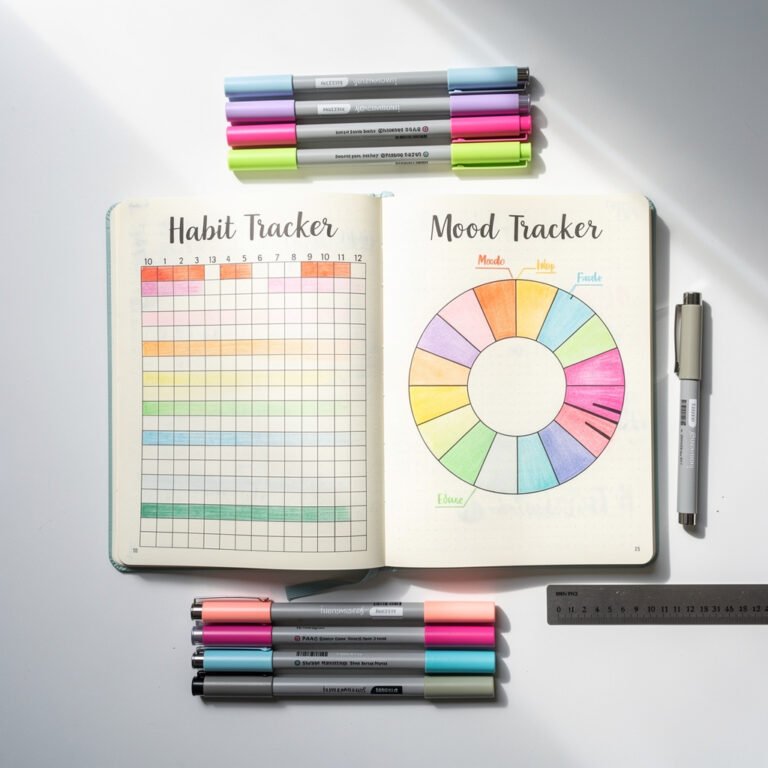
Habit trackers are probably the most popular collection, and for good reason. The simple act of marking off completed habits creates momentum. I prefer grid-style trackers where habits run down the left side and dates across the top, but I've also experimented with habit chains, circular trackers, and even tiny drawings that build into larger pictures.
Don't track everything at once though – that's a recipe for overwhelm. Start with 3-5 habits max. Sound familiar?
### Project Management Collections
Whether you're planning a home renovation or organizing a work presentation, project collections keep everything in one place. I like to dedicate 2-4 pages per major project with sections for:
– Timeline and key milestones
– Task breakdowns with priority levels
– Budget tracking
– Contact information
– Notes and ideas
### Time and Energy Management
Energy tracking has been a really helpful for me. I rate my energy levels 1-5 throughout the day and track what activities, foods, or situations boost or drain my energy. After a few weeks, patterns emerge that help me schedule my days more effectively.
Time blocking collections help too – create templates for your ideal daily and weekly routines, then track how reality compares to your plans.
## Health and Wellness Collections
### Physical Health Tracking
Health collections don't have to be complicated. A simple symptom tracker can help you identify triggers for headaches or stomach issues. Medication logs ensure you never miss doses or forget when you took something.
In my experience, I keep a basic health log with sections for:
– Daily symptoms or notable physical feelings
– Medications and supplements
– Doctor appointments and notes
– Questions to ask at future appointments
### Mental Health and Mood Monitoring
Mood tracking became essential for me during a particularly stressful period. I used color coding – blue for calm days, yellow for anxious ones, green for happy, etc. Over time, I could see how weather, sleep, and work stress affected my emotional state.
Gratitude logs fit naturally here too. Even on tough days, writing down three small things I appreciated helped shift my perspective.
### Fitness and Exercise Logs
Workout collections work best when they're tailored to your actual fitness routine. If you're a runner, track distance, pace, and how you felt. Into yoga? Note which poses you practiced and your flexibility progress.
I've found that before/after photos and measurement tracking provide motivation that scale numbers alone can't match.
### Nutrition and Meal Planning
Meal planning collections save both time and money. Create templates for weekly meal plans, grocery lists organized by store section, and quick recipe references. I keep a “meals everyone liked” list for when I'm stuck in dinner ruts.
Water intake trackers work well here too – I draw simple glass shapes and color them in throughout the day.
## Creative and Personal Interest Collections
### Learning and Skill Development
Book collections are a bullet journal staple, but don't limit yourself to just “books to read” lists. Track your reading progress, note favorite quotes, rate books, or keep genre-specific lists.
For language learning, vocabulary collections with example sentences and review schedules keep new words fresh. Skill development logs help track practice time and improvements in everything from guitar playing to coding.
### Hobbies and Creative Projects
I love using collections to fuel creativity. Keep running lists of:
– Art project ideas with rough sketches
– Photography challenge prompts
– Craft supply wishlists
– Technique experiments and results
These collections become treasure troves when you're feeling stuck or uninspired. Sound familiar?
### Entertainment and Media Tracking
Movie and TV watchlists prevent the dreaded “what should we watch?” paralysis. Rate shows you've finished and note what you loved or hated. Music discovery logs help you remember those great songs you heard but never looked up.
### Personal Growth Collections
Values clarification exercises make powerful collections. List your core values, then track how well your daily choices align with them. Personal growth goal collections help you work on communication skills, confidence building, or whatever areas matter most to you.
## Financial and Practical Life Collections
### Budget and Expense Tracking
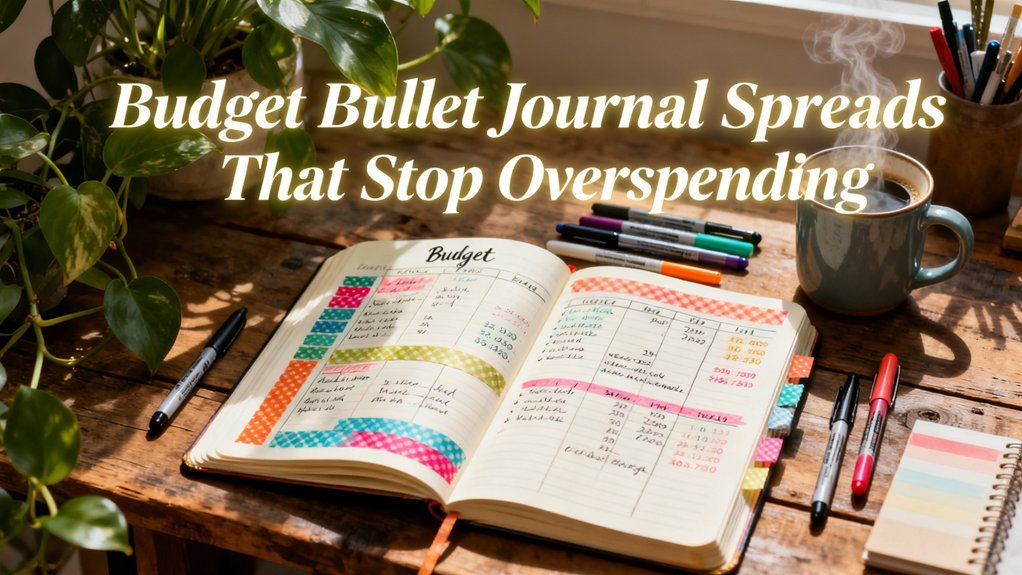
Financial collections don't require fancy apps – simple pen and paper tracking often provides better awareness. Create monthly budget overviews with spending categories, then track actual expenses against your planned amounts.
Savings goal trackers with visual progress bars make building emergency funds or saving for big purchases more engaging. Debt payoff thermometers provide similar motivation.
### Shopping and Purchase Planning
Wishlist collections prevent impulse purchases by giving you space to sit with wants before acting. I organize mine by category (books, clothes, home items) and include prices, where to buy, and priority levels.
Gift idea collections are lifesavers during holidays and birthdays. Jot down gift possibilities as they occur to you throughout the year – you'll thank yourself later.
### Home and Lifestyle Management
Home maintenance schedules keep your space functioning smoothly. List seasonal tasks like gutter cleaning or HVAC filter changes alongside their target frequencies.
The downside is that cleaning routine collections help establish sustainable habits. Don't aim for perfection – focus on systems that actually work with your lifestyle.
### Career and Professional Development
Professional goal collections help advance your career intentionally. Track networking contacts, conference takeaways, and skill development goals. Job search collections organize applications, interview notes, and follow-up tasks.
## Seasonal and Special Event Collections
### Holiday and Celebration Planning
Holiday planning collections reduce stress by spreading preparation over time. Include gift lists with budgets, menu planning, decoration inventories, and tradition tracking.
Birthday and anniversary collections ensure you never forget important dates. Include gift ideas, party planning notes, and celebration preferences for family and friends.
### Travel and Adventure Logs
Travel planning collections keep trip details organized – itineraries, packing lists, budget breakdowns, and research notes. Post-trip, these transform into memory keeping collections with ticket stubs, photos, and favorite experiences.
### Seasonal Activity Trackers
Seasonal bucket lists help you embrace each time of year fully. Summer might include hiking goals and festivals to attend, while winter could focus on cozy indoor activities and holiday traditions.
Weather pattern tracking appeals to my data-loving side – note temperature, precipitation, and how weather affects your mood or activities.
### Memory Keeping Collections
Year-in-review collections capture life's highlights and growth. Monthly or quarterly reviews help you appreciate progress that's easy to overlook day-to-day.
Daily highlight collections focus on one good thing from each day. During tough periods, these remind you that even difficult days usually contain small bright spots.
## Advanced Collection Design Tips
### Layout and Visual Design Principles
Grid systems create clean, organized collections. Use your journal's dots or lines to maintain consistent spacing and alignment. Color coding adds instant visual organization – assign colors to categories, priorities, or completion status.
Don't underestimate the power of simple symbols. Stars for favorites, exclamation points for urgent items, and checkboxes for completion create efficient visual language.
### Customization Techniques
The best collections are the ones that actually fit your life. Adapt layouts to your space and preferences. Landscape orientations work well for timeline collections, while portrait layouts suit lists and trackers.
Consider your maintenance style too. Daily check-ins suit some collections, while others work better with weekly or monthly updates.
### Digital Integration Options
While I'm primarily analog, selective digital integration enhances some collections. QR codes can link to longer digital notes, photos, or related websites. Cloud storage references help when collections need more space than your journal provides.
### Maintenance and Review Strategies
Set regular review schedules for your collections. Monthly reviews help you assess what's working and what needs adjustment. Don't be afraid to evolve or retire collections that no longer serve you.
Index everything. Collections are only useful if you can find them when needed.
## Common Mistakes and How to Avoid Them
### Overcomplicating Collection Designs
I've made this mistake more times than I care to admit. Starting with elaborate, Pinterest-worthy designs often leads to abandonment when the novelty wears off. Simple, functional layouts consistently outperform complex ones.
Begin with basic grids and lists. Add design elements gradually as you determine what actually helps versus what just looks pretty.
### Inconsistent Maintenance Habits
Collections require regular attention to remain useful. Link collection updates to existing habits – update your mood tracker when you brush your teeth, or review your goal progress during weekly planning sessions.
### Poor Planning and Setup Issues
Think through your collections before committing them to pages. How often will you update them? What information do you actually need to track? How much space will you need?
I tested new collection ideas on scrap paper first, especially if you prefer permanent ink in your journal. This won't work if you dive straight into permanent layouts.
## Conclusion
Collections have the power to transform scattered thoughts into organized systems and vague intentions into trackable progress. They're not just pretty pages in your journal – they're functional tools that can genuinely improve how you manage and understand your life.
Start small. Choose 2-3 collections that address your biggest organization pain points right now. Maybe that's a simple habit tracker, a book list, or a monthly budget overview. Build these into sustainable routines before adding more.
Remember, the perfect collection is the one you'll actually use. Don't let Pinterest perfectionism prevent you from creating functional, helpful systems. Your collections should serve your life, not complicate it.
Which collections are calling to you? Pick one and give it a try. Your future self will thank you for the clarity and organization you're building today.
Related Posts
Recommended for You
🛒 Dotted Journal Notebook
As an Amazon Associate we earn from qualifying purchases.

The Best Bullet Journal Stickers for Simple Spreads
Bullet Journal Gift Ideas: The Ultimate Guide for 2025
Best Weekly spread Guide 2025
Tracker Library

Recommended for You
🛒 Habit Tracker Journal
As an Amazon Associate we earn from qualifying purchases.

Related Posts
Related Posts


✨ Our Recommendation
Editor's Pick: A premium dot grid journal for organizing creative collections with clarity.
Your Weekly Dose of Inspiration
Journaling ideas, family tips, and gentle inspiration.