Seven years ago, I walked into a stationery store completely overwhelmed. I'd just discovered bullet journaling and wanted to start immediately—but where do you even begin? Walls of notebooks. Hundreds of pen options. Accessories you never knew existed.
If you're feeling that same excitement mixed with decision paralysis, you're in the right place.
Bullet journaling has exploded in popularity because it actually works. It's a flexible system that adapts to your life, if you're a busy parent, student, or professional trying to get organized.
But here's what I wish someone had told me on day one: you don't need perfect supplies to start bullet journaling. You need the right supplies for your goals and budget. I've spent years testing everything from $3 notebooks to $50 fountain pens (and I've made some expensive mistakes).
This guide covers everything you actually need to begin your bullet journal journey. We'll talk budget-friendly options, quality investments, and how to avoid the common trap of buying too much too soon. Sound familiar?
Understanding Bullet Journal Basics: What You Actually Need
Core Components of Bullet Journaling
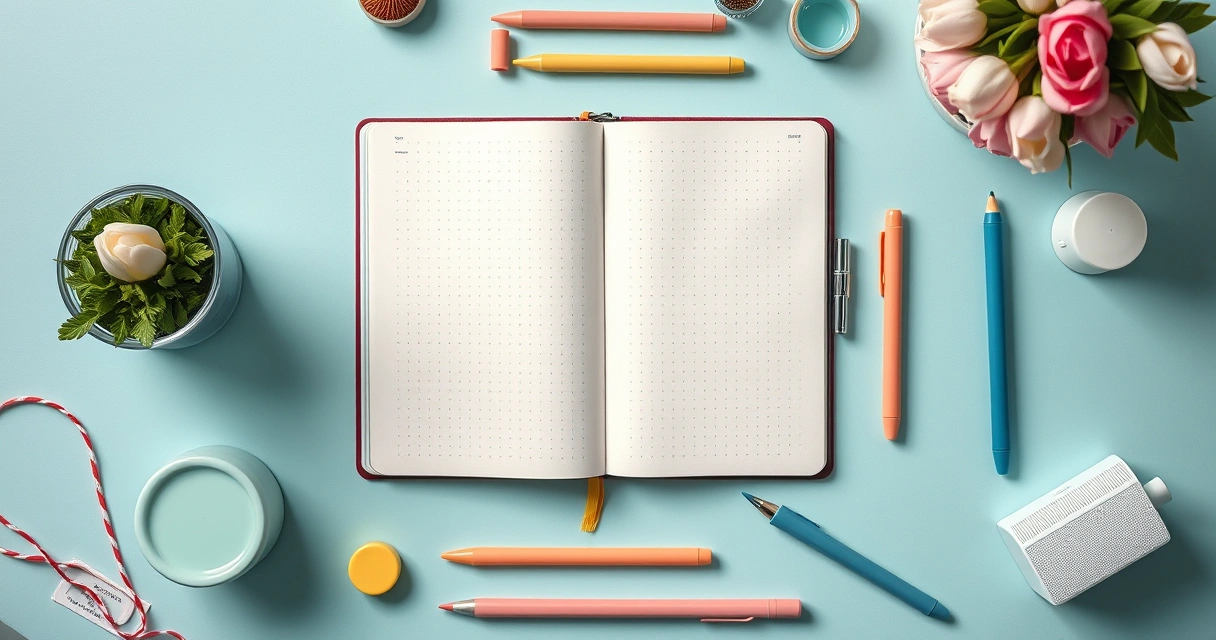
Let's start with reality. Ryder Carroll created the bullet journal system using a basic notebook and a pen. That's it.
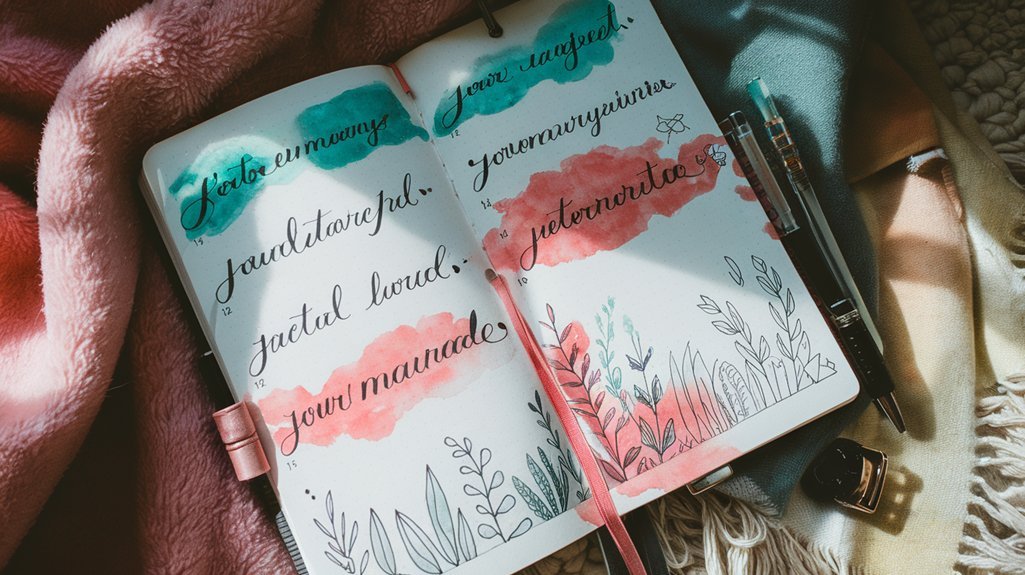
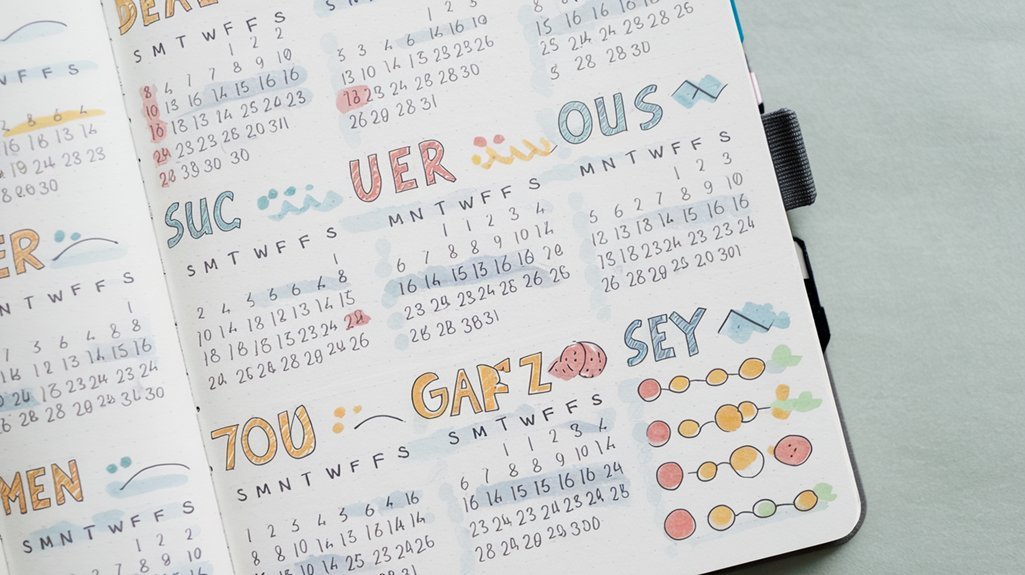
The Instagram-worthy spreads with perfect lettering and rainbow colors? They're beautiful, but they're not essential.
The core of bullet journaling is rapid logging—capturing information quickly using bullets, tasks, events, and notes. You can do this with literally any notebook and pen. Everything else is enhancement, not requirement.
Minimalist vs. Decorative Approaches
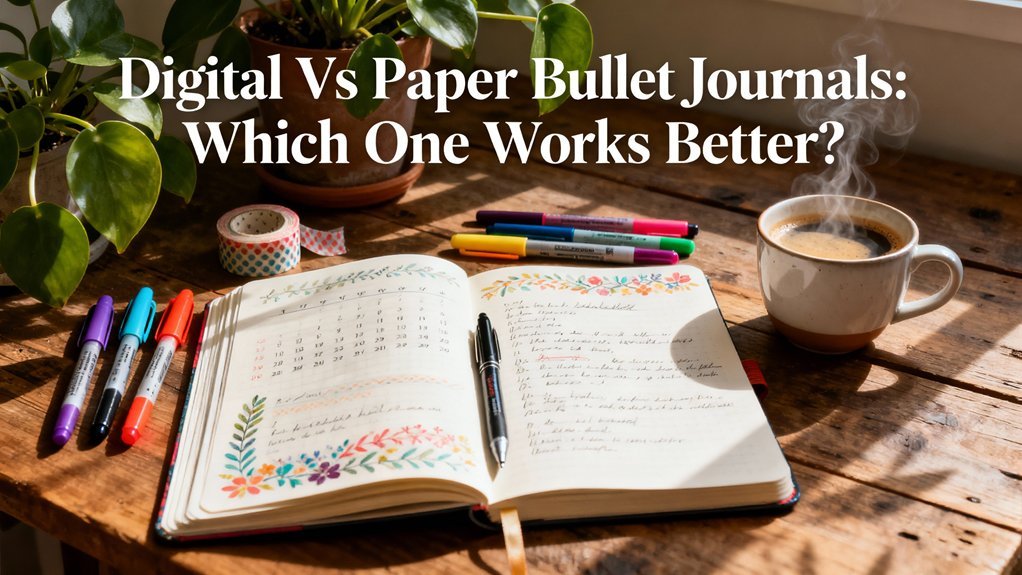
After years of journaling, I've seen people succeed with both approaches. Some of my most productive spreads were created with a single black pen in a basic composition notebook. Others involved careful planning with multiple colors and decorative elements.
Your approach should match your personality and available time. Are you someone who finds creativity energizing? Or does it feel like pressure? Do you have 30 minutes for setup, or just 5 minutes for planning?
There's no wrong answer. But being honest about your preferences will guide your supply choices.
Budget Considerations for Beginners
I recommend starting with a $20-50 budget for your first setup. This gives you quality basics without overcommitting before you know what you like. You can always upgrade later—and trust me, you'll want to once you discover your preferences.
Think of it this way: would you rather spend $30 on supplies you'll actually use, or $100 on supplies that sit in a drawer?
Essential Notebooks and Paper: Your Foundation
Dot Grid vs. Lined vs. Blank Pages
After testing dozens of notebooks, I'm convinced dot grid is the sweet spot for most bullet journalists. Here's why.
Dot grids provide subtle structure without being restrictive. You can create straight lines for lists, draw boxes for habit trackers, or ignore the dots entirely for free-form doodling. Lined pages feel too rigid for creative layouts. Blank pages make it harder to keep text aligned.
That said, I know successful bullet journalists who swear by lined pages for their clean, academic look. The key is choosing what feels natural when you write.
Size Considerations (A5, B5, Pocket)
A5 (roughly 5.8″ x 8.3″) has become the standard for good reason. It's large enough for detailed layouts but portable enough for daily carry. Plus, most bullet journal inspiration you'll find online uses A5 proportions.
Pocket sizes work great if you're always on the go. But you'll feel cramped during longer planning sessions. B5 offers more space but becomes heavy for daily carry. I've tried them all, and A5 hits the sweet spot for versatility.
Paper Quality and Ink Compatibility
This is where many beginners get frustrated. You buy a pretty notebook, start writing with your favorite pen, and watch the ink bleed through to the next page. Suddenly your beautiful journal feels ruined.
Look for paper weights of 120gsm or higher. This measurement indicates thickness—thicker paper means less bleed-through. Most quality bullet journal notebooks specify paper weight in their descriptions.
Top Recommended Notebooks for 2025
Premium Options ($25-40):
- Leuchtturm1917: My personal favorite. Excellent paper quality, pre-numbered pages, and perfect dot spacing
- Bullet Journal Official Notebook: Created by Ryder Carroll himself, with thoughtful features like page guides
- Rhodia Goalbook: French paper quality with a unique goal-setting section
Budget-Friendly Alternatives ($10-20):
- Lemome: Surprisingly good paper quality at half the price
- Scribbles That Matter: Great for testing whether you like bullet journaling before investing more
I've used Leuchtturm notebooks for four years running. Yes, they're pricier than drugstore options. But the paper quality means I can use any pen without worry. When you're building a habit, removing friction matters.
Writing Tools: Pens, Markers, and More
Best Pens for Daily Writing
Your daily writing pen is the most important tool you'll choose. It needs to be reliable, comfortable for long sessions, and compatible with your paper.
My go-to recommendations:
- Pilot G2 0.7mm: Smooth, reliable, and available everywhere
- Uni-ball Signo 0.5mm: Crisp lines and excellent for small writing
- Sakura Pigma Micron: Archival quality ink that won't fade over time
I keep multiple Pilot G2s around because I'm paranoid about running out of ink mid-journal session (and trust me, it always happens at the worst moment). There's nothing worse than losing your planning momentum because your pen died.
Fine-tip Markers for Headers and Highlights
Want to add visual hierarchy without going overboard? Fine-tip markers are your friend. They create bold headers that help you scan pages quickly.
Beginner-friendly options:
- Staedtler Pigment Liners: Consistent ink flow and multiple tip sizes
- Faber-Castell PITT Artist Pens: Excellent for both writing and drawing
- Sakura Pigma Micron set: Multiple sizes in one affordable pack
Start with basic black. Add colors gradually. I resisted color for months, thinking it was “too decorative,” but strategic color use actually improved my productivity by making important items stand out.
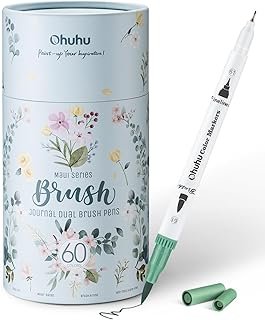
Brush Pens for Lettering and Decoration
Brush pens intimidated me for years. They seemed too advanced, too artistic for my practical journal. But when I finally tried them for monthly headers? Everything clicked.
Best for beginners:
- Tombow Dual Brush Pens: Flexible tips that forgive beginner mistakes
- Pentel Touch Brush Signs: Smaller tips, easier control for detailed work
Don't expect perfect lettering immediately. I still have wobbly letters after years of practice. The goal isn't perfection—it's adding a personal touch that makes you excited to open your journal.
Testing Ink Bleed and Ghost-through
Before committing to any pen, test it in your notebook. Write on a page with text on the back side and check for bleed-through (ink soaking completely through) and ghosting (faint shadows visible on the other side).
Some ghosting is normal. Shouldn't stop you from using a pen you love. Complete bleed-through? That makes pages unusable.
Organization and Layout Tools
Rulers and Stencils
I'm not naturally neat. My handwriting looks like a doctor's prescription, and my drawing skills peaked in elementary school. That's exactly why I appreciate good tools that help create clean layouts.
A clear 6-inch ruler lives permanently in my journal. It helps create straight lines for headers, divide pages into sections, and draw consistent boxes for trackers. The transparency lets you see exactly where you're drawing.
Stencils feel optional until you try them. Letter stencils create consistent headers when your hand lettering isn't cooperating. Shape stencils help with habit tracker designs and decorative elements.
Washi Tape and Stickers
Here's where functionality meets fun. Washi tape isn't just decoration—it's a versatile organizational tool. I use it to:
- Mark important pages for quick reference
- Create visual breaks between sections
- “Fix” layout mistakes by covering them attractively
- Add seasonal touches without permanent commitment
Start with neutral colors that match any layout. You can always add brighter options later.
Correction Tools
Mistakes happen, even in permanent ink. White-out tape is cleaner than liquid correction fluid and creates a smooth surface for writing over errors. Some bullet journalists embrace the “perfectly imperfect” aesthetic. But having correction options reduces the pressure to be perfect.
Storage Solutions
A simple pencil case keeps your supplies organized. Prevents the frustration of hunting for your favorite pen. I use a clear case so I can see everything at a glance.
For desk organization, a small tray or cup holds daily essentials. Nothing fancy needed—an old mug works perfectly.
Digital Integration and Modern Tools
Apps for Planning and Inspiration
Bullet journaling doesn't exist in a digital vacuum. I use several apps that complement my analog system:
Pinterest for layout inspiration when I'm feeling stuck. Search “bullet journal monthly spread” or “habit tracker ideas” for endless options.
Phone calendar for scheduling that needs to sync across devices. I transfer important dates to my bullet journal but keep digital scheduling for collaboration.
Habit tracking apps for data backup. I track habits in my journal but sometimes use apps for long-term trend analysis.
Digital Templates and Printables
Free printables can jumpstart your layouts, especially when you're learning. Sites like Pinterest offer templates for everything from meal planning to budget tracking. Print them on sticker paper for easy incorporation into your journal.
Photography and Sharing Tools
Good lighting makes a huge difference in journal photos. Natural light near a window beats artificial lighting every time.
I take photos of completed spreads both for sharing and personal reference—it's helpful to remember what layouts worked well.
Seasonal and Specialty Supplies
Holiday and Seasonal Themes
Seasonal supplies keep journaling fresh throughout the year. I collect autumn-themed washi tape in September and switch to winter colors in December. These small changes maintain excitement without requiring complete system overhauls.
Dollar stores are goldmines for seasonal stickers and accessories. You don't need expensive specialty items to add festive touches.
Specialty Collections (Travel, Health, Finance)
Different life areas might need specific tools. Travel journaling benefits from waterproof pens and compact supplies. Health tracking might use colored pens for different metrics. Financial planning could include calculators and grid rulers.
Build these collections slowly. Base them on actual needs, not anticipated ones.
Gift Ideas for Bullet Journal Ensoiasts
Gift cards to stationery stores, quality notebook upgrades, or pen sets make excellent presents for established bullet journalists. For beginners? Consider starter kits with basic supplies and a beginner's guide.
Shopping Guide: Where to Buy and What to Avoid
Online vs. In-Store Shopping
Online advantages:
- Better selection and specialty items
- Customer reviews for quality assessment
- Often better prices and bulk options
In-store advantages:
- Touch and feel notebooks before buying
- No shipping costs or delays
- Support local businesses
I shop both ways depending on what I need. For basic replenishment, online is convenient. For new notebooks or trying unfamiliar brands? I prefer handling them first.
Budget-Friendly Sources
Amazon for basic supplies and bulk purchases. Their selection is huge, but quality varies significantly.
JetPens for specialty pens and Japanese stationery. Higher prices but excellent quality curation.
Local craft stores often have sales on basic supplies. Check weekly ads for pen and notebook deals.
Dollar stores for seasonal items and basic accessories. Perfect for testing whether you'll actually use something before investing in quality versions.
Quality Red Flags to Watch For
Avoid notebooks that don't specify paper weight or ink compatibility. “Smooth writing paper” doesn't tell you anything useful about bleed-through resistance.
Be skeptical of pen sets with dozens of colors at extremely low prices. The ink quality is usually poor, and you'll end up replacing them quickly.
Very cheap washi tape often has weak adhesive. Either won't stick or leaves residue when removed.
Getting Started: Your First Supply Kit
Minimal Starter Kit (Under $25)
Want to test bullet journaling without major investment? Here's what you actually need:
- Notebook: Lemome or composition notebook with dots ($8-15)
- Pens: Pilot G2 black, plus one colored pen ($5-8)
- Ruler: Basic clear ruler ($2)
This setup handles 90% of bullet journaling tasks. Use it for at least a month before adding anything else.
Comprehensive Beginner Kit (Under $75)
Ready to invest a bit more for better experience? This kit covers all bases:
- Notebook: Leuchtturm1917 or Bullet Journal official ($25-30)
- Pens: Pilot G2 set, Sakura Pigma Micron set ($15-20)
- Markers: Staedtler fine-tip set ($10-15)
- Accessories: Ruler, basic washi tape, correction tape ($10-15)
This gives you options for different layouts and decoration levels. Without going overboard.
Setup Tips and First Steps
Start simple. Create a basic monthly log and daily pages using just black ink. Focus on capturing information consistently rather than creating perfect layouts.
Test your supplies on a few pages before planning major spreads. Learn how your pens behave with your paper and adjust accordingly.
Don't compare your day-one journal to Instagram accounts with years of practice. Every expert started with wobbly lines and basic layouts.
Top Recommended Products
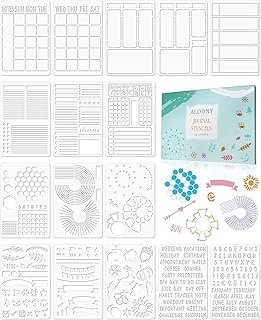
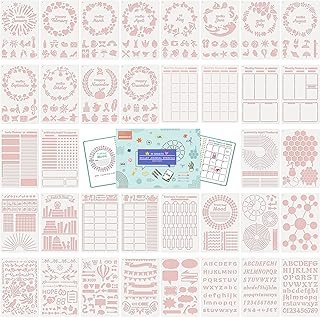


As an Amazon Associate, we earn from qualifying purchases.
Conclusion
The perfect bullet journal supplies are the ones you'll actually use consistently. I've seen people create amazing productivity systems with gas station notebooks and basic pens. Meanwhile, others abandon expensive supplies because they felt too precious to “mess up.”
Start simple. Experiment gradually. And remember that the system matters infinitely more than the supplies. Your bullet journal should reduce stress, not create pressure to maintain perfect aesthetics.
The magic isn't in having the “right” notebook or the newest pen colors. It's in developing a sustainable practice that supports your goals and adapts to your life.
Ready to begin? Choose one notebook and one pen. Write your name on the first page.
That's it—you're now a bullet journalist. Everything else is just enhancement.
What supplies are you most excited to try first? Start there, and build your collection one thoughtful purchase at a time.
Related Posts


Related Posts
Your Weekly Dose of Inspiration
Journaling ideas, family tips, and gentle inspiration.