- Why Habit Tracking Works in a bullet journal
- Health & Wellness Habits to Track
- Productivity & Career Habits to Track
- Finance Habits to Track
- Self-Care & Mindfulness Habits to Track
- Creative Habit Tracker Layouts That Actually Stick
- How many habits should I track in my bullet journal at once?
- What’s the best layout for a beginner habit tracker?
- What if I miss several days in a row?
- Related from our network
- Related Posts
- Related Posts
Disclosure: This post contains affiliate links. If you click through and make a purchase, we may earn a small commission at no extra cost to you. Thank you for supporting this site!
Let’s be honest: sticking with a new habit is hard. You start strong, full of motivation, and then somewhere around day four, life happens. But what if you had a simple, visual way to keep yourself gently accountable—without the guilt? That’s exactly where a bullet journal habit tracker shines. It’s not about perfection; it’s about showing up, noticing patterns, and celebrating small wins. Whether you’re a seasoned journaler or just dipping your toes into the planner world, habit tracking is one of the most rewarding spreads you can create. In this post, I’m sharing 25 habits worth tracking across health, productivity, finance, and self-care, plus layout ideas and methods that actually help you stick with them. Think of this as your go-to inspiration board for designing trackers that feel less like a chore and more like a creative ritual. Grab your favorite pen, open to a fresh spread, and let’s build a habit tracker you’ll actually want to use every single day.
Why Habit Tracking Works in a bullet journal
Habit tracking isn’t just about checking boxes—it’s about building self-awareness. When you log a habit daily, you start to see patterns: you’re more likely to exercise on days you sleep well, or you drink more water when your tracker is colorful and visible. The bullet journal’s flexible structure makes it the perfect home for habit trackers because you can design them exactly how your brain needs to see them.
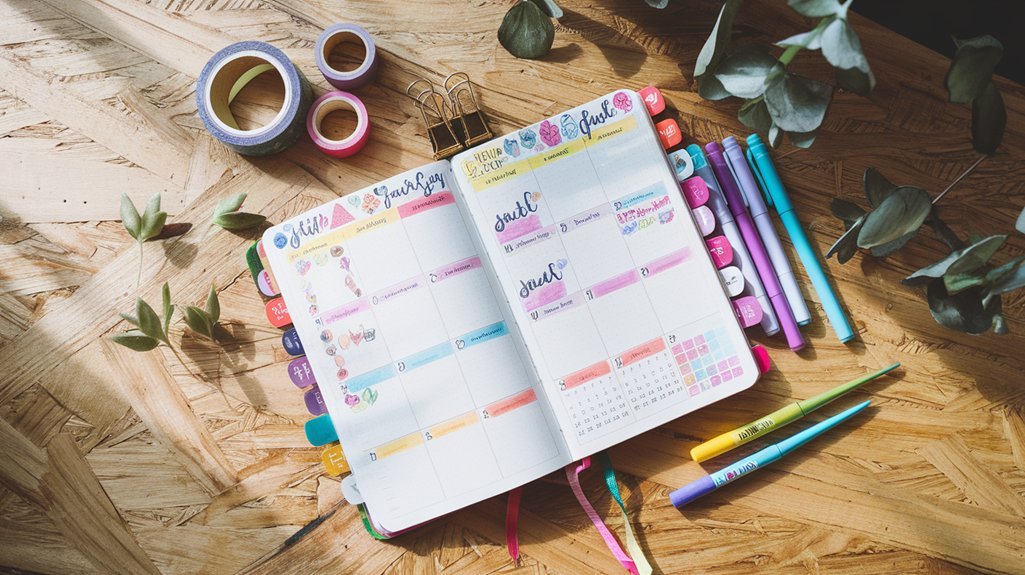
One of the biggest reasons habit tracking sticks is the “don’t break the chain” effect. Seeing a row of filled-in squares or dots creates a visual streak you’ll want to keep going. Plus, because bullet journals are hand-drawn, you can adjust your tracker month to month without wasting pre-printed pages. Here are a few layout methods that work especially well:
- Mini habit tracker boxes: Small grid boxes next to each habit, one per day—simple and space-efficient.
- Mood ring style: Color-code each day based on how well you did (green for done, yellow for partial, red for missed).
- Dot grid clusters: Use a single dot per habit per day, then connect them at month-end to see your consistency visually.
- Monthly overview with icons: Assign a small icon to each habit (a glass for water, a book for reading) and fill them in daily.
The key is to start small. Pick just 3–5 habits for your first tracker, then expand as the system becomes second nature. Remember: this is your journal, your rules. A half-filled tracker is still a win if it helped you show up more than you did before.
Health & Wellness Habits to Track
Your body and mind are the foundation of everything else you do. Tracking health habits doesn’t have to feel like a medical chart—it can be a gentle nudge toward feeling your best. Here are eight health-focused habits that fit beautifully into a bullet journal spread:
- Water intake (8 glasses): Use a simple row of 8 small circles per day, filling them in as you go.
- Sleep duration (7–9 hours): Track bedtime and wake time, or just log hours slept with a color scale.
- Daily movement (30 minutes): Walk, stretch, yoga, or gym—just check it off.
- Meal prep or home-cooked meals: Mark days you planned or cooked your own food.
- Screen-free wind-down (30 min before bed): A growing challenge in the digital age.
- Supplements or vitamins: A simple checkbox keeps you consistent.
- Stretching or foam rolling: Especially good for desk workers.
- Outdoor time (10+ minutes): Fresh air and sunlight do wonders for mood.
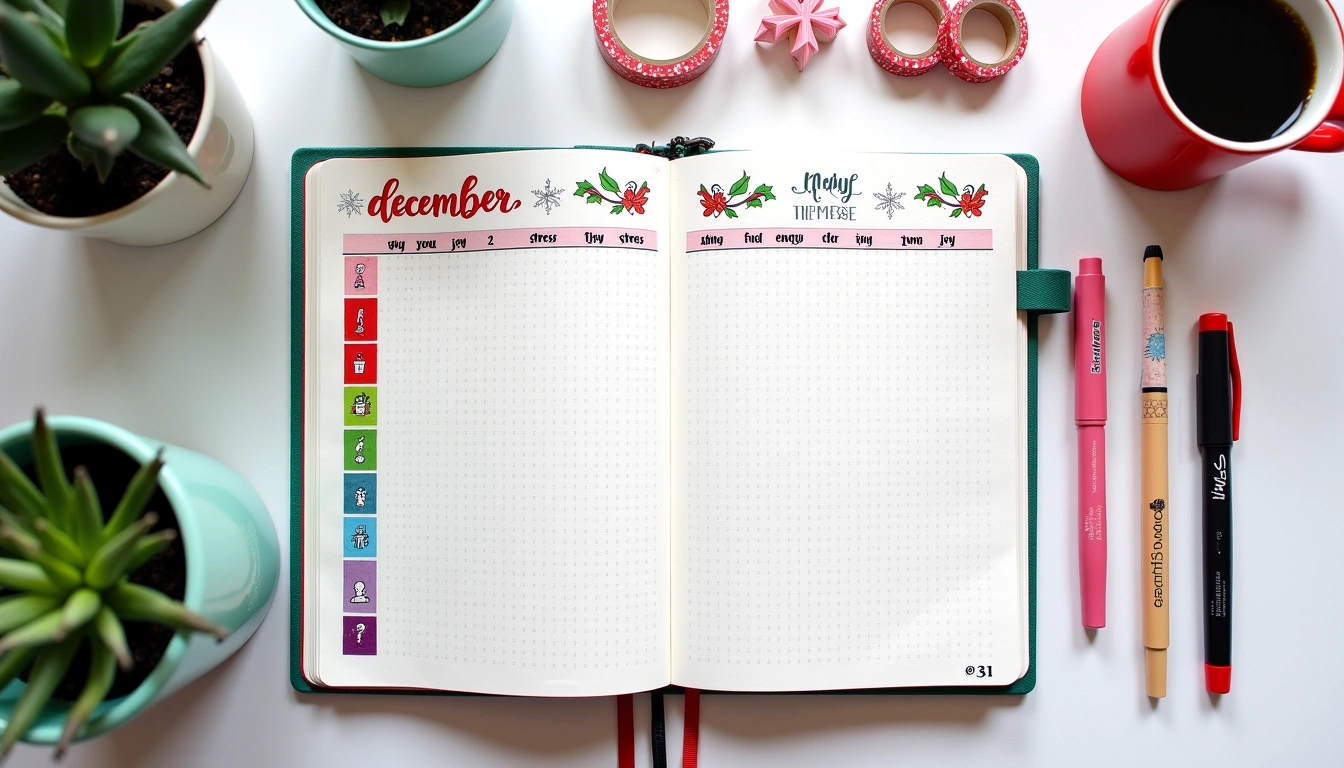
For layout inspiration, try a vertical column of habits on the left and a horizontal row of dates across the top. Use a different color for each habit so your tracker becomes a mini rainbow by week’s end. If you prefer a more artistic approach, draw a small jar for each habit and fill it with dots or stars as you complete it—like a visual reward system. The goal isn’t a perfect score; it’s noticing what supports your energy and what drains it.
Productivity & Career Habits to Track
Productivity isn’t about doing more—it’s about doing what matters. Tracking work-related habits helps you stay focused, reduce procrastination, and build momentum. These six habits are designed to support deep work and intentional progress, not hustle culture burnout.
- Top 3 priorities completed: Each day, list your three most important tasks and check them off.
- Time blocking (2+ focused hours): Mark days you used a timer or block scheduling.
- Inbox zero or email batching: Track how often you process emails in one go.
- Learning or skill-building (20 minutes): Read an article, watch a tutorial, practice a language.
- Networking or connection (1 outreach): A quick LinkedIn message or coffee chat counts.
- Weekly review completed: Set aside 30 minutes every week to reflect and plan ahead.
For a productivity tracker layout, try a “line graph” style where you plot your focus hours each day. The upward slope at the end of the month is incredibly motivating. Another idea: create a “procrastination log” where you simply note what distracted you—no judgment, just data. Over time, you’ll spot patterns (social media at 3 p.m.?) and can adjust your environment accordingly. Pair your tracker with a small weekly note section to jot down one win and one lesson learned. That reflection turns tracking into growth.
Finance Habits to Track
Money habits can feel overwhelming, but a bullet journal habit tracker makes them approachable. By tracking small, consistent actions, you build financial awareness without the stress of spreadsheets. These six habits are perfect for a finance-themed spread:
- No-spend day: Mark each day you avoided unnecessary purchases.
- Tracked all expenses: Even just jotting down what you spent builds awareness.
- Saved a set amount ($5, $10, or more): Small daily or weekly savings add up fast.
- Meal planned for the week: Saves money and reduces impulse takeout.
- Reviewed subscriptions: Check once a month for services you’re not using.
- Paid a bill on time: No late fees, no stress.
- Gratitude journaling (3 things): Write three things you’re grateful for each day.
- Meditation or deep breathing (5 minutes): Even a short session counts.
- Digital detox hour: One hour with no screens—read, walk, or just sit.
- Creative time (drawing, writing, crafting): No goal, just enjoyment.
- Social connection (call or meet a friend): Loneliness is real; track your connection moments.
- The “bingo card” tracker: Fill a 5×5 grid with habits instead of numbers. Complete a row or column for a small reward.
- The “plant growth” tracker: Each habit is a plant. Every day you complete it, you draw a new leaf or flower. Watch your garden grow.
- The “progress bar” tracker: Use a horizontal bar for each habit. Shade in a segment daily. By month’s end, you see exactly how consistent you were.
- The “sticker reward” tracker: Leave empty circles or squares. Add a fun sticker (or draw a tiny star) for each completed day. Visual rewards work.
- The “two-line” minimalist tracker: Draw two parallel lines per habit. Color in the space between them as you complete days. It’s clean, modern, and takes seconds.
- How to Use AI Routines to Anticipate Your Daily Habits (smarthomewizards)
- Best Fitness Tracker Guide 2025 (pulsegearreviews)
- Whoop 5.0 Review: Is the Subscription-Based Fitness Tracker Worth It (pulsegearreviews)
For layout ideas, try a “money mood” tracker where you color-code each day based on how financially intentional you felt (green for great, yellow for okay, red for impulsive). Another fun approach: draw a piggy bank or savings jar and shade in a section each time you save. You can also use a mini bar chart to track your no-spend streak—watching that bar grow is surprisingly addictive. The key is to keep it low-pressure. Finance tracking is about awareness, not restriction. Celebrate the days you made a conscious choice, even if it wasn’t “perfect.”
Self-Care & Mindfulness Habits to Track
Self-care is the glue that holds all other habits together. Tracking it reminds you that rest isn’t a reward—it’s a necessity. These five habits focus on mental and emotional well-being, and they’re designed to feel soothing, not like another chore.
For a self-care tracker, try a “mood mandala” where each petal or section represents a habit, and you color it in when completed. By month’s end, you’ll have a beautiful, colorful mandala that reflects your self-care journey. Another gentle layout: a “kindness log” where you note one kind thing you did for yourself each day. This shifts the focus from productivity to compassion. Pair your tracker with a small “energy rating” (1–5) each day so you can see how self-care habits affect your overall well-being. You might be surprised to find that the days you meditate are the days you feel most energized.
Creative Habit Tracker Layouts That Actually Stick
The best habit tracker is the one you’ll actually use. If your layout feels boring or cluttered, you’ll skip it. Here are five creative layout ideas that keep tracking fresh and fun:
Whichever layout you choose, keep these tips in mind: place your tracker on a left-hand page so it’s the first thing you see when you open your journal; use a consistent color palette to reduce decision fatigue; and leave a small “notes” column for end-of-month reflections. If you miss a day, don’t erase or scribble—just leave it blank and move on. The tracker is a tool, not a test. Over time, you’ll find the layouts that make you smile, and those are the ones that will keep you coming back.
Ready to start your own habit tracker? I’d love to see what you create. Tag us on social media or share your spread in the comments below. And if you’re looking for more inspiration, check out our free printable habit tracker templates—designed to fit right into your bullet journal. Remember: consistency beats perfection every time. Pick just one habit from this list, design a simple tracker, and give it 30 days. You might be amazed at what sticks.
How many habits should I track in my bullet journal at once?
Start with 3 to 5 habits. Tracking too many at once can feel overwhelming and lead to burnout. Once those feel automatic, you can add one or two more each month. Quality over quantity always wins here.
What’s the best layout for a beginner habit tracker?
A simple vertical list of habits on the left and a horizontal row of dates across the top is the easiest to set up and use. Use small dots or checkboxes for each day. It’s clean, functional, and takes less than 10 minutes to draw.
What if I miss several days in a row?
That’s completely normal—and okay. Don’t erase or start over. Just leave those days blank and pick up again today. The tracker is a tool for awareness, not a judgment. Reflection on what caused the gap (travel, illness, busy season) is more valuable than a perfect streak.
Related from our network
Related Posts

Related Posts
Your Weekly Dose of Inspiration
Journaling ideas, family tips, and gentle inspiration.
Love this content?
Join the BulletJournals.net community for exclusive tips, guides, and updates.
Subscribe Free