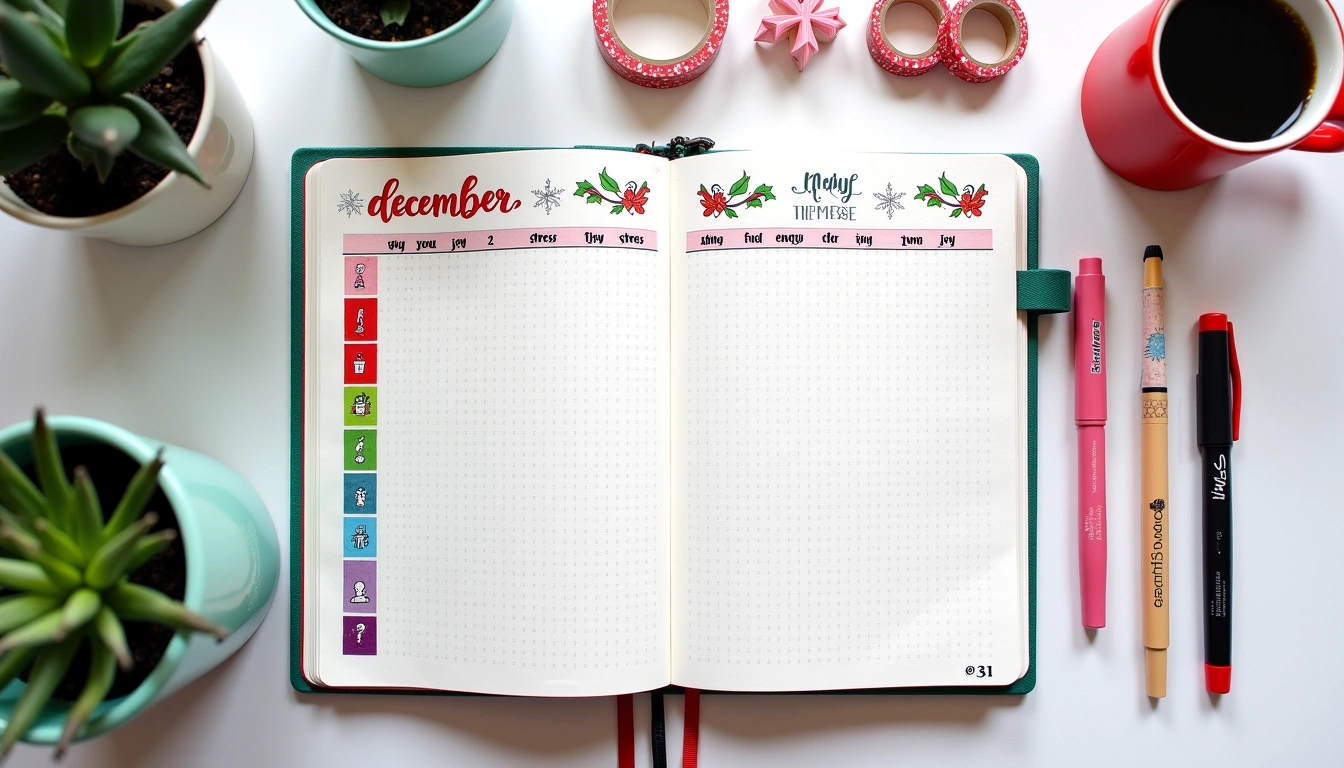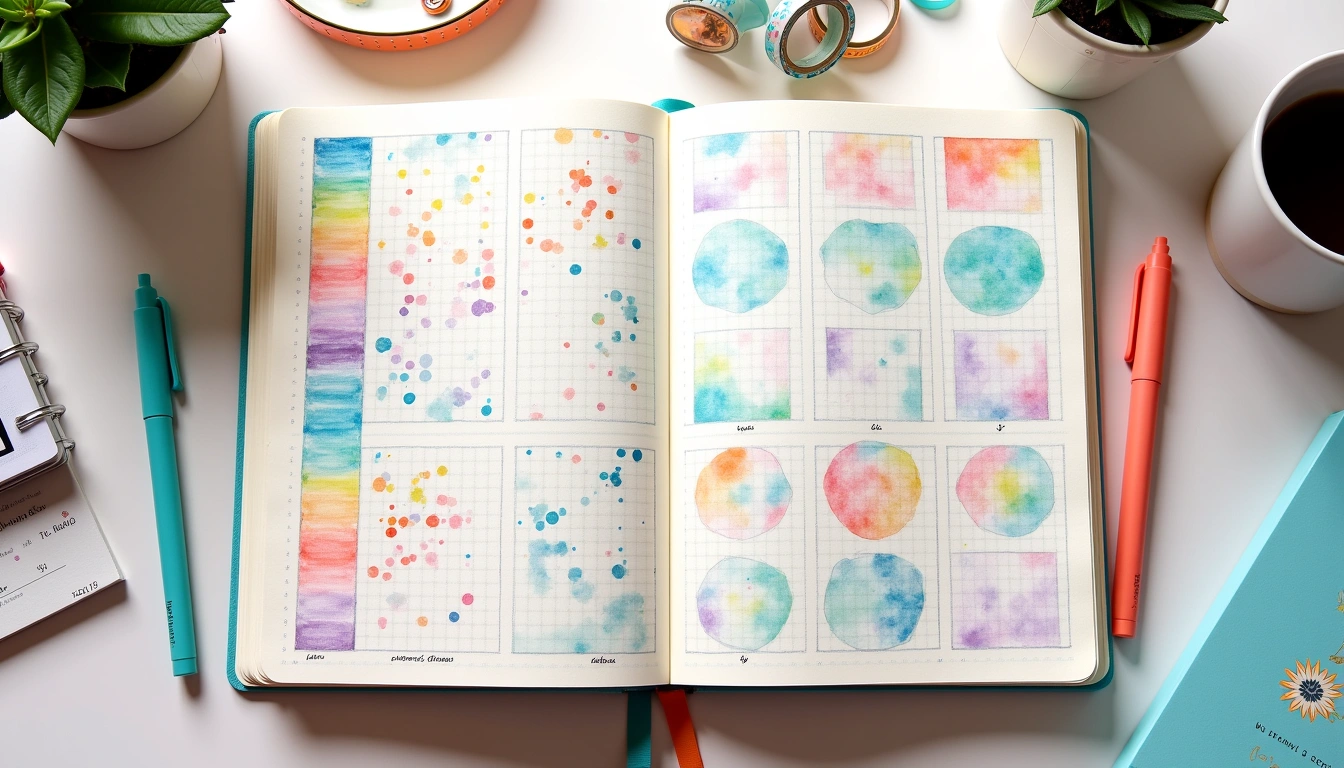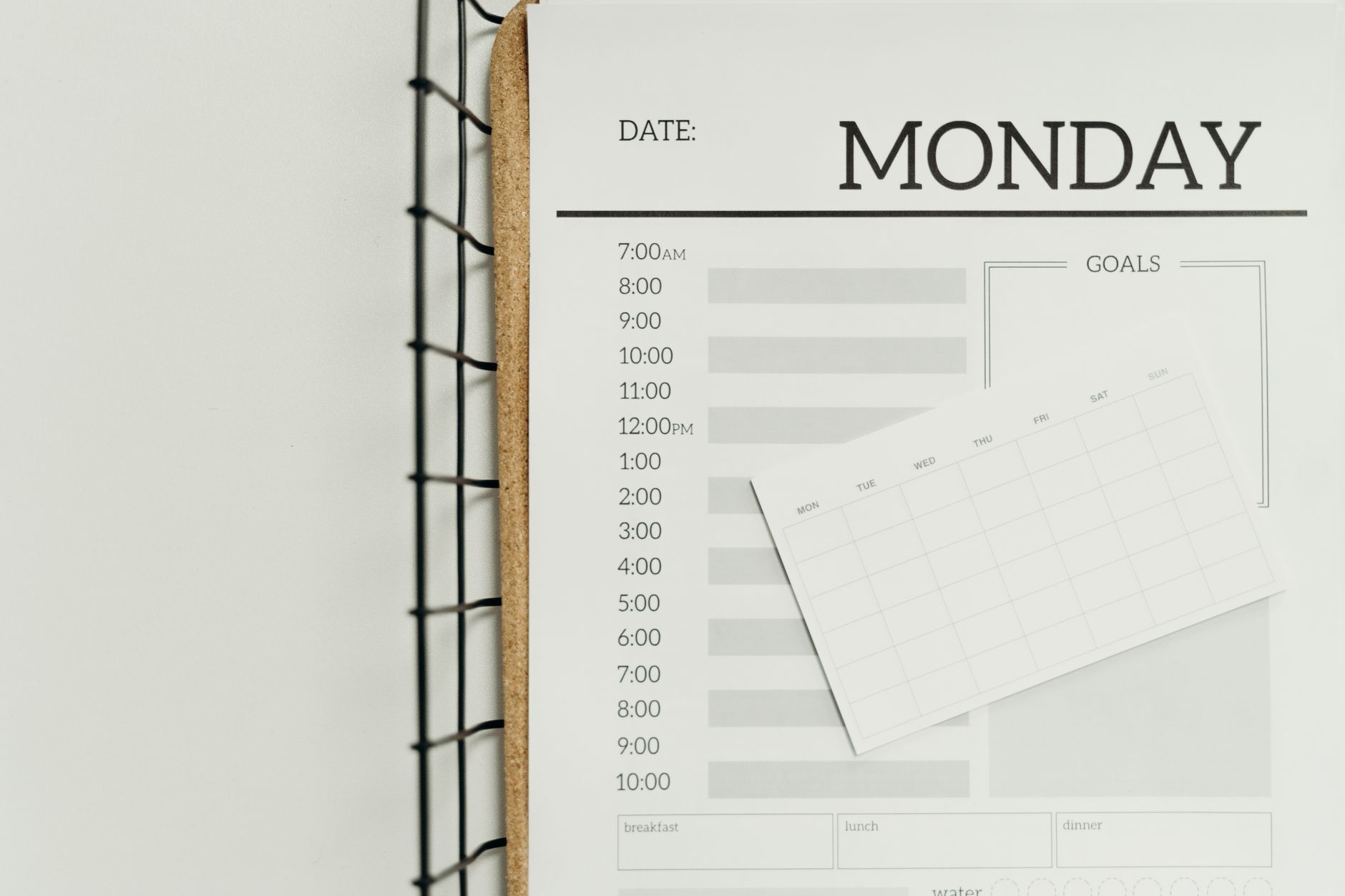
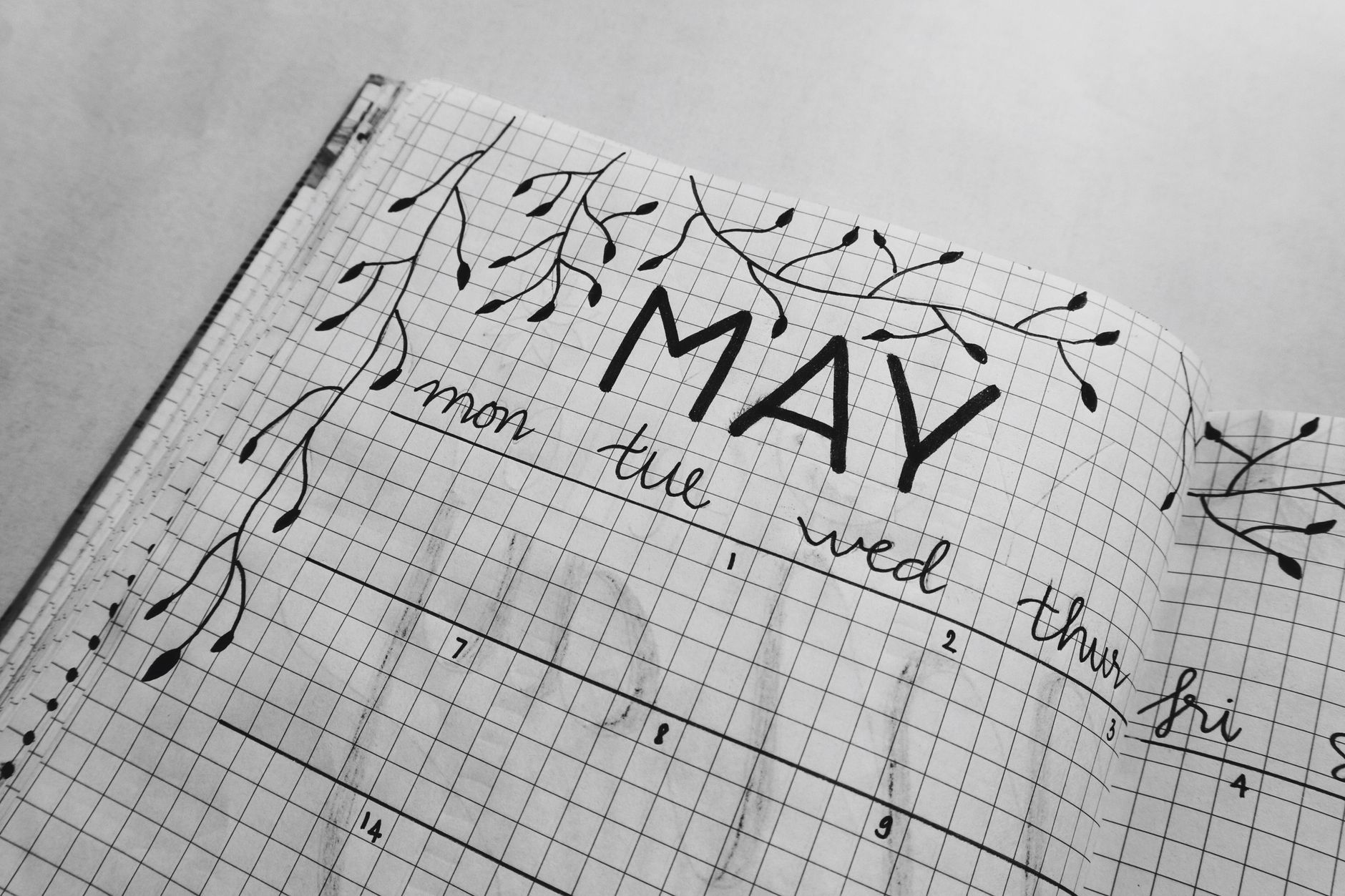
Imagine this: it’s 7 AM, and instead of a frantic scramble to find matching socks and a half-eaten granola bar, you’re sipping your coffee, eyes bright, mind clear, and ready to conquer the day. Sounds like a dream, right? For years, my own mornings were a chaotic whirlwind, fueled by lukewarm tea and a silent prayer that I wouldn't forget my keys. I’ve filled over 20 bullet journals, each one a testament to my quest for a morning routine that actually works. I’ve tried elaborate hour-long routines that left me feeling more rushed, and minimalist checklists that felt too sparse. The secret, I discovered, isn't in the complexity, but in the grid. A well-designed Morning Routine Grid Daily Planner isn't just a tracker; it’s a visual roadmap to a more focused, calm, and productive you. It’s about building momentum, one small, intentional step at a time. This isn't about perfection; it's about progress, and this simple grid can be your most powerful ally.
The Power of the Morning Routine Grid: Why a Grid Beats a List
Let's be honest, a simple to-do list can feel overwhelming. By the time you’ve scribbled down 15 tasks, you’ve already spent 5 minutes and feel defeated. That’s where the grid format shines. Instead of a linear progression, a grid allows you to visualize your entire morning at a glance. Think of it like a mini-dashboard for your day. I’ve found that mapping out my key morning habits within a structured grid, typically about 5 inches wide by 7 inches tall, makes them feel much more manageable. For instance, I dedicate a 1-inch square to each habit. This visual separation helps my brain process the tasks more effectively, reducing that “where do I even start?” anxiety. A typical grid might have 4 columns (for habits) and 5 rows (for days of the week), creating 20 individual boxes to fill. This visual representation is incredibly satisfying as you tick off each completed item, building a tangible sense of accomplishment that a simple list just can’t replicate. My first attempt at a grid was too small, with only half-inch squares, and it felt cramped and discouraging. Learning to give each habit a little breathing room was a game-changer.
The beauty of the grid lies in its dual purpose: planning and tracking. You can pre-fill it with your desired habits or leave space to adapt daily. I often use a Tombow Dual Brush Pen in a calming blue (like 407) to outline my grid, which adds a touch of aesthetic appeal without being distracting. Then, I use a Micron 05 pen for the actual habit tracking. This contrast helps the grid stand out on the page. Studies have shown that visual cues significantly improve memory and adherence to routines. A grid acts as a constant visual reminder, nudging you towards your goals even when motivation wanes. For busy moms especially, where every minute counts, seeing your entire morning laid out in a clear, organized format can be the difference between a smooth start and a stressful rush. I find that dedicating just 10 minutes to setting up my grid at the start of the week saves me at least 30 minutes of morning fumbling throughout those 7 days.
Designing Your Perfect Morning Routine Grid: Layouts and Measurements
Creating your Morning Routine Grid Daily Planner is an exercise in personalizing your productivity. My go-to layout is a simple 4×5 grid, perfect for tracking up to 4 key habits over 5 days. I usually dedicate a full page of my A5 journal for this spread, allowing ample space. The grid itself measures approximately 6 inches across and 8 inches down, with each individual habit square being about 1.5 inches. This generous sizing prevents that cramped feeling and makes ticking off boxes a satisfying physical action. I always start by sketching out the grid lightly with a pencil, ensuring my lines are straight and the spacing is even. Once I’m happy, I go over it with my trusty Micron 05 pen. For headers, I like to use a slightly bolder pen, perhaps a Tombow Fudenosuke Hard Tip, to write the days of the week across the top and the habit names down the side. This takes about 5 minutes.
For the habit names, I keep them concise. Instead of “Drink a large glass of water,” I’ll write “Hydrate.” For “Meditate for 10 minutes,” it becomes “Meditate.” This brevity is key for quick scanning. Below the grid, I often add a small section, about 2 inches by 4 inches, for “Morning Wins” or “Notes.” This is where I jot down any positive reflections or observations from my morning. It’s a small addition, but it adds a layer of positive reinforcement. I’ve experimented with grids that include time slots, but I found it added too much pressure. My current approach focuses on the *completion* of habits, not the strict timing, which for me, as a busy mom juggling multiple schedules, is far more realistic. I also tried a circular grid once, which looked beautiful on Pinterest, but was incredibly difficult to draw neatly and even harder to track in. Stick to the squares; they’re practical for a reason!
Another fantastic layout option is a “progress bar” style grid. Instead of individual squares, you have a longer rectangle for each habit. As you complete the habit each day, you color in a portion of the bar. This can be incredibly visually motivating, especially for habits you’re trying to build consistency with. For example, if your goal is to exercise for 30 minutes daily, and you track it in 5-minute increments, you’d color in 6 segments of your progress bar each day. This spread typically takes about 15 minutes to set up initially, including the decorative elements I like to add. I’ve seen some beautiful examples using different colored Tombow markers to fill in the progress bars, creating a vibrant, eye-catching spread that’s a joy to look at and use. Remember, the goal is to create a system that inspires *you*, so don't be afraid to tweak these measurements and layouts to fit your unique needs and journaling style.
Essential Morning Habits to Track in Your Grid
Choosing the right habits to populate your grid is crucial for setting yourself up for success. It's not about cramming in every possible self-improvement trend; it's about identifying the 3-5 core activities that truly make a difference in your day. For me, as a busy mom, these are: 1. Hydrate (a full glass of water before anything else), 2. Move (15 minutes of stretching or a quick walk), 3. Mindful Moment (5 minutes of quiet breathing or journaling), and 4. Plan Day (reviewing my main priorities for the day). These four habits take me roughly 30-40 minutes in total, a realistic timeframe even on the busiest mornings. I used to include “Read for 30 minutes,” but I quickly realized that by the time I’d done the other essentials, I was already running late. It’s about prioritizing what genuinely impacts your well-being and productivity the most. This initial setup and selection process usually takes me about 20 minutes when I’m first designing a new spread.
Another excellent habit to consider is “No Phone First 30 Minutes.” This might seem challenging, but the impact on focus and calm is profound. By delaying screen time, you allow your brain to wake up naturally rather than being bombarded with external stimuli. When I implemented this, I noticed a significant decrease in morning anxiety and a greater ability to concentrate on my tasks. Other popular and effective habits include: journaling a gratitude list, preparing a healthy breakfast, tidying a specific area of the house (like the kitchen counter), or engaging in a short meditation. The key is to select habits that align with your personal goals, whether that's increased energy, reduced stress, or improved focus. I’ve found that tracking 4-5 habits is the sweet spot; any more and it starts to feel like a chore rather than a supportive tool. Remember, consistency is key, and tracking these habits daily provides that crucial visual feedback loop.
When selecting habits, think about the “why” behind each one. Why do you want to meditate? To reduce stress. Why do you want to exercise? To boost energy. Connect each habit to a larger goal. This makes the tracking process more meaningful. For example, if your overarching goal is to feel more present with your children, then a “Mindful Moment” habit directly supports that. I’ve seen many beautiful habit trackers focused on things like “drink 8 glasses of water” or “take vitamins.” While these are good, I encourage you to go deeper. How does drinking water *make you feel*? Energized? Clear-headed? Tracking the *feeling* or the *outcome* can be even more powerful than just tracking the action. This deeper reflection usually adds another 10 minutes to the planning process but yields significant long-term benefits.
Time Estimates: Realistic Morning Routine Implementation
Let’s talk brass tacks: how much time will this *actually* take? My current morning routine, built around my grid planner, takes about 40 minutes from the moment I get out of bed to when I’m ready to tackle my work or family responsibilities. This includes: 5 minutes for “Hydrate,” 15 minutes for “Move,” 5 minutes for “Mindful Moment,” and 5 minutes for “Plan Day.” The remaining 10 minutes are buffer time – for unexpected interruptions, a moment to enjoy my coffee, or simply to transition smoothly. This timeframe is entirely achievable for most people, even with packed schedules. I’ve found that by front-loading these essential activities, the rest of my day feels less pressured and more productive. The initial setup of the grid itself, as we’ve discussed, takes about 10-15 minutes at the start of the week, and then maybe 1 minute each morning to tick off the boxes. It’s a small investment for a significant return in daily calm and focus.
When I first started journaling, I tried a 90-minute morning routine. It involved waking at 5 AM, journaling for 30 minutes, meditating for 20, exercising for 40, and then a quick breakfast. While it sounded idyllic, in reality, I was constantly battling the urge to hit snooze and often felt rushed, negating the very calm I was trying to cultivate. The key takeaway was that a routine, no matter how beneficial, is useless if it’s not sustainable. My current 40-minute routine is built on realism. It’s about finding that sweet spot where you get the most impact for the time invested. I’ve found that dedicating 15 minutes to movement is far more beneficial than trying to squeeze in 45 minutes and feeling exhausted. It’s about quality over quantity. This revised approach took me about 30 minutes to plan and implement initially, including adjusting my journal layout.
Consider the ripple effect. That 40-minute investment in your morning can positively impact the remaining 16 hours of your day. Studies by organizations like the American Psychological Association suggest that consistent morning routines can reduce stress levels by up to 25% and improve task completion rates by 15-20%. These aren't just abstract numbers; they translate to real-life benefits like feeling more patient with your children, having more energy for household chores, and being more creative in your work. The key is to be honest with yourself about what time you can realistically commit. Even 20 minutes dedicated to a few key habits can make a world of difference. I often recommend starting with just 2-3 habits and a 15-20 minute timeframe, gradually increasing as you build momentum. This gradual approach has a much higher success rate than trying to overhaul your entire morning at once.
Making it Pinterest-Worthy (Without the Pressure!)
Let’s face it, we all love a beautifully curated Instagram feed or Pinterest board. The good news is, you can absolutely have a gorgeous, inspiring Morning Routine Grid Daily Planner without succumbing to perfectionism. The key is to incorporate simple decorative elements that bring you joy, not stress. I love using my Tombow Dual Brush Pens for a pop of color. After I’ve drawn my grid with my Micron 05, I’ll often add a colored border around the entire spread using a soft pastel shade, like a light pink (Tombow 761) or a mint green (Tombow 243). This takes less than 2 minutes but instantly elevates the look. I also occasionally use a simple stencil for a small decorative element, like a sprig of leaves or a star, in one of the corner boxes. This adds visual interest without requiring artistic skill.
Another easy way to add visual appeal is through lettering. Instead of just writing “Morning Routine,” I’ll use a brush pen like the Tombow Fudenosuke to create slightly more stylized lettering, perhaps with a subtle shadow effect. This adds a personal touch and makes the spread feel more intentional. Washi tape is also a fantastic, low-effort way to add flair. A strip of decorative washi tape along the top or bottom edge of the spread can tie the whole page together. I usually spend about 5-7 minutes on decorative elements when setting up my weekly spread, and it makes the act of using my planner so much more enjoyable. Remember, the goal isn't to replicate a professional graphic designer’s work; it’s to create a space that feels inviting and motivating *to you*. Your journal is a personal sanctuary, not a public exhibition.
I once spent over an hour trying to replicate a complex floral border I saw on Pinterest for my routine grid. It looked… okay. But the time spent felt disproportionate to the benefit, and honestly, it made me feel a bit stressed every time I looked at it, remembering the effort. Now, I focus on simple, repeatable elements. A few colored dots, a single decorative word, or a clean line of washi tape. These small touches are impactful and achievable in under 5 minutes. Embrace the imperfections! A slightly wobbly line or a smudge of ink can add character. The most “Pinterest-worthy” spreads are often those that feel authentic and lived-in, not sterile and perfect. Focus on functionality first, then add those little touches that make your heart sing. This approach ensures your planner is both a powerful productivity tool and a source of daily joy.
Troubleshooting Your Morning Routine Grid
Even with the best intentions and a beautifully designed grid, things can go off track. Don't despair! Troubleshooting is a normal part of the process. One common issue is feeling overwhelmed by the number of habits. If you find yourself consistently failing to tick off more than 2-3 habits, it's a sign to simplify. Re-evaluate your list and consider dropping one or two for a week or two. Perhaps “Meditate for 10 minutes” is too ambitious right now; try “Deep Breaths for 1 Minute” instead. I had this problem when I first tried to implement a “read for 20 minutes” habit. I realized that by the time I'd done my other essential tasks, I was already mentally drained and just wanted to scroll on my phone. I swapped it for “Listen to a podcast for 10 minutes while making breakfast,” which was far more achievable and still provided mental stimulation. This adjustment took me about 15 minutes to reflect on and implement in my journal.
Another hurdle is inconsistency. Some days you’ll nail it, others you’ll sleep through your alarm or face an unexpected crisis. This is where self-compassion comes in. Don't let one missed day derail your entire week. Simply pick up where you left off the next day. The grid is a tool for progress, not perfection. If you miss an entire week, don't throw your journal away! Just start fresh on Monday. I’ve had weeks where my grid remained almost entirely blank, and it felt discouraging. But instead of giving up, I used it as a data point. Why did I miss so many days? Was I overtired? Did something external disrupt my schedule? Understanding the ‘why' helps you adjust your routine for the future. This reflection process might take 20-30 minutes, but it’s invaluable for long-term success.
Finally, if your grid feels boring or unmotivating, it’s time for a refresh. Perhaps you need to add more color, try a different layout, or swap out a habit that no longer serves you. Maybe you need to incorporate more positive affirmations or a “wins” section. I found my routine felt stale after about 6 weeks, so I decided to try a different color palette using my Tombow markers and added a small doodle space in the corner of each day. This took about 25 minutes to implement and completely revitalized my enthusiasm for the spread. Remember, your Morning Routine Grid Daily Planner is a living document. It should evolve with you. Don't be afraid to experiment and adjust until you find what truly sparks joy and drives productivity in your mornings. The most successful routines are flexible and adaptable to life's inevitable changes.
Frequently Asked Questions about Morning Routine Grids
How many habits should I track in my Morning Routine Grid?
It's best to start with 3-5 core habits. Too many can feel overwhelming and lead to burnout, while too few might not provide enough structure. Focus on habits that have the biggest positive impact on your day, such as hydration, movement, mindfulness, or planning. Consider the time commitment for each habit and ensure your total routine is realistic for your current schedule. For example, if you only have 30 minutes, aim for 3 habits that take about 10 minutes each, rather than 5 habits that take 20 minutes each. The goal is sustainable consistency, not cramming everything in.
Can I use a digital planner for my Morning Routine Grid?
Absolutely! Digital planners are a fantastic option for creating Morning Routine Grids. Apps like GoodNotes, Notability, or specialized digital planning apps allow you to create grids, track habits, and even use digital stickers for decoration. The advantage is the ease of duplication and editing. You can create templates that you reuse weekly or monthly. Many people find the tactile experience of pen on paper more engaging for journaling, but digital offers incredible flexibility and portability. If you're already comfortable with digital tools, a digital grid planner can be just as effective, if not more so, for tracking and analysis.
What if I miss a day (or several days) of tracking?
Don't let missed days discourage you! The beauty of a grid planner is its forgiving nature. If you miss a day, simply start again the next day. Don't try to fill in the missed boxes retroactively, as this can create a false sense of accomplishment and doesn't reflect reality. Instead, view missed days as opportunities for learning. What caused the disruption? Was it lack of sleep, an unexpected event, or a habit that was too difficult to maintain? Use that information to adjust your routine or expectations moving forward. The goal is progress over perfection, and consistency over time is what truly matters.
Related Posts




Your Weekly Dose of Inspiration
Journaling ideas, family tips, and gentle inspiration.