Disclosure: This post contains affiliate links. If you click through and make a purchase, we may earn a small commission at no extra cost to you. Thank you for supporting this site!
How to Start a Bullet Journal That Actually Sticks: A Lifestyle Guide for Beginners
Why the bullet journal Method Works for a Chaotic Lifestyle
- Understand the core philosophy: rapid logging, mindfulness, and intentionality — not artistic perfection.
- Discover how a single notebook replaces multiple apps, planners, and sticky notes to reduce mental clutter.
- Learn why the “migration” feature helps you separate what matters from what's just noise.
Pick Your Gear Without Overthinking It
- Choose a notebook with dot-grid pages (A5 size) and 100+ GSM paper to prevent ghosting with most pens.
- Start with one pen you already own — a fine-tip rollerball or gel pen works perfectly for your first month.
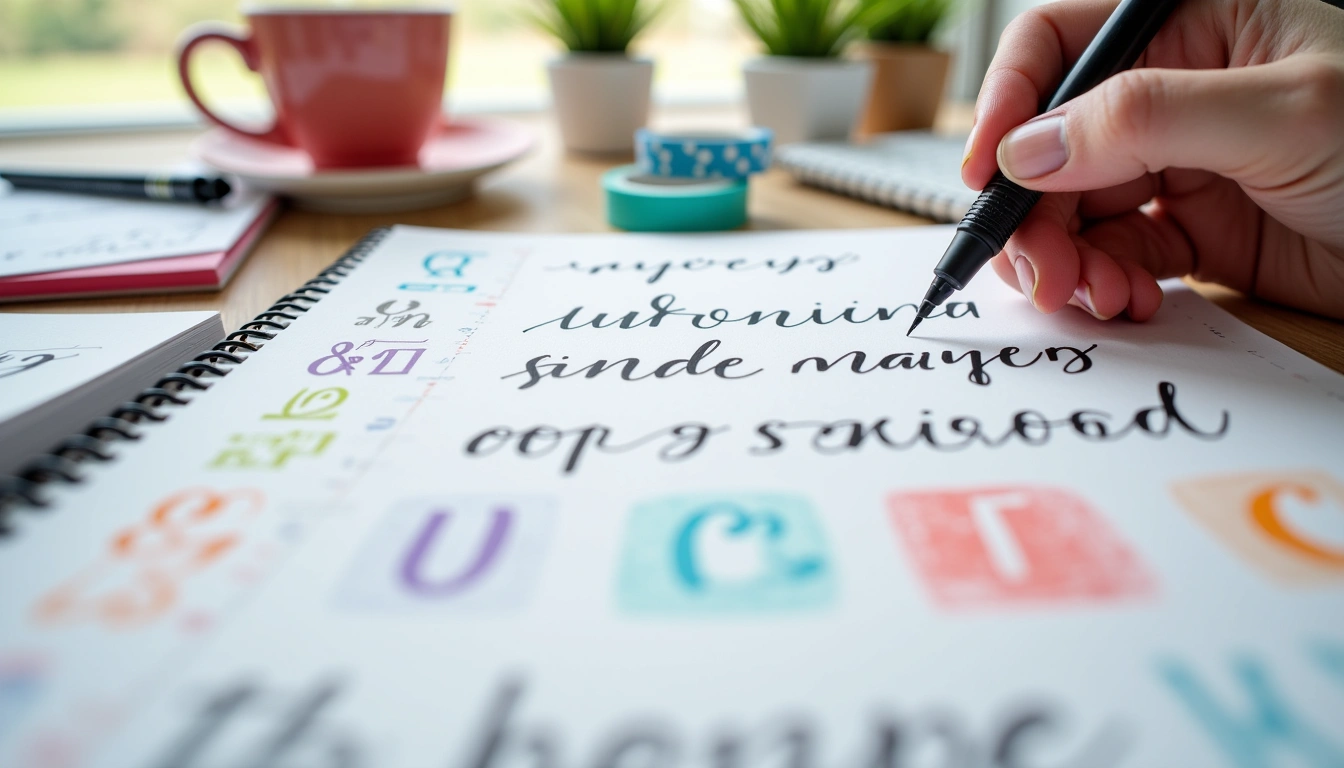
- Resist the urge to buy washi tape, stickers, or fancy markers until you've built the habit for at least two weeks.
Set Up Your Core Collections in 20 Minutes
- Create an “Index” (2–4 pages) where you number every page and log what's on it — this is your command center.
- Build a simple “Future Log” using 6 boxes (one per month) to capture events, deadlines, and goals 6 months out.
- Design a “Monthly Log” with a calendar page + a task list page — no decorations, just function.
Master the Daily Rapid Logging System
- Use only three signifiers: a dot (·) for tasks, a dash (–) for notes, and a circle (○) for events — keep it consistent.
- Migrate incomplete tasks at the end of each month: rewrite only what still matters; cross out or strike through the rest.
- Add one daily “gratitude or highlight” bullet as a private note to anchor your day in something positive.
Add Lifestyle Collections That Actually Support Your Goals
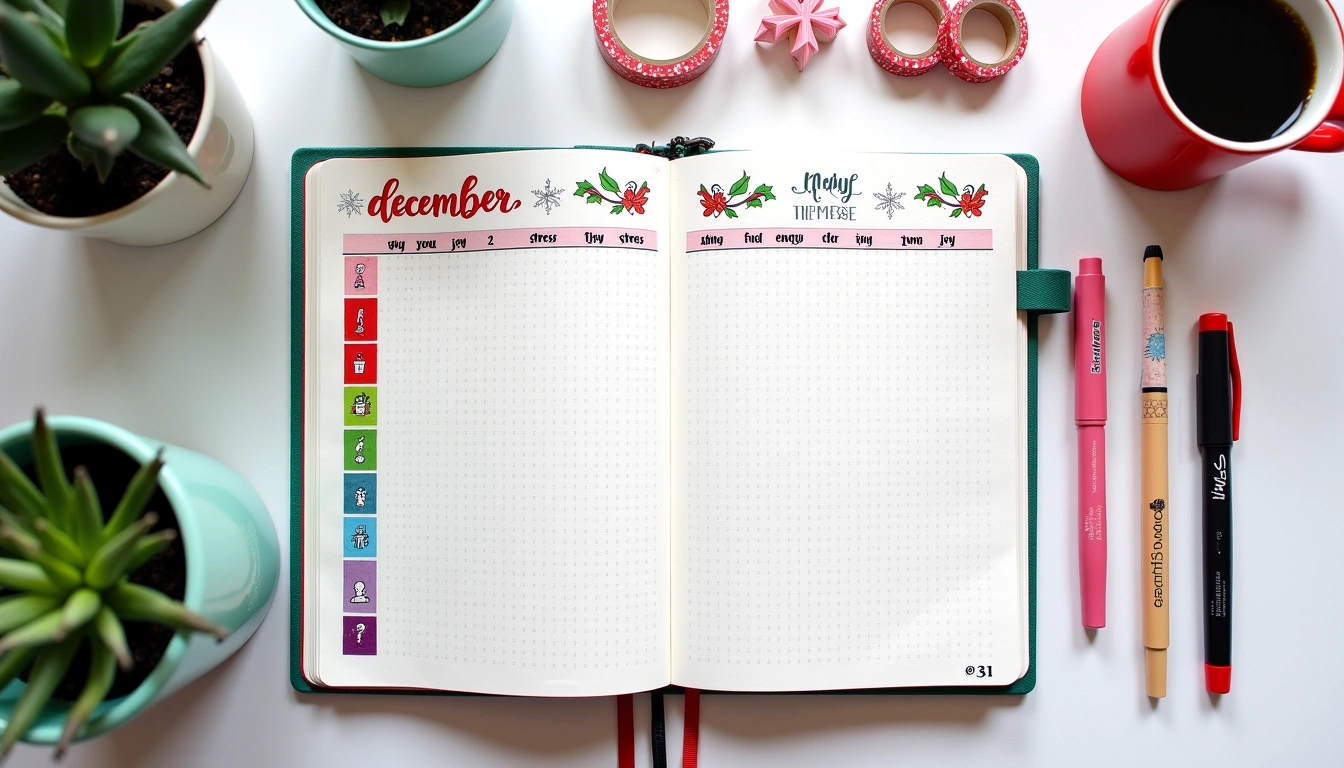
- Track habits with a simple monthly grid (rows = habits, columns = days) — limit yourself to 5 habits maximum per month.
- Create a “Brain Dump” page for random ideas, worries, and reminders so they stop circling in your head.
- Build a “Books & Media” log or a “Weekly Meal Grid” only if you'll realistically use it — one collection at a time.
Design a Quick Weekly Spread (If Daily Logs Feel Too Loose)
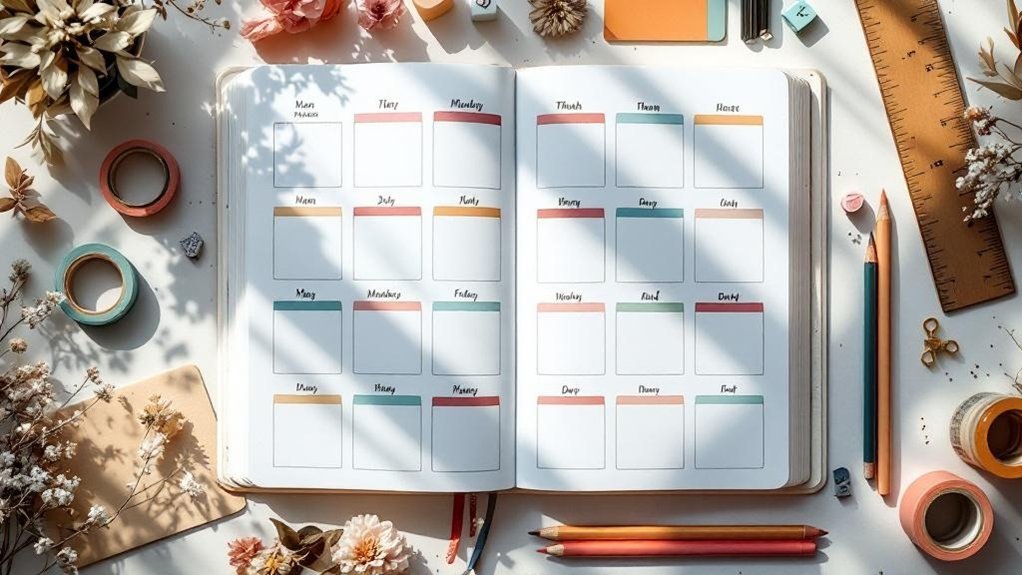
- Divide a two-page spread into 7 narrow columns (one per day) plus a small “Next Week” area on the right edge.
- Reserve the top row for your top 3 priorities each day — everything else goes in a running task list below.
- Use a simple highlight or a bracket to group tasks by category (work, home, health) without color-coding.
Review and Adapt Your System Every Month
- Schedule a 15-minute “monthly review” where you flip through the past month and migrate only what's still relevant.
- Ask yourself: “Which spread did I actually use? Which one felt like a chore?” — then drop the chore.
- Experiment with one small tweak per month (

Related Posts
Related Posts
Your Weekly Dose of Inspiration
Journaling ideas, family tips, and gentle inspiration.