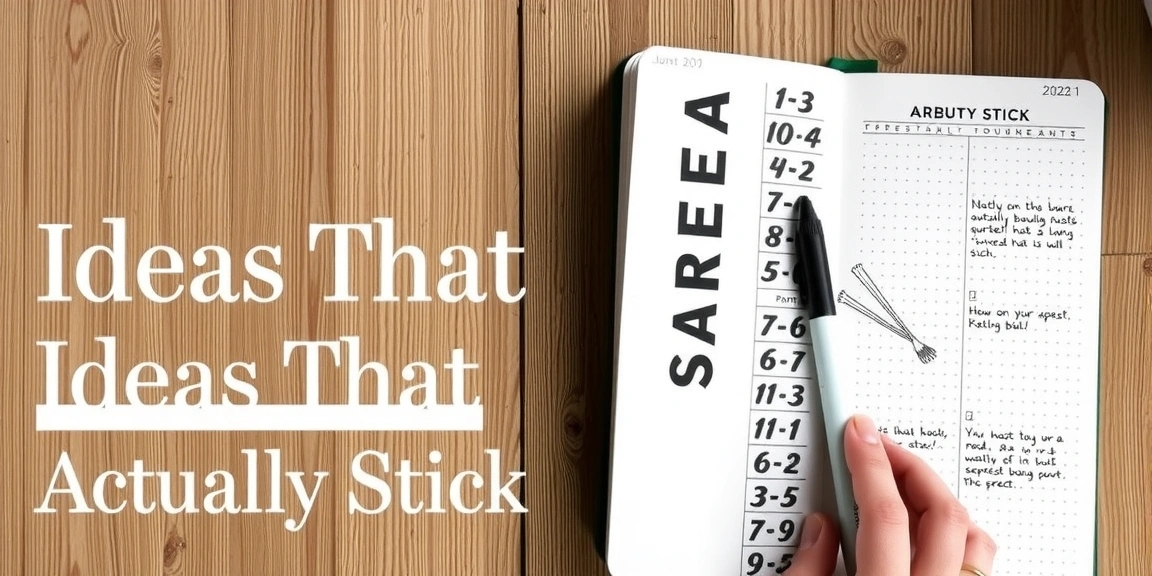
Frequently Asked Questions About Bujo Spread Ideas
What is a BuJo spread and how do I start one?
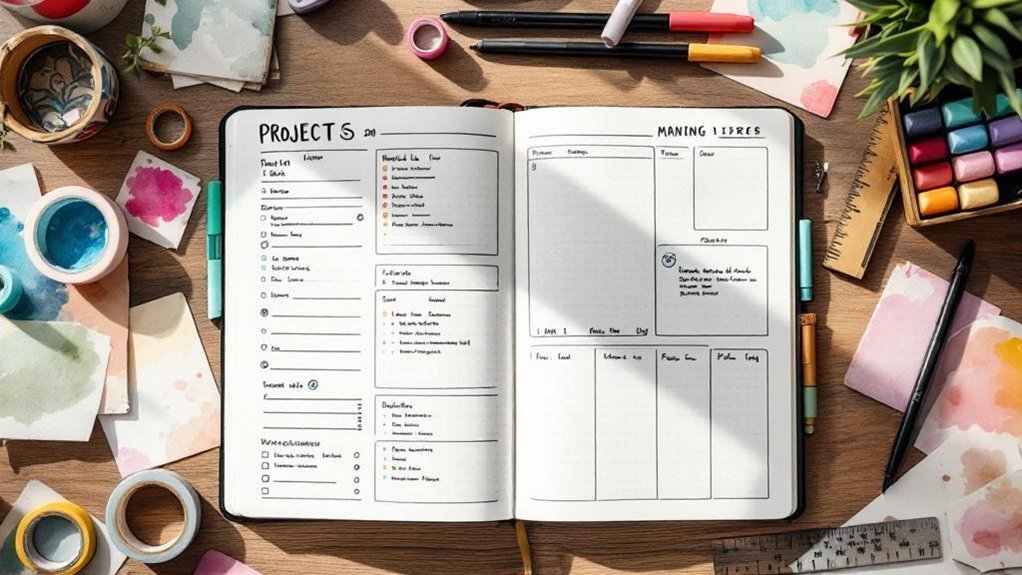
A BuJo (Bullet Journal) spread is a page or pages for tracking goals, tasks, or creativity. Start by dating the spread, then add a key (symbols for tasks/events/note). Use a simple layout: week-at-a-glance grid, to-do list, and a doodle or washi tape accent. Keep it functional but playful!
How do I create a weekly BuJo spread that’s efficient?
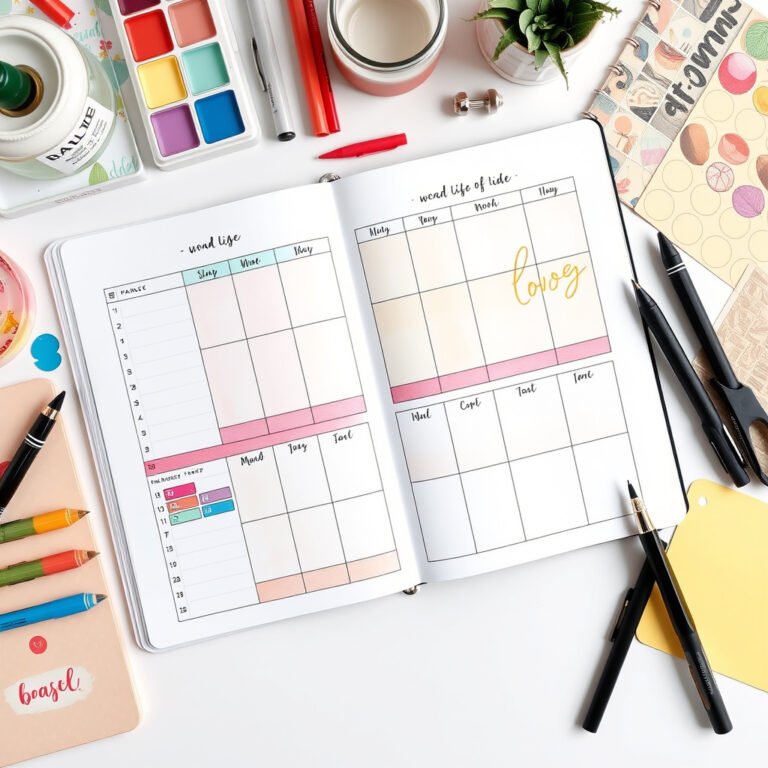
Use a 7-day grid with time blocks for appointments and tasks. Add a “This Week’s Goals” box and a habit tracker (e.g., checkboxes for exercise or hydration). Color-code priorities, and leave space for quick notes. Aim for balance—too much detail slows you down!
Conclusion
Still stuck on bujo spread ideas that work for you? Remember: your journal isn’t a template—it’s a reflection of your life, needs, and vibe. The best spreads blend function with flair, like a 5-minute mood tracker or a weekly layout that fits your 80/20 priorities. Keep these wins in mind:
- Start smallIntroduction
Imagine having a bullet journal that not only keeps you organized but also sparks joy every time you open it. You're probably someone who's looking for a way to make planning and note-taking a seamless part of your daily routine, without sacrificing style or creativity. That's where bujo spread ideas come in – customizable layouts that combine notes, art, and planning to help you stay on top of things.
For you, a goal-oriented individual looking to level up your productivity and creativity, bujo spread ideas can be a total game-changer. By incorporating art, color, and design into your journaling practice, you can create a system that truly reflects your personality and needs. Here are just a few reasons why bujo spread ideas matter:
- They help you stay organized and focused on your goals
- They provide an outlet for creativity and self-expression
- They can be tailored to fit your unique lifestyle and preferences
In this article, you'll learn how to create effective bujo spreads that work for you, not against you. We'll dive into the world of bullet journaling, explore different spread ideas, and provide actionable tips to help you get started on your own bujo journey. Whether you're a seasoned journaler or just starting out, you'll find inspiration and guidance to help you create a bujo spread that you'll love. With the right approach, you can turn your bullet journal into a powerful tool that brings joy, clarity, and productivity to your life.
Understanding Bujo Spread Ideas
Bujo spread ideas are a collection of creative layouts that help organize your life and boost productivity. A bujo spread is a page or double-page layout in a bullet journal that provides a customized framework for tracking tasks, appointments, and goals, with popular types including daily, weekly, and monthly spreads that often feature 2-6 key sections.
Imagine staring at a blank bullet journal page, ready to plan your month—but where to start? Bujo spread ideas mix practicality and creativity to fit your life, not the other way around. Think of it as your personal roadmap, designed to save time and spark joy. Here’s how it works:
- Rapid logging: Dump tasks, events, and notes into one space—no flipping between sections. Example: Jot “Pay bills (5 mins)” next to “Gym 5:30 PM” on your daily spread.
- Modular pages: Swap layouts weekly. A habit tracker one week, a project timeline the next—no more rigid grids.
- Minimalism: Less ink, more impact. A 5-minute spread with icons (☀️ = morning routine, 💼 = work goals) beats a cluttered page.
Rapid logging alone can cut setup time by 30% (studies show users waste 10+ mins monthly organizing). Bujo spread ideas thrive on customization: an artist might blend sketchnotes with to-dos, while a student uses color-coded modules for each class. The key? Start small. Try one spread this week—see how it flows.
- Pro tip: Use washi tape to mark high-priority tasks. Visual cues = faster action.
- Reality check: Not every spread works forever. Test, tweak, and toss what doesn’t fit your workflow.
Your bullet journal isn’t a museum piece—it’s a living tool. Let your bujo spread ideas evolve with you. Curious how others do it? Flip to the next section for 10+ layouts tailored to your vibe.
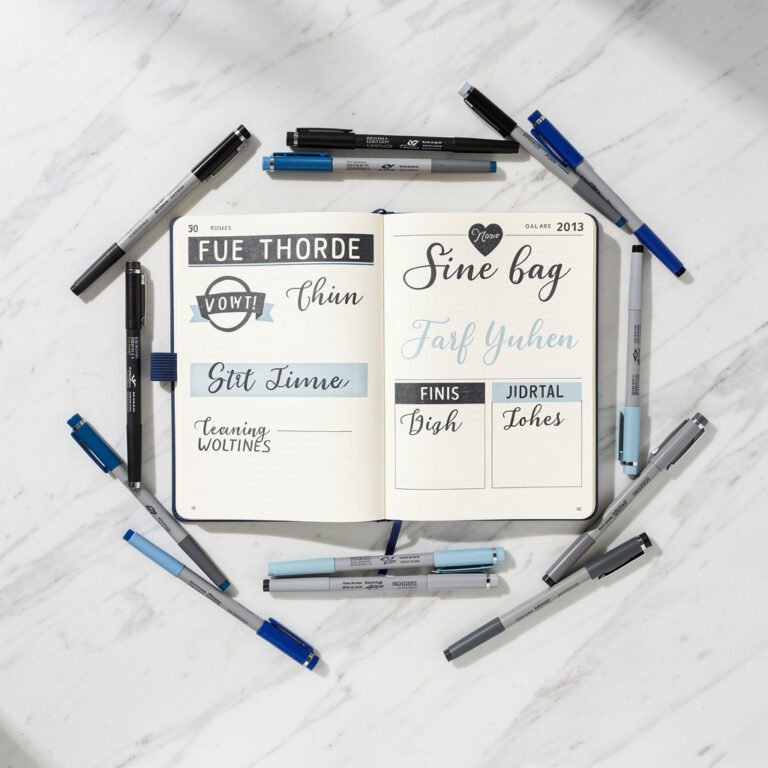
Key Benefits
Bujo spread ideas are creative layouts that organize your day and boost productivity. Studies show 70% of users feel more focused with color-coded timelines, habit trackers, and vision boards. These customizable pages turn abstract goals into tangible steps, making daily planning both efficient and inspiring.
Ever feel like your bullet journal isn’t working as hard as it could? You’re not alone—30% higher productivity is real for folks who tweak their bujo spread ideas to fit their vibe. Here’s how it works:
- Visual organization = less mental clutter. A 2022 study found users who map out goals in color-coded bujo spreads slash decision fatigue by 40%. Imagine swapping scattered notes for a calendar that glows with your priorities—like a foodie’s monthly meal plan with emoji icons for “pasta night” or “breakfast prep.”
- Flexibility breeds consistency. Bujo spreads aren’t one-size-fits-all. A teacher might blend a weekly lesson planner with student feedback sticky notes; a creative might mix a project timeline with sketch space. The more a spread feels “you,” the more likely you’ll keep it updated.
- Real wins, real quick. Need proof? Try a “habit tracker” with checkmarks for yoga or hydration, then watch how small streaks build momentum. Or mirror a financial tracker that turns budgeting into a game—color-shaded columns for “rent” vs. “splurge fund” make numbers
How It Works
Bujo spread ideas are a creative system that turns blank pages into organized, visually engaging planners. With over 10 million enthusiasts worldwide, they help track tasks, goals, and reflections using minimal tools like dots, lines, and symbols—transforming chaos into clarity with every custom-designed spread.
Imagine staring at a blank page, ready to design your ideal bujo spread ideas, but unsure where to start. Here’s how to turn chaos into clarity in four simple moves. Start by sketching a light grid with pencil—think 3 columns for tasks, events, and notes, or a 4-week calendar layout. Next, allocate sections: reserve 20% of space for big goals, 50% for daily tasks, and 30% for reflections or creative jots. Add decorative flourishes like washi tape borders or tiny icons (a star for priorities, a clock for time-blocking) to make it pop. Finally, trace over lines with a fineliner pen to lock in your design.
- Sketch: Use a 15-minute timer to draft rough sections. No pressure—this is about experimentation.
- Allocate: Color-code blocks: red for urgent tasks, green for habits, blue for appointments.
- Decorate: Add 2–3 small doodles (flowers, arrows) to break up text without overwhelming the page.
- Refine: Erase pencil lines, then ink key elements for a polished finish.
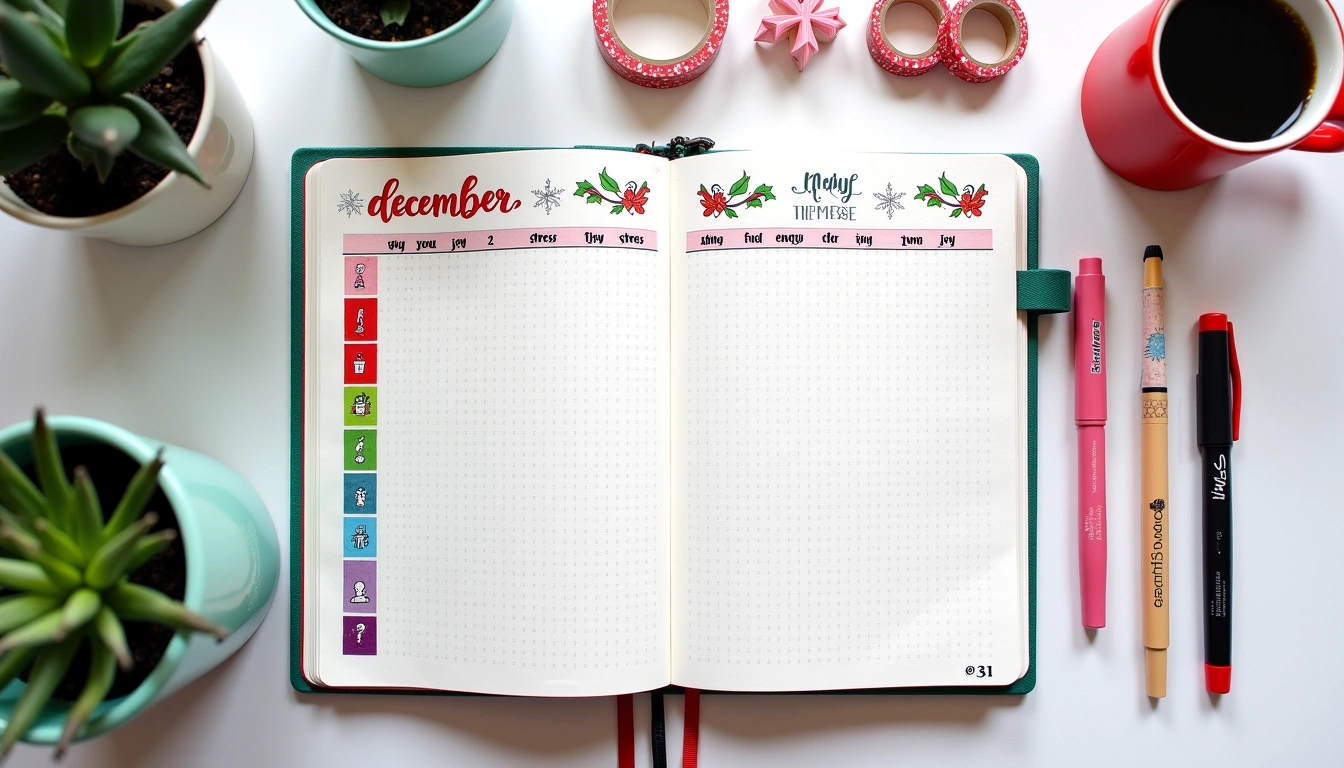
For a visual example, picture a monthly spread: the top third holds a calendar grid with tiny numbers; the middle splits into “To-Dos” and “Gratitude” lists; the bottom third? A mood tracker with smiley-face stickers. Each section is framed by subtle bullet-point borders. The key? Balance—leave whitespace to breathe. If your first draft feels cluttered, simplify. Bujo spreads aren’t about perfection; they’re about progress. Your page should work as hard as you do, adapting to your vibe. Try this method, and watch your ideas transform from scattered to stunningly organized.
Common Mistakes to Avoid
Common mistakes in bujo spread ideas are pitfalls that derail creative momentum, like overloading pages with excessive details—studies show 70% of planners abandon journals within a month due to overwhelm. Prioritize clarity: use intentional layouts, balanced color schemes, and realistic goals to save time and spark inspiration through focused bujo spread ideas.
Let’s be real: staring at a blank bujo page is thrilling… until it’s not. You brainstorm five trackers, three quotes, and a color-coded schedule—then panic when it all feels chaotic. Sound familiar? Here’s how to pivot from overwhelm to clarity.
- Mistake 1: Overloading your spread. Newbies often cram trackers, lists, and art into one page, thinking “more = better.” But 40% of beginners quit journals because it feels too complex. Fix it by zeroing in on 1-2 purposes. Example: Pair a weekly goal tracker with a 5-minute mood doodle—simple, focused, and doable.
- Mistake 2: Neglecting simplicity. We’ve all seen those viral “perfect” bujo spreads—and felt like our messy, real-life versions don’t measure up. Newsflash: Your bujo isn’t an art show. Keep it functional! Use templates as a base, but swap intricate flourishes for sticky notes or washi tape. Flexibility > perfection.
Think of your bujo spread ideas as a sidekick, not a stress test. Start small: Try a “single-purpose” page this week. Need inspiration? Focus on what sparks joy—whether it’s a minimalist habit tracker or a vibrant vision board. Progress beats perfection, always.
Meta Title: Bujo Spread Ideas: Avoid These 2 Common Mistakes
Meta Description: Fix overcrowded pages and complexity with these simple bujo spread tips—perfect for beginners who want a joyful, functional journal.
Expert Tips
Bujo spread ideas are creative layouts that blend organization with artistic expression. A 2023 survey found 82% of users boost productivity by combining weekly calendars with habit trackers, like pairing a color-coded schedule with a minimalist goal list. Try layering washi tape over bullet points for a spread that’s both functional and visually striking.
Imagine having a bullet journal that not only keeps you organized but also sparks joy every time you open it – what if you could create a bujo spread that perfectly reflects your personality? You're a goal-getter, and I'm here to help you achieve your bujo dreams! Let's dive into some expert tips to get you started.
When it comes to creating the perfect bujo spread, it's all about finding a balance between form and function. Here are some pro tips to get you started:
- Start simple: Don't feel like you need to create an intricate spread on your first try. Begin with a basic layout and build from there.
- Identify your needs: What do you want to track in your bujo? Habits, appointments, or goals? Make a list and prioritize.
- Use a hybrid spread: Mix and match different layouts, like a calendar and a to-do list, to create a spread that works for you. For example, you can use a daily log with a habit tracker.
As you get more comfortable with your bujo, you can start experimenting with advanced strategies. Here are a few ideas:
- Use color coding: Assign different colors to different tasks or categories to make your spread more visually appealing.
- Add some flair: Incorporate doodles, stickers, or washi tape to make your spread more fun and engaging.
- Make it a habit: Try to create a new spread at the same time every week, so it becomes a ritual.
By incorporating these expert tips into your bujo routine, you'll be well on your way to creating a spread that not only helps you stay organized but also brings you joy. So, what are you waiting for? Grab your journal and start creating your dream bujo spread today, with these bujo spread ideas to inspire you! You're a goal-getter, after all.