
- Why Traditional Planners Fail the ADHD Brain
- The Brain Dump Spread: Your Mind's Overflow Valve
- Time Blocking That Works with Your Brain, Not Against It
- The Low-Effort Daily Log (No Fancy Calligraphy Required)
- The “Just Three Things” Priority Spread
- Habit Tracking Without the Guilt
- The Weekly Review That Actually Sticks
- 1. Can a bullet journal really help with ADHD if I've failed with other planners?
- Related from our network
- Related Posts
Disclosure: This post contains affiliate links. If you click through and make a purchase, we may earn a small commission at no extra cost to you. Thank you for supporting this site!
If you have ADHD, you've likely experienced the familiar cycle: buy a beautiful planner, use it religiously for three days, then abandon it to the dark corner of your desk. It's not your fault—traditional planners were designed for neurotypical brains that naturally chunk time, prioritize tasks, and follow linear systems. The Bullet Journal, however, is different. Its modular, flexible nature makes it uniquely suited for the ADHD brain. Instead of forcing you into a rigid structure, it adapts to how you actually think: non-linear, creative, and bursting with ideas that need a landing pad. In this guide, we'll explore ADHD-friendly bullet journal layouts that work with your brain's wiring, not against it. From brain dumps to time blocking, these spreads are low-pressure, low-effort, and designed to help you focus without the overwhelm. Say goodbye to planner shame and hello to a system that actually sticks.
Why Traditional Planners Fail the ADHD Brain
Conventional planners are built on assumptions that don't hold up for neurodivergent minds. They expect you to know exactly what you'll be doing at 2 PM next Tuesday, to estimate task durations accurately, and to maintain consistent motivation over weeks. For someone with ADHD, these expectations can feel like trying to fit a river into a garden hose. The rigid hourly grids and lengthy to-do lists create visual overwhelm, triggering decision paralysis and avoidance. Instead of helping you organize, they become another source of stress.
The Bullet Journal's “rapid logging” method sidesteps these pitfalls. It doesn't require you to pre-plan every hour or commit to a fixed layout. You start with what you need today, and the system grows with you. This flexibility is a game-changer for ADHD because it reduces the cognitive load of planning. You're not managing a planner; you're managing your life, one simple note at a time. Key differences that make the Bullet Journal ADHD-friendly include:
- No commitment to a pre-printed format: You design spreads as you need them, so there's no wasted space or guilt over empty pages.
- Rapid logging is quick and low-stakes: Short, bulleted entries reduce the pressure of writing perfect sentences.
- Migration keeps tasks alive: Unfinished tasks move forward, so nothing gets lost—a lifesaver for the forgetful brain.
- Visual freedom: Use colors, doodles, or stickers to make information pop without needing artistic skills.
The Brain Dump Spread: Your Mind's Overflow Valve
One of the most powerful ADHD tools is the brain dump—a dedicated spread where you offload every thought, worry, task, and idea without judgment. For the ADHD brain, which often feels like a browser with 47 tabs open, this is pure relief. Start by creating a simple two-column layout: one for “Urgent” and one for “Someday/Maybe.” Or go freestyle with a single page titled “My Brain Right Now.” The key is to write everything down, no matter how small or random. This clears mental RAM and makes room for focused thinking.
To make your brain dump actionable, follow it with a quick categorization step. Use symbols or colors to mark items as tasks (T), events (E), or notes (N). Then, pick just three items to tackle first. This prevents the common ADHD trap of trying to do everything at once. You can also create a “Worry Box”—a small section where you write down anxious thoughts. Seeing them on paper often reduces their power. The brain dump isn't a one-time thing; make it a weekly or even daily ritual. It's the foundation of every other layout because it starts with where you are, not where you think you should be.
- Keep it ugly: No need for perfect handwriting or decorations. Function over form.
- Set a timer: Give yourself 5-10 minutes to dump everything. When the timer rings, stop.
- Use a separate notebook if needed: Some people prefer a “scratch” notebook for brain dumps and a cleaner journal for final spreads.
Time Blocking That Works with Your Brain, Not Against It
Time blocking is a popular productivity method, but typical versions can feel suffocating for ADHD. The fix is to use “flexible time blocks” instead of rigid hourly slots. In your Bullet Journal, draw a simple timeline for your day, but leave generous gaps between blocks. For example, block out “Morning Focus” from 9-11 AM, but don't assign specific tasks until the block starts. This honors your brain's need for autonomy while providing gentle structure. Use different colors for different types of blocks: deep focus, shallow work, breaks, and buffer time.
Another ADHD-friendly twist is the “Task-Based Time Block.” Instead of blocking time, block tasks. Write down one task and estimate how long it might take (double it for ADHD realism). Then, create a small progress bar next to it. When you start, color in the bar as you work. This visual progress tracker taps into the dopamine reward system, making it easier to stay engaged. Pair time blocking with a “Transition Ritual”—a 2-minute activity (like stretching or deep breathing) between blocks to reset your focus. These small tweaks turn time blocking from a rigid cage into a supportive framework.
- Start with one block: Don't plan your whole day. Just block out your most important 2-hour window.
- Use visual cues: Draw a small clock icon next to each block to reinforce the time commitment.
- Include “Do Nothing” blocks: Schedule 15-30 minutes of unstructured time to prevent burnout.
The Low-Effort Daily Log (No Fancy Calligraphy Required)
The daily log is the heart of the Bullet Journal, and for ADHD, it should be as simple as possible. Forget elaborate headers or daily spreads. Use a running log format: just date the page and start writing. Each entry is a bullet point—a dash for a note, a circle for an event, a dot for a task. When a task is done, mark it with an X. If it's migrated, draw an arrow. This system requires zero setup and zero artistic skill. It's pure function, and that's exactly what the ADHD brain needs when motivation is low.
To prevent the daily log from becoming a chaotic mess, use a few simple hacks. First, keep a “Priority Star” next to your top 1-3 tasks for the day. Second, use the “Right Margin Method”: reserve the right inch of the page for random thoughts or distractions that pop up. When you notice yourself going off-track, write the distraction in the margin and return to your main list. This validates the distraction without letting it derail you. Finally, limit your daily log to one page. If you fill it, great—start a new page tomorrow. No guilt, no pressure, just a simple system that adapts to your energy levels.
- Use sticky notes for temporary tasks: Stick them in your journal and remove them when done.
- Date every entry: Even if you skip a week, you can always pick up where you left off.
- Celebrate small wins: Draw a tiny star or smiley face next to completed tasks to boost dopamine.
The “Just Three Things” Priority Spread
ADHD brains often struggle with the “all or nothing” mindset—if I can't do everything, why do anything? The “Just Three Things” spread directly counters this. On a fresh page, write the date and list only three tasks that absolutely must get done today. That's it. No back-up list, no “if I have time” items. These three tasks should be small, specific, and achievable. For example, instead of “clean the house,” write “empty the dishwasher.” This reduces overwhelm and gives you a clear finish line, which is incredibly satisfying for the ADHD brain.
You can extend this concept to weekly and monthly spreads. Create a “Three Wins This Week” section where you write three accomplishments you want to achieve, and a “Three Things to Let Go” section for tasks or worries you're releasing. This reframes productivity from a never-ending to-do list to a focused, intentional practice. When you complete your three tasks, you're done for the day—no guilt, no second-guessing. Over time, this builds confidence and reduces the shame spiral that often accompanies unfinished lists. The “Just Three Things” spread is a gentle reminder that done is better than perfect.
- Choose tasks that take 30 minutes or less: Quick wins build momentum.
- Write them in the morning: Before your brain gets hijacked by distractions.
- Use a reward system: After completing all three, do something you enjoy (even for 5 minutes).
Habit Tracking Without the Guilt
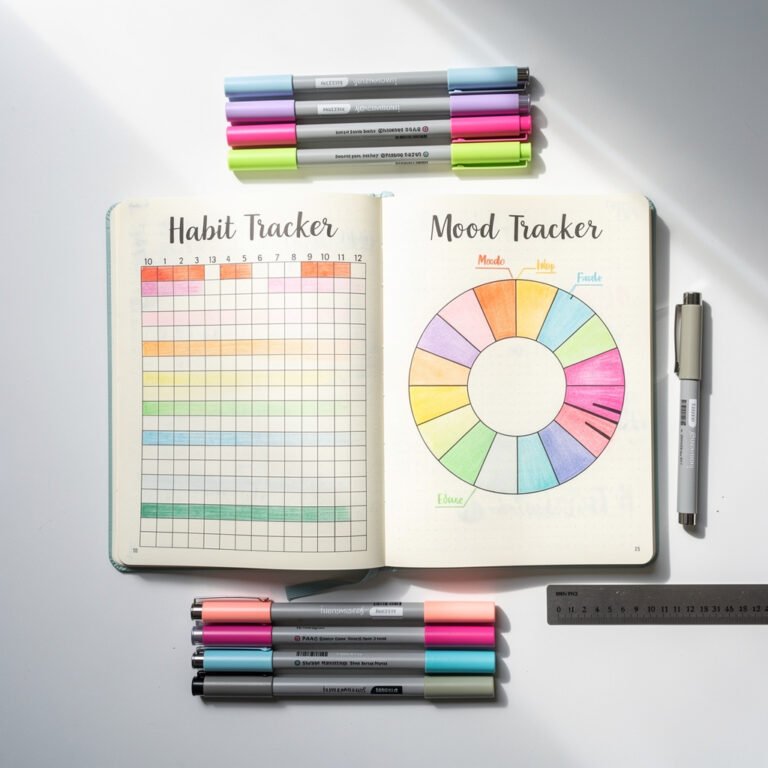
Habit trackers are popular in the bullet journal community, but they can easily become a source of shame for ADHD brains. The key is to track only what matters and to use a “streak” approach instead of a “perfect month” approach. Create a simple table with the habit name on the left and 30 small squares on the right. Each day you do the habit, fill in one square. If you miss a day, leave it blank and start again tomorrow. The goal is not a perfect row of filled squares; it's to see how many days you can string together over time. This gamifies the process and reduces the pressure of perfection.
Another ADHD-friendly hack is the “Two-Minute Habit.” Instead of tracking “exercise,” track “put on workout clothes.” Instead of “meditate,” track “sit for one minute.” These tiny actions are easy to start and often lead to longer sessions. Also, limit your tracker to 3-5 habits at a time. Too many columns create visual noise and overwhelm. Finally, use a “Reward Row” at the bottom of your tracker—when you hit a streak of 7 days, treat yourself to something small. This taps into the dopamine system and makes habit tracking feel like a game, not a chore.
- Use a “Don't Break the Chain” method: Mark an X for each day you complete the habit. Try to keep the chain going.
- Track the start, not the finish: Focus on beginning the habit, not completing it perfectly.
- Review monthly: At the end of the month, look for patterns. Did you skip more on certain days? Adjust accordingly.
The Weekly Review That Actually Sticks
The weekly review is a cornerstone of the Bullet Journal method, but for ADHD, it needs to be quick and rewarding. Set a timer for 10 minutes every Sunday (or whatever day works for you). Flip through the past week's pages and ask three questions: What worked? What didn't? What do I want to focus on next week? Write your answers in a simple “Weekly Review” spread. This isn't about judgment—it's about gathering data. Over time, you'll notice patterns that help you design better systems.
To make the review stick, pair it with a pleasurable activity. Drink your favorite coffee, listen to a podcast, or sit in a cozy spot. The goal is to associate the review with comfort, not obligation. Also, keep the review spread minimal: a small section for “Wins,” a section for “Challenges,” and a section for “Next Week's Focus.” Use stickers or washi tape to make it visually appealing, but keep the content short. The weekly review is your compass, not your report card. It helps you course-correct without the weight of perfectionism, ensuring your bullet journal evolves with you.
- Use a “One-Liner” for each day: Write one sentence summarizing the day. This makes review fast and meaningful.
- Celebrate progress, not perfection: Acknowledge what you accomplished, even if it wasn't everything.
- Plan one “fun task” for next week: Something you look forward to, to keep motivation high.
The Bullet Journal isn't about becoming a productivity machine—it's about creating a system that works for your unique brain. Start small. Pick just one layout from this guide, like the brain dump or the “Just Three Things” spread, and try it for a week. There's no wrong way to do this. Your journal is a tool, not a test. If a spread doesn't work, change it. If you skip a month, pick up where you left off. The ADHD brain thrives on flexibility, novelty, and self-compassion. Give yourself permission to experiment, to fail, and to try again. Your bullet journal is a living document of your life, exactly as it is. So grab a notebook, a pen, and start where you are. You've got this.
1. Can a bullet journal really help with ADHD if I've failed with other planners?
Absolutely. The key difference is that a bullet journal is fully customizable—you're not forcing yourself into a pre-printed structure. You
Related from our network
- AI Productivity Apps Reviewed: What Saves Time vs What's Just Hype (aidiscoverydigest)
- AI Productivity Stack: Tools to Work Smarter, Not Harder (wealthfromai)
- 50 AI Prompts That Boost Productivity and Creativity (wealthfromai)
Related Posts






Your Weekly Dose of Inspiration
Journaling ideas, family tips, and gentle inspiration.
Love this content?
Join the BulletJournals.net community for exclusive tips, guides, and updates.
Subscribe Free