# The Complete Bullet Journal Supplies List: Essential Tools for Productive Organization
Seven years ago, I stared at a blank notebook with a single black pen, wondering if I'd finally found the organizational system that would stick. Spoiler alert: I did. But along the way, I've learned that having the right supplies can make or break your bullet journaling experience.
You don't need to break the bank or fill an entire drawer with fancy pens (though trust me, you'll want to). What you need is a thoughtful approach to building your supply collection—one that grows with your skills and serves your actual needs, not just your Pinterest dreams.
Whether you're just starting out or looking to upgrade your current setup, I'll walk you through everything from absolute must-haves to those splurge-worthy items that'll make your future self thank you. We'll cover budget options, quality considerations, and the mistakes I wish I'd avoided when building my own collection.
## Essential Bullet Journal Supplies: The Foundation
Let's start with the non-negotiables—the supplies that'll get you up and running without any fuss or empty wallet syndrome.
### The Perfect Notebook
Your notebook is the star of the show, so choose wisely. After trying dozens of options, here's what really matters:
**Page Layout**: Dot grid wins for versatility. Those subtle dots guide your layouts without being bossy like lines or intimidating like blank pages. Leuchtturm1917 and Rhodia make excellent dot grid notebooks, while Moleskine's dots can feel a bit too prominent for some tastes.
**Paper Quality**: Look for at least 80GSM paper. Anything thinner and you'll see ghosting from the other side of the page. I learned this the hard way with a beautiful but flimsy notebook that made me second-guess every pen stroke.
**Size Matters**: A5 is the sweet spot for most people—portable but spacious enough for detailed layouts. A4 feels luxurious but isn't practical for daily carry. Pocket size works if you're truly minimalist, but cramped handwriting isn't fun for anyone.
**Budget Alternative**: Scribbles That Matter offers fantastic quality at half the price of premium brands. Their paper handles most inks beautifully, and their customer service is top-notch.
### Writing Instruments That Matter
You can absolutely start with whatever pen you have lying around, but investing in quality writing tools makes a real difference in your daily experience.
**Your Go-To Pen**: Look for something that dries quickly and doesn't bleed through your paper. The Pilot G2 0.38mm is my everyday workhorse—reliable, smooth, and cheap enough to buy in bulk. For something more premium, the Uni Jetstream RT writes like butter and never skips.
**Planning Pencil**: Keep a mechanical pencil handy for sketching layouts before committing with ink. The Pentel GraphGear 1000 feels solid and won't roll off your desk.
**Testing is Everything**: Before you commit to any pen, test it on a back page of your journal. Some papers love gel inks while others make them bleed like crazy. Don't assume—check.
### Basic Measuring Tools
Clean lines make everything look more intentional, even if your handwriting looks like a caffeinated spider's work.
A simple 6-inch ruler works for most layouts, but I'm partial to the transparent quilting rulers that show measurements in both directions. The Omnigrid 6×12 ruler has become my secret weapon for consistent spacing.
## Color and Creativity Supplies
Here's where things get fun (and potentially expensive). Color coding can genuinely improve your organization, but it's easy to go overboard.
### Markers and Highlighters
**Dual-Tip Markers**: Tombow Dual Brush Pens are the gold standard. The fine tip works for details while the brush tip creates beautiful headers. Start with a basic set of 10 colors rather than diving into the 96-color pack that'll overwhelm you.
**Highlighters That Behave**: Most highlighters will bleed through journal paper. Zebra Mildliners are the exception—they're more like colorful markers than traditional highlighters, and they play nicely with most papers.
### Colored Pens and Pencils
For precise color-coding, nothing beats fine-tip felt pens. The Staedtler Triplus Fineliner set offers consistent colors in a comfortable triangular grip. They're perfect for habit trackers and mood charts.
Colored pencils give you subtle color without the risk of bleeding. Crayola's basic 24-pack handles most needs, though Prismacolor Premier pencils blend beautifully if you're artistically inclined.
### Watercolor and Art Supplies
If you want to add artistic flair, watercolor pencils offer control without the mess of traditional paints. Faber-Castell's set includes a water brush pen that eliminates the need for a separate water container.
Pro tip: Practice new techniques on scrap paper first. I've ruined more than one spread by testing watercolor directly on my layouts.
## Organization and Planning Tools
These supplies bridge the gap between functional and beautiful, helping you create layouts that work as hard as they look good.
### Stencils and Templates
**Letter Stencils**: The Picket Fence Studios letter stencils create consistent headers without the pressure of perfect handwriting. They're especially helpful when you're tired or stressed.
**Shape Templates**: Circle and hexagon templates make habit trackers look professional. The Westcott Template set covers most shapes you'll need.
### Washi Tape and Decorative Elements
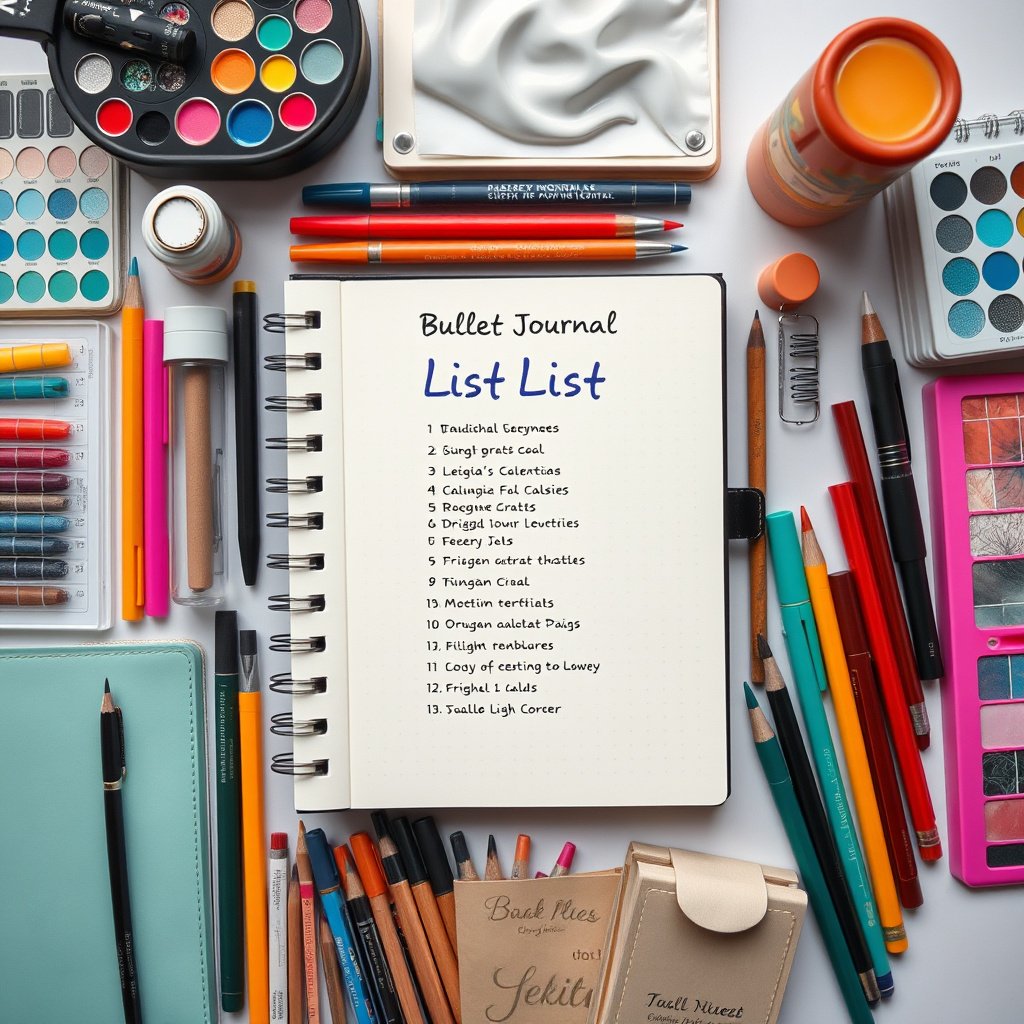
Washi tape isn't just pretty—it's functional. Use it to create sections, mark important pages, or cover mistakes gracefully. Start with a few neutral colors before expanding into patterns.
**Page Markers**: 3M's transparent sticky tabs are perfect for marking your current weekly spread or frequently referenced collections. They won't damage pages when moved, unlike regular sticky notes.
### Sticky Notes and Page Markers
Post-it's super sticky notes actually stay put in journals, unlike their regular versions. Use them for temporary reminders or rapid logging when you can't find your pen.
## Advanced and Optional Supplies
Once you've mastered the basics, these supplies can elevate your bullet journaling experience.
### Digital Integration Tools
**Hybrid Options**: The Rocketbook Fusion bridges analog and digital worlds, letting you upload pages to cloud storage. It's not a traditional bullet journal notebook, but it's worth considering if you travel frequently.
**Apps**: While not physical supplies, apps like Productive or Habitica can complement your paper tracking systems.
### Storage and Organization
A good pencil case keeps everything accessible. The Lihit Lab Book Style Pen Case looks professional and holds an impressive amount of supplies without bulk.
**Desk Setup**: If you journal at home, a desktop organizer keeps supplies visible and within reach. The Bamboo Desktop Organizer holds pens upright and provides compartments for smaller items.
### Specialty Items for Specific Needs
**Light Box**: If you love complex layouts but hate redrawing them, a light box lets you trace templates onto fresh pages. The Artograph LightPad is thin enough to travel with.
**Correction Tools**: White-out tape saves spreads from major mistakes. The Tombow Mono Correction Tape applies smoothly and accepts ink immediately.
## Budget-Conscious Shopping Guide
Let's talk money. You can start bullet journaling for under $15, but knowing where to splurge makes a difference.
### Starter Kit Essentials Under $25
– Notebook: Scribbles That Matter ($12)
– Basic pen set: Pilot G2 3-pack ($6)
– Ruler: Basic 6-inch ruler ($2)
– Highlighters: Zebra Mildliner 5-pack ($8)
Total: $28 for everything you need to start strong.
### Mid-Range Options for Growing Collections
Once you're committed, upgrade gradually. Replace your basic pens with Sakura Pigma Microns for archival quality. Plus add a small set of Tombow markers for headers.
### Premium Supplies Worth the Investment
**Quality Notebook**: A Leuchtturm1917 costs more upfront but lasts months and handles any ink beautifully.
**Professional Pens**: Copic Multiliner SPs are refillable and feel luxurious in your hand.
The key is upgrading one category at a time rather than replacing everything at once.
## Testing and Quality Considerations
Always test new supplies before committing them to important pages. Create a testing spread in the back of your journal where you can check how different pens interact with your paper.
### Paper Compatibility Tests
Draw swatches with each new pen, noting any bleeding or feathering. Test how colors look when dry versus wet. Some inks change dramatically as they set.
### Ink and Bleeding Prevention
Thicker papers handle more ink types, but even premium notebooks have limits. Sharpies and alcohol-based markers will bleed through almost anything.
**Quality Indicators**: Good pens feel balanced in your hand and start writing immediately without pressure. Quality paper has a slight tooth that grips ink without absorbing too much.
## Customizing Your Supply Collection
Your bullet journal supplies should reflect how you actually work, not how someone else's Instagram looks.
### Supplies by Bullet Journal Style
**Minimalist Setup**: Stick to 2-3 colors maximum. A black pen, one highlight color, and a pencil cover 90% of minimalist needs.
**Artistic Approach**: Invest in quality brushes, blending tools, and archival inks if you're creating keepsake journals.
### Adapting Tools to Personal Needs
**Large Handwriting**: Choose broader tips and bigger notebooks. A5 might feel cramped if you naturally write large.
**Travel Frequently**: Prioritize capped pens that won't leak and compact storage solutions.
**Professional Use**: Neutral colors and clean lines work better in business settings than bright decorations.
The best supply collection is the one you'll actually use consistently.
## Maintenance and Care Tips
Proper care extends supply life and maintains performance.
### Proper Supply Storage
Store pens horizontally or tip-down to prevent ink settling. Keep caps tight to prevent drying. Extreme temperatures damage both pens and paper.
### Extending Supply Lifespan
**Pen Maintenance**: Clean marker tips occasionally with rubbing alcohol. Store brush pens flat to maintain tip shape.
**Notebook Care**: Elastic bands eventually lose stretch. Replace them before they become loose enough to allow pages to fan out.
### Troubleshooting Common Issues
**Dried Pens**: Sometimes soaking the tip in warm water revives dried markers. It's worth trying before tossing expensive supplies.
**Bleeding Issues**: If a pen starts bleeding through paper that previously worked fine, check if the pen tip has become damaged or oversaturated.
—
Building your perfect bullet journal supply collection is a journey, not a destination. Start with the essentials, experiment with one new item at a time, and remember that the best supplies are the ones that disappear into your workflow.
Your bullet journal should enhance your life, not complicate it. Whether you're working with a basic pen and notebook or a rainbow of premium supplies, what matters most is consistency and finding what works for your unique needs.
Ready to start or upgrade your collection? Pick one item from the essentials list and commit to using it for a full month. You'll quickly discover what you love and what you're missing, making future supply decisions much easier.
Happy journaling!
Related Posts
Recommended for You
🛒 Fine Tip Pens For Journaling
As an Amazon Associate we earn from qualifying purchases.

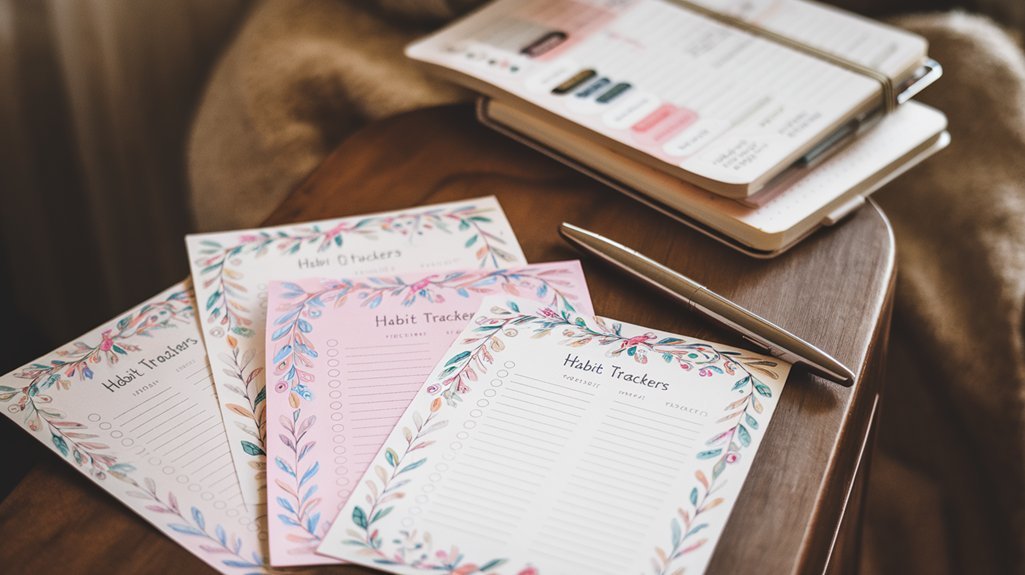
3 Printable Habit Trackers for Bullet Journal Success
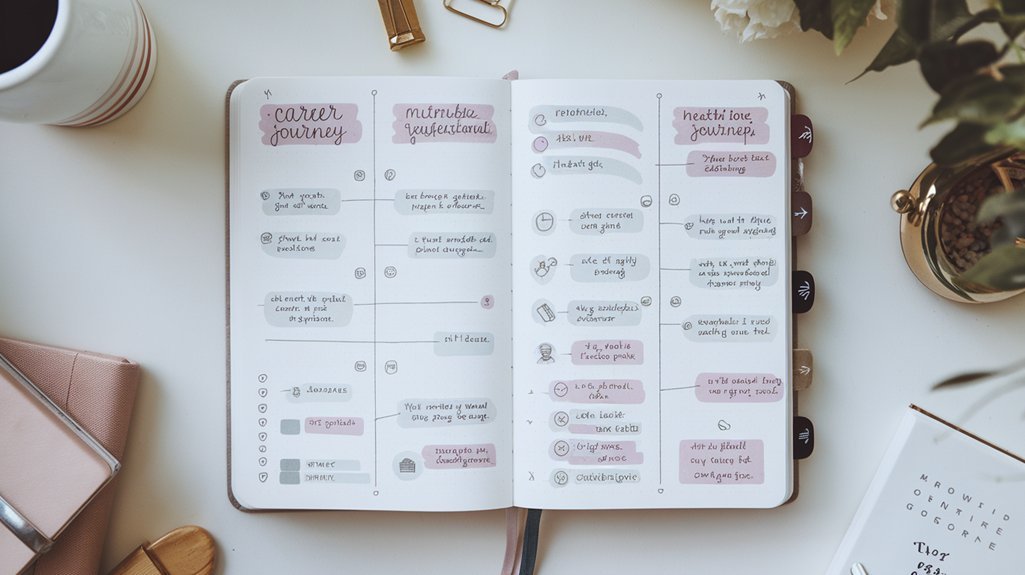
Bullet Journal Career Roadmap: Track Your Professional Growth
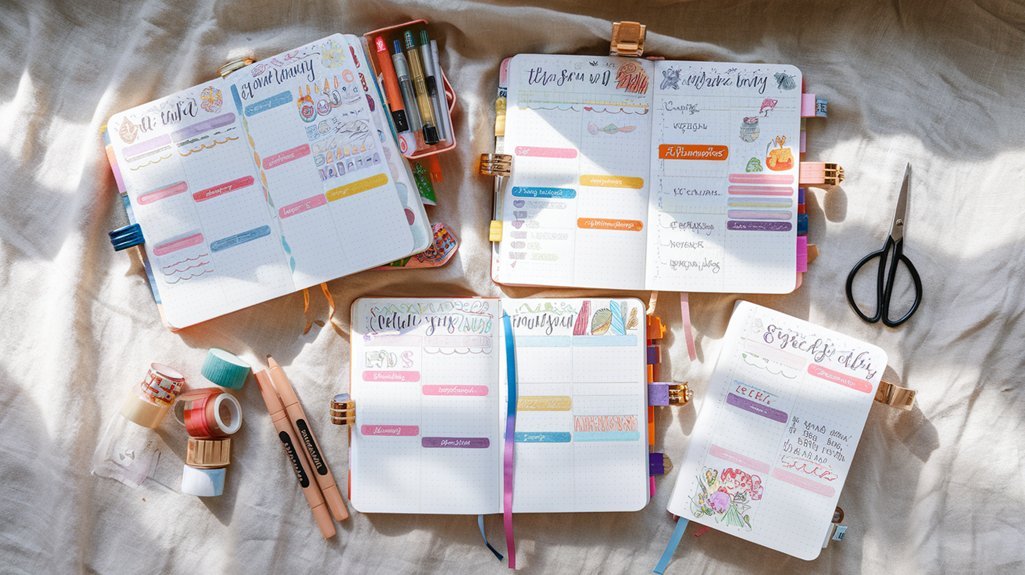
7 Unique Bullet Journal Task Spreads Worth Copying
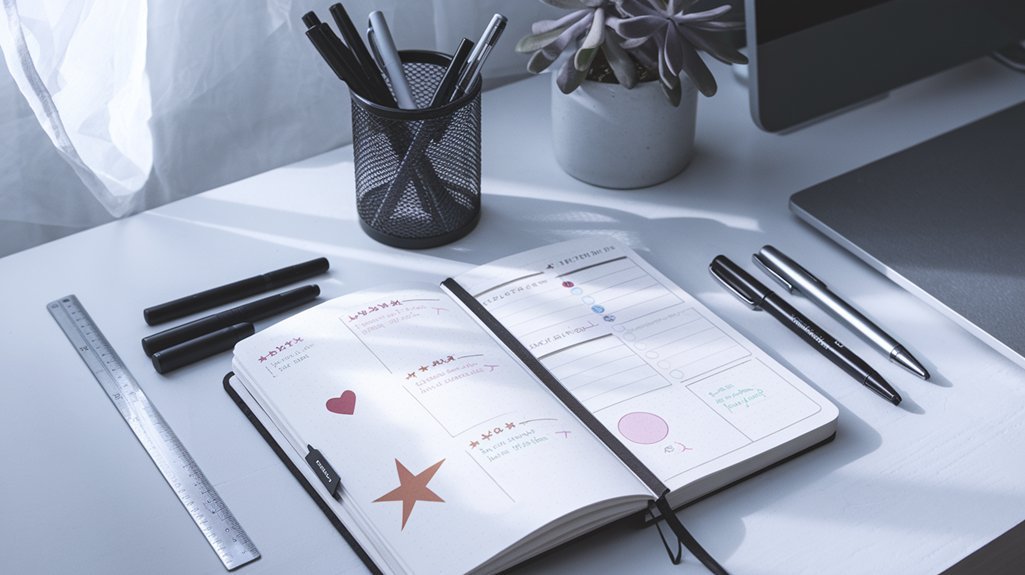
Which Bullet Journal Key Symbols Are Essential?
Recommended for You
🛒 Dotted Journal Notebook
As an Amazon Associate we earn from qualifying purchases.