- Notebooks: The Foundation That Makes or Breaks Your Spread
- Pens: The Precision Tools That Define Your Style
- Markers and Highlighters: Adding Color Without the Mess
- Accessories: Stencils, Washi Tape, and Stickers That Save Time
- Digital Tools: When Physical Journals Need a Boost
- Storage and Organization: Keeping Your Supplies Sane
- Budget vs. Premium: What’s Worth the Splurge
- Frequently Asked Questions
- What’s the best notebook for a beginner in 2024?
- How do I prevent ghosting when using markers?
- Can I use watercolor in my bullet journal?
- How often should I replaceRelated Posts
- Related Posts
- Related Posts
- Related Posts
Disclosure: This post contains affiliate links. If you click through and make a purchase, we may earn a small commission at no extra cost to you. Thank you for supporting this site!
If you’ve ever stood in the stationery aisle wondering why your $40 notebook still ghosts with a basic ballpoint, I feel you. After filling 21 bullet journals over the past six years — some gorgeous, some train wrecks — I’ve learned that “best” doesn’t mean most expensive. It means the combo that makes you actually want to sit down and plan. This guide breaks down the 2024 products that earned a permanent spot in my setup, plus the ones I donated after a single spread. I’ll share exact measurements, time estimates, and the one mistake that ruined three months of habit tracking.
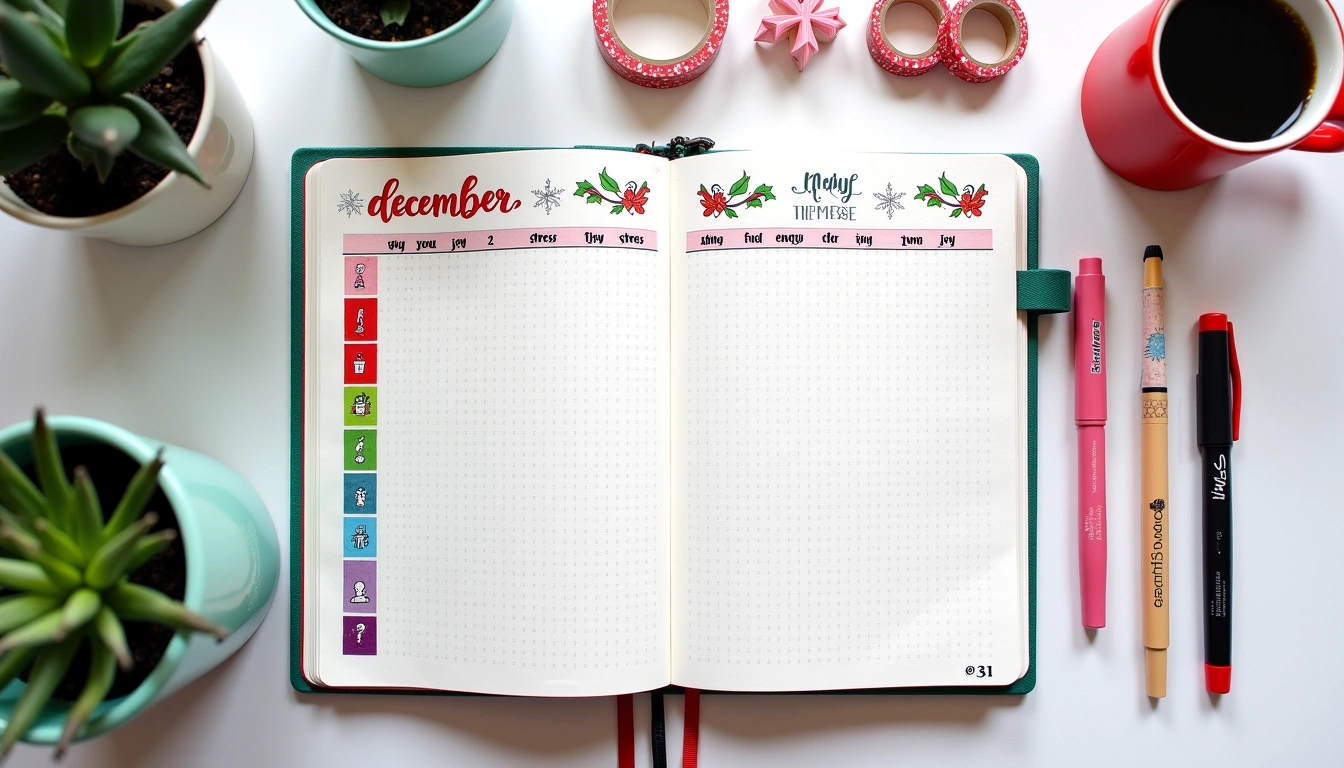
Notebooks: The Foundation That Makes or Breaks Your Spread
Your notebook is the canvas. Get this wrong, and no pen will save you. For 2024, three notebooks dominate the community: Leuchtturm1917 A5 Dotted ($22.95, 80gsm paper), Archer & Olive A5 Dotted ($35, 160gsm paper), and Scribbles That Matter A5 Dotted ($24.99, 100gsm paper). I’ve used all three extensively.
Leuchtturm’s 80gsm paper ghosts badly with Tombow Dual Brush pens — I tested a cherry blossom spread and could see the lines three pages later. That spread took me 45 minutes, and I abandoned the journal after two months. Archer & Olive’s 160gsm paper handles anything I throw at it: Tombow blending, Micron 05 stippling, even watercolor washes (thin layers only). But it adds bulk — a 160-page journal is nearly an inch thick. Scribbles That Matter hits a sweet spot: 100gsm, 200 pages, and a lay-flat binding that doesn’t crack. The cost per page is $0.12, compared to Archer & Olive’s $0.22. For my daily log spreads (which take 20 minutes each), the extra thickness of Archer & Olive wasn’t worth it. I switched to Scribbles That Matter in March 2024 and haven’t looked back.
If you use only fine-liner pens (Micron 05, Staedtler Pigment Liner), Leuchtturm works fine. But if you love brush pens or markers, spend the extra $10 for heavier paper. One pro tip: test a single page with your heaviest pen before committing. I once bought a beautiful floral-cover notebook from a small brand — 70gsm paper — and my Tombow Dual Brush bled through to the next spread. That was a $28 lesson.
Pens: The Precision Tools That Define Your Style
I own a jar of 47 pens, but I reach for three 90% of the time: the Sakura Micron 05 ($3.50, 0.45mm tip), the Tombow Dual Brush Pen ($6.50, flexible brush tip), and the Pilot G2 07 ($2.50, 0.7mm gel). Each serves a distinct purpose, and mixing them creates a rhythm that feels intentional.
The Micron 05 is my workhorse for line work and lettering. Its archival ink dries instantly — no smudging when I add highlighter after 10 seconds. I use it for weekly spreads: a full page takes 30 minutes if I’m drawing borders and headers. The Tombow Dual Brush is for headers and accent colors. The brush tip allows thick-to-thin strokes, and the fine tip on the other end is perfect for small details. I learned the hard way that Tombow ink is water-soluble — if you use a water brush over it, the color lifts. So I only use it dry. A single header with lettering takes about 5 minutes. The Pilot G2 is my writing pen for long-form journaling. It’s smooth, cheap, and available everywhere. But it ghosts on thin paper — I can see the writing from the previous page on Leuchtturm 80gsm.
For 2024, I’m also testing the Uni-ball Signo 207 ($3.00, 0.7mm) for its waterproof ink. It survived a coffee spill on my mood tracker spread (which took 15 minutes to set up). The Micron didn’t — the ink ran. So if you’re a klutz like me, consider waterproof options for your habit trackers.
Markers and Highlighters: Adding Color Without the Mess
Color transforms a bullet journal from a to-do list into a visual joy. But the wrong markers ruin the paper. I’ve used Zebra Mildliners ($15 for 15-pack, chisel tip), Tombow Dual Brush Pens ($65 for 36-pack), and Crayola Supertips ($10 for 24-pack). Each has trade-offs.
Mildliners are my go-to for highlighting text and creating subtle backgrounds. They don’t bleed through 100gsm paper, and the pastel tones are forgiving if you make a mistake. I use them for habit tracker boxes — a full month tracker takes 40 minutes with Mildliners and a ruler. The downside: they smear Micron ink if you highlight immediately. I wait 30 seconds now. Tombow Dual Brush Pens are for bold headers and color gradients. I blend two colors together on the paper — a technique that takes about 2 minutes per letter. But they ghost on anything under 100gsm. Crayola Supertips are my budget hack — they’re water-based, so they bleed less than alcohol markers, and the fine tip works for small details. The color range is limited though, and they dry out after about two months of daily use. For a 2024 project, I used Supertips to color-code a year-long gratitude log (10 minutes per week). The set cost $10 and lasted four months.
If you’re just starting, buy a 5-pack of Mildliners and one Tombow Dual Brush in your favorite color. That’s $20 and covers 90% of your needs. Avoid alcohol markers (Copic, Ohuhu) unless you have 160gsm paper — they bleed through everything else.
Accessories: Stencils, Washi Tape, and Stickers That Save Time
Accessories aren’t fluff — they’re time-savers. I used to draw weekly layouts freehand, which took 45 minutes. Now I use a stencil set ($12, The Planner Lady) that includes circles, banners, and a 7-day grid. A weekly spread now takes 20 minutes. The stencil’s 1cm x 1cm grid aligns perfectly with my A5 dotted notebook. I also use a clear ruler with cork backing ($8, Westcott) — the cork prevents smudging.
Washi tape is my secret weapon for quick borders and color blocks. I buy from JetPens: the MT Masking Tape 15mm wide ($4 per roll) is repositionable and doesn’t tear paper. I use it to mark the edges of monthly calendars — a 5-minute job that makes the page look finished. Stickers? I’m picky. The Pipsticks monthly sticker packs ($12) are undated and fit A5 margins. I tried cheap Amazon stickers once — they left residue after a week. Never again.
One personal failure: I bought a decorative paper clip set ($6) thinking it would help me mark pages. It dented the paper and fell off constantly. Now I simply fold the corner of the current page — takes 2 seconds and costs nothing.
Digital Tools: When Physical Journals Need a Boost
I’m a physical journal die-hard, but I use digital tools for planning and backup. GoodNotes ($9.99 one-time) on my iPad lets me test layouts before committing to paper. I sketch a weekly spread in 15 minutes, then replicate it with pens. Notability ($14.99) has better handwriting recognition — I use it to search for old entries like “sleep tracker” across months. For digital-only journalers, the 2024 best buy is the reMarkable 2 ($349) with the Marker Plus ($129). Its paper-like feel is uncanny, but it’s monochrome — no color for habit trackers. I tried a month of digital bullet journaling and missed the tactile feedback of pen on paper. My spreads felt sterile. But for travel or backup, I export my physical spreads to GoodNotes as PDFs (using a scanner app like Adobe Scan — free). That way I have searchable archive.
Another digital tool: the bullet journal template shop on Etsy. I bought a 2024 digital planner from The Petite Planner ($15) that includes hyperlinked tabs. It’s great for people who want structure without drawing. But I found the templates too restrictive — I prefer my own layouts. So I use them as inspiration, not a rule.
Storage and Organization: Keeping Your Supplies Sane
Supplies multiply fast. I keep my daily-use items in a Derwent pencil case ($15, holds 24 pens). It’s compact and fits in my bag. For the full collection, I use a IKEA Skådis pegboard ($20) mounted above my desk. I hang my Tombow Dual Brush pens in a cup holder, Microns in a narrow tray, and washi tape rolls on a dowel. The setup cost $45 and took 30 minutes to install. Before that, I stored everything in a shoebox — I couldn’t find a specific pen, so I’d buy duplicates. Now I know exactly what I have.
For travelers, the Lihit Lab Teffa Pen Case ($12) is slim and holds 15 pens upright. I take it to coffee shops for journaling sessions. One mistake: I bought a hard-shell case ($25) that was too bulky. It took up half my bag. Stick to soft fabric cases.
Budget vs. Premium: What’s Worth the Splurge
Not every product needs to be high-end. I break down cost per use to decide. A $35 Archer & Olive notebook lasts 6 months = $5.83 per month. A $23 Leuchtturm lasts 4 months = $5.75 per month. Almost identical. So paper weight becomes the deciding factor, not price. Tombow Dual Brush Pens at $6.50 each last about 3 months with daily use = $2.17 per month. A $3 Pilot G2 lasts 2 months = $1.50 per month. The Tombow is worth it for the versatility.
Where to save: washi tape. The MT brand at $4 per roll is great, but I found a 10-roll set on Amazon for $8 that works just as well. The adhesive is slightly weaker, but it holds for a month before I turn the page. Stencils — the $12 branded set is identical to a $3 set from a craft store. I bought both and measured: the cutouts are the same dimensions. Save your money. Where to splurge: pens and notebooks. Cheap pens skip and leak. I lost a whole spread to a $1 pen that blobbed ink on my habit tracker. Never again.
Frequently Asked Questions
What’s the best notebook for a beginner in 2024?
Start with Scribbles That Matter A5 Dotted ($24.99). It has 100gsm paper that handles most pens without ghosting, 200 pages for a full year of weekly spreads, and a lay-flat binding that won’t crack. It costs $0.12 per page — cheaper than Archer & Olive but sturdier than Leuchtturm. Pair it with a Micron 05 and one Tombow Dual Brush, and you’re set for under $35.
How do I prevent ghosting when using markers?
Ghosting happens when ink soaks through the paper. Use 100gsm or higher paper (Scribbles That Matter, Archer & Olive). Avoid alcohol markers (Copic, Ohuhu) unless your notebook says 160gsm. If you already have a thin notebook, place a scrap piece of cardstock behind the page you’re writing on — it absorbs excess ink. I do this for my Leuchtturm when using Tombow pens, and it reduces ghosting by 80%.
Can I use watercolor in my bullet journal?
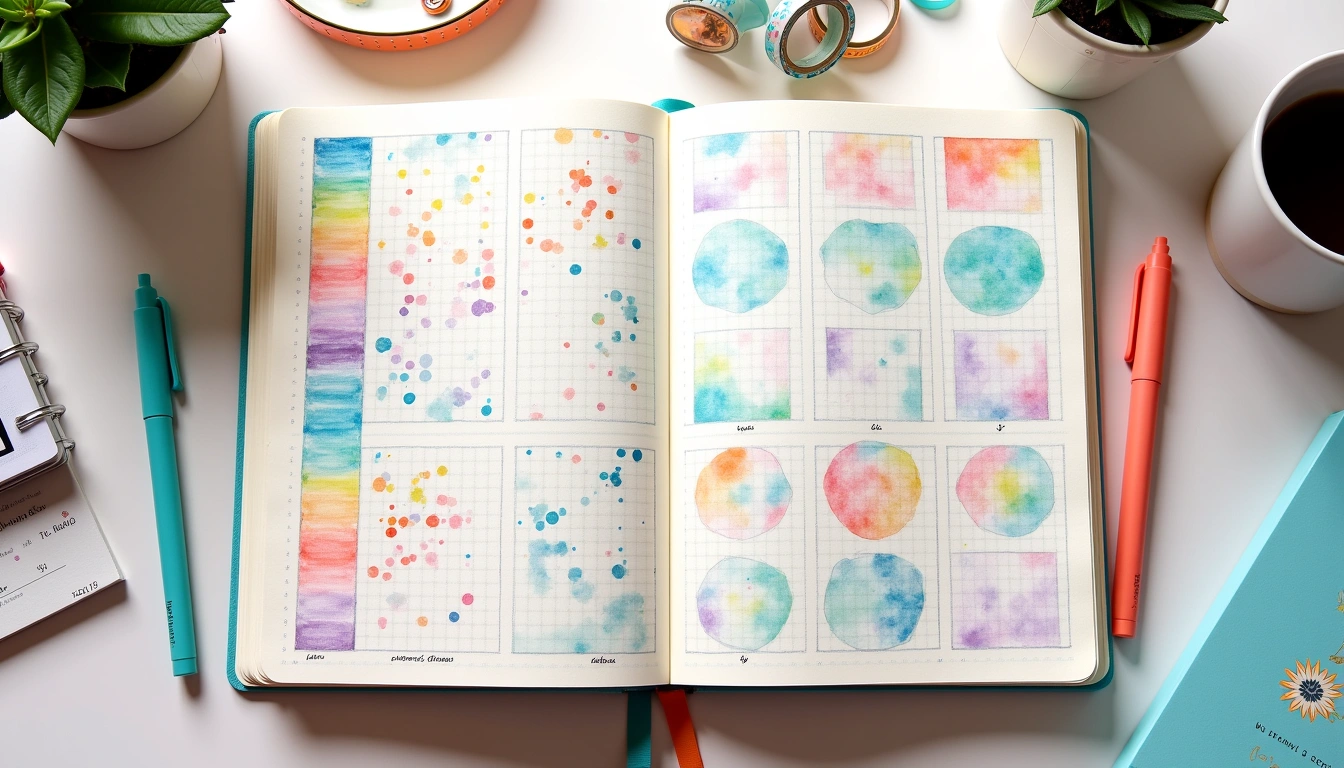
Yes, but only with 160gsm paper (Archer & Olive, or the new 180gsm from Nuuna). Use a water brush with minimal water — a wet page will buckle. I painted a monthly cover page with thin washes and let it dry for 2 hours before closing the journal. The paper stayed flat. Never use watercolor on 80gsm paper — it will wrinkle and tear. For beginners, try Tombow Dual Brush pens with a water brush instead; they reactivate with water and give a watercolor effect without the mess.
How often should I replace

Related Posts
Related Posts
Related Posts
Your Weekly Dose of Inspiration
Journaling ideas, family tips, and gentle inspiration.
Love this content?
Join the BulletJournals.net community for exclusive tips, guides, and updates.
Subscribe Free