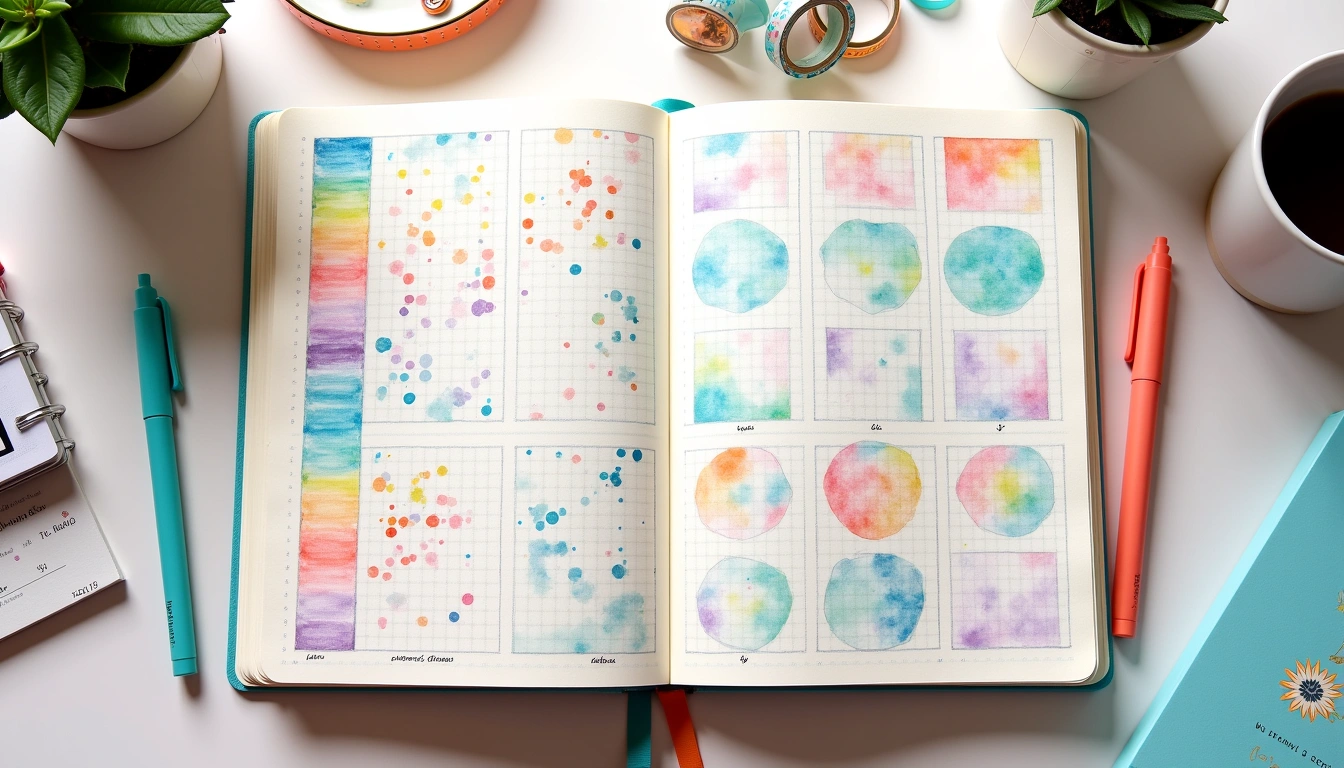
December hit me like a festive freight train last year. Between gift shopping, family gatherings, and the general holiday chaos, my mental health was all over the map – literally. That's when I discovered the magic of holiday-specific bullet journal spreads that don't just track your mood, but actually help you navigate the emotional rollercoaster of the season.
Here's something that shocked me: According to the American Psychological Association, 64% of people report increased stress during the holidays, yet most of us treat December like any other month in our journals. We're missing a massive opportunity to support ourselves when we need it most.
After three years of perfecting my December setup, I've cracked the code on creating spreads that capture both the joy and overwhelm of the season. This isn't just about pretty snowflake doodles (though we'll definitely cover those). It's about building a system that keeps you grounded when your aunt asks why you're still single and centered when the checkout line stretches to infinity.
Planning Your December Mental Health Strategy
Before you even touch pen to paper, you need to get real about what December throws at you. I learned this the hard way in 2022 when I set up my usual monthly layout and wondered why everything felt so chaotic.
Start by brain-dumping everything December means for you. Holiday parties, gift deadlines, family dynamics, work stress, seasonal depression, financial pressure – get it all out. This isn't pessimistic planning; it's strategic emotional preparation.
Next, identify your personal holiday triggers. Mine? Crowded malls and the pressure to create “magical” moments. Yours might be different – family conflict, social obligations, or seasonal affective disorder. Knowing these upfront lets you design tracking systems that actually serve you.
Consider your December goals differently too. Instead of “lose 5 pounds” (seriously, in December?), focus on maintenance goals: “Take 10 minutes daily for myself” or “Practice one gratitude moment each day.” These small wins add up when everything else feels chaotic.
Finally, plan for imperfection. December pages get messy – there are last-minute events, emotional ups and downs, and days when you forget to track anything. Build flexibility into your system from the start.
Essential Spreads That Actually Work
Your December bullet journal needs different spreads than other months. After testing various layouts, I've identified five non-negotiables that make the difference between surviving and thriving this season.
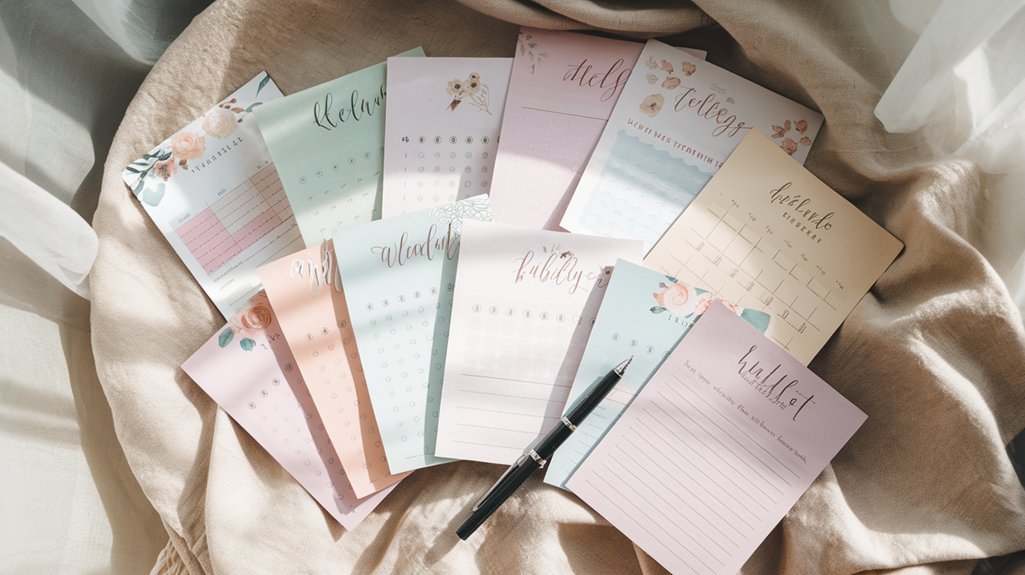
First up: the Holiday Stress Tracker. This isn't your typical mood tracker – it's specifically designed for holiday emotions. I use a simple grid with days across the top and stress categories down the side: family dynamics, financial pressure, social obligations, and seasonal mood. Each gets a color code, and you can quickly spot patterns.
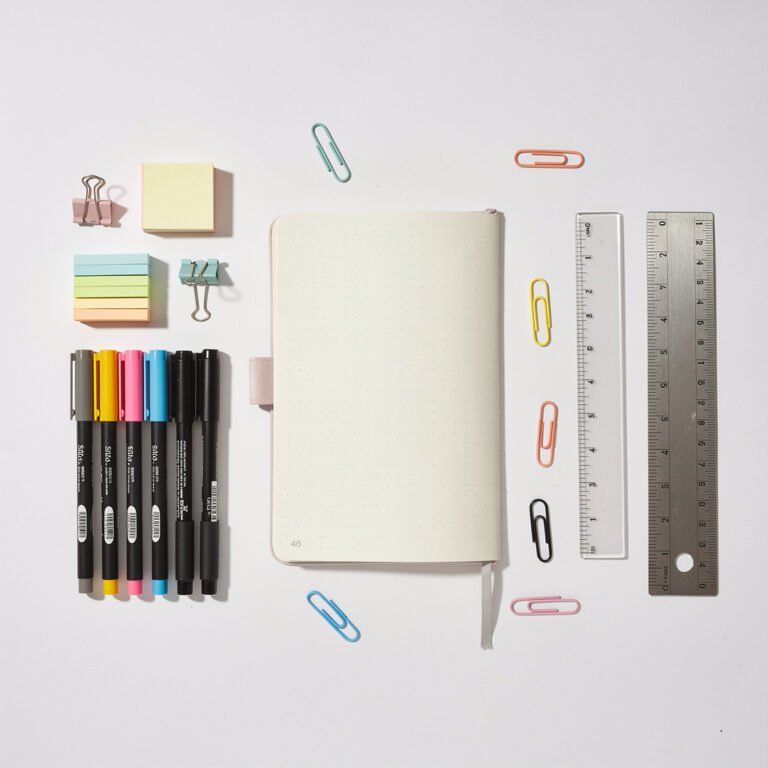
Leuchtturm1917 A5 Dotted Journal
The gold standard for bullet journaling with 249 numbered pages and bleed-resistant paper perfect for holiday layouts.
- Dotted grid provides perfect structure for mood tracking grids
- High-quality paper prevents ink bleeding with markers and pens
- Numbered pages and index make December spreads easy to reference later
The Gift Planning Spread is your sanity saver. Create columns for person, gift ideas, budget, purchased status, and wrapped status. I add a mood indicator next to each person – green for easy gift recipients, yellow for challenging ones, red for those impossible-to-shop-for relatives. This visual system prevents last-minute panic shopping.
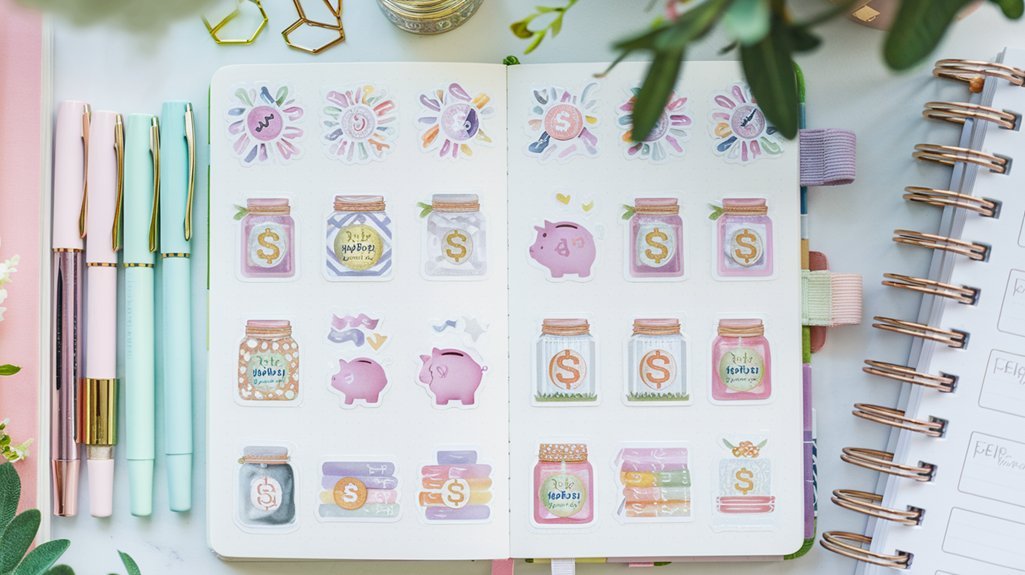
Your Holiday Memory Collection deserves special attention. Instead of just tracking events, capture the small moments that make December magical. I dedicate a two-page spread to quick sketches, quotes from kids, funny family moments, and photos. This becomes your antidote to holiday stress – flip here when you need a mood boost.
The Energy Management Tracker is crucial but often overlooked. December demands more from us emotionally and physically. Track your energy levels, sleep quality, and social battery status. Use simple symbols: lightning bolt for high energy, cloud for medium, rain for low. This helps you plan realistically and protect your mental health.
Finally, create a Holiday Wins page. Every day, write one tiny victory – finished shopping for one person, said no to an obligation, took a peaceful moment with your coffee. These micro-celebrations compound into significant mood boosters during stressful weeks.
Calendar Layouts for December Chaos
December calendars need to handle more information than typical monthly layouts. You're juggling regular commitments plus holiday events, deadlines, and social obligations. Traditional month-at-a-glance views often become illegible messes.
I've found success with a modified weekly layout that spans two pages. Each day gets a vertical column with sections for scheduled events, mood check-in, and gratitude note. This gives you enough space for holiday chaos while maintaining daily mindfulness practices.
Consider color-coding by type of activity rather than person. Red for stressful obligations, green for joyful events, blue for self-care time, yellow for family activities. This visual system helps you balance your December schedule and identify when you're overloading certain types of activities.
For families with kids, try a modified calendar that includes everyone's activities but focuses on your emotional experience. Add small symbols for how each event made you feel: heart for joy, squiggly line for stress, star for surprise moments. This creates valuable data about which holiday activities actually serve your family.
Don't forget to schedule downtime visibly on your calendar. I block out “nothing time” in a special color and treat these blocks as seriously as doctor's appointments. December needs rest built into the system, not hoped for in leftover moments.
Mood and Stress Trackers That Matter
Generic mood trackers fall short during the holidays because December emotions are complex. You might feel simultaneously grateful for family time and overwhelmed by the logistics. Standard 1-10 scales don't capture this nuance.
Instead, try multi-dimensional tracking. I use a simple grid with four categories: Joy Level, Stress Level, Energy Level, and Social Battery. Each gets rated 1-5 with holiday-specific descriptors. For joy: 1 = Grinch mode, 5 = Elf excitement. For stress: 1 = Zen master, 5 = Wrapping paper tornado.
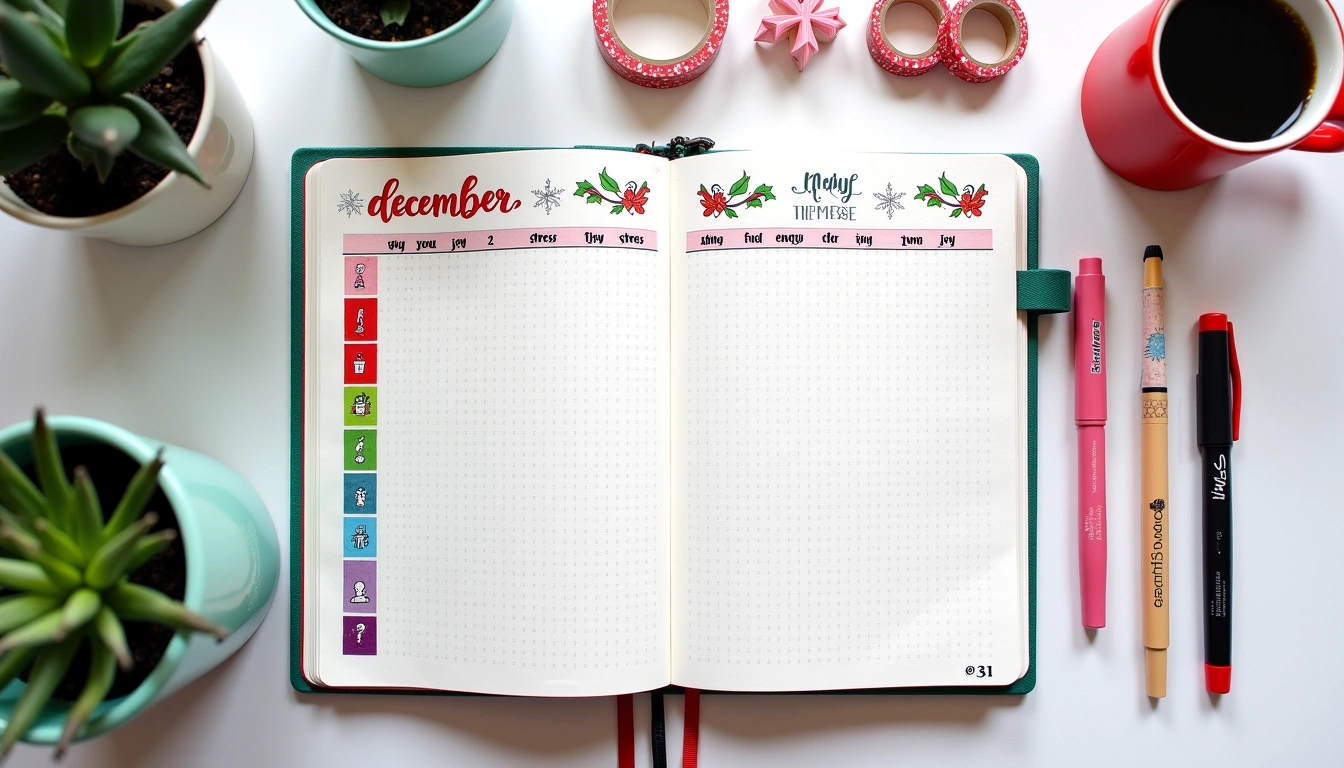
Track specific holiday triggers alongside general mood. Create a small section noting what influenced your daily ratings: family dynamics, shopping stress, financial worries, seasonal depression, or positive moments like hot chocolate with kids or successful gift-giving.
Consider weather and daylight tracking too. Seasonal Affective Disorder affects about 5% of adults, with symptoms typically starting in late fall. Even if you don't have SAD, shorter days impact everyone's mood. Track sunrise/sunset times and note correlations with your energy levels.
Zebra Mildliner Highlighters Winter Set
Perfect for color-coding holiday mood trackers without overwhelming your layouts, these dual-tip highlighters offer both broad and fine line options.
Weekly mood pattern reviews are crucial. Every Sunday, look back at your tracking and identify patterns. Did family gatherings consistently drain your social battery? Do shopping trips spike your stress but also increase joy? This data helps you make informed decisions about holiday commitments.
Include a gratitude component in your mood tracking. Research shows that people who practice gratitude report 25% less stress during challenging periods. I add one tiny gratitude note each day – sometimes it's “warm socks,” other times it's “daughter's laugh.” These accumulate into powerful mood boosters.
Goal Setting for Holiday Success
December goal-setting requires a completely different approach than January's ambitious resolutions. This month is about maintenance, not massive changes. Your goals should support your mental health, not add pressure.
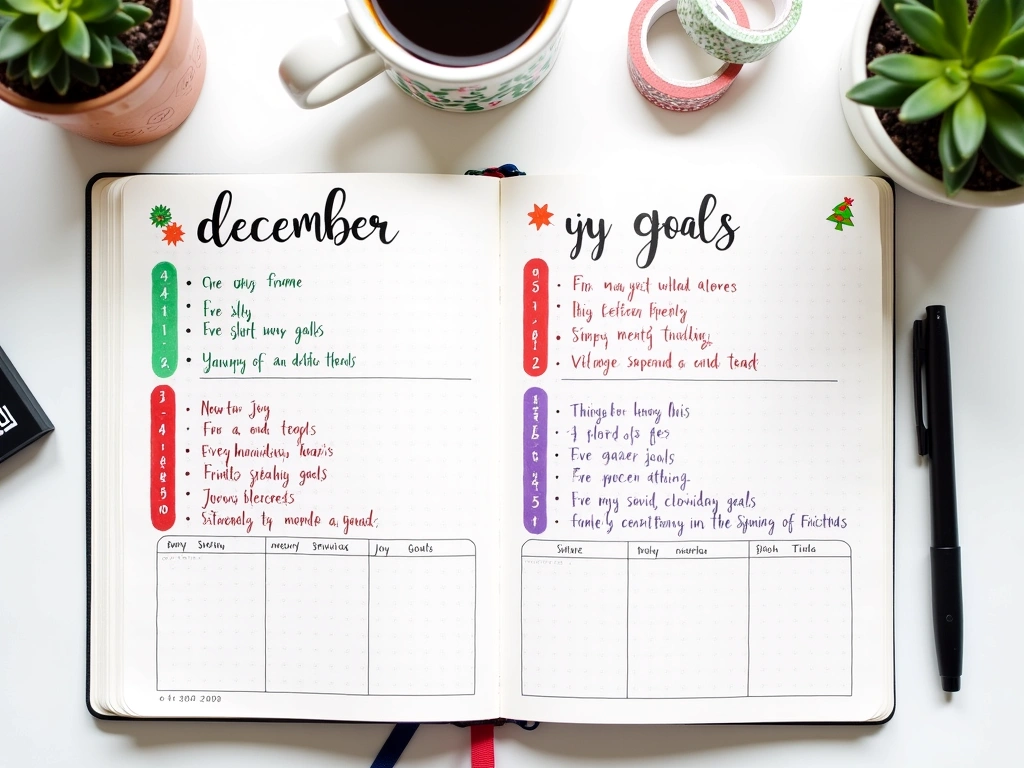
Focus on three categories: Survival Goals (non-negotiables for your wellbeing), Joy Goals (what you want to experience), and Release Goals (what you're letting go of). This balanced approach acknowledges December's challenges while still creating intention.
Survival Goals might include: sleeping 7+ hours nightly, taking 15 minutes daily for yourself, saying no to one overwhelming obligation per week, or maintaining your morning routine despite holiday chaos. These aren't exciting, but they're your foundation.
Joy Goals capture what you actually want from the holidays: making special cookies with kids, having one meaningful conversation at each gathering, creating a cozy December evening ritual, or capturing family memories. These goals reconnect you with holiday magic beyond commercial pressure.
Release Goals are equally important. What expectations, traditions, or obligations can you let go of this year? Maybe it's making everything from scratch, sending physical holiday cards, or keeping everyone happy. Write these down and refer back when guilt creeps in.
Track your goals weekly rather than daily. December is unpredictable, and daily tracking can become another stressor. Sunday check-ins let you adjust course without feeling like a failure.
Create accountability that feels supportive, not punitive. Partner with a friend for gentle check-ins, join online bullet journal communities sharing December struggles, or simply review your goals during quiet morning coffee moments.
Festive Decoration Without Overwhelm
Holiday bullet journal decoration should enhance your experience, not become another time-consuming obligation. I've seen people abandon their journals in December because they felt pressure to create Pinterest-worthy spreads daily.
Start with a simple holiday color palette – mine is forest green, burgundy, and gold with black ink. This consistency ties your December pages together without requiring artistic skills. Use these colors for headers, borders, and small accent elements.
Master three simple holiday doodles: snowflakes, holly leaves, and gift boxes. These can be drawn quickly and scaled up or down depending on your available time. YouTube has excellent 5-minute tutorials for basic holiday illustrations that even art-phobic people can manage.
Tombow Dual Brush Pens Holiday Collection
Professional-quality brush pens perfect for creating gradient effects in mood trackers and beautiful holiday headers that elevate your journal aesthetics.
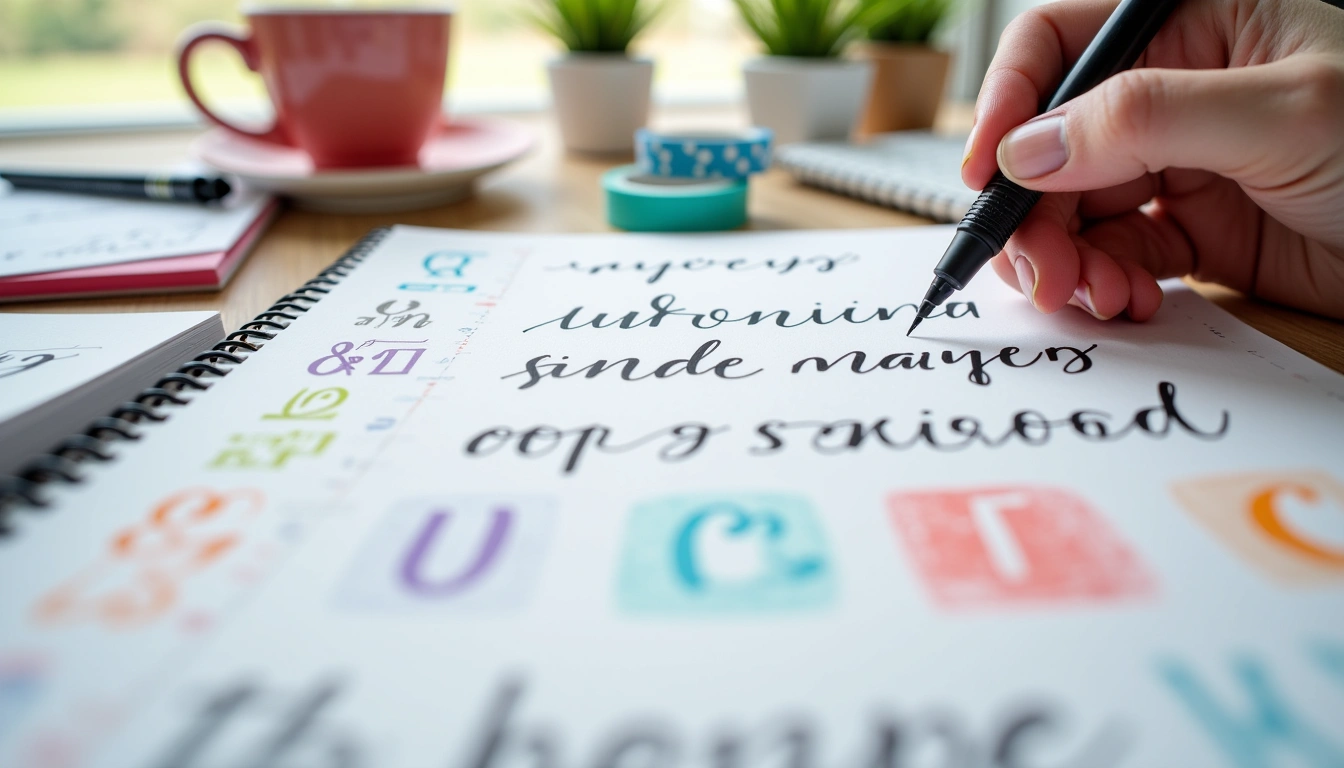
Washi tape is your secret weapon for instant holiday flair. A strip of holiday-patterned tape can transform a basic mood tracker into something festive. I keep rolls of snowflake, plaid, and gold foil patterns specifically for December pages.
Consider stamping for consistent decoration without time investment. Small holiday stamps – stars, trees, presents – can be quickly added to corners and borders. They create visual interest while maintaining the clean functionality of your spreads.
Leave decorating for designated times rather than trying to embellish every page immediately. I set aside Sunday afternoons for “journal decoration time” with holiday music and hot chocolate. This becomes a relaxing ritual rather than daily pressure.
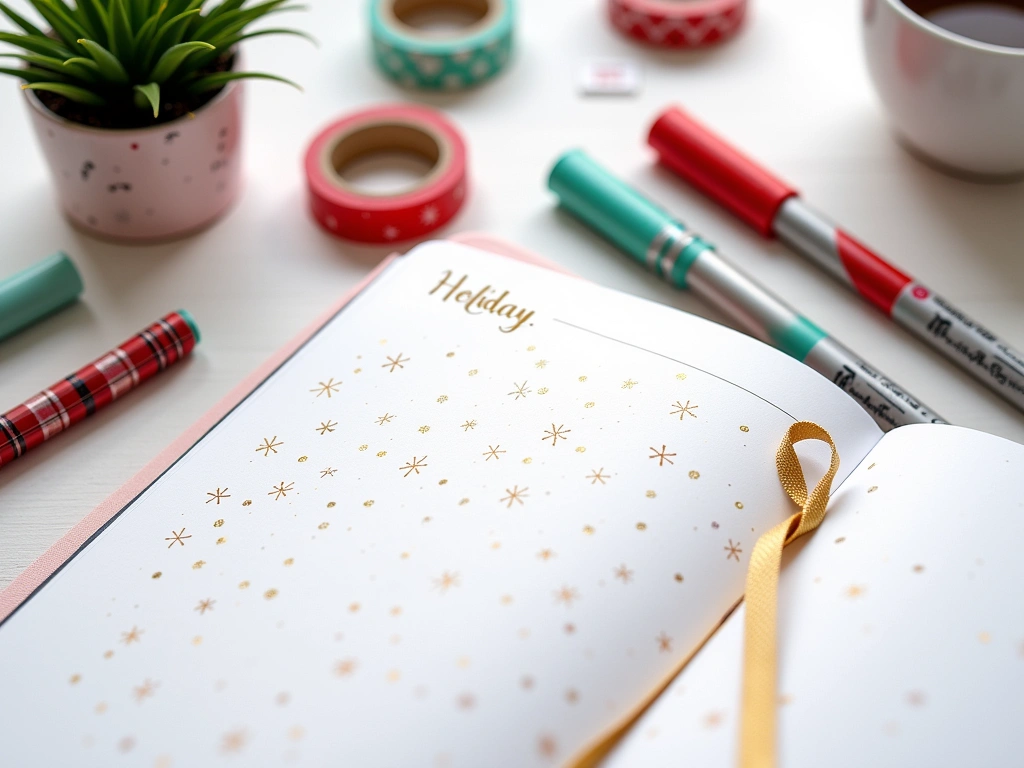
Remember that white space is beautiful too. Some of my favorite December pages are minimally decorated with just a single color accent or tiny border doodle. Function comes first – decoration should enhance, not overwhelm your tracking systems.
Weekly Review and Reflection Systems
December moves so quickly that weekly reviews become essential for maintaining perspective and mental health. Without regular check-ins, you'll reach New Year's wondering where the month went and feeling disconnected from the holiday experience you actually wanted.
Structure your Sunday reviews around three simple questions: What challenged me this week? What brought me joy? What do I want to adjust for next week? Keep answers brief – this isn't therapy journaling, it's practical reflection.
Review your mood and stress tracking patterns weekly. Look for correlations between events and emotional responses. Maybe family dinners consistently spike your stress but boost your joy – that's valuable data for managing expectations and preparing mentally.
Celebrate small wins explicitly. In December's chaos, we often focus on what went wrong or what's still undone. Write down three specific accomplishments each week, even tiny ones: “Found perfect gift for mom,” “Maintained bedtime routine despite late party,” “Took deep breaths during stressful checkout line.”
Plan the upcoming week with your emotional data in mind. If shopping trips drain your social battery, schedule them before low-key evenings. If family gatherings require extra energy, protect the day before and after for rest and preparation.
Include a gratitude review in your weekly practice. Flip through the week's gratitude notes and identify themes. Are you most grateful for quiet moments? Family connections? Small acts of kindness? This pattern recognition helps you prioritize what truly matters.
Use your weekly reviews to adjust goals and commitments. December plans often need modification as the month unfolds. Give yourself permission to change course based on what you're learning about your energy, stress levels, and actual priorities.
Preparing for January Reflection
Your December bullet journal setup should include space for year-end reflection that flows naturally into January planning. This isn't about creating elaborate vision boards – it's about capturing lessons learned and insights gained during this intense month.
Create a “December Lessons” page where you note insights about your holiday coping strategies, family dynamics, stress triggers, and joy sources. These observations become invaluable for planning next year's holiday approach.
Track which spreads and systems worked best for you. Did the multi-dimensional mood tracker provide useful insights? Was the gift planning spread worth the setup time? This meta-reflection helps refine your bullet journal practice for future challenging months.
Holiday Washi Tape Variety Pack
Transform basic spreads into festive layouts with this collection of winter and holiday-themed decorative tapes.
- 12 different patterns including snowflakes, plaid, and metallic designs
- Easy application and removal without damaging journal pages
- Perfect width for borders, headers, and accent decoration
Document your proudest moments and biggest challenges without judgment. December often brings out both our best and most stressed selves. Acknowledge both experiences as valuable data about your growth areas and strengths.
Note any patterns between your holiday experience and other stressful periods throughout the year. Do you use similar coping strategies during work deadlines or family crises? This cross-seasonal insight improves your overall stress management toolkit.
Consider what you want to carry forward into January and what you're ready to release. Maybe you discovered that saying no to certain obligations actually increased your holiday joy, or that morning journaling became even more crucial during busy periods.
Staying Flexible When Life Happens
The most important thing I've learned about December bullet journaling is this: your system needs to bend without breaking. Holiday plans change, emotions fluctuate wildly, and some days you'll be too exhausted to track anything. Build flexibility into your spreads from the beginning.
Create backup tracking methods for overwhelming days. Maybe it's just a simple emotion emoji in the corner of your daily page, or a single word describing your day's dominant feeling. These minimal entries maintain your tracking habit without adding pressure during crisis moments.
Accept that some weeks will be messier than others. I've had December pages with elaborate mood trackers followed by pages with barely legible scribbles about surviving a family gathering. Both types of entries provide valuable information about your holiday experience.
Prepare catch-up strategies for when you fall behind. Instead of abandoning your system, create a simplified “memory dump” page where you can quickly record the highlights and lowlights of missed days. This keeps your record intact without perfectionist guilt.
Remember that your bullet journal is a tool to support your wellbeing, not another item on your overwhelming December to-do list. If tracking becomes stressful, simplify. If decoration feels burdensome, skip it. If weekly reviews seem impossible, try bi-weekly check-ins instead.
🎯 Our Top Recommendation
After extensive testing, we recommend the Leuchtturm1917 A5 Dotted Journal for most readers because its numbered pages and bleed-resistant paper handle holiday layouts beautifully while maintaining organization.
Most importantly, celebrate what you do accomplish rather than focusing on missed days or imperfect spreads. Every moment of mindfulness, every emotion acknowledged, every small win recorded contributes to a more intentional holiday experience.
Your December bullet journal doesn't need to be Instagram-worthy to be valuable. It needs to be honest, functional, and supportive of the real human navigating a complex and often overwhelming season. Give yourself permission to make it messy, beautiful, simple, or elaborate – whatever serves your actual needs.
Frequently Asked Questions
How do I track holiday stress without making my bullet journal feel negative?
Balance stress tracking with positive elements like daily gratitude notes and holiday joy moments. Use neutral colors for stress indicators and pair them with celebration tracking. Focus on patterns and solutions rather than dwelling on negative emotions.
What mood tracking symbols work best for seasonal depression and holiday emotions?
Use weather symbols (sun, clouds, rain, snow) that naturally reflect seasonal changes and emotional states. Create holiday-specific descriptors like “gingerbread happy” or “shopping storm stressed” to add lightness while maintaining accuracy.
Should I use different mood scales during the holiday season?
Yes, consider multi-dimensional tracking instead of simple 1-10 scales. Track joy, stress, energy, and social battery separately since December emotions are complex. This provides more nuanced data about your holiday experience.
How can I make my mood tracker festive while keeping it functional?
Use holiday color schemes (red, green, gold) for your tracking elements and add small seasonal doodles to borders and corners. Incorporate festive washi tape or simple snowflake drawings without compromising the grid structure needed for daily tracking.
What's the best way to reflect on the entire year while setting up December pages?
Create a “Year in Review” section within your December setup that highlights monthly themes, major accomplishments, and lessons learned. Keep it simple with bullet points rather than elaborate spreads, focusing on insights that inform your holiday approach.
How do I track family gathering emotions and social anxiety in my journal?
Use a simple before/during/after tracking system for social events. Note your anxiety level going in, energy level during, and emotional state afterward. This helps identify patterns and prepare better coping strategies for future gatherings.
How can I maintain my bullet journal practice when December gets overwhelming?
Create backup tracking methods like single-word daily summaries or emotion emojis. Prepare catch-up pages for when you fall behind, and remember that imperfect tracking is better than no tracking. Your journal should reduce stress, not add to it.