Understanding Goal Setting Spreads in Bullet Journaling
Goal setting spreads are specialized layouts in bullet journals designed to help you visualize, track, and achieve your objectives systematically. These purposeful pages transform abstract aspirations into concrete, actionable plans that you can monitor throughout the year. Unlike traditional goal-setting methods that often get forgotten in digital apps or buried in notebooks, goal setting spreads keep your ambitions front and center in your daily planning routine.
The beauty of goal setting spreads lies in their flexibility and personalization. Whether you're pursuing career advancement, health improvements, creative projects, or personal development, these layouts can be customized to match your unique objectives and preferred tracking methods. The tactile nature of writing goals by hand in a quality journal reinforces commitment and makes the goal-setting process more intentional and memorable.
The Psychology Behind Visual Goal Planning
Research consistently shows that writing down goals increases the likelihood of achieving them by up to 42%. When you create goal setting spreads, you're engaging multiple cognitive processes simultaneously: visualization, planning, and regular review. The act of designing your spread with colorful pens and decorative elements like washi tape creates positive associations with your goals, making you more likely to return to them regularly.
Visual goal planning also helps break down overwhelming objectives into manageable components. When you can see your goal broken into monthly milestones, weekly actions, and daily habits, the path to success becomes clearer and less intimidating. This visual breakdown proves particularly effective when enhanced with progress bars, check boxes, and milestone markers that provide immediate feedback on your advancement.
Essential Components of Effective Goal Spreads
Successful goal planning layouts typically include several key elements that work together to create a comprehensive planning system. The goal statement itself should be specific, measurable, and time-bound, written prominently on the page using your favorite fine-tip pens. Supporting this main goal, you'll want to include action steps, deadlines, progress tracking mechanisms, and reflection spaces.
Many bullet journalists find success in incorporating motivational quotes, relevant imagery, or symbolic decorations using stickers or hand-drawn elements. These personal touches create emotional connections to your goals and make your journal pages more engaging to revisit. Consider dedicating space for celebrating small wins and noting obstacles overcome, as these positive reinforcements build momentum toward larger achievements.
Popular Goal Setting Spread Layouts and Designs
The versatility of goal tracking spreads means there's no one-size-fits-all approach to their design. From minimalist single-page layouts to elaborate multi-page systems, the key is finding formats that resonate with your planning style and goal complexity. Some popular approaches focus on specific timeframes, while others organize goals by life categories or priority levels.
Annual Goal Overview Spreads
improve your yearly aspirations into visual roadmaps with annual goal overview spreads that provide a bird's-eye view of your year's major objectives. These layouts typically feature 3-5 significant goals arranged prominently across a two-page spread, incorporating visual elements like progress wheels, yearly timelines, or seasonal divisions that help you understand the natural flow of your goal progression.
When designing annual spreads, consider using different colored pens to categorize goals by theme—perhaps blue for career goals, green for health objectives, and purple for personal development. This color-coding system can extend throughout your journal, creating visual consistency that makes navigation intuitive. Many journalers enhance these pages with inspirational quote stickers or decorative washi tape borders that reflect their personal aesthetic preferences.
The most effective annual goal spreads include space for quarterly check-ins, allowing you to assess progress and make necessary adjustments. This might involve simple checkboxes for major milestones or more detailed reflection prompts that encourage honest evaluation of your journey. Remember to leave some white space for adding new insights or goals that emerge throughout the year.
Monthly Goal Breakdown Pages
Bridge the gap between your annual vision and daily actions with monthly goal breakdown pages that focus on specific steps and targets for the current month. These spreads typically feature a main goal at the top of the page, followed by 3-5 supporting objectives or action items that will contribute to progress on your larger annual goals.
A popular layout involves dividing your page into sections for different goal categories, using clean lines drawn with a ruler and fine-tip pen. You might dedicate sections to professional development, health and fitness, relationships, and creative pursuits. Within each section, list specific, achievable targets for the month, such as “Complete online course module” or “Exercise 12 times this month.”
Visual progress tracking elements work particularly well in monthly spreads. Consider incorporating habit trackers, progress bars, or simple checkbox grids that let you mark off completed actions. Some journalers create themed decorations using stickers that relate to their goals—fitness stickers for health goals or book stickers for learning objectives—making the pages more engaging and personalized.
Weekly Goal Focus Layouts
Bring your objectives into immediate, actionable focus with weekly goal focus layouts that connect daily activities directly to larger goals. These spreads typically feature a prominent weekly goal statement, accompanied by daily action items, potential obstacles, and success metrics that can be evaluated at week's end.
One effective approach involves creating a central goal statement surrounded by seven smaller boxes or sections representing each day of the week. Within each daily section, write 1-2 specific actions that will advance your weekly goal. This format works exceptionally well when enhanced with colorful borders created using washi tape, creating distinct visual boundaries between different days while maintaining overall spread cohesion.
Include a reflection section at the bottom of weekly layouts where you can note what worked well, challenges encountered, and adjustments needed for the following week. This ongoing reflection process, captured in your trusted journal with your favorite pen, creates valuable insights that improve your goal-setting effectiveness over time.
Creative Tracking Methods for Goal Progress
Monitoring progress becomes an engaging, visual experience when you try creative tracking methods that match your personality while providing clear feedback on your advancement. The key lies in finding tracking systems that encourage regular interaction with your goal setting spreads rather than making progress monitoring feel like a chore.
Visual Progress Indicators
Turn abstract advancement into concrete, measurable representations with visual progress indicators that provide immediate feedback on your goal journey. Progress bars remain one of the most popular options, offering clear visual representation of completion percentages that can be filled in with colored pens as you advance toward your targets.
Thermometer-style trackers work particularly well for numerical goals like saving money, reading books, or completing workout sessions. Draw a tall rectangle divided into segments representing different progress levels, then color in sections as you achieve milestones. Many bullet journalists enhance these trackers with decorative elements, using different colored pens for different achievement levels or adding small stickers as milestone rewards.
Circular progress wheels offer another engaging option, particularly effective for goals with natural cycles or seasonal components. Draw a large circle divided into segments representing different progress stages, then fill in sections as you advance. These wheels can be enhanced with washi tape borders or decorative elements that reflect the goal's theme, creating visually appealing progress displays that motivate continued effort.
Habit Chain and Streak Tracking
use the psychological power of momentum with habit chain tracking that visually represents consecutive days of goal-related actions. This method works exceptionally well for goals that require consistent daily or regular effort, such as exercise routines, creative practices, or skill development activities within your goal planning spreads.
Create simple grid systems in your journal where each box represents one day, marking successful completion with checkmarks, colored dots, or small symbols drawn with fine-tip pens. The visual chain of completed actions becomes increasingly motivating as it grows longer, creating natural incentives to maintain consistency. Some journalers use different colored pens to indicate different effort levels—green for full completion, yellow for partial effort, and leaving boxes blank for missed days.
Enhance habit chains with milestone celebrations marked by special stickers or decorative elements applied with washi tape. For example, place a gold star sticker every seventh day of consistency, or create special border decorations around weekly milestones. These visual rewards create positive associations with your goal pursuit and provide natural celebration points throughout your journey.
Milestone and Achievement Markers
Maintain motivation during long-term pursuits by breaking large goals into meaningful celebration points with strategically placed milestone and achievement markers. These markers should represent significant progress—perhaps 25%, 50%, and 75% completion—with special recognition for reaching each level.
Design milestone pages or sections that highlight specific achievements with prominent placement in your journal. Use special pens, perhaps metallic or gel varieties, to write achievement descriptions, and consider creating decorative borders or embellishments using washi tape or stickers that reflect the significance of each milestone reached.
Document not just what you achieved, but how you felt reaching each milestone and what you learned along the way. This reflection component transforms simple progress tracking into valuable personal development documentation that can inform future goal-setting efforts and provide motivation during challenging periods.
Customizing Spreads for Different Goal Types
get the most from your success by adapting your goal setting spreads to match the specific nature of your objectives. A fitness goal benefits from different layout elements than a creative project or financial objective, and understanding these distinctions ensures more effective planning and tracking throughout your journey.
Health and Fitness Goal Spreads
Accommodate multiple health variables with specialized fitness goal spreads that track exercise frequency, nutritional choices, sleep quality, and physical measurements. Effective spreads for these objectives typically incorporate multiple tracking elements that work together to provide comprehensive health monitoring within your journal pages.
Create sections for different health metrics using clean layouts divided by lines drawn with a ruler and fine-tip pen. You might dedicate space for workout logging, water intake tracking, meal planning, and physical measurements. Many bullet journalists find success in using different colored pens for different types of activities—blue for cardio, red for strength training, green for flexibility work—creating instant visual categorization.
Incorporate motivational elements that support your health journey, such as inspirational quote stickers, progress photos, or decorative elements created with washi tape in energizing colors. Some journalers create reward systems where reaching certain milestones earns special stickers or decorative additions to their spreads, maintaining motivation through visual celebration.
Career and Professional Development Layouts
Accelerate your professional growth with career-focused goal tracking spreads that accommodate skill development, networking activities, project completion, and career milestone achievements. These objectives typically require spreads that balance concrete actions with relationship building, providing space for tracking professional development activities and networking progress.
Design layouts that include sections for skill-building activities, networking contacts, project deadlines, and achievement documentation. Use your journal to create professional development libraries where you can reference courses completed, skills acquired, and connections made. Many professionals find value in using sophisticated pen colors—blacks, blues, and grays—that reflect the serious nature of career advancement.
Include reflection spaces where you can document lessons learned, feedback received, and insights gained through professional experiences. These written reflections, captured consistently in your journal, become valuable career development resources that can inform future decisions and enhance your goal-setting efforts.
Creative and Learning Project Spreads
Nurture your creative development with flexible goal spreads that accommodate inspiration, experimentation, and iterative progress. Creative goals and learning projects rarely follow linear paths, requiring layouts that can adapt to changing directions while maintaining focus on overall creative development.
Design adaptable layouts that include space for inspiration collection, skill practice logging, project brainstorming, and creative output tracking. Many artists and learners dedicate sections of their spreads to color swatches, technique notes, or inspiration snippets that support their creative development. Enhanced with colorful pens, decorative stickers, and artistic washi tape applications, these spreads often become creative works themselves.
Incorporate experimental sections where you can test new techniques, document learning progress, or explore creative ideas without the pressure of perfect execution. These experimental spaces, protected within your journal pages, provide safe environments for creative risk-taking that supports overall goal achievement.
Advanced Techniques for Goal Achievement
improve your success rate with sophisticated goal setting spreads that use psychological principles and systematic methodologies. These advanced techniques provide deeper insights into your personal development journey while creating more effective goal pursuit systems within your bullet journal framework.
The SMART Goal Integration Method
Create more focused and achievable objectives by integrating SMART goal principles (Specific, Measurable, Achievable, Relevant, Time-bound) directly into your spread designs. Rather than simply writing “get healthier,” your journal pages would feature specific layouts that address each SMART component systematically.
Design layouts that explicitly address each SMART element using dedicated sections created with clean lines and organized spacing. Use different colored pens to highlight each component—perhaps blue for Specific details, green for Measurable metrics, orange for Achievable steps, purple for Relevance connections, and red for Time-bound deadlines. This color-coding system makes it easy to review whether your goals meet all SMART criteria.
Create review sections where you can regularly assess how well your goals maintain their SMART characteristics as you progress. Sometimes goals need adjustment to remain achievable or relevant, and having dedicated space in your journal for these evaluations ensures your objectives stay aligned with your evolving circumstances and priorities.
Obstacle Planning and Solution Mapping
Stay ahead of challenges by proactively planning for obstacles rather than simply reacting when difficulties arise. Advanced obstacle planning spreads dedicate specific space to identifying potential barriers, developing contingency plans, and creating solution libraries that can be referenced when difficulties emerge.
Create two-column layouts in your journal where one side lists potential obstacles and the other provides corresponding solutions or strategies. Use clear, organized formatting with headers drawn using fine-tip pens to distinguish between different types of challenges—external obstacles like time constraints versus internal barriers like motivation fluctuations.
Enhance these planning pages with visual elements that make them easy to reference quickly. Some journalers use warning-style stickers to mark significant obstacles or solution lightbulb stickers to highlight particularly effective strategies. Washi tape can create visual boundaries between different obstacle categories, making these reference pages both functional and visually appealing.
Goal Interconnection and System Thinking
get the most from your efficiency by recognizing that objectives rarely exist in isolation—achieving one goal often supports or requires progress in other areas. System thinking spreads visualize these interconnections, helping you understand how different goals support each other and identify use points where progress in one area accelerates advancement in others.
Create mind map-style layouts that show relationships between different goals using connecting lines drawn with colored pens. You might discover that improving your morning routine supports both fitness and productivity goals, or that developing communication skills advances both career and relationship objectives. These visual connections, documented in your journal, reveal strategic approaches to goal achievement.
Consider creating master planning pages that show how daily habits, weekly projects, monthly objectives, and annual goals all connect within your personal development system. These comprehensive views, enhanced with decorative elements and clear organizational structures, provide powerful references for making decisions that support multiple objectives simultaneously.
Seasonal and Long-term Planning Integration
Align your objectives with optimal timing and natural rhythms through seasonal planning integration that recognizes both personal energy cycles and external circumstances. This approach creates more sustainable and achievable goal pursuit patterns while maximizing your effectiveness throughout the year.
Quarterly Review and Adjustment Systems
Maintain goal relevance and momentum with quarterly review systems that provide natural checkpoints for assessing progress and making necessary adjustments. These structured reviews, built into your journal planning, ensure your goal setting spreads remain effective tools rather than abandoned good intentions.
Design quarterly review spreads that evaluate multiple dimensions of goal progress including completion percentages, strategy effectiveness, obstacle encounters, and satisfaction levels. Use structured layouts with clear sections created using rulers and fine-tip pens to organize different evaluation categories. Many journalers find value in using different colored pens for different quarters, creating visual progression throughout the year that makes patterns and trends immediately apparent.
Include celebration sections for achievements reached and lessons learned sections for insights gained during each quarter. This balanced approach acknowledges both success and growth opportunities, creating a comprehensive record of your development journey. Consider adding motivational elements like inspirational stickers or decorative washi tape borders that reflect the season or your current energy levels.
improve your Goals Into Achievements
Your journey toward achieving meaningful goals starts with the first spread you create in your journal. The combination of thoughtful design, consistent tracking, and regular reflection creates a powerful system that turns aspirations into reality. Remember that the most beautiful goal setting spreads are the ones you actually use—focus on functionality first, then add decorative elements that inspire you to return to your goals regularly.
Start today by choosing one significant goal and creating your first dedicated spread. Use the techniques and layouts that resonate most with your planning style, and don't hesitate to experiment with different approaches until you find your perfect system. Your future self will thank you for taking this important step toward intentional, structured goal achievement through the power of bullet journal planning.
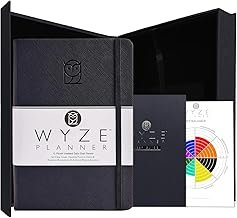
Check each product page for other buying options.
Highly rated by customers for quality and value. Click to see current pricing and customer reviews.