7 min read 1,438 words
Table of Contents
- Why the bullet journal Method Works for a Chaotic Lifestyle
- Pick Your Gear Without Overthinking It
- Set Up Your Core Collections in 20 Minutes
- Master the Daily Rapid Logging System
- Add Lifestyle Collections That Actually Support Your Goals
- Design a Quick Weekly Spread (If Daily Logs Feel Too Loose)
- Review and Adapt Your System Every Month
- Related Posts
- Related Posts
- Related Posts
- Related Posts
Last updated:
Disclosure: BulletJournals may earn a commission from qualifying purchases through affiliate links in this article. This helps support our work at no additional cost to you. Learn more.
Last updated: September 19, 2026
Disclosure: This post contains affiliate links. If you click through and make a purchase, we may earn a small commission at no extra cost to you. Thank you for supporting this site!
How to Start a Bullet Journal That Actually Sticks: A Lifestyle Guide for Beginners
Why the bullet journal Method Works for a Chaotic Lifestyle
- Understand the core philosophy: rapid logging, mindfulness, and intentionality — not artistic perfection.
- Discover how a single notebook replaces multiple apps, planners, and sticky notes to reduce mental clutter.
- Learn why the “migration” feature helps you separate what matters from what's just noise.
Pick Your Gear Without Overthinking It
- Choose a notebook with dot-grid pages (A5 size) and 100+ GSM paper to prevent ghosting with most pens.
- Start with one pen you already own — a fine-tip rollerball or gel pen works perfectly for your first month.
- Resist the urge to buy washi tape, stickers, or fancy markers until you've built the habit for at least two weeks.
Set Up Your Core Collections in 20 Minutes
- Create an “Index” (2–4 pages) where you number every page and log what's on it — this is your command center.
- Build a simple “Future Log” using 6 boxes (one per month) to capture events, deadlines, and goals 6 months out.
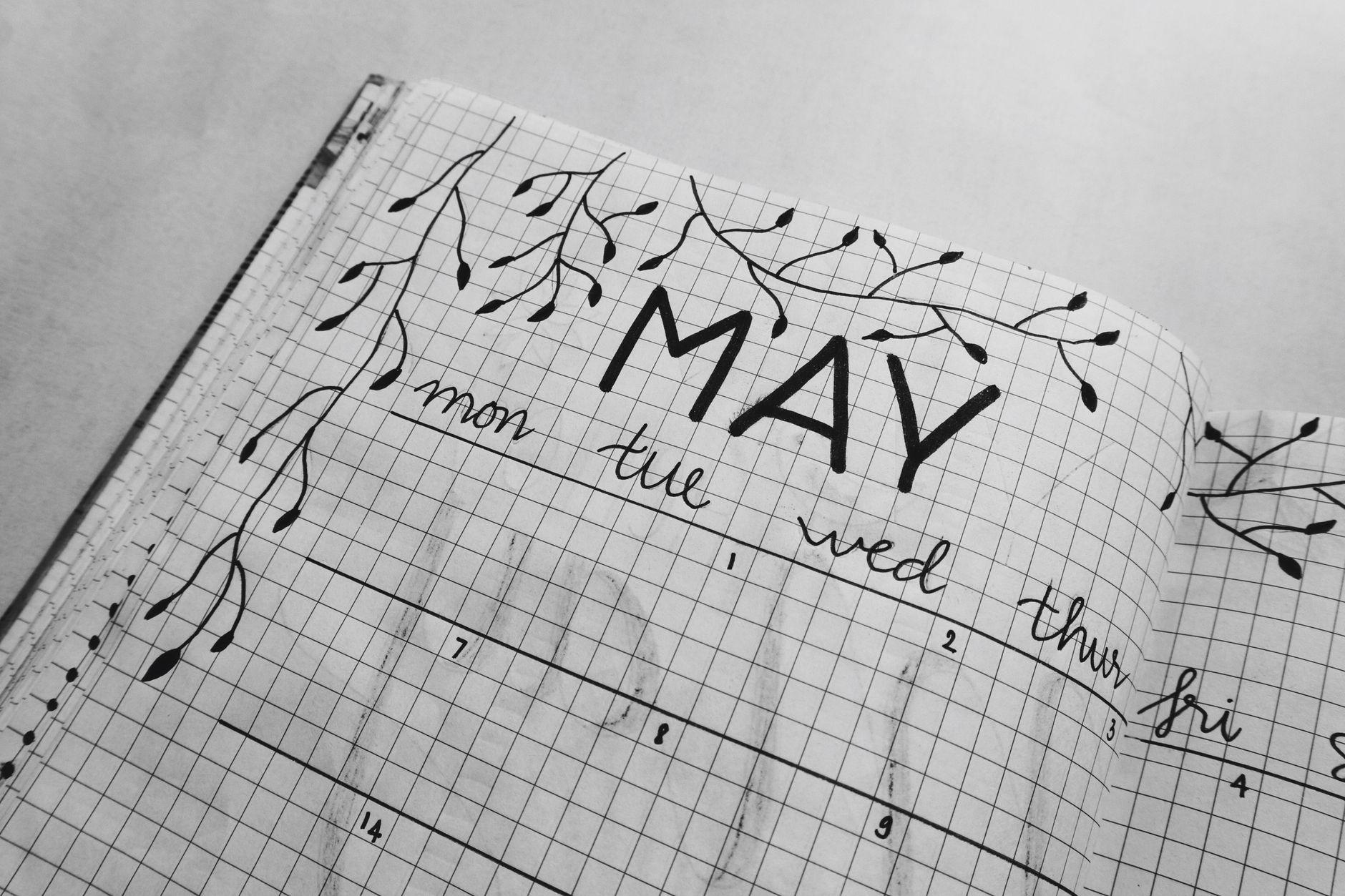
- Design a “Monthly Log” with a calendar page + a task list page — no decorations, just function.
Master the Daily Rapid Logging System
- Use only three signifiers: a dot (·) for tasks, a dash (–) for notes, and a circle (○) for events — keep it consistent.
- Migrate incomplete tasks at the end of each month: rewrite only what still matters; cross out or strike through the rest.
- Add one daily “gratitude or highlight” bullet as a private note to anchor your day in something positive.
Add Lifestyle Collections That Actually Support Your Goals
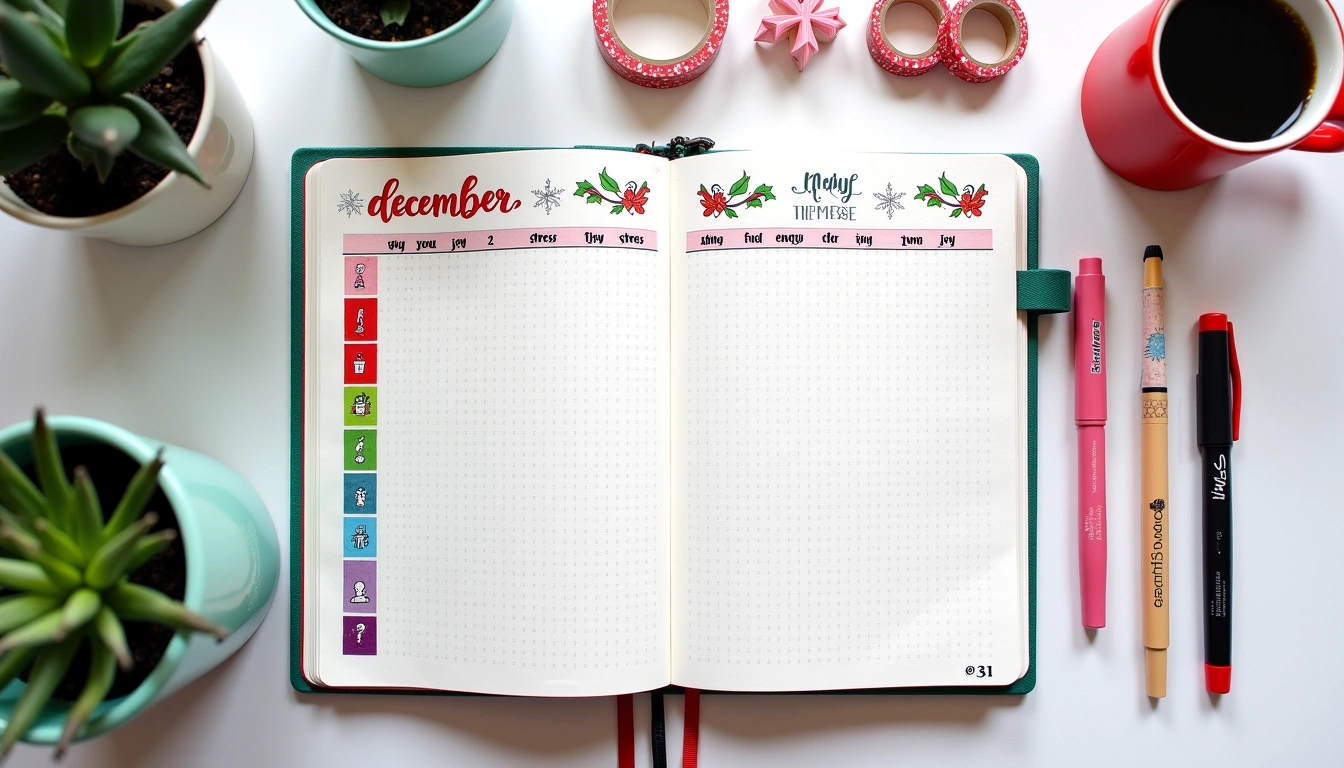
- Track habits with a simple monthly grid (rows = habits, columns = days) — limit yourself to 5 habits maximum per month.
- Create a “Brain Dump” page for random ideas, worries, and reminders so they stop circling in your head.
- Build a “Books & Media” log or a “Weekly Meal Grid” only if you'll realistically use it — one collection at a time.
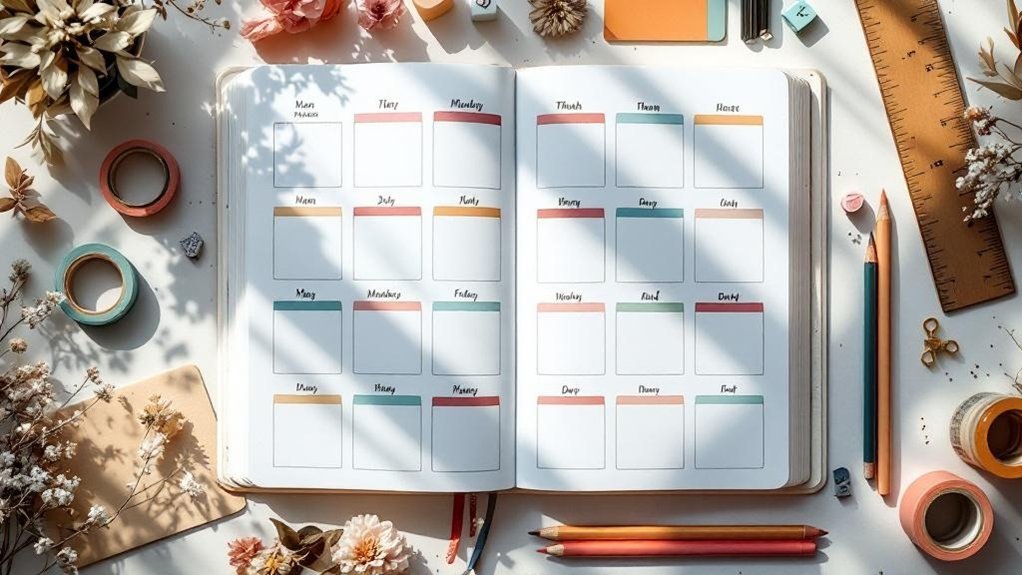
Design a Quick Weekly Spread (If Daily Logs Feel Too Loose)
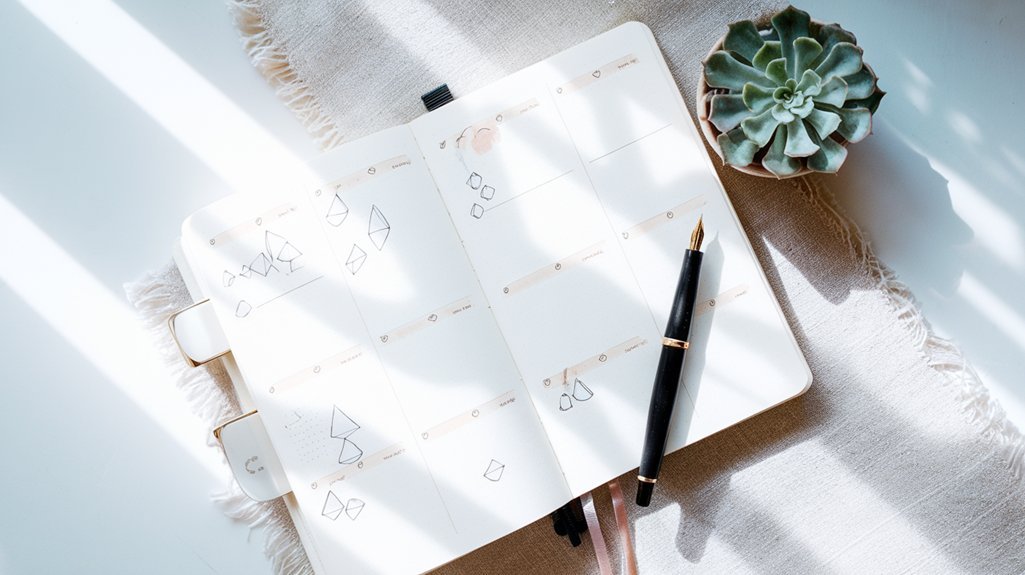
- Divide a two-page spread into 7 narrow columns (one per day) plus a small “Next Week” area on the right edge.
- Reserve the top row for your top 3 priorities each day — everything else goes in a running task list below.
- Use a simple highlight or a bracket to group tasks by category (work, home, health) without color-coding.
Review and Adapt Your System Every Month
- Schedule a 15-minute “monthly review” where you flip through the past month and migrate only what's still relevant.
- Ask yourself: “Which spread did I actually use? Which one felt like a chore?” — then drop the chore.
- Experiment with one small tweak per month (



Related Posts
Related Posts
Related Posts
Your Weekly Dose of Inspiration
Journaling ideas, family tips, and gentle inspiration.
Love this content?
Join the BulletJournals.net community for exclusive tips, guides, and updates.
Subscribe Free