- 1. Gather Your Tools and Set Your Intentions
- 2. Master the Core Framework: Rapid Logging
- 3. Build Your Foundational Collections
- 4. Design Custom Collections for Your Lifestyle
- 5. Develop a Sustainable Reflection Routine
- 6. Evolve Your System with Experimentation
- Related Posts
- Related Posts
- Related Posts
- Related Posts
- What do I actually need to start a bullet journal?
- What are the most important pages to set up first?
- I'm not artistic. Can I still use a bullet journal effectively?
- How do I keep my bullet journal from becoming another chore?
- Related Posts
Disclosure: This post contains affiliate links. If you click through and make a purchase, we may earn a small commission at no extra cost to you. Thank you for supporting this site!
The Lifestyle Bullet Journal: Your Practical Guide to Organizing Mind, Space, and Time
1. Gather Your Tools and Set Your Intentions
- Start simple: all you truly need is a notebook and a pen.
- Define your “why”: Is it for stress reduction, goal tracking, habit building, or creative expression?
2. Master the Core Framework: Rapid Logging
- Learn the basic syntax: Tasks (•), Events (○), and Notes (—).
- Practice using signifiers like (*) for priority or (!) for inspiration to quickly categorize entries.
3. Build Your Foundational Collections
- Create a Future Log for year-at-a-glance planning and big-picture goals.
- Set up a Monthly Log for calendar events and top-tier monthly tasks.
- Design your Daily Log as your flexible, go-to page for day-to-day rapid logging.
4. Design Custom Collections for Your Lifestyle
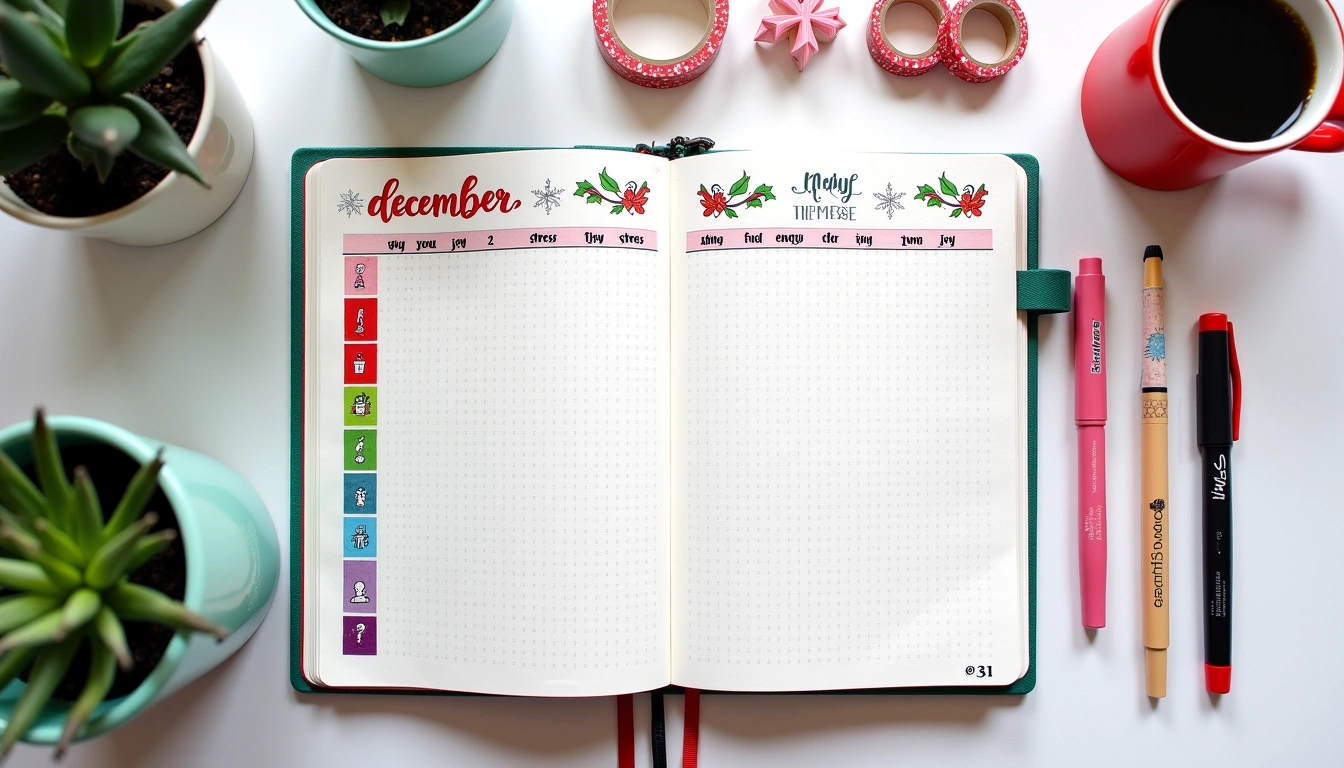
- Track habits or moods with a simple monthly tracker grid.
- Create a “Brain Dump” page to clear mental clutter and capture ideas.
- Make project or goal spreads for personal endeavors like home projects, reading lists, or fitness goals.
5. Develop a Sustainable Reflection Routine
- Perform a brief nightly review to migrate unfinished tasks and assess the day.
- Conduct a monthly reflection to review accomplishments, update collections, and set intentions for the coming month.
6. Evolve Your System with Experimentation
- Add minimal color or simple doodles only if it serves a function or brings you joy.
- Don't fear “mistakes” or blank pages; they are part of the organic, adaptable process.
Related Posts
How to Start a Bullet Journal for Beginners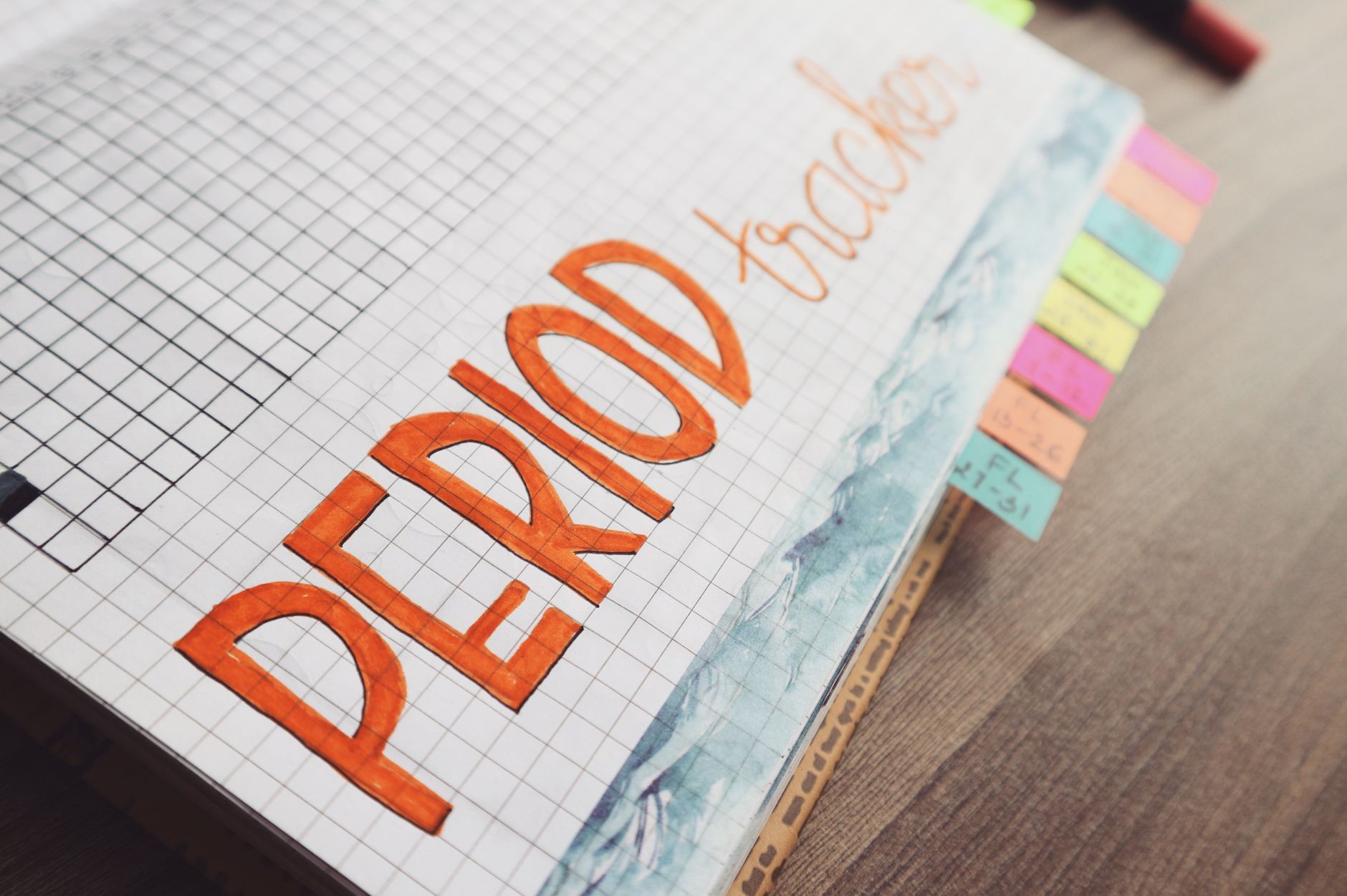
Ultimate Guide to Bullet Journal Templates: Free Downloads to Transform Your Planning
Digital Vs Paper Bullet Journals: Which One Works Better?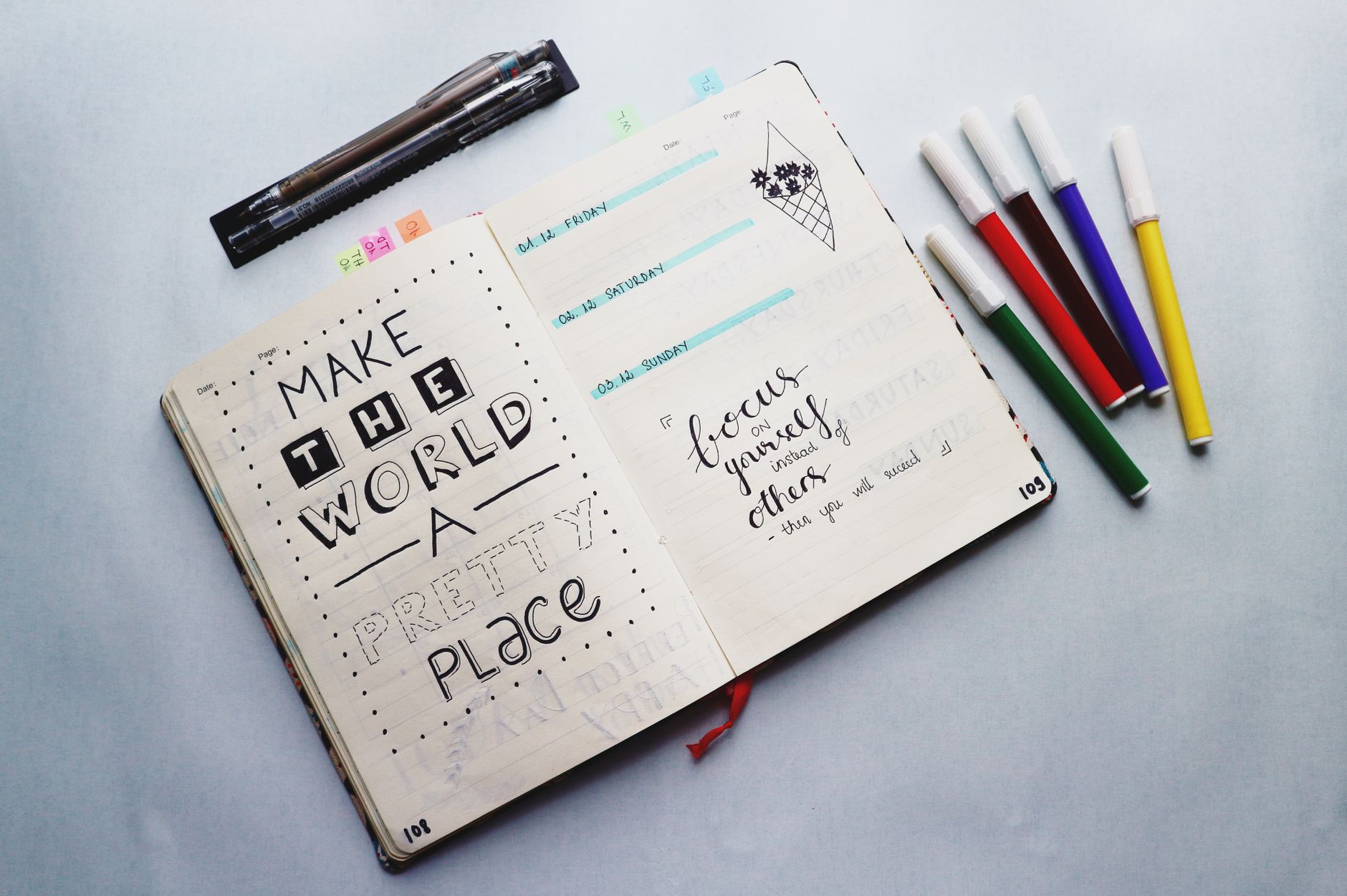
Beyond the Doodles: Actionable Bullet Journal Inspiration for a Balanced Lifestyle
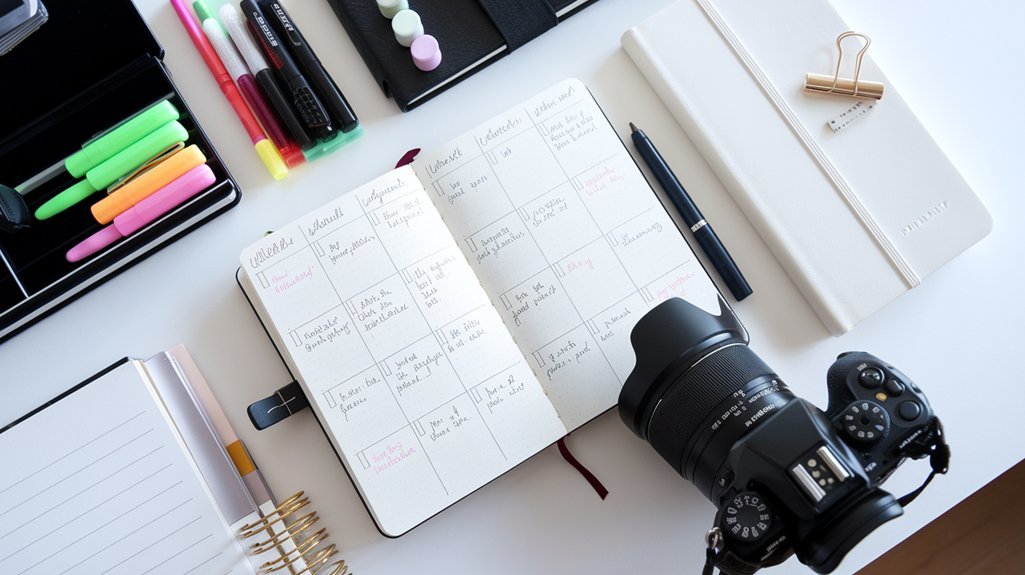
Monthly Goals: Your Bullet Journal Planning Blueprint
The Ultimate Bullet Journal For Students Guide for 2026
Why Weekly Habit Trackers Transform Your Bullet Journal
10 Habit Tracker Ideas Bullet Journal Pros Swear By
Related Posts
How to Start a Bullet Journal for Beginners
Ultimate Guide to Bullet Journal Templates: Free Downloads to Transform Your Planning
Digital Vs Paper Bullet Journals: Which One Works Better?
Beyond the Doodles: Actionable Bullet Journal Inspiration for a Balanced Lifestyle
Monthly Goals: Your Bullet Journal Planning Blueprint
The Ultimate Bullet Journal For Students Guide for 2026
Why Weekly Habit Trackers Transform Your Bullet Journal
10 Habit Tracker Ideas Bullet Journal Pros Swear By
Related Posts
How to Start a Bullet Journal for Beginners
Ultimate Guide to Bullet Journal Templates: Free Downloads to Transform Your Planning
Digital Vs Paper Bullet Journals: Which One Works Better?
Beyond the Doodles: Actionable Bullet Journal Inspiration for a Balanced Lifestyle
Monthly Goals: Your Bullet Journal Planning Blueprint
The Ultimate Bullet Journal For Students Guide for 2026
Why Weekly Habit Trackers Transform Your Bullet Journal
10 Habit Tracker Ideas Bullet Journal Pros Swear By
Related Posts
How to Start a Bullet Journal for Beginners
Ultimate Guide to Bullet Journal Templates: Free Downloads to Transform Your Planning
Digital Vs Paper Bullet Journals: Which One Works Better?
Beyond the Doodles: Actionable Bullet Journal Inspiration for a Balanced Lifestyle
Monthly Goals: Your Bullet Journal Planning Blueprint
The Ultimate Bullet Journal For Students Guide for 2026
Why Weekly Habit Trackers Transform Your Bullet Journal
10 Habit Tracker Ideas Bullet Journal Pros Swear By
What do I actually need to start a bullet journal?
You can start incredibly simply! All you truly need is a notebook and a pen. The focus isn't on having fancy supplies, but on the practice itself. Before you begin, take a moment to define your “why”—whether it's for stress reduction, goal tracking, or creative expression. This intention will guide your setup and keep you motivated.
What are the most important pages to set up first?
Begin with the core framework to stay organized. Create a Future Log for your year-at-a-glance goals, a Monthly Log for key events and tasks, and a Daily Log for your day-to-day notes. These foundational collections create a structure you can then build on with custom pages like habit trackers or brain dumps, tailored specifically to your lifestyle.
I'm not artistic. Can I still use a bullet journal effectively?
Absolutely! The bullet journal method is primarily about function, not art. The core system uses simple bullets (• for tasks, ○ for events) and quick signifiers. You only need to add minimal color or doodles if it serves a purpose or brings you joy. Remember, “mistakes” and blank pages are just part of the organic, adaptable process.
How do I keep my bullet journal from becoming another chore?
The key is developing a sustainable reflection routine. A brief nightly review to migrate unfinished tasks keeps it manageable. A monthly reflection helps you see accomplishments and set new intentions. Your journal should adapt with you—if a spread isn't working, change it! The goal is to reduce stress, not add to it, so keep it simple and functional.
Related Posts
How to Start a Bullet Journal for Beginners
Ultimate Guide to Bullet Journal Templates: Free Downloads to Transform Your Planning
Digital Vs Paper Bullet Journals: Which One Works Better?
Beyond the Doodles: Actionable Bullet Journal Inspiration for a Balanced Lifestyle
Monthly Goals: Your Bullet Journal Planning Blueprint
The Ultimate Bullet Journal For Students Guide for 2026
Why Weekly Habit Trackers Transform Your Bullet Journal
10 Habit Tracker Ideas Bullet Journal Pros Swear By
Related: Bullet Journal: Best Pens for Bullet Journaling in 2026 – Smooth & Reliable
Your Weekly Dose of Inspiration
Journaling ideas, family tips, and gentle inspiration.
Love this content?
Join the BulletJournals.net community for exclusive tips, guides, and updates.
Subscribe Free