After seven years of bullet journaling, I've learned something crucial. The magic isn't in having the most expensive supplies—it's in finding the right tools that work with your style. When I started my first bullet journal back in 2017? I went overboard buying every pretty pen and washi tape I could find. Spoiler alert: most of them ended up in a drawer.
The bullet journaling system, created by Ryder Carroll, is brilliant because it's adaptable. You can create an effective planning system with just a notebook and pen. Or you can build something more elaborate with specialized tools. The key is knowing what you actually need versus what looks good on Instagram.
Whether you're just starting out or looking to upgrade your current setup, I'll walk you through everything from absolute essentials to splurge-worthy additions. We'll cover options for every budget. Why? Because effective bullet journaling shouldn't break the bank.
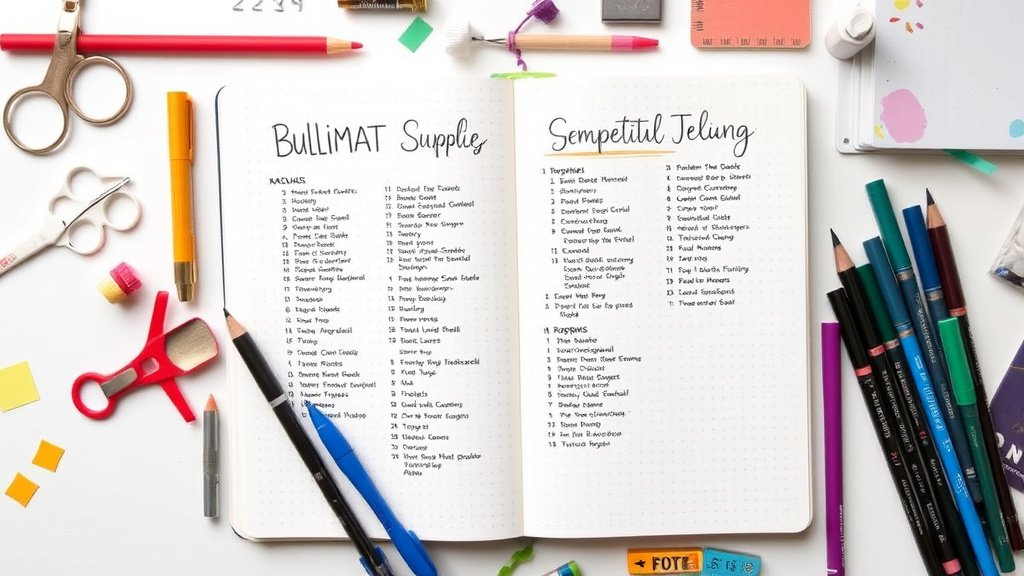
Essential Bullet Journal Supplies for Beginners
The Foundation: Choosing Your Notebook
Your notebook is the heart of your bullet journal system. After trying dozens of different options (and I mean dozens), here's what actually matters:
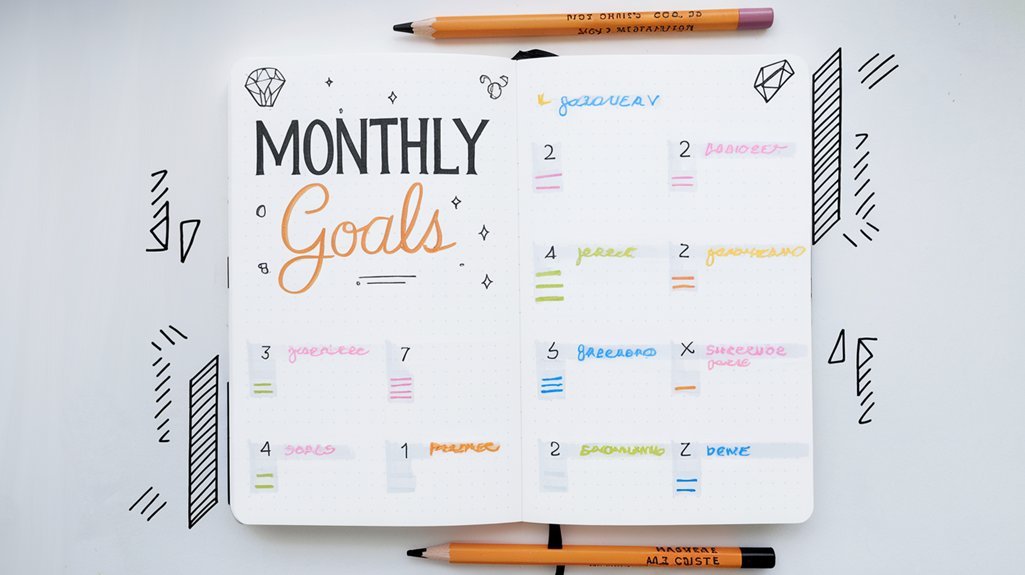
Page Layout: Dot grid is the gold standard for bullet journaling. The dots provide subtle guidance without being restrictive like lines. They're perfect for creating layouts, drawing boxes, and keeping writing straight. Lined paper works too. But blank pages? They can be tricky for beginners who need some structure.
Size Considerations: A5 (approximately 5.8″ x 8.3″) hits the sweet spot for most people. It's large enough for detailed layouts but portable enough for daily carry. I've tried pocket-sized journals—they're cute but frustrating when you need space. Larger formats can feel overwhelming at first.
Paper Quality: Look for paper that's at least 80gsm (grams per square meter). Thinner paper leads to bleed-through, which ruins the back of your pages. Trust me on this—there's nothing more annoying than beautiful layouts ruined by pen marks showing through.
For beginners, I recommend starting with a Scribbles That Matter or Archer & Olive notebook. They offer excellent paper quality without the premium price tag of luxury brands.
Writing Instruments: Pens That Perform
You need pens that won't let you down when you're quickly jotting notes or creating detailed layouts. Here's what matters:
Essential Characteristics:
- Quick-dry ink (no smudging when you close your journal)
- Consistent flow (no skipping or starting issues)
- Comfortable grip for extended writing sessions
- Won't bleed through quality paper
My go-to recommendation for beginners? The Pilot G2 0.5mm. It's affordable, reliable, and available everywhere. For something slightly more refined, try the Uni-ball Jetstream—it has incredibly smooth ink flow and dries almost instantly.
Basic Tools for Structure and Organization
A simple ruler is invaluable for creating clean layouts. You don't need anything fancy. A basic 6-inch plastic ruler works perfectly for drawing habit trackers, monthly calendars, and dividing pages.
A mechanical pencil (0.5mm or 0.7mm) is essential for sketching layouts before committing with ink. I plan most of my spreads in pencil first, then trace over with pen once I'm happy with the design.
A good eraser saves layouts from becoming messy disasters. Kneaded erasers are gentle on paper and won't leave residue.
Premium Supplies to Enhance Your Bullet Journal Experience
High-End Notebooks and Paper Options
Once you're hooked on bullet journaling (and you will be), you might want to upgrade your notebook experience:
Leuchtturm1917 is the notebook Ryder Carroll himself uses and recommends. The paper quality is exceptional. Plus, the pre-numbered pages with index make reference easy. The subtle perforation on each page lets you cleanly remove pages if needed.
Moleskine offers classic appeal with reliable paper quality. Their hard covers protect your journal beautifully. Thing is, some users find the paper slightly more prone to bleed-through than Leuchtturm.
Rhodia notebooks feature incredibly smooth paper that's a joy to write on. The French-made paper handles fountain pens beautifully if you want to explore different writing instruments.
Professional-Grade Writing Tools
Fine-tip markers like Stabilo Point 88 or Staedtler Triplus Fineliner offer consistent lines and vibrant colors. They're perfect for headers, color-coding, and adding visual interest without overwhelming your layouts.
Brush pens such as Tombow Dual Brush Pens provide versatility—you get both fine tip and brush tip in one pen. They're excellent for hand lettering and creating beautiful headers.
Fountain pens might seem fancy, but they're actually practical for bullet journaling. They require less pressure to write, reducing hand fatigue during long planning sessions. The Pilot Metropolitan or Lamy Safari are excellent starting fountain pens.
Advanced Layout and Design Tools
Professional rulers and triangles help create precise geometric layouts. A clear acrylic ruler with multiple measurement systems gives you more layout options.
Templates and stencils speed up repetitive elements. Think circles for habit trackers or consistent lettering. You can buy these or make your own from cardstock.
Color and Creativity Supplies
Markers and Highlighters for Color Coding
Color-coding transforms bullet journals from simple lists into visual systems. Different colors can represent categories, priorities, or moods. Makes information easier to scan and process.
Dual-tip markers like Crayola Supertips offer great value—you get both fine and broad tips in one marker. They're not the highest quality. But they're perfect for trying out color coding before investing in premium options.
Highlighters designed for bullet journaling, like Zebra Mildliner, provide soft colors that don't overpower your text. They're subtle enough for everyday use but distinct enough for effective organization.
Decorative Elements and Artistic Tools
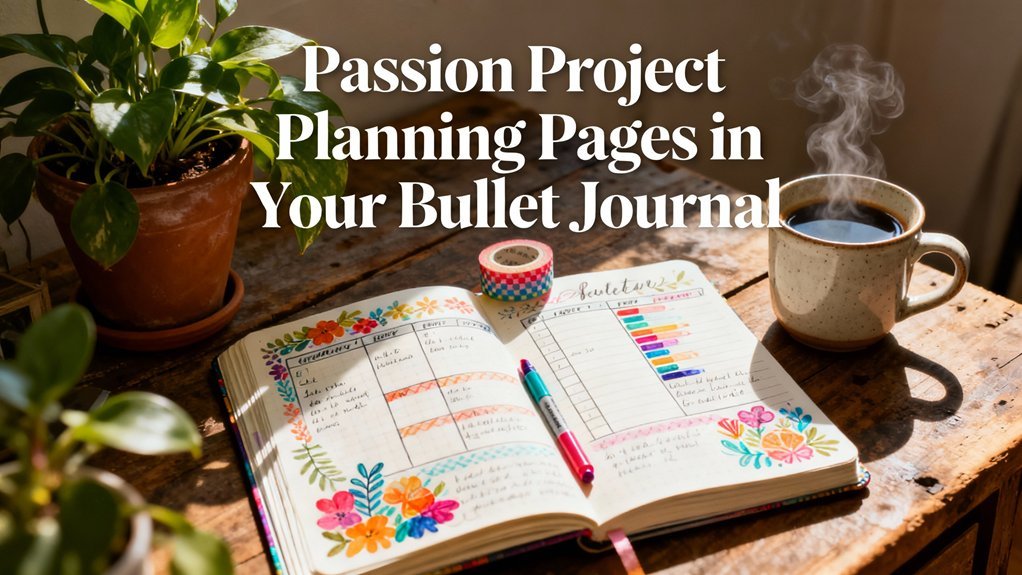
Washi tape is probably the most popular bullet journal decorative element. It's repositionable, comes in countless patterns, and adds instant visual appeal. Start with basic colors and patterns—you can always expand your collection.
Stickers and stamps can save time when creating repetitive elements. Weather stickers for mood tracking? Perfect. Small decorative elements can enhance layouts without requiring artistic skills.
Colored pencils offer more control than markers for detailed illustrations. Prismacolor Scholar pencils provide good quality at a reasonable price point.
Adhesive Supplies and Embellishments
Glue sticks are essential if you like incorporating printed elements, photos, or memorabilia into your journal. Choose acid-free options to prevent yellowing over time.
Double-sided tape creates cleaner attachment than liquid glues. Won't cause paper to wrinkle either.
Digital Integration and Modern Tools
Apps and Digital Companions
While bullet journaling is inherently analog, digital tools can enhance the experience. Here's what works:
Photography apps help document your favorite layouts for future reference. I keep a simple photo album on my phone of spreads I want to recreate or reference.
Color palette apps like Coolors help plan cohesive color schemes for themed months or special projects.
Habit tracking apps can supplement your paper tracker with notifications and longer-term data analysis.
Modern Writing and Planning Tools
Smart pens like the Rocketbook Pilot allow you to digitize handwritten content. While not essential? They're useful if you want digital backups of important layouts.
Digital rulers and apps on tablets can help plan complex layouts before transferring them to paper.
Budget-Friendly Alternatives and DIY Solutions
Affordable Notebook Options
Don't let budget constraints stop you from starting. These options deliver great value:
Composition notebooks can work perfectly for bullet journaling. Add your own dots using a ruler and light pencil if you prefer dot grid to lines.
Walmart's Exceed brand offers surprisingly good paper quality at fraction of premium notebook prices. Their dot grid journals work well for most pens and even some markers.
Five Minute Journal often goes on sale and provides excellent paper quality. Plus helpful prompts if you're combining gratitude practice with bullet journaling.
Cost-Effective Writing and Drawing Tools
Bic Cristal pens are incredibly reliable and cheap. They might not be fancy. But they won't let you down.
Crayola markers and colored pencils offer good color selection at low prices. They're perfect for testing whether you enjoy colorful layouts before investing in premium art supplies.
Dollar store rulers, erasers, and basic supplies work just fine for fundamental bullet journal needs.
DIY Supplies and Repurposed Materials
Create your own stencils from cereal box cardboard. Cut out circles, squares, or lettering guides customized to your needs.
Make washi tape from decorative paper and double-sided tape. Custom patterns and colors without the premium price.
Repurpose old magazines for color swatches, letter cutouts, or inspirational images to incorporate into layouts.
Specialized Supplies for Different Bullet Journal Styles
Minimalist Bullet Journal Supplies
If you prefer clean, simple layouts:
- One high-quality black pen (like Muji Gel Ink)
- Plain notebook with good paper
- Simple ruler
- Pencil and eraser
That's it. Minimalist bullet journaling focuses on function over form, and these basic supplies are all you need for an effective system.
Artistic and Creative Journaling Tools
For those who love artistic expression:
- Watercolor pencils for soft, blendable colors
- Brush markers in various tip sizes
- Mixed media paper that can handle various mediums
- Masking tape for creating clean edges and geometric designs
- White gel pen for highlights and details on dark backgrounds
Recommended for You
🛒 Dotted Journal Notebook
As an Amazon Associate we earn from qualifying purchases.
Productivity-Focused Organization Tools
If bullet journaling is primarily about productivity:
- Multiple pen colors for different categories or priorities
- Small sticky notes for temporary reminders
- Calculator for budget tracking and goal metrics
- Timer for time-blocking and productivity techniques
- Graph paper inserts for detailed project planning
Organization and Storage Solutions
Portable Storage for Supplies
A good pencil case keeps your essential supplies organized and portable. Look for cases with multiple compartments to separate pens from erasers and rulers.
Pencil wraps made from fabric or leather provide elegant storage for your favorite pens. They protect their tips too.
Small plastic containers (like mint tins) work perfectly for paper clips, small stickers, or other tiny supplies.
Desk Organization Systems
Desk caddies keep frequently used supplies within reach during planning sessions. Choose one with compartments sized for your specific tools.
Drawer organizers prevent supplies from becoming a jumbled mess. Small boxes or dividers help maintain organization over time.
Travel-Friendly Options
All-in-one kits combine basic supplies in compact packaging. Perfect for maintaining your bullet journal habit while traveling.
Digital backups of your most-used layouts ensure you can recreate them anywhere with just basic supplies.
Maintenance and Care for Your Supplies
Extending the Life of Your Tools
Store pens horizontally to prevent ink from pooling and ensure consistent flow.
Cap markers immediately after use to prevent drying out. Even a few seconds of exposure can affect tip quality.
Clean ruler edges regularly to prevent ink transfer to clean pages.
Proper Storage Techniques
Keep notebooks closed when not in use. Prevents dust accumulation and page damage.
Store supplies in consistent temperatures to prevent ink consistency issues.
Separate different types of supplies to prevent chemical reactions or damage.
When to Replace and Upgrade
Replace pens when they start skipping consistently—struggling with unreliable tools frustrates the creative process.
Upgrade notebooks when you've identified specific features you want (better paper, different size, etc.) rather than just wanting something new.
Consider seasonal supply refresh. Maintains enthusiasm and lets you try new tools that might improve your system.
Shopping Guide and Recommendations
Where to Buy Bullet Journal Supplies
Amazon offers the widest selection and competitive prices. Especially good for trying new brands or buying in bulk.
Local craft stores like Michaels or Hobby Lobby often have sales and coupons that make premium supplies more affordable. You can also test pens before buying.
Specialty stationery shops provide expert advice and often carry unique or imported supplies not available elsewhere.
Dollar stores are perfect for basic supplies. Great for experimentation without financial commitment.
Brand Comparisons and Reviews
After years of testing (and I mean years), here are my most reliable brands:
For notebooks: Scribbles That Matter offers the best value, Leuchtturm1917 for premium quality
For pens: Pilot G2 for reliability, Tombow for artistic applications
For markers: Stabilo Point 88 for fine lines, Tombow Dual Brush for versatility
For organization: Muji for minimalist aesthetic, various brands for specific functions
Building Your Supply Kit Gradually
Start with absolute basics: notebook, reliable pen, pencil, ruler, eraser. Use this setup for at least a month to understand your natural bullet journaling style.
Add one new element at a time. Maybe try color-coding with a second pen color. Then gradually introduce markers or decorative elements.
Avoid buying complete supply sets until you know what you actually use. Everyone's bullet journal style is different. What works for others might not work for you.
Finding Your Perfect Supply Balance
The best bullet journal supplies are the ones you'll actually use consistently. After seven years and countless supply experiments (trust me on this), I've learned that starting simple and building gradually creates the most sustainable practice.
Your perfect supply list will be unique. Depends on your style, budget, and goals. The minimalist might thrive with just a notebook and pen. The artistic journaler might need a rainbow of supplies. Both approaches are valid—what matters is finding what supports your planning and creativity.
Remember this: Ryder Carroll created the bullet journal system using basic supplies available to everyone. The system's power comes from the method, not the materials. Start where you are, use what you have, and let your practice evolve naturally.
Ready to begin or upgrade your bullet journal journey? Start with the essentials, experiment thoughtfully, and most importantly—enjoy the process of creating a planning system that's uniquely yours.