Disclosure: This post contains affiliate links. If you click through and make a purchase, we may earn a small commission at no extra cost to you. Thank you for supporting this site!
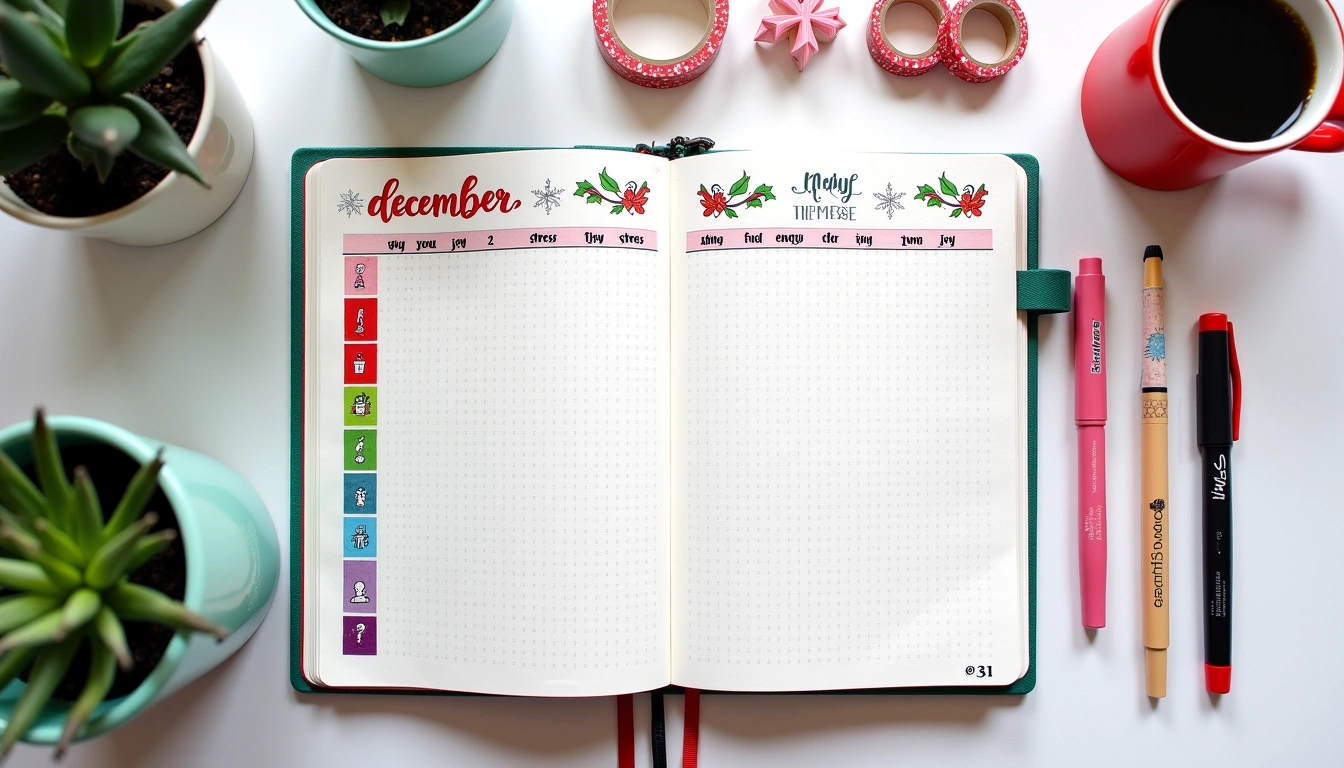
I spent 45 minutes designing a weekly spread once. It had 7 color-coded columns, 4 habit trackers with individual color keys, a meal plan section, a water intake tracker, a mood log, and a “gratitude log” that I filled out exactly twice before I abandoned the whole notebook. I felt incredibly productive while drawing those boxes. But I wasn't actually doing my work. I was just planning to plan. That's the trap of the complex planner. It gives you the dopamine hit of organization without the actual satisfaction of getting things done. That's when I discovered minimalist daily planning. It's not about having a boring, empty planner. It's about having a planner that actually works so you can stop fussing with it and go live your life. Let me show you exactly how to build one.
The Overwhelm Paradox: Why More Boxes Mean Less Progress
Here's the uncomfortable truth most planner influencers won't tell you: complexity is often a hobby, not a productivity system. A 2011 study from the University of Minnesota found that making repeated choices depletes your self-control. Every color decision, every box you draw, every sticker you place is a micro-decision that drains your willpower reserve. By the time you're done setting up your planner, you've spent the mental energy you needed for your actual tasks.
I learned this the hard way. I bought a Hobonichi Cousin with its perfectly laid out hourly breakdown. It felt like a beautiful cage. The pressure to fill every hour was paralyzing. I started lying to my planner, writing down tasks I'd already done just to make the page look complete. That's when I realized my planner had become a performance tool instead of a practical one. The goal of a planner isn't to look full. It's to help you do less of what doesn't matter and more of what does.
The minimalist approach solves this by reducing the number of decisions you make in your planner so you have more energy for decisions outside of it. You stop designing a system and start using one.
The Minimalist Mindset: Constraints Breed Creativity
Minimalist planning is really just ruthless prioritization applied to paper. If you have 3 “must-do” tasks and 7 “should-do” tasks, you don't have 10 tasks. You have 3 tasks and 7 distractions. Greg McKeown's book Essentialism calls this the “less but better” approach. Your daily planner should reflect this philosophy. Every element on the page needs to earn its place by answering one question: “Does this help me get my most important work done today?”
I tried the “brain dump” method for a while. I'd write down every single thought, errand, and idea onto my daily page. It was chaos. My brain felt lighter, but my page was a mess. I couldn't find the critical tasks buried under “buy cat food” and “research vacation rentals.” The minimalist mindset isn't about dumping everything. It's about filtering everything. You are the gatekeeper of your own attention. Your planner is just the tool that helps you guard it.
This shift in mindset was the real game-changer for me — not a specific pen or
Related from our network
- Buying Complete To Choosing Your First Adventure Smartwatch? Read This First (2026) (wearablegearreviews)
- How to Set Up Google Home Mini – Complete Beginner Guide (smarthomewizards)
- Best Smart Water Leak Sensors 2025: Protect Your Home From Water Damage (theconnectedhaven)
Related Posts





Your Weekly Dose of Inspiration
Journaling ideas, family tips, and gentle inspiration.
Love this content?
Join the BulletJournals.net community for exclusive tips, guides, and updates.
Subscribe Free