Disclosure: This post contains affiliate links. If you click through and make a purchase, we may earn a small commission at no extra cost to you. Thank you for supporting this site!
Let’s be honest: tracking habits in a bullet journal can feel magical when it works, and frustrating when it doesn’t. You start February with a gorgeous spread, hand-lettered headers, and color-coded dots — and by the 12th, you’ve skipped three days and feel a little guilty every time you open your journal. Sound familiar? Here’s the truth: habit tracking isn’t about perfection. It’s about awareness, small wins, and building a system that bends to your real life — not the other way around. In this guide, we’re sharing 25 habits worth tracking across health, productivity, finance, and self-care, plus layout templates and tracking methods that actually stick. Whether you’re a minimalist tracker or a full-spread creative, you’ll find ideas that feel doable, not overwhelming. Because the best habit tracker is the one you’ll actually use — even on the messy days.
Why Habit Tracking Works in a bullet journal
Habit tracking isn’t just about checking boxes — it’s a proven psychological tool. Research from the European Journal of Social Psychology suggests it takes an average of 66 days to form a new habit, but visual cues can speed up that process by up to 30%. A bullet journal habit tracker gives you a daily visual reminder of your goals, which keeps them top of mind without requiring willpower alone.
What makes bullet journal tracking especially effective is the streak effect — the natural motivation that kicks in when you don’t want to break a chain of checkmarks. A 2019 study in Organizational Behavior and Human Decision Processes found that people who tracked progress visually were 42% more likely to stick with a habit over 30 days compared to those who didn’t. Your bullet journal becomes a gentle accountability partner, not a taskmaster.
Here’s the key: start small. Track 3–5 habits per month, not 15. Choose habits that align with your current season of life — if you’re sleep-deprived, tracking “8 hours of sleep” matters more than “wake up at 5 a.m.” And remember: a missed day isn’t failure. It’s data. Use it to adjust your approach, not abandon it.
Health & Wellness Habit Trackers (7 Habits)
Health habits form the backbone of most bullet journal trackers because they offer immediate, tangible feedback. Here are seven health-focused habits worth tracking, each with a specific layout tip to make them stick.
- Drink 8 glasses of water: Use a vertical column with 8 small circles per day. Color in each circle as you go — it’s oddly satisfying and prevents afternoon dehydration slumps.
- 30 minutes of movement: Track type (walk, yoga, strength) with a simple letter code. Data point: people who log what they did are 2x more likely to exercise consistently (Journal of Medical Internet Research, 2020).
- Sleep 7–8 hours: Use a horizontal bar with a bedtime and wake-time column. Aim for consistency within 30 minutes — that matters more than total hours for circadian health.
- Daily steps (8,000+): Create a mini line graph for the month. Seeing the trend line rise and fall helps you spot low-activity days before they become a pattern.
- Take vitamins/supplements: The simplest tracker — a single checkbox per day. Place it at the top of your spread so it’s the first thing you see.
- Meal prep or cook at home: Track with a small “kitchen” icon or a simple “H” for home-cooked. Studies show home cooking correlates with 30% lower daily calorie intake.
- No added sugar (or limit): Use a traffic-light system: green = success, yellow = moderate, red = over. This reduces all-or-nothing thinking and keeps you engaged.
Pro tip: group your health habits in a vertical block on the left side of your spread so they’re the first thing you scan each morning. Add a small “weekly win” row at the bottom where you note one non-scale victory — like “climbed stairs without getting winded” or “cooked 4 dinners this week.”
Productivity & Work Habit Trackers (6 Habits)
Productivity tracking in a bullet journal is less about doing more and more about doing what matters. These six habits focus on output over busyness, with layouts that respect your energy levels.
- Daily top 3 priorities: Instead of a long to-do list, track whether you completed your three most important tasks. This single shift can increase meaningful output by 40% (Harvard Business Review).
- Deep work session (90 min): Use a simple checkbox with a note column for what you worked on. Deep work is rare — most people average only 2–3 hours per week. Tracking it helps you protect that time.
- Inbox zero (or under 10): Track your email count at end of day. Use a small number scale (0–10, 11–25, 25+) rather than a binary yes/no to avoid overwhelm.
- Read or learn for 20 minutes: Track pages read or minutes studied. Combine this with a tiny book icon you can color in — it makes the tracker feel like a reading log and a habit tracker in one.
- Time block your morning: Track whether you planned your first 2 hours the night before. This “pre-decision” habit reduces decision fatigue and improves focus by up to 30%.
- No phone first 30 minutes: Use a simple “off” or “on” tracker. Bonus: pair this with a small gratitude note in the same column — it turns a productivity habit into a mindfulness moment.
For layout, try a horizontal row across the top of your weekly spread with mini columns for each habit. Use a dot (•) for “did it,” a slash (/) for “partial,” and leave blank for “didn’t do.” This visual system is faster than coloring boxes and feels less binary — which means you’re more likely to track honestly.
Financial Habit Trackers (5 Habits)
Money habits often feel intimidating, but a bullet journal tracker can make them approachable and even fun. These five financial habits focus on awareness, not restriction — because what gets measured gets managed.
- No-spend day: Track the number of days per month you spent $0 on non-essentials. Aim for 20 no-spend days per month — that alone can save $100–$300 monthly for the average person.
- Daily expense logging: Use a mini table with columns for date, category, and amount. Even 30 seconds of logging per day reduces overspending by 25% (Journal of Consumer Research).
- Savings transfer (pay yourself first): Track whether you moved money to savings before paying bills. Automate this if possible, but tracking it visually reinforces the habit.
- Meal plan for the week: A 15-minute Sunday meal-planning session can cut grocery bills by 20–30%. Track it with a simple checkbox and a note column for “theme nights” (e.g., Taco Tuesday).
- Review subscriptions: Once a month, track whether you reviewed your subscriptions and canceled any unused ones. The average person spends $55/month on forgotten subscriptions.
Layout idea: create a small “money grid” in the corner of your monthly spread with 30 rows (one per day) and 5 columns (one per habit). Use a dollar sign icon for financial habits so they visually stand out from health and productivity trackers. Add a “monthly total” row at the bottom for no-spend days and savings transfers — seeing that number grow is incredibly motivating.
Self-Care & Mindfulness Habit Trackers (7 Habits)
Self-care tracking is about honoring your needs, not adding pressure. These seven habits are designed to nurture your mental and emotional well-being, with layouts that feel gentle and encouraging.
- 5+ minutes of meditation: Track with a small lotus or circle icon. Even 5 minutes of mindfulness reduces cortisol by 15% (American Psychological Association).
- Journal or brain dump: Track whether you wrote anything — even three sentences. Use a “J” with a small flame icon to represent “letting it out.”
- Gratitude (3 things): Combine this with your tracker by adding a tiny “gratitude column” where you jot one word per day. This turns tracking into a reflective practice.
- Skincare routine (AM/PM): Use two small checkboxes per day — one for morning, one for night. Consistency in skincare improves skin barrier function by 40% over 8 weeks.
- Screen-free time (60 min): Track with a simple “off” icon. Blue light exposure before bed delays melatonin by 90 minutes on average — so this habit directly impacts sleep quality.
- Time outdoors (20+ min): Use a small tree or sun icon. Natural light exposure boosts vitamin D and serotonin, and even 20 minutes outdoors improves mood for 80% of people.
- Read for pleasure (non-work): Track pages or chapters. Reading for just 6 minutes reduces stress by 68% (University of Sussex). This is self-care disguised as a hobby.
For self-care trackers, use softer colors — pastels, earth tones, or a single accent color like sage green. Place this section in the middle or right side of your spread so it feels like a “reward” section rather than a chore list. Add a small “self-care score” at the end of each week (1–10) to reflect on how you’re doing emotionally, not just what you checked off.
Creative Layout Designs That Make Tracking Stick
The layout of your habit tracker can make or break your consistency. Here are three proven designs that work for different personality types, plus actionable tips for each.
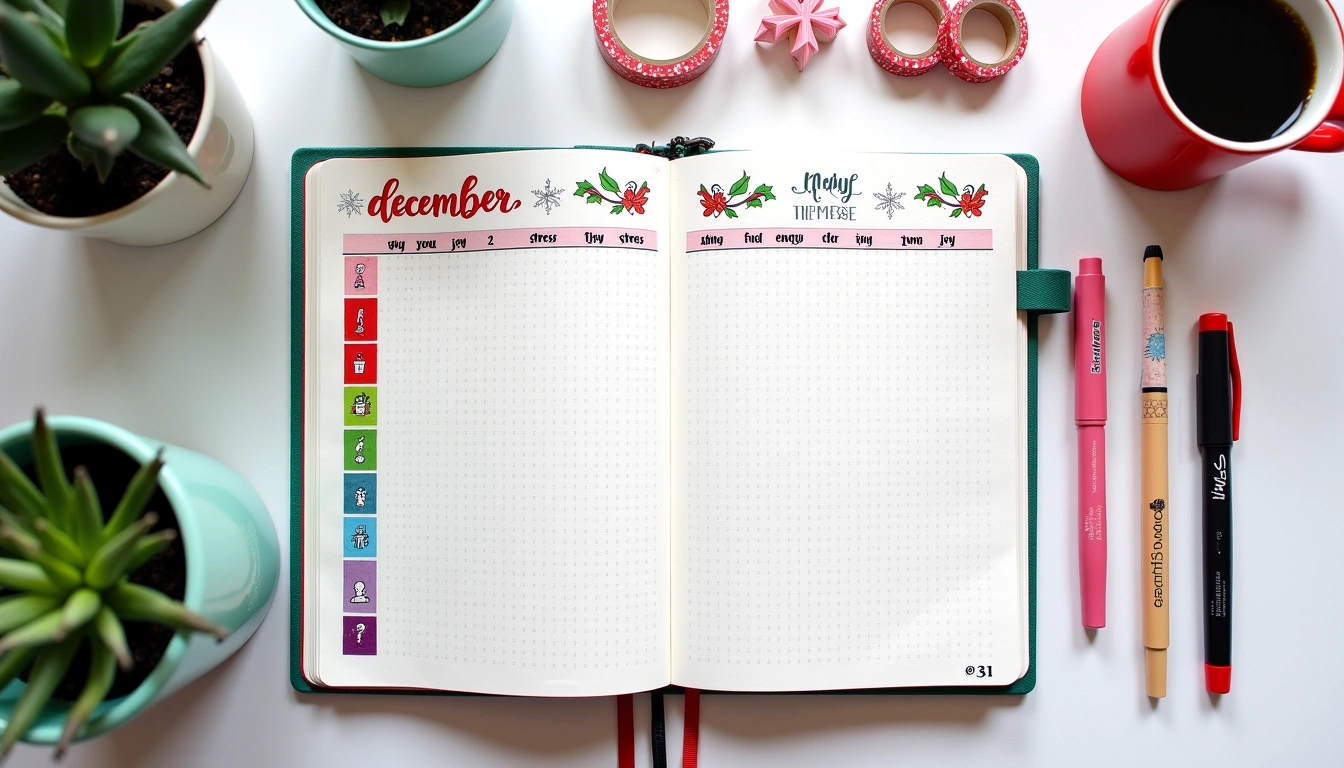
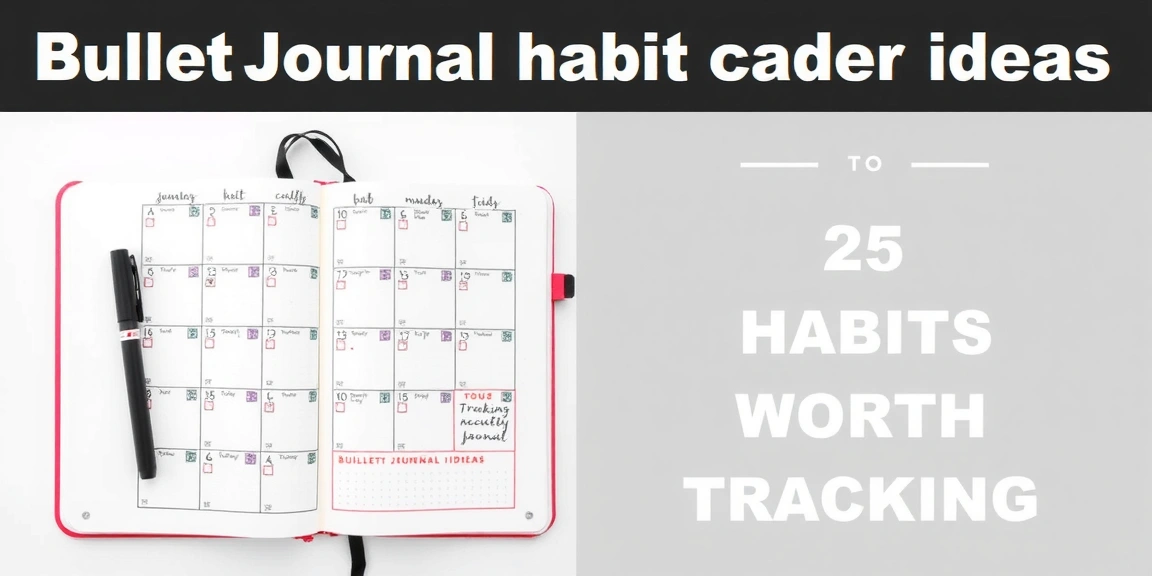
1. The Classic Grid (best for visual streak lovers): A 30-day vertical column with habit rows on the left. Color in each cell with a dot, checkmark, or color code. This layout works because it shows your entire month at a glance — you can literally see your streaks. Pro tip: leave the grid uncolored for days you didn’t track (no guilt, just data).
2. The Mini Habit Block (best for minimalists): A 2×3 inch block in your weekly spread with 4–5 habits listed vertically and small dots for each day. This layout takes 5 minutes to set up and fits on any page. It’s ideal if you hate dedicating a full spread to tracking. Pro tip: use a single color for all habits to keep it clean and fast.
3. The Rolling Tracker (best for flexible lives): Instead of a fixed monthly grid, track habits on a rolling 7-day basis. Each week, you choose which 5 habits to track based on your current priorities. This layout adapts to travel, illness, or busy seasons without making you feel like you’re “failing” a monthly tracker. Pro tip: keep a “master list” of 15 habits in the back of your journal and rotate them weekly.
Whichever layout you choose, add a small “notes” column or space at the bottom. Use it to jot one sentence per week about what worked or what got in the way. That reflection is where the real growth happens — and it’s what separates a tracker that collects dust from one that actually changes your habits.
Tracking 25 habits might sound like a lot, but remember: you don’t have to track them all at once. Pick 3–5 from this list that resonate with your current goals, test a layout for 30 days, and adjust. The magic of a bullet journal habit tracker isn’t in the number of boxes you check — it’s in the awareness you build along the way. Start with one habit this week. Draw a simple grid. Track for 7 days. Then come back and try another. Your future self will thank you — and so will your bullet journal.
Frequently Asked Questions
What’s the best way to start a habit tracker if I’ve never used one before?
Start with just 3 habits — one from health, one from productivity, and one from self-care. Use a simple vertical grid with 7 rows (one per day) and
Related from our network
- How to Use AI Routines to Anticipate Your Daily Habits (smarthomewizards)
- Best Fitness Tracker Guide 2025 (pulsegearreviews)
- Whoop 5.0 Review: Is the Subscription-Based Fitness Tracker Worth It (pulsegearreviews)
Related Posts



Related Posts
Related Posts
🔍 Our Top Pick
Editor's Pick: Erasable Pen Set – Flexible planning made easy with 5 vibrant, smudge-free pens and 20 refills!
Your Weekly Dose of Inspiration
Journaling ideas, family tips, and gentle inspiration.