Disclosure: This post contains affiliate links. If you click through and make a purchase, we may earn a small commission at no extra cost to you. Thank you for supporting this site!
The new year brings fresh opportunities to redesign your bullet journal—and 2026 is the perfect time to try trending spreads that blend aesthetics with functionality. Whether you're a seasoned journaler or picking up a pen for the first time, creative spreads can transform how you track habits, manage finances, and organize your life. This guide explores 15 inspiring bullet journal setup ideas that work across different journal sizes, skill levels, and artistic preferences. From minimalist designs to full-color illustrations, you'll find spreads that fit your unique style without requiring advanced drawing skills. These layouts aren't about perfectionism; they're about creating a system that feels good to use and actually works for your life. Let's dive into trending spreads that will make your 2026 journal both beautiful and purposeful.
Habit Tracker Spreads: Building Consistency with Visual Accountability
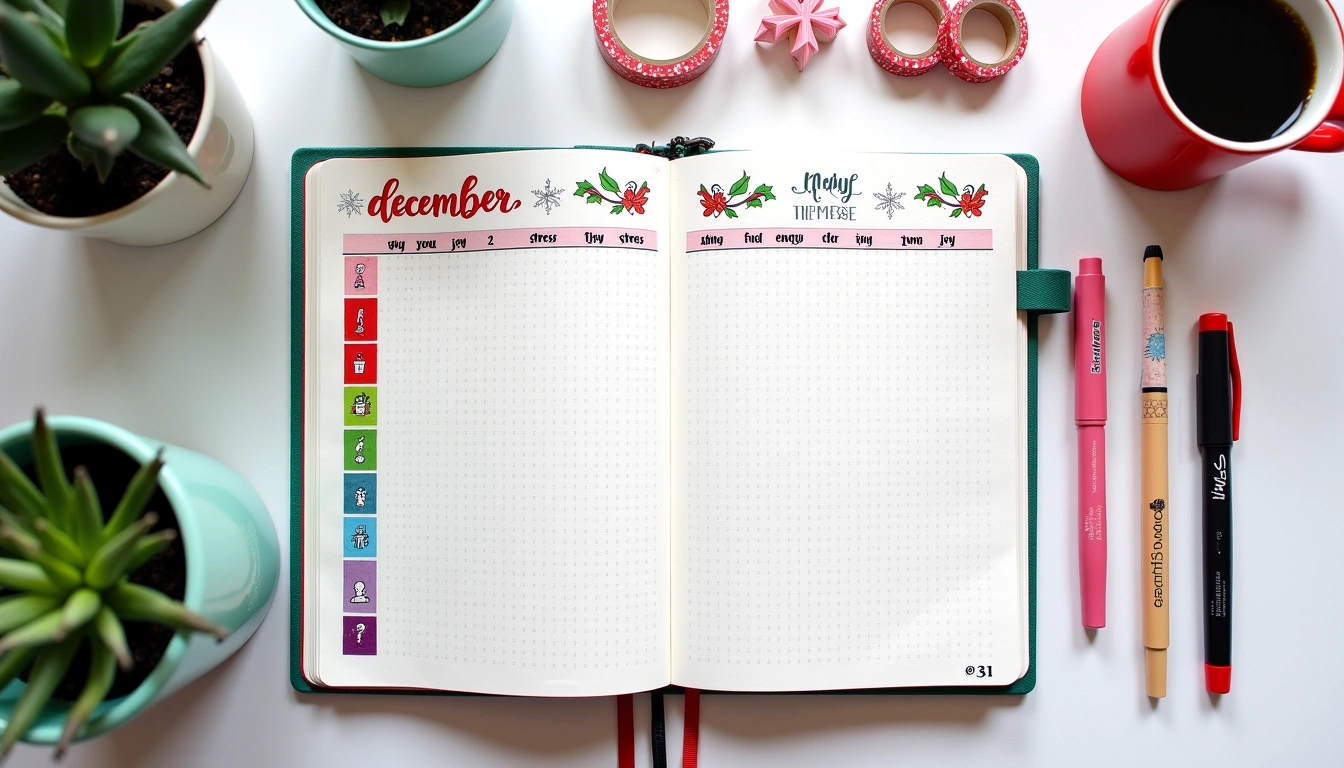
Habit trackers remain the cornerstone of effective bullet journaling, and 2026 trends favor both minimalist grids and decorative variations that keep you motivated. A classic monthly habit tracker uses a grid where columns represent days and rows represent habits—simple, effective, and endlessly customizable. The key is limiting yourself to 5-8 core habits per spread to avoid overwhelm. Consider pairing habit trackers with a “why” statement at the top; journalers report that connecting habits to personal values increases follow-through by 30%. For example, writing “I move my body to feel energized” above your exercise row creates emotional resonance that simple checkboxes don't provide.
Beyond the traditional grid, try a circular habit tracker that works beautifully for weekly planning. Divide a circle into 7 sections (one per day) and create concentric rings for each habit. This layout feels less institutional than grids and works wonderfully for mood tracking alongside habits. Another trending variation is the “habit chain” or streak tracker—a visual representation of consecutive days you've completed a habit. Draw a simple chain or dot sequence, and color each link as you complete the habit. The unbroken chain becomes visually motivating, and research on habit formation shows that streaks of 21+ days significantly increase habit stickiness.
For detailed habit analysis, create a mixed-media spread combining a monthly grid tracker with reflection prompts. Include questions like “Which habits felt easy this week?” and “What obstacles appeared?” This transforms tracking from passive logging into active learning. Dedicate one spread per month or quarter depending on your journal size. Color-coding habits by category (health, productivity, self-care) adds visual organization without requiring artistic skill—use highlighters, colored pens, or washi tape borders to distinguish sections.
Mood and Wellness Boards: Tracking Emotional and Physical Well-Being
Mood tracking goes beyond simple emoji ratings—2026 spreads combine visual mood mapping with contextual details that reveal patterns in your emotional health. A mood wheel spread divides a circle into sections representing different emotions (joyful, anxious, calm, frustrated), with a daily dot placed in the relevant section. Color-code by emotion or leave the dots plain for a minimalist approach. Pair this with a 2-3 sentence reflection noting what influenced that day's mood. Over a month, you'll visually see which emotions dominate your experience and can identify triggers or patterns that demand attention.
Wellness boards combine mood tracking with physical health metrics: sleep quality, water intake, exercise, and nutrition. Create a 2-page spread with a central mood tracker surrounded by smaller tracking boxes for each wellness element. Many journalers use a simple 1-5 rating scale (1 = poor, 5 = excellent) for each category, then note correlations. For instance, “When I sleep 7+ hours, my mood rates 4-5 the next day” is a powerful insight that justifies prioritizing sleep. This holistic approach transforms journaling from aesthetic exercise into genuine self-discovery. The visual layout reinforces that mood isn't isolated—it's interconnected with sleep, movement, nutrition, and social connection.
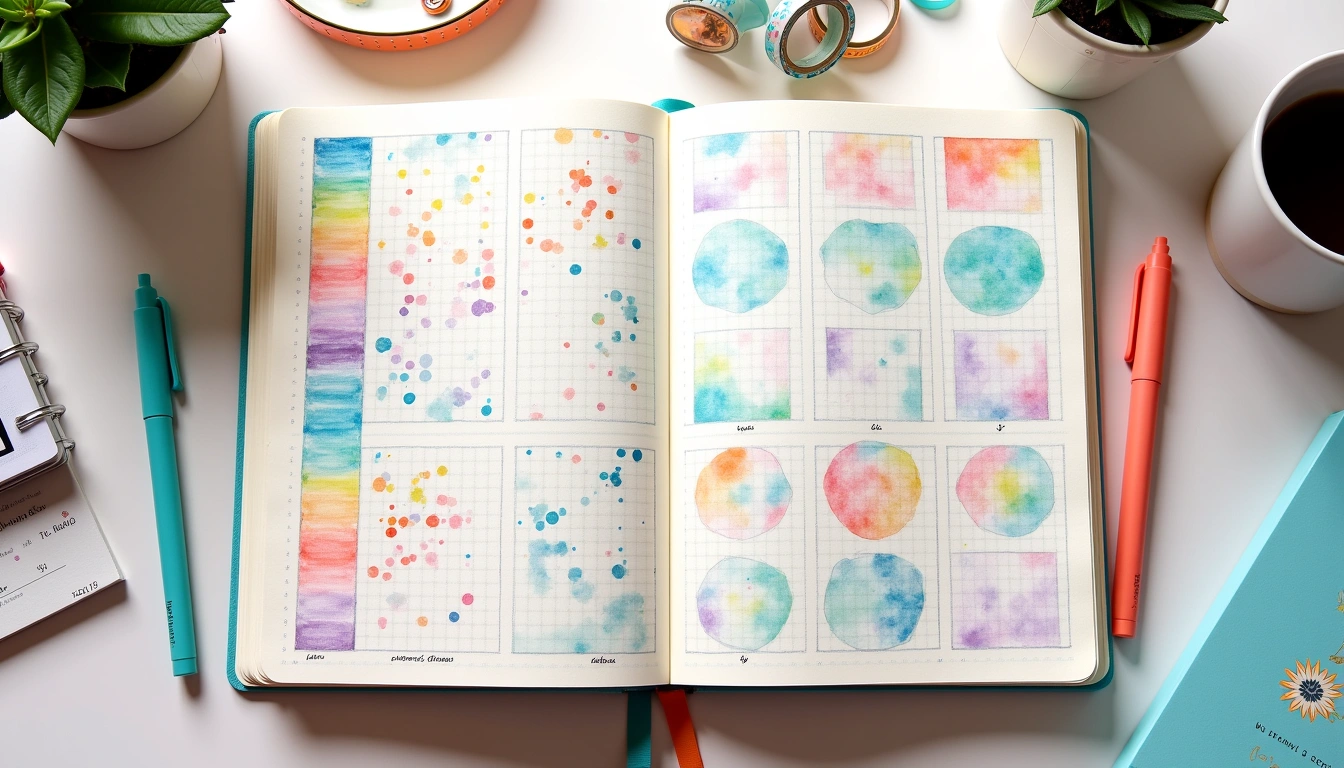
For a more artistic approach, create a “wellness wheel” using watercolor or colored pencil to represent different wellness dimensions: physical health, mental health, relationships, creativity, learning, and spirituality. Monthly, rate yourself 1-10 in each area and fill the corresponding portion of each segment. This creates a visual representation of life balance and highlights areas needing attention. Include a small action box: “This month, I'll improve [lowest-scoring area] by [specific action].” This transforms reflection into intention, giving your wellness tracking genuine agency and purpose.
Reading Logs and Book Tracking: Documenting Your Literary Journey
Reading logs combine practical tracking with creative expression, making them some of the most shareable bujo spreads on Pinterest and Instagram. A simple monthly reading tracker lists books you want to read, with columns for date finished, rating (1-5 stars or simple smiley faces), and a one-sentence review. Limit this to one page for easy review. For avid readers, create a two-page spread with space for 8-12 books, leaving room for cover sketches or quotes from each book. You don't need realistic illustrations—simple geometric shapes colored to approximate book cover colors work beautifully and feel less intimidating than detailed drawings.
Themed reading logs align with trending micro-journaling: create spreads around reading goals like “Books by Authors of Color,” “Cozy Mysteries,” or “Non-Fiction Learning Goals.” Dedicate 2-3 pages quarterly to a specific reading theme with 6-8 books. Include a reflection section asking, “What did this book teach me?” or “Who would I recommend this to?” This transforms reading from passive consumption into active engagement. Many journalers report that this practice deepens comprehension and increases their ability to retain and apply lessons from non-fiction reading. The creative framework makes reading time feel intentional rather than escapist.
A “reading year” spread spanning 2-4 pages tracks all 52 weeks, with each week offering space for the current book title and rating. This provides instant visual feedback: you can see reading velocity, favorite genres, and productive reading seasons. Pair this with an end-of-year reading recap that celebrates milestones (“I read 36 books!” or “I finished that challenging literary novel”) and identifies patterns (“I read most during winter” or “I prefer mysteries over romance”). Include a space for top 3 books of the year—the act of selecting and writing about favorites deepens your reading experience and creates a permanent record of meaningful stories.
Financial Planning Spreads: Managing Money with Clarity and Purpose
Financial planning spreads bring transparency to spending without requiring accounting expertise or digital tools. A monthly budget tracker uses a simple three-column layout: expense category, budgeted amount, and actual spent amount. Categories typically include housing, transportation, food, entertainment, savings, and debt payment—adjust for your life. Include a running total row at the bottom so you can see real-time whether you're on track. Color-code categories: red for fixed expenses (rent, insurance), blue for flexible spending (groceries, entertainment), and green for savings goals. This visual coding creates instant clarity about spending patterns. Many journalers find that this simple tracking increases savings by 15-20% simply through awareness.
Income and expense tracking separads work alongside budgets for detailed financial monitoring. Create a two-column spread: left side for income sources (salary, freelance work, side gigs, passive income) with amounts and dates; right side for major expenses by category. Leave space for running totals monthly and quarterly. Include a “financial wins” section celebrating money victories: “Paid off $500 credit card debt,” “Saved bonus for vacation fund,” or “Negotiated lower insurance rate.” These wins motivate continued financial attention. For those with variable income or multiple income streams, this spread provides essential clarity about money flow throughout the month.
Savings goal tracking deserves dedicated space—create a visual progress tracker for each major goal (emergency fund, vacation, car, education, home). Use progress bars, thermometer style graphics, or coin/piggy bank illustrations that fill as you reach milestones. Write the goal amount at the top and current balance below, updating monthly. Include a small motivation note explaining why this goal matters: “Vacation fund—rest and adventure with family” or “Emergency fund—peace of mind and security.” Research shows that visual progress tracking significantly increases follow-through on financial goals. Pair quarterly reviews asking: “Am I on pace to reach this goal? What adjustments do I need to make?” This practice transforms abstract financial aspirations into concrete, trackable realities.
Mood Boards and Vision Spreads: Visualizing Your 2026 Intentions
Vision and mood board spreads harness the power of visual goal-setting—creating images of your desired future that inspire daily action. A 2-page vision spread combines collage elements (magazine cutouts, printed images, drawings) with written intentions. Divide the spread into 5-6 intention categories: career/creativity, relationships, health, learning, adventure, and personal growth. In each section, paste or sketch images representing your vision, then write 2-3 specific goals below. For example, in the “health” section, you might paste an image of someone hiking, then write “Complete 3 hikes per month” and “Build upper body strength.” The visual combined with written specificity creates powerful intention-setting.
Seasonal mood boards work beautifully for quarterly reset spreads. At the beginning of each season, create a visual board representing the season's energy and your goals for those three months. Winter might feature cozy aesthetics (candles, blankets, hot drinks) paired with indoor-focused goals (reading, cooking, creative projects). Spring might emphasize renewal with blooming flowers and goals around new habits or projects. Summer could highlight adventure with travel imagery and activity-based goals. Fall might showcase harvest and gratitude themes with reflection-focused intentions. These seasonal boards tap into natural rhythms and make goal-setting feel aligned with the world around you rather than arbitrary January resolutions.
Create a “words of the year” mood board by selecting 3-5 guiding words for 2026 and building a visual board around each. If your words are “intentional,” “creative,” and “connected,” dedicate one page section to each, filling it with inspiring images, quotes, and small daily practices. For example, under “intentional,” you might paste mindfulness imagery and write “Daily 5-minute pause practice.” This approach creates a personal vision system stronger than generic goals—it establishes emotional anchors that guide decision-making throughout the year. Update these boards quarterly to ensure they remain inspiring and relevant to your evolving life.
Time Management and Weekly Planning Layouts: Organizing Your Days with Purpose
Weekly spreads form the backbone of functional bullet journaling, and 2026 trending designs balance minimalist aesthetics with practical functionality. The classic two-page weekly spread allocates one page to a traditional calendar grid (Monday-Sunday) with space for daily tasks, and the second page for weekly goals, notes, and reflections. Limit daily task space to force prioritization—when you have only 5-7 lines per day, you're more intentional about what truly matters. Include a “top 3 priorities” section at the spread's top; research on productivity shows that identifying three daily priorities increases task completion by 40% compared to unstructured to-do lists.
Time blocking spreads dedicate space to hourly time allocation, perfect for busy professionals or parents managing multiple commitments. Create a grid with hours down the left (5am-10pm) and days across the top. Color-code activities: work, personal projects, family time, self-care, and sleep. This reveals how you're actually spending time and where adjustments are needed. Many journalers discover they're underestimating time requirements for tasks or leaving insufficient transition time between activities. Over a month, time blocking creates awareness that enables better planning and more realistic goal-setting. Include a reflection box: “Did my time match my priorities this week? What needs adjustment?”
Minimalist weekly spreads work beautifully for those preferring simplicity. Use a single page with days listed (Mon-Sun) and three sections per day: “focus,” “tasks,” and “self-care.” This framework ensures balanced planning—you're not just listing productivity but also prioritizing rest and intentional activity. Many creatives and caregivers find this approach less overwhelming than elaborate spreads while still providing structure. The simplicity also reduces setup time, freeing energy for actual planning and reflection rather than decoration. Add a weekly gratitude section: three things that went well this week. This practice shifts focus from what didn't get done to celebrating wins, increasing motivation for the coming week.
Multi-Purpose Spreads: Combining Functions for Efficiency
2026 trends favor flexible
Related Posts



Your Weekly Dose of Inspiration
Journaling ideas, family tips, and gentle inspiration.