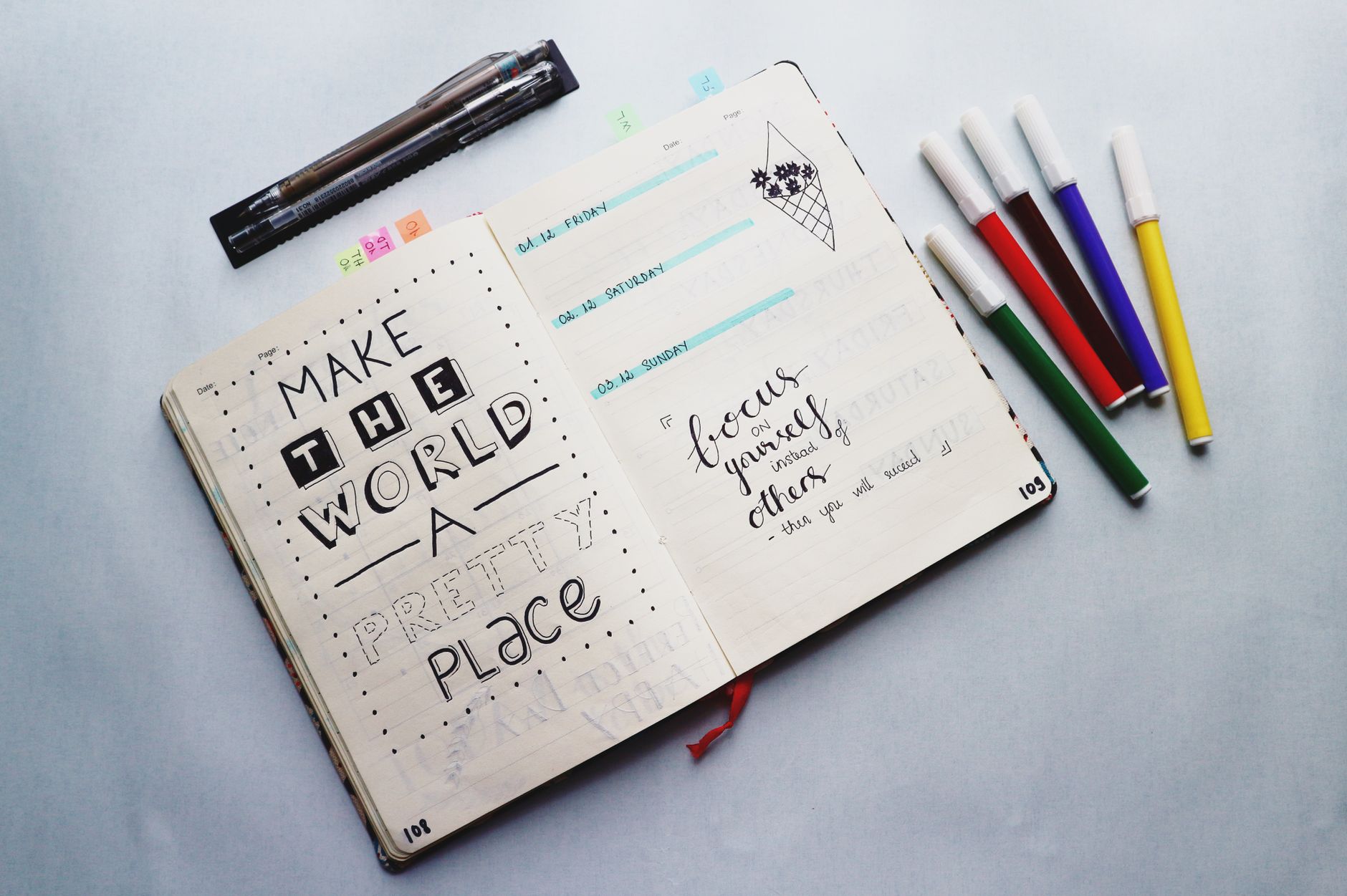
I’ve filled 22 bullet journals, and I’ve started exactly 347 collections. That’s not a boast—it’s a confession. Somewhere between my fifth journal and my tenth, I fell into the trap of believing that more collections meant more productivity. I’d spend two hours drawing a “Books to Read” spread with tiny bookshelf illustrations, only to realize I’d never actually use it because I already had three other reading lists scattered across previous months. The truth is, the bullet journal method was never designed for twenty collections. Ryder Carroll’s original system proposed just four: the Index, Future Log, Monthly Log, and Daily Log. Everything else is optional. So do you really need twenty? No. You need five to seven, carefully chosen, ruthlessly maintained. In this article, I’ll walk you through which collections earn their page space, which ones you can ditch without guilt, and how to prioritize so your journal serves you instead of overwhelming you.
The One Collection That Saves Your Sanity: The Future Log
If I could keep only one collection outside of my daily logs, it would be the Future Log. This is the backbone of any bullet journal system—it captures events, deadlines, and goals that fall outside the current month. Without it, you’re constantly flipping back through pages, missing appointments, or cramming everything into a monthly spread that’s already bursting.
I use a two-page spread with six months per page, each month taking up a 3.5 x 2.5 inch box (that’s roughly 9 squares wide and 7 squares tall on a Leuchtturm1917 A5 dotted grid). For the headers, I use a Tombow Dual Brush in a muted blue (like 373), and for the lines, a Micron 05. The entire setup takes me 15 minutes—10 minutes for the grid, 5 minutes for the headers. I tried a 12-month future log once, cramming all months onto one page, and it was a disaster. The boxes were too small (barely 1.5 x 2 inches), and I couldn’t read my own handwriting. Now I stick to six months per spread, which gives me enough room for three to four events per month without feeling cramped.
I also add a small “Notes” section at the bottom of each page—about 1 inch tall—for things like “renew passport” or “schedule dentist.” This is where the Future Log truly shines: it’s not just for dates, but for reminders that don’t have a specific day yet. If you’re starting fresh, allocate 30 minutes to set up a full year’s Future Log. You’ll thank yourself in March when you’re not scrambling.
Why Your Monthly Spread Should Be a Single Page (Not Two)
I know, I know—Pinterest is full of gorgeous two-page monthly spreads with washi tape borders, hand-drawn calendars, and elaborate habit trackers. But here’s the reality: most people don’t need two pages for a monthly overview. A single page, with a compact calendar and a side column for tasks, is faster to create and easier to scan. I use a 7-row by 5-column grid for the day numbers (starting on Monday, because Sunday starts confuse me), with a 1.5-inch wide column on the right for top priorities. The entire setup takes 10 minutes with a Micron 05 and a ruler.
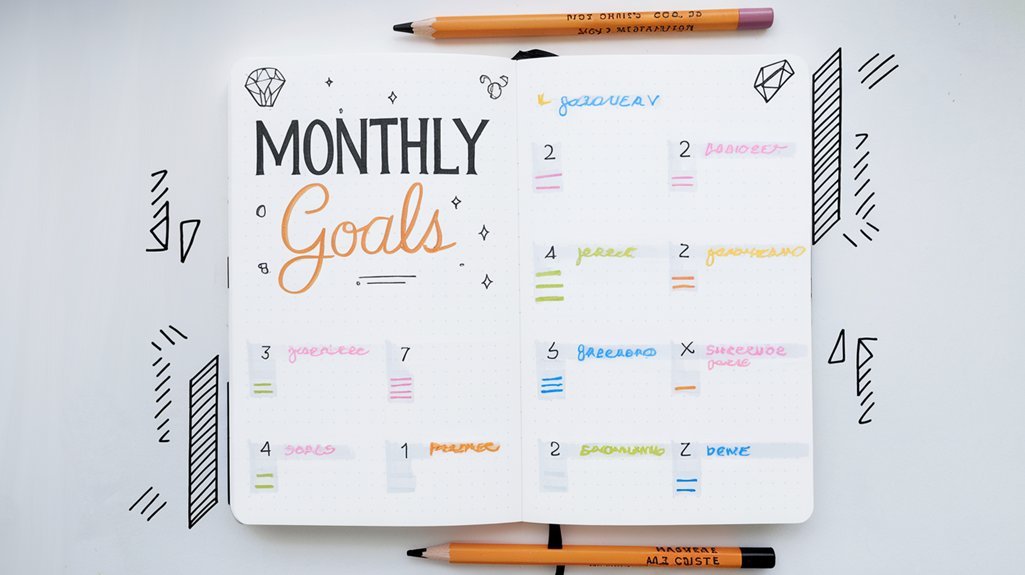
I tried a two-page monthly spread for three months in my eighth journal. Each month, I spent 45 minutes decorating the left page with a full calendar and the right page with a “goal tracker” that I never touched. The turning point came when I realized I was ignoring the right page altogether. Now, I keep my monthly log to one page, and if I need extra space for goals or notes, I add a separate collection (like a “Monthly Goals” page) that I can move to the next month if unfinished. The key is to avoid duplicating information. Your monthly log should be a snapshot, not a repository. For a deeper dive into monthly setup, check out our guide on bullet journal monthly spreads.
The Collections I Actually Use (And the Ones I Regret)
Over the years, I’ve tested dozens of collections. Some stuck; others landed in the “regret” pile. Let’s start with the ones that earn their keep. First: a habit tracker. Mine is a simple grid with 31 rows (for days) and 8 columns (for habits like water, exercise, reading, and sleep). Each cell is 5mm square, so the entire grid fits on one page. I use a Micron 05 to draw the grid (20 minutes), and I fill in each cell with a Tombow Dual Brush in a light gray (N95) when I complete a habit. It’s not fancy, but it works.
Second: a gratitude log. I tried a daily gratitude log where I wrote three things each day, but after two weeks, I ran out of things to say. Now I use a weekly gratitude log: one page divided into 4 rows (one per week) with 7 columns for days. Each cell is about 1 inch square, and I write one sentence per day. Total setup time: 10 minutes. Third: a reading list. I used to have a “Books to Read” spread with elaborate bookshelf drawings—it took 90 minutes to create and I never used it because I always forgot what I wanted to read. Now I keep a simple list in my index, with book titles, author, and a checkbox. That’s it.
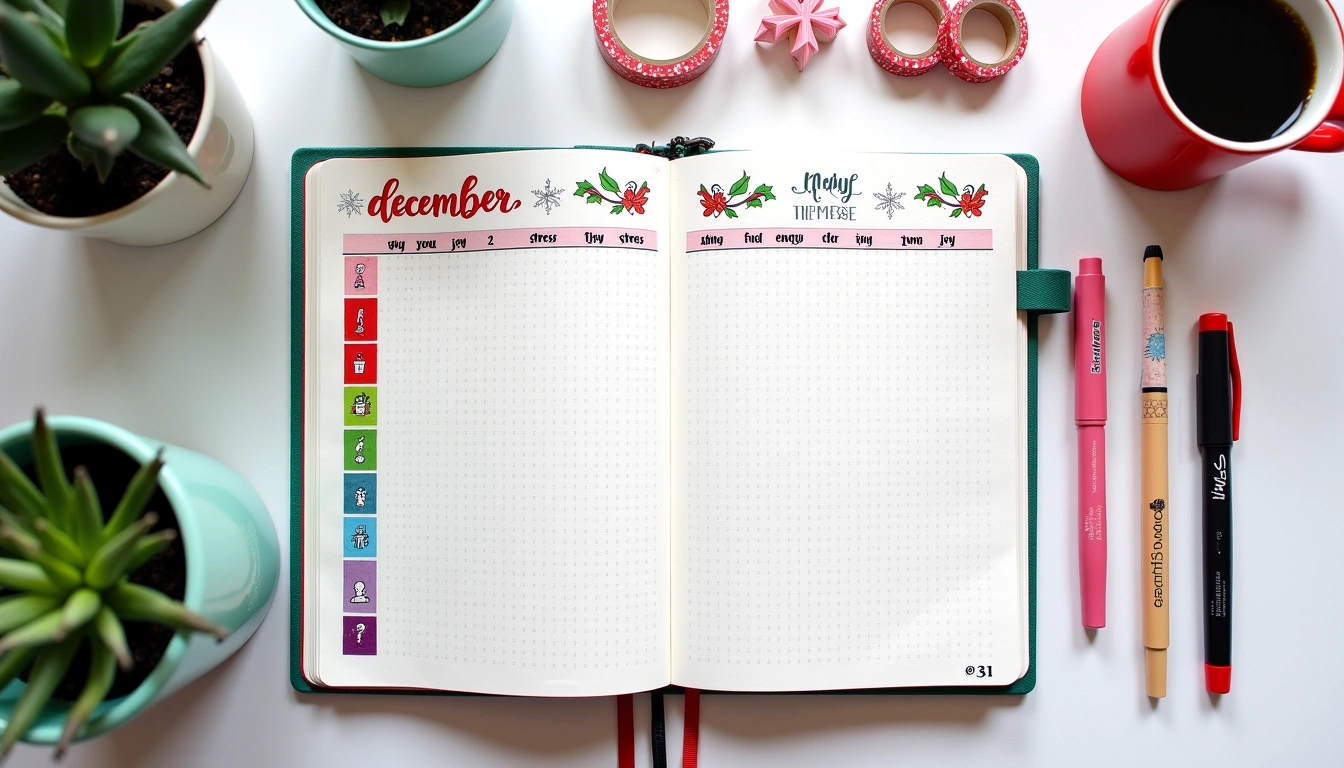
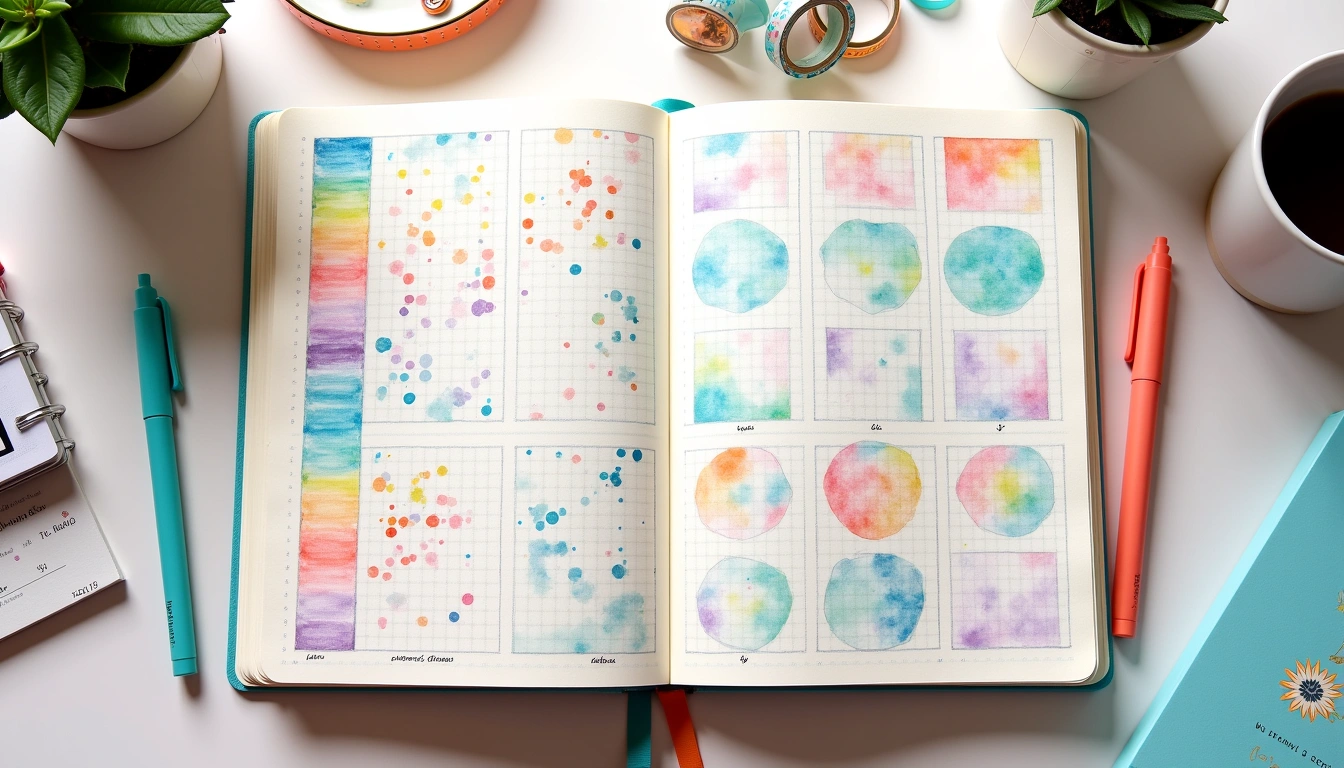
Now for the regrets. My biggest mistake was a mood tracker with 12 color codes, each representing a different emotion. I spent 3 hours on the setup, including a color key, and then never filled it because I couldn’t remember which color meant “anxious” vs. “stressed.” The second regret: a “Movies to Watch” spread with poster-sized illustrations. I drew it in my 14th journal and never added a single title. If you love drawing, by all means do it—but keep it separate from your functional collections. Use a separate sketchbook or a dedicated “art” section in your journal. For more ideas on essential collections, see our bullet journal collections post.
How to Prioritize: The 80/20 Rule for Collections
The Pareto principle applies beautifully to bullet journal collections: 20% of your spreads will deliver 80% of the value. The trick is identifying which 20% that is. I use a simple decision matrix: for every collection I consider, I ask two questions. First, how often will I use it? (Daily, weekly, monthly, rarely). Second, how long does it take to set up? (Under 15 minutes, 15–30 minutes, over 30 minutes). Collections that are used daily or weekly and take under 15 minutes to set up are keepers. Collections used monthly but taking over 30 minutes need to be simplified or replaced with a printable.
For example, a daily habit tracker (used daily, setup 20 minutes) is a keeper. A “bucket list” spread (used rarely, setup 45 minutes) is a candidate for a printable template. I’ve created a printable decision matrix that you can download from our site—it’s a half-letter size (5.5 x 8.5 inches) that fits into most A5 journals when trimmed. The matrix has four quadrants: “Keep,” “Simplify,” “Replace with Printable,” and “Eliminate.” I run every potential collection through this matrix before I draw it. In my 20th journal, I eliminated 12 collections that I had been carrying over from previous journals out of habit—things like a “sleep tracker” that I never used and a “water intake” log that I always forgot to fill. The result? I went from 18 active collections to 6, and my journal became actually usable.
If you’re overwhelmed, start by listing every collection you currently have. Then, for each one, mark how many times you’ve used it in the past month. Anything with zero usage gets eliminated. Anything with 1–2 uses gets simplified. Anything with 3+ uses stays. This process takes 15 minutes and will save you hours of unnecessary setup. For more on the 80/20 rule in planning, see our productivity tips.
The Hidden Cost of Too Many Collections: Decision Fatigue
In the late 1990s, social psychologist Roy Baumeister conducted a series of experiments on decision fatigue. He found that making repeated decisions depletes mental energy, leading to poorer choices later in the day. The same applies to bullet journal collections. Every time you flip to a new spread, you make a micro-decision: “Should I fill this in now? Is it useful? Did I miss a day?” With 20 collections, you’re making 20 such decisions daily. That’s exhausting.
I experienced this firsthand in my 12th journal. I had a “sleep tracker” that required filling in four boxes each morning: bedtime, wake time, hours slept, and quality rating. After a week, I stopped because the act of filling it in felt like a chore. The tracker was supposed to help me sleep better, but it was actually making me anxious about sleep. I eventually removed it and replaced it with a single line in my daily log: “Slept 7 hours.” That’s it. The same principle applies to any collection that requires more than 10 seconds to fill. If a spread demands complex coding or multiple steps, it’s likely adding friction rather than value.
To combat decision fatigue, limit your active collections to 5–7 at any given time. Rotate seasonal collections—for example, a “holiday gift list” in December, a “spring cleaning checklist” in April—and archive them when they’re done. I keep a “Collections Index” on the first page of my journal, listing only active spreads. If a collection isn’t on that index, I don’t maintain it. This simple rule has cut my daily journaling time from 20 minutes to 5. If you’re curious about the psychology behind journaling habits, read our article on bullet journal and mental health.
Digital vs. Analog: When to Use a Printable Instead
Not every collection deserves hand-drawn pages. Some are better served by a printable template that you can print, trim, and glue into your journal. I use printables for collections that are static—like a “gift ideas” list, a “packing checklist,” or a “contacts” page. These don’t change often, so there’s no need to redraw them every month. I print on 24 lb paper (for durability) at half-letter size (5.5 x 8.5 inches), which fits perfectly into my A5 Leuchtturm. The cost is minimal: about $0.05 per page for ink and paper, compared to 30 minutes of my time for a hand-drawn version.
I tried hand-drawing a “movies to watch” list in my 14th journal—a two-page spread with a border and columns for title, genre, and rating. It took 45 minutes. Then I realized I could print a template in 5 minutes and have the same functionality. Now I use a printable from our site that has 20 rows and 5 columns, with space for notes. I print four copies at once, cut them out, and store them in a small envelope in the back of my journal. When I need a new list, I glue one in—takes 2 minutes.
On the other hand, dynamic collections—like daily logs, weekly spreads, and habit trackers—are better handwritten because they require daily interaction. The act of writing engages your brain differently than typing or gluing, and it helps with memory retention. So the rule is: if you’ll update it more than once a week, hand-draw it. If you update it monthly or less, print it. For a library of free printables, check our printable templates page.
The Ultimate 5-Collection Starter Kit (With Measurements)
If you’re starting fresh or pruning your current journal, here’s a 5-collection starter kit that covers 90% of your planning needs. Each layout is designed for an A5 dotted grid notebook (Leuchtturm1917, Moleskine, or similar). I’ve included exact measurements and pen recommendations so you can replicate it in under an hour.
Your Weekly Dose of Inspiration
Journaling ideas, family tips, and gentle inspiration.