Disclosure: This post contains affiliate links. If you click through and make a purchase, we may earn a small commission at no extra cost to you. Thank you for supporting this site!
How to Start a Bullet Journal That Actually Works for Your Lifestyle
Why a bullet journal Beats Every Other Planner
- Unlike pre-printed planners, a bullet journal adapts to your changing needs—track habits one month, plan meals the next, or map out a travel itinerary.
- It combines a to-do list, diary, and goal tracker into one system, reducing the mental load of juggling multiple apps or notebooks.
- You only maintain what you actually use, so there's no guilt about “wasting” empty pages or abandoning a rigid format.
Gather Your Starter Kit (You Really Don't Need Much)
- Pick a dot-grid notebook with at least 160 pages (Leuchtturm1917 or a basic Moleskine work fine—no need to overspend on your first one).
- Get one fine-tip pen you love writing with (0.5mm or 0.7mm) and one accent color for headers—that's it. Skip the 50-pen set until you know your style.
- Optional but helpful: a small ruler for straight lines and a pencil for rough layouts before you commit in ink.
Set Up Your Core Collections (The Non-Negotiables)
- Start with an Index (2–4 pages) and a Future Log (6 months across two pages) so you can capture events that fall outside the current month.
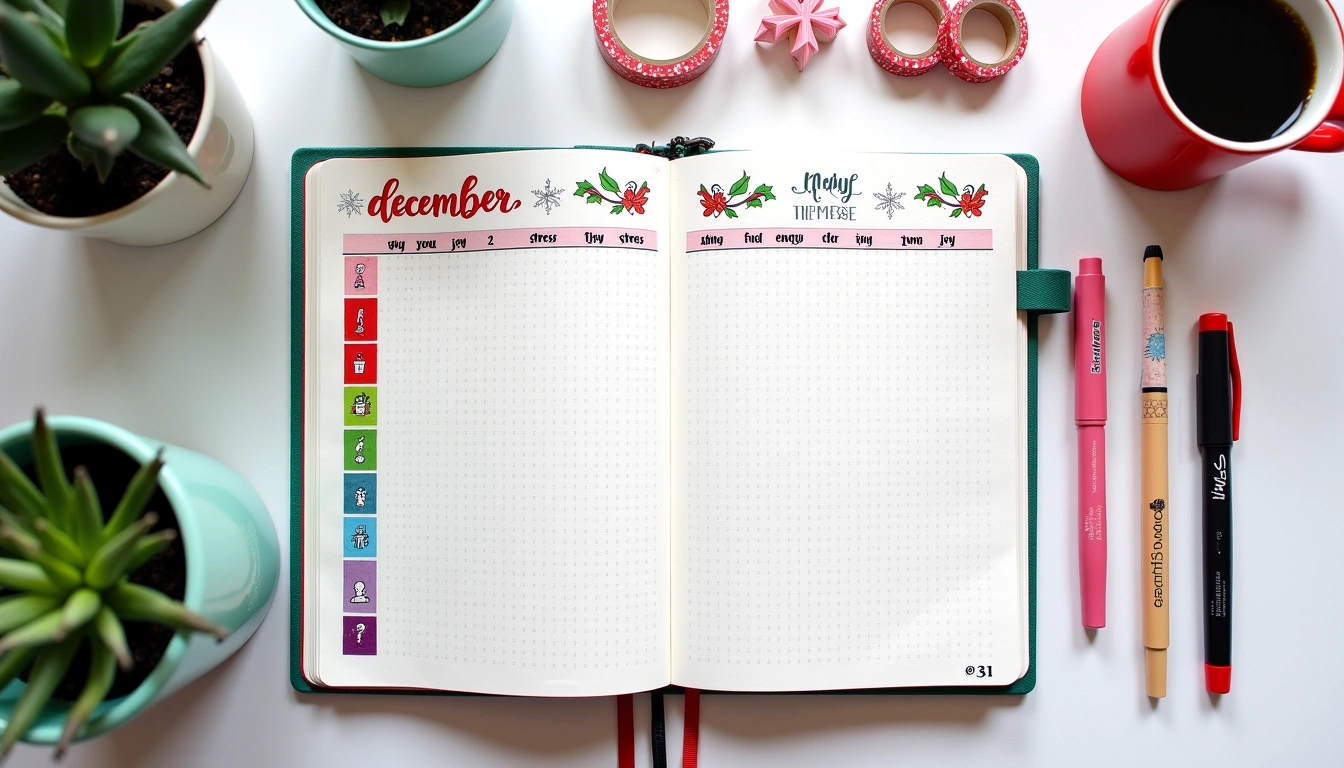
- Create a simple Monthly Spread: a calendar page on the left and a task list on the right. Resist the urge to decorate—just make it functional.
- Build a Daily Log where you rapid-log tasks, events, and notes each day using bullets (• for tasks, ○ for events, – for notes). Migrate unfinished items instead of cramming them in.
Design 2–3 Habit Trackers That You'll Actually Maintain
- Choose habits that directly support your lifestyle goals—sleep, water intake, reading, or a 10-minute walk—not 15 habits you'll abandon by day three.
- Use a simple grid layout with days on the vertical axis and habits on the horizontal axis. Fill in a dot or checkmark each day; don't stress about missed days.
- Review your tracker every Sunday for 60 seconds: note one pattern you see and decide whether to keep, drop, or modify that habit next month.
Create a Weekly Layout That Matches Your Real Schedule
- Test three formats: vertical columns (good for time-blocking), horizontal rows (good for task-heavy weeks), or a minimalist list (good for unpredictable schedules).
- Leave a “overflow” space at the bottom for things that don't fit into a specific day—this prevents you from rewriting the same task across multiple days.
- Keep your weekly setup under 10 minutes. If it takes longer, simplify: remove decorative elements and focus on the information you actually reference.
Build a Monthly Review Ritual (This Is Where Growth Happens)
- On the last day of each month, flip through your entries and
Related Posts
Related Posts
Related Posts
✨ Our Recommendation
Editor's Pick: Leuchtturm1917 Multi-Subject Journal (100+ pages) for Bullet Journaling Success.
Related Posts
Related Posts
Related: Planner: Family Budget Planner: How to Save 500 Dollars a Month Without Feeling Deprived
Your Weekly Dose of Inspiration
Journaling ideas, family tips, and gentle inspiration.