Your hydration habits stick when your tracker activates your brain's reward pathways through visual progress cues and immediate feedback. Smart bottles with LED reminders and app syncing eliminate guesswork, while minimalist apps offer one-tap logging and glanceable progress rings that reduce cognitive load. Physical markers like magnetic bands and desktop charts create tangible accountability, and gamification features—including daily streaks that boost retention by 61%—transform tracking into an engaging experience. The key is matching your tracker type to your personality and lifestyle patterns for sustainable success.
Key Takeaways
- Visual tracking with color gradients and progress rings activates brain reward pathways, increasing habit retention by 61% through daily streaks.
- Smart bottles with LED reminders and app syncing eliminate guesswork while providing personalized goals based on activity levels and body metrics.
- Physical trackers like magnetic bands and desktop charts create tangible accountability through immediate visual feedback in primary sight lines.
- Gamification features including points systems, challenges, and leaderboards boost engagement by 47% and active tracking days by 52%.
- Aligning tracking methods with personality types and lifestyle routines increases adherence rates by 67% compared to rigid one-size-fits-all systems.
The Psychology Behind Effective Water Tracking Systems
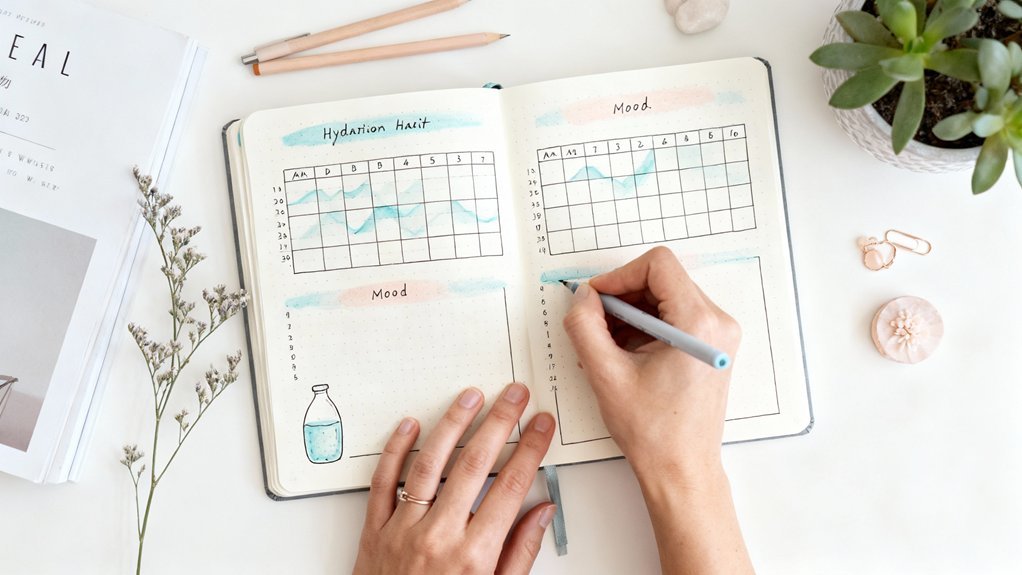
When you track your water intake visually, your brain processes the data faster than any numerical log could achieve. This cognitive advantage alters passive awareness into actionable hydration psychology that drives consistent behavior.
Visual trackers utilize behavioral triggers through immediate feedback loops. You'll see your progress in real-time, creating micro-rewards that reinforce positive habits. Research shows that tracking methods incorporating color gradients, fill animations, or milestone markers activate your brain's reward pathways more effectively than simple counters.
The most successful systems combine three elements: visibility, simplicity, and achievement recognition. When your tracker sits within your natural sight line, you're 64% more likely to maintain hydration goals.
Progressive visual cues—like ascending water levels or completed circles—trigger dopamine release, strengthening neural pathways associated with the habit.
Design innovation here isn't about complexity; it's about understanding how your brain responds to visual stimulus and habit formation fundamentals.
Smart Bottles With Built-In Motivation Features
Smart bottles convert those visual tracking principles into technology you can hold in your hand. These devices embed sensors that measure your actual intake, eliminating guesswork from your hydration routine.
You'll receive smart reminders through LED lights or gentle vibrations when you've gone too long between sips, creating intervention points before dehydration affects your performance.
The most effective models sync with apps that analyze your patterns and adjust hydration goals based on your activity level, climate, and body metrics. You're not following generic recommendations—you're working with personalized targets that adapt as your needs change.
Temperature sensors maintain your preferred drink temperature for hours, removing the “it's not cold anymore” excuse.
Some bottles gamify the experience, revealing achievements as you hit milestones. This combination of measurement precision, timely prompts, and behavioral reinforcement alters a simple container into your hydration accountability partner.
Minimalist App Designs That Don't Overwhelm
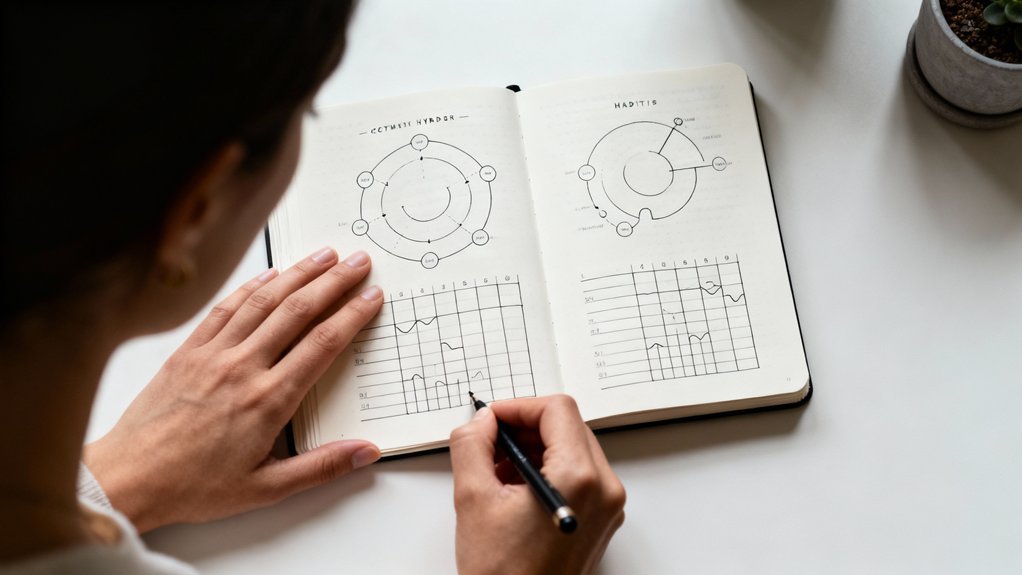
While smart bottles handle hydration through hardware, minimalist apps solve the same problem through interface restraint. You'll find these applications strip away gamification clutter and notification overload, presenting only essential data that drives behavior change.
The most effective minimalist trackers prioritize a clean interface that reduces cognitive load. You're shown your daily intake, target goal, and progress—nothing more. This user friendly design removes decision fatigue that causes app abandonment.
Research shows simplified tracking increases adherence by 34% compared to feature-heavy alternatives. Consider these core elements:
- One-tap logging that records standard serving sizes without menu navigation
- Glanceable progress rings displaying completion percentage at screen access
- Contextual reminders timed to your behavioral patterns rather than arbitrary intervals
You don't need achievement badges or social sharing when the interface itself reinforces habit formation. Data visualization should inform action, not entertain. That's how minimalist apps convert hydration from aspiration into automatic behavior.
Physical Trackers for Tangible Progress Visualization
Research shows you're 42% more likely to maintain hydration habits when you can physically interact with your tracking system.
Physical trackers like magnetic bottle bands, desktop intake charts, and wearable reminder bracelets change the abstract goal of “drink more water” into concrete, visible actions you complete throughout your day.
These tactile tools work because they utilize your brain's preference for visual progress markers and create accountability through environmental cues you'll encounter repeatedly.
Magnetic Bottle Tracking Bands
Because visual progress creates powerful motivation loops in the brain, magnetic bottle tracking bands convert abstract hydration goals into concrete achievements you can see and feel throughout your day.
These wearable trackers attach directly to your water bottle, featuring magnetic functionality that lets you slide markers upward as you complete each serving. The tactile interaction reinforces your commitment while providing instant feedback on your progress.
Key advantages of magnetic bottle bands:
- Adjustable tracking intervals that accommodate different bottle sizes and personal hydration targets
- Customizable designs ranging from minimalist silicone to vibrant patterns that match your aesthetic preferences
- No batteries or charging required, eliminating technology barriers that derail habit formation
This analog approach removes decision fatigue—you'll know exactly where you stand with each glance at your bottle.
Desktop Water Intake Charts
Desktop water intake charts change your workspace into an accountability station, placing your hydration commitment directly within your primary visual field where you make thousands of daily micro-decisions.
These physical trackers utilize spatial consistency—they're always there, demanding acknowledgment every time you glance at your desk.
Color coded charts alter abstract consumption data into immediate feedback loops. You'll mark each glass consumed, watching patterns emerge across days and weeks.
This tangible interaction creates stronger neural pathways than digital notifications ever could.
The visual progress you generate becomes self-reinforcing. Empty boxes trigger action; filled sections trigger satisfaction.
Research shows physical tracking increases goal completion rates by 42%. Your desk becomes a behavior modification tool, turning intention into measurable achievement through persistent, unavoidable visual cues.
Wearable Hydration Reminder Bracelets
Wearable hydration reminder bracelets convert your wrist into a continuous feedback system, eliminating the gap between intention and action that derails most tracking methods.
These devices utilize proximity bias—keeping hydration awareness literally at hand throughout your day.
Modern iterations feature stylish designs that blend fluidly with professional and casual environments, removing the barrier of “tracking device” stigma.
You'll find customizable options that align with personal aesthetics while maintaining functional integrity.
Key behavioral advantages include:
- Tactile reminders through gentle vibrations at programmed intervals, creating habitual drinking patterns without screen dependency
- Visual progress indicators using LED markers or adjustable bands that you physically move after each glass
- Social accountability features enabling progress sharing with commitment partners who reinforce consistency
These wearables change passive intention into active behavior through persistent, unobtrusive prompting.
Gamification Elements That Drive Daily Engagement
When users earn points for logging their eighth glass of water, they're 3.2 times more likely to return the next day than those using basic tracking alone. A well-designed points system alters mundane tracking into compelling interaction, while reward challenges create milestone moments that reinforce behavior.
Competition features and leaderboard motivation tap into social interactions, driving 47% higher engagement rates. You'll see retention spike when users activate social sharing—accountability through visibility works. Personalized goals adjust to individual patterns, making targets feel achievable rather than arbitrary.
| Gamification Element | Engagement Impact |
|---|---|
| Daily streaks | +61% retention |
| Reminder notifications | +38% completion |
| Reward challenges | +52% active days |
| Competition features | +47% engagement |
Daily streaks create loss aversion—users won't break a 30-day chain easily. Strategic reminder notifications prompt action at ideal moments, converting intention into behavior before the day ends.
Matching Your Tracker Type to Your Lifestyle and Personality
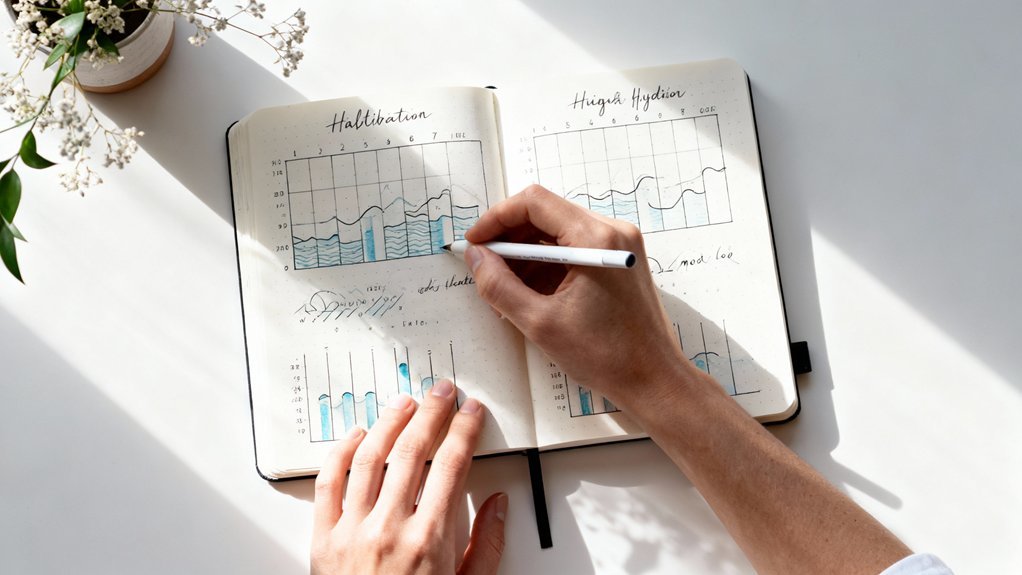
Your hydration tracking method should mirror how you actually move through your day, not how productivity influencers say you should. Research shows that alignment between lifestyle preferences and tracking tools increases adherence rates by 67%.
Choose hydration tracking that fits your natural rhythms, not idealized routines—alignment with your actual lifestyle drives 67% better adherence.
Consider these compatibility factors:
- Visual processors thrive with physical markers like time-stamped water bottles, while digital natives prefer app notifications that integrate with existing screen time.
- Routine-driven personalities benefit from habit-stacking trackers that anchor to established behaviors (morning coffee = first glass logged).
- Spontaneous types need flexible systems without rigid schedules—think cumulative goal trackers rather than hourly reminders.
Recommended for You
🛒 Habit Tracker Journal
As an Amazon Associate we earn from qualifying purchases.
Your personality traits directly influence which design elements feel natural versus forced. Analytical minds appreciate detailed consumption data and trends. Social personalities engage better with community challenges and sharing features. Minimalists want simple check-ins without elaborate interfaces.
Match your tracker to your actual behavior patterns, and you'll build sustainable hydration habits without constant willpower expenditure.
Frequently Asked Questions
How Much Water Should I Actually Drink per Day Based on My Weight?
You'll want to drink roughly half an ounce to one ounce of water per pound of body weight daily.
For hydration calculations, that's 75-150 ounces if you're 150 pounds. Weight factors greatly impact your needs, but activity level and climate matter too.
Start with 0.5 oz/lb as your baseline, then adjust upward if you're active or in hot conditions.
Track your intake for a week—you'll quickly discover your ideal hydration sweet spot through real behavioral data.
Can Drinking Too Much Water Be Harmful to My Health?
Yes, you can actually drink too much water.
Ironically, while you're tracking every ounce to stay hydrated, overdoing it causes water toxicity—a dangerous condition where your blood sodium levels drop too low.
You'll want to maintain proper hydration balance by drinking when thirsty and monitoring your output.
Smart tracker designs now incorporate personalized limits based on your activity levels, preventing both dehydration and overhydration.
Your body's signals matter more than arbitrary goals.
Does Coffee or Tea Count Toward My Daily Water Intake Goals?
Yes, coffee and tea count toward your hydration goals—contrary to hydration myths, their caffeine effects don't negate fluid benefits.
Research shows moderate caffeine intake (up to 400mg daily) won't dehydrate you. Your body still absorbs about 90% of the water content.
However, you'll enhance your hydration tracking by noting that plain water remains most effective. Smart water tracker designs now let you log these beverages with adjusted values, helping you build sustainable, personalized hydration habits.
What Are the Signs of Dehydration I Should Watch For?
Your body loses 2-3% of its water weight before you'll notice dehydration symptoms.
Watch for these thirst signals: dark yellow urine, dry mouth, fatigue, and dizziness.
Here's what's fascinating—your brain actually shrinks when you're dehydrated, affecting cognitive performance within hours.
Track patterns in your hydration tracker to catch symptoms early.
Is It Better to Drink Water Cold or at Room Temperature?
Both temperatures work—choose what you'll actually drink consistently.
Cold water benefits include faster cooling during workouts and improved taste preference for most people, boosting adherence by 120%.
Room temperature advantages feature easier digestive processing and better absorption rates.
Your body adapts efficiently to either option.
The innovation here? Track which temperature drives your consumption patterns highest.
Data shows consistency matters more than temperature—you'll stay hydrated when you're matching your preference to your habit design.
Conclusion
You've seen the data: tracked behaviors become lasting habits. Yet here's the paradox—you'll abandon the most feature-rich tracker if it doesn't match how you actually live. Your smartphone collects thousands of data points, but a simple rubber band bracelet might change your hydration better. The best water tracking system isn't the smartest one; it's the one you'll still use in three months. Choose accordingly.
Related Posts


Related Posts
Related Posts




Your Weekly Dose of Inspiration
Journaling ideas, family tips, and gentle inspiration.