If you have ADHD, you've probably tried (and abandoned) countless planners. The guilt pile of unused systems is real. But here's the thing: bullet journaling was literally invented by someone with ADHD. Ryder Carroll created this system because traditional planners didn't work for his brain. In this guide, I'll show you how to adapt bullet journaling to work with your ADHD—not against it.
What You'll Learn
- Why traditional planners fail ADHD brains
- Essential modifications for ADHD bullet journaling
- Simple systems that don't overwhelm
- Dealing with time blindness
- Brain dump techniques that actually work
- When to start fresh (without guilt)
Why Traditional Planners Fail ADHD Brains
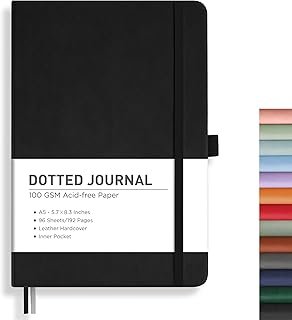

Pre-made planners have several ADHD-hostile features:
- Fixed structure: Your brain doesn't work the same every day, but the planner does
- Pre-dated pages: Miss a week? Now you have guilt-inducing blank pages
- Too much white space: Overwhelming emptiness that feels like failure
- Not enough space: When you DO want to write, you run out of room
- One-size-fits-all: Your brain is unique; why should your planner be generic?
Bullet journaling solves all of these because YOU design it. No pre-made dates. No fixed layouts. Just what you need, when you need it.
Essential ADHD Modifications
1. Keep It SIMPLE
Those gorgeous Instagram spreads with washi tape and elaborate drawings? They're made by people with hours of free time. Your ADHD brain needs function over form. A simple list gets tasks done just as well as an artistic masterpiece.
2. Use Rolling Dailies Instead of Weekly Spreads
Pre-made weekly layouts create pressure to fill every day. Rolling dailies mean you write today's date, today's tasks, and that's it. Tomorrow gets a new entry when tomorrow comes.
3. Brain Dump Pages Are Essential
ADHD brains are constantly generating ideas, worries, and random thoughts. Create “brain dump” pages where you can capture everything without organizing it. You can sort later (or never—that's okay too).
4. Color Code for Dopamine
ADHD brains respond to visual stimulation. Using colors for different task categories (work = blue, personal = green) makes your journal more engaging and easier to scan.
5. Make Starting Easy
The hardest part is opening the journal. Keep it with a pen attached, in a visible spot. Remove every barrier to starting.
Dealing with Time Blindness
Time blindness is one of the most challenging ADHD symptoms. Here's how your bullet journal can help:
- Time-box tasks: Write “30 min” next to tasks to estimate duration
- Track actual time: Note how long things really take. You'll learn your patterns.
- Use alarms WITH your journal: Set phone alarms to check your BuJo at set times
- Visual deadlines: Draw a countdown or progress bar for important dates
Brain Dump Techniques
When your brain is overflowing:
- Open to a blank page
- Write “BRAIN DUMP” and the date at the top
- Set a timer for 10 minutes
- Write EVERYTHING—no filtering, no organizing
- When done, circle anything that's actually a task
- Transfer circled items to your task list (or don't—the dump itself helps)
Low-Maintenance Spreads
Here are ADHD-friendly layouts that take minimal setup:
The “Running List”
One long list with dates. Write date, write tasks below. Next day, write new date, continue. No boxes, no columns, no pressure.
The “One Thing” Daily
Each day, write one (just ONE) priority task. Complete that first. Everything else is bonus.
The “Done List”
Instead of to-do, write down things as you complete them. Retroactive productivity tracking = dopamine without pressure.
When to Start Fresh (Permission Granted)
If you've abandoned your bullet journal for weeks or months, you have two options:
- Continue where you left off: Just add today's date and keep going. Don't fill in the gap.
- Start completely fresh: New notebook, new start. Zero guilt.
Both are valid. Both work. Choose whichever feels better to your ADHD brain right now.
ADHD-Friendly Supplies
Affiliate links – we earn from qualifying purchases.
Frequently Asked Questions
Is bullet journaling too complicated for ADHD?
Only if you overcomplicate it. The original bullet journal method is extremely simple—just lists with symbols. Skip the artistic Instagram stuff and keep it functional. Simple = sustainable for ADHD brains.
What if I keep forgetting to use my bullet journal?
Stack it with an existing habit—check your journal when you drink morning coffee, for example. Keep it visible, not in a drawer. Set phone reminders. And when you forget anyway, don't beat yourself up—just start again.
How do I stop hyperfocusing on making my journal “perfect”?
Set a timer. Give yourself 5 minutes maximum for daily setup. When the timer goes, stop decorating and start using. Remember: a “messy” journal that you use beats a perfect one that sits unused.
Related Resources
- Beginner's Guide – The basics
- Tracker Library – Simple tracker ideas
- Free Templates – Skip the setup, start tracking