- Why a Bullet Journal Works for Weight Loss Tracking
- Essential Sections for Your Weight Loss Tracker Spread
- Design Your Monthly Weight Loss Overview Spread
- Meal Planning and Nutrition Tracking Layouts
- Workout and Exercise Logging Spreads
- Measurement Tracker and Progress Visualization
- Non-Scale Victory Tracking and Mental Health Integration
- Related from our network
- Related Posts
- Related Posts
Disclosure: This post contains affiliate links. If you click through and make a purchase, we may earn a small commission at no extra cost to you. Thank you for supporting this site!
Starting a weight loss journey is exciting, but staying motivated through the ups and downs requires more than willpower alone. A bullet journal weight loss tracker transforms your health goals into a visual, engaging system that keeps you accountable and celebrates every milestone. Whether you're tracking pounds lost, measuring inches, logging workouts, or planning meals, the right spread layout turns routine tracking into a creative ritual you'll actually look forward to. Unlike generic fitness apps that feel sterile, a personalized bullet journal connects your goals to your daily life in a way that resonates emotionally. In this guide, we'll explore practical, beautiful layouts that blend art with function—no artistic skill required. You'll discover how meal planning spreads, workout logs, measurement trackers, and progress visualization techniques work together to keep you motivated when motivation dips. Let's build your custom weight loss tracker and make accountability feel like self-care, not punishment.
Why a Bullet Journal Works for Weight Loss Tracking
The act of handwriting your progress activates different parts of your brain than scrolling through an app. Research shows that people who track their habits by hand demonstrate higher follow-through rates because the physical act creates a stronger memory imprint and intentional pause. When you sit down to update your weight loss tracker, you're not mindlessly tapping a screen—you're consciously reflecting on your choices, celebrating wins, and recommitting to your goals. This intentionality is what transforms a tracker from a chore into a motivational tool.
A bullet journal weight loss tracker also offers flexibility that rigid apps can't match. You can customize every element to match your goals and personality. Some days you might want detailed meal breakdowns; other days, a simple checkbox suffices. You can add inspiration quotes, progress photos, or rewards tracking alongside your numbers. This personalization creates emotional investment. When the tracker reflects who you are and what matters to you, you're far more likely to pick it up consistently. Plus, the creative element—choosing colors, doodles, or lettering styles—releases dopamine, making the tracking process feel rewarding rather than restrictive.
Most importantly, a handwritten tracker keeps your goals visible and present. Unlike an app notification that pops up once daily, your open journal sits on your desk, coffee table, or bedside, serving as a gentle, constant reminder of your commitment. This consistent visibility reinforces your identity as someone actively working toward health, which psychology research links directly to behavior change and long-term success.
Essential Sections for Your Weight Loss Tracker Spread
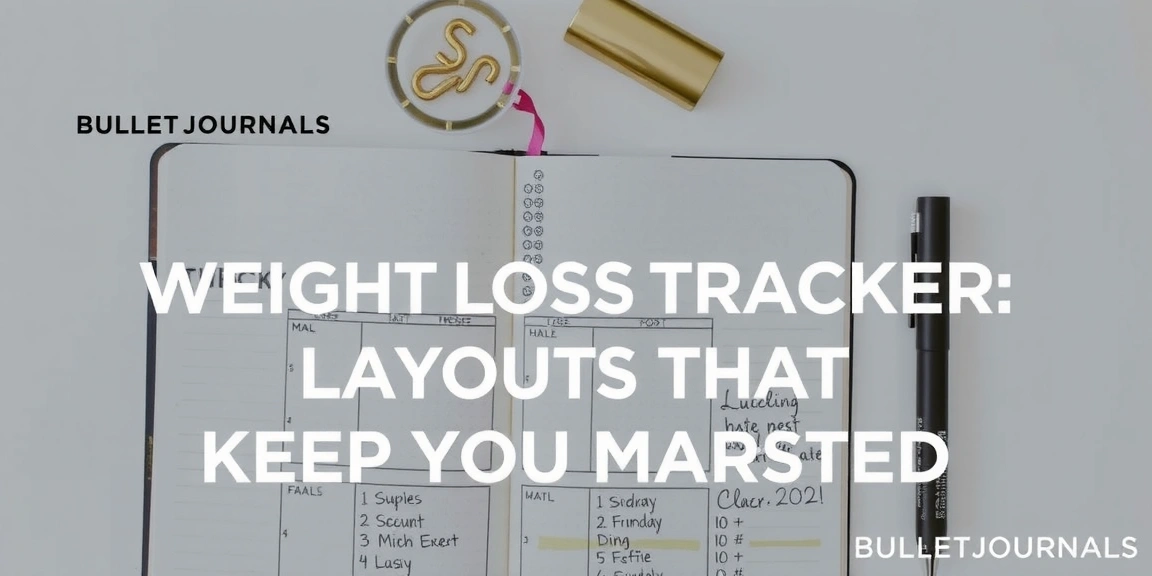
A comprehensive weight loss tracker doesn't need to overwhelm you with complexity. The most effective layouts combine 4-6 core tracking elements that work together. Start with a weekly or monthly weigh-in grid—a simple column chart where you record your weight and can visually spot trends. Below that, add a measurements tracker with space for chest, waist, hips, thighs, and arms. Many people find measurements more motivating than scale weight because muscle weighs more than fat, and inches lost often appear before pounds drop.
Next, include a workout log section with fields for exercise type, duration, intensity, and how you felt. This isn't about obsessing over calories burned; it's about building consistency and celebrating movement. Add a meal planning area—even a simple weekly grid where you jot breakfast, lunch, dinner, and snacks helps you see patterns and plan intentionally. Finally, incorporate a progress notes section where you can track non-scale victories like improved energy, better sleep, clothes fitting differently, or strength gains. These wins matter tremendously for motivation when the scale plateaus.
Optional but powerful additions include a water intake tracker (many people mistake thirst for hunger), a mood and energy log (to spot connections between habits and how you feel), and a rewards or milestone celebration space. Keep the design clean and functional—you don't need elaborate artwork to make it effective. Simple boxes, circles, or lines work beautifully when combined with your favorite pen colors and minimal doodles. The goal is a layout you'll actually use, not one that's so intricate you avoid updating it.
Design Your Monthly Weight Loss Overview Spread
A monthly overview spread gives you the big picture at a glance. On the left page, create a calendar grid for the entire month with small circles or boxes for each day. Color-code your workouts: green for completed, yellow for modified, and gray for rest days. This visual representation builds momentum—you'll actually see your consistency pattern and feel motivated to keep the green days coming. Add a legend at the bottom explaining your color system so you can quickly scan the page.
On the right page, build your monthly metrics section. Create a simple graph with weeks on the x-axis and weight on the y-axis—even a rough, hand-drawn line chart shows progress beautifully and helps you identify patterns. Weight naturally fluctuates due to water retention, hormones, and muscle gain, so a visual trend line prevents discouragement from daily ups and downs. Beneath the graph, list your monthly goals in three categories: nutrition (e.g., meal prep 4 days per week), movement (e.g., 16 workouts), and mindset (e.g., practice self-compassion on rest days). These goals should be realistic and specific—not “lose 10 pounds” but “track meals consistently and workout three times weekly.”
Add a celebration box for monthly wins, no matter how small. Did you drink more water? Increase your push-up count? Stick to your meal plan despite eating out? Write it down. Research on intrinsic motivation shows that celebrating effort and progress builds confidence far more effectively than focusing only on numbers. This monthly spread becomes a powerful reference tool you'll flip back to on tough days, reminding yourself how far you've come and what you're capable of.
Meal Planning and Nutrition Tracking Layouts
A meal planning spread is the foundation of weight loss success because, as the saying goes, you can't out-exercise a poor diet. A simple weekly meal planner layout includes seven columns (one per day) and three rows for breakfast, lunch, and dinner. Use a pencil initially so you can adjust as needed, then finalize with pen. This layout takes about five minutes to complete but prevents the 3 p.m. decision paralysis that leads to unhealthy choices. Include a small grocery list section on the same spread—jot items as you plan meals, making shopping intentional and efficient.
For those tracking macros or calories, create a slightly more detailed daily tracker. Draw three columns: food item, portion size, and notes (calories, protein, or relevant info). Keep this layout minimal—one per day across a two-page spread, or a smaller daily box if you prefer. The key is making it quick to update; overly complex tracking becomes unsustainable. Consider adding a “recipe inspiration” section where you paste or draw pictures of meals you want to try. This keeps meal planning creative and prevents the boredom that derails most diets.
Include a hydration tracker—simple circles or dashes representing water glasses—and a snack ideas section. Pre-planning snacks prevents reaching for whatever's convenient when hunger strikes. You might create a reusable snack list (like “apple + almond butter, Greek yogurt, almonds, carrots + hummus”) and reference it throughout the week. Finally, add a space for noting how meals made you feel. Did a certain food cause bloating, energy crashes, or cravings? These observations are invaluable for understanding your unique body and making sustainable choices. This qualitative data is just as important as calorie counts.
Workout and Exercise Logging Spreads
An effective workout log goes beyond simply checking off “exercise completed.” Design a two-page spread with space for five to seven workouts per week. For each entry, include these fields: date, exercise type, duration, intensity level (1-10 scale), sets and reps if applicable, and how you felt (energy level, mood, any discomfort). This data reveals valuable patterns—you might notice you always feel energized after morning workouts, or that you recover better with rest days between heavy lifting sessions. Use these insights to optimize your routine for long-term sustainability.
Color-code different exercise types: blue for cardio, red for strength, green for flexibility work, and yellow for active recovery. This visual breakdown shows whether your weekly routine is balanced. Many people overdoing cardio while neglecting strength training, which slows metabolism and increases injury risk. A visual tracker helps you spot imbalances and adjust. Create a simple chart at the month's end showing total workouts by type—this gamification element is incredibly motivating. Aim for something like “8 cardio sessions, 6 strength sessions, 4 yoga sessions” and watch yourself prioritize variety once you see the numbers.
Include a personal record (PR) section where you note strength improvements—adding 5 pounds to your deadlift, doing more push-ups, or running faster. These non-scale victories often precede weight loss and prove your body is changing and strengthening. Add an injury prevention checklist if relevant: did you warm up, stretch, use proper form? This promotes healthy habits that keep you active and injury-free long-term. Finally, create a motivational notes area—your favorite workout playlist, positive affirmations to repeat mid-workout, or energy-boosting activities. This transforms your workout log into a personal coaching document that keeps you accountable and inspired.
Measurement Tracker and Progress Visualization
The scale is just one data point, and often not the most meaningful one during a weight loss journey. A comprehensive measurement tracker records multiple indicators of progress. Create a simple table with these measurements: chest, upper arm, forearm, waist, hips, thigh, and calf. Include columns for starting measurement, current measurement, and inches lost. Take measurements monthly on the same day at the same time, as consistency reduces error from daily fluctuations. Many people find measuring actually more motivating than weighing because it visually proves body composition changes that the scale might hide.
Beyond physical measurements, incorporate a progress photo section. Monthly, take a photo from the same angle wearing similar clothing. Create a spread where you paste or sketch these photos side-by-side—the visual transformation is powerful and undeniable, especially when the scale stalls. Photos also capture changes invisible in numbers: better posture, increased muscle definition, or a brighter complexion from better nutrition and hydration. Include a space to note how clothes fit—”jeans now zip without lying down” or “large shirts are loose”—because real-world changes matter more than numbers.
Design a progress visualization spread using any of these techniques: a line graph tracking the trend (not obsessing over daily fluctuations), a pie chart showing workout types, a bar chart comparing starting measurements to current ones, or even a simple tracker where you color in a circle for each pound or inch lost. Choose visualization methods that resonate with you—some people love graphs, others prefer visual representations like coloring in sections of a journey map. The act of creating these visualizations reinforces your progress and keeps motivation high during inevitable plateaus. Remember: weight loss is typically 3-4 months of consistent effort before seeing major changes, so these visual proof points sustain you through the early weeks when willpower alone falters.
Non-Scale Victory Tracking and Mental Health Integration
The most overlooked aspect of weight loss tracking is celebrating non-scale victories (NSVs). These are changes unrelated to pounds lost but directly tied to improved health and fitness. Create a dedicated spread where you track NSVs like improved energy levels, better sleep quality, decreased joint pain, increased strength, improved digestion, clearer skin, better mood, reduced anxiety, or increased confidence. Include space to note the date and briefly describe the victory. Over a few months, you'll accumulate proof that your efforts are working even when the scale doesn't move.
Mental health integration is crucial for sustainable weight loss. Research shows that restrictive, shame-based tracking often leads to burnout and cycling weight loss and gain. Instead, design your tracker with self-compassion built in. Include a mood tracker using simple emoticons or a 1-10 scale, noting mood alongside workouts and meals. You might discover that stress and poor sleep trigger cravings, or that certain workouts boost mental health more than others. Add a stress and sleep log—even basic notes like “6 hours sleep, stressed about work” help you understand connections between lifestyle factors and eating patterns.
Create a “compassionate check-in” section where, weekly, you write yourself a supportive note. Instead of “I was so lazy this week,” try “I had a busy week but prioritized three workouts and prepped meals twice—that's progress.” This reframes your narrative and builds resilience during setbacks. Include a values section where you articulate why you're pursuing health—is it to have energy for your kids, reduce health risks, feel strong,
Related from our network
- The 20 Best AI Tools in 2026 (A Full Guide) – DataCamp (wealthfromai)
- 8 Easy Ways to Connect With Your Spirit Guides Daily (witchcraftforbeginners)
- How to Automate Pet Care With Smart Feeders and Cameras (smarthomewizards)
Related Posts




Related Posts
✨ Our Recommendation
Editor's Pick: Dot grid journal for creating customizable bullet journal weight loss tracker layouts that keep you motivated.
Your Weekly Dose of Inspiration
Journaling ideas, family tips, and gentle inspiration.
Love this content?
Join the BulletJournals.net community for exclusive tips, guides, and updates.
Subscribe Free