Essential Bullet Journal Setup Ideas for Beginners
Starting your bullet journal journey in 2026 means embracing both traditional methods and modern innovations that make organization more intuitive and visually appealing. The foundation of any successful bullet journal lies in establishing core pages that serve as your organizational backbone while reflecting your personal style and needs.
Key Collection Pages
Your index remains the roadmap to your entire journal, but modern approaches include color-coded entries and symbol variations that go beyond the basic dot, dash, and circle system. Consider trying a two-tier key system where primary symbols indicate task types (work, personal, health) while secondary symbols show urgency levels. Future logs have evolved beyond the traditional six-month grid format to include rolling quarterly spreads and hybrid digital-physical systems that sync with calendar apps.
Master pages serve as your journal's command center, housing essential information like emergency contacts, passwords (coded, of course), and frequently referenced lists. A quality notebook with dotted pages provides the perfect foundation for these crucial layouts, allowing flexibility while maintaining structure.
Monthly Log Variations
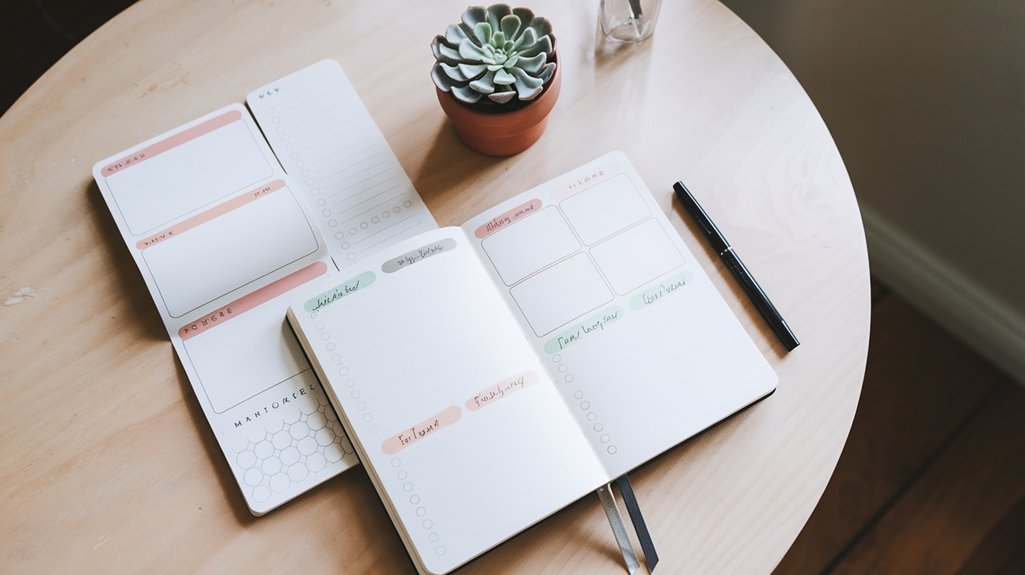
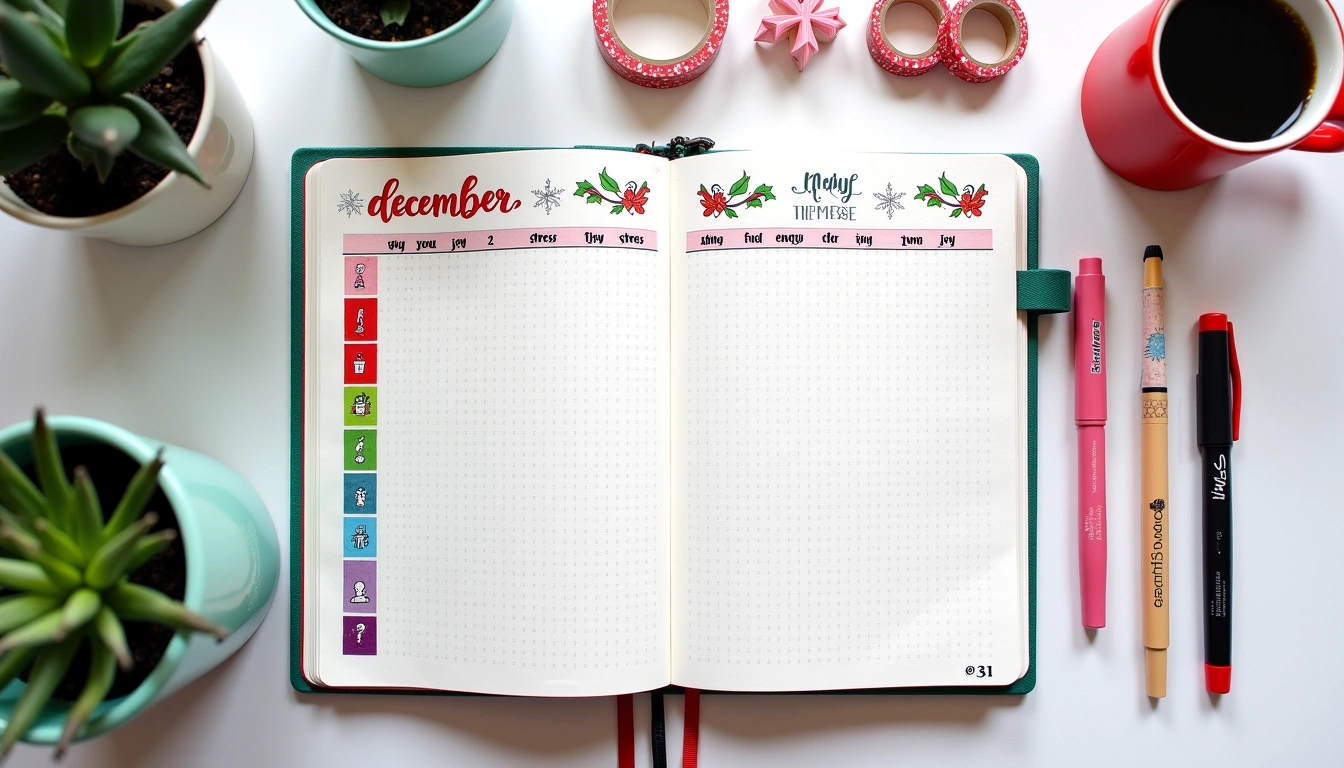
The traditional monthly calendar has transformed into dynamic layouts that integrate multiple tracking systems. Consider the dashboard approach, where your calendar occupies one side of the spread while habit trackers, goal progress bars, and important deadlines fill the remaining space. This creates a comprehensive monthly overview that eliminates the need to flip between multiple pages.
Habit tracker integration has become more sophisticated, moving beyond simple checkbox grids to include visual representations like progress circles, bar charts, and even artistic interpretations that double as page decorations. Monthly reflection pages paired with these spreads encourage mindful review of accomplishments and areas for improvement.
Weekly Spread Fundamentals
Weekly layouts form the backbone of daily planning, and 2026 trends favor flexibility over rigid structures. The modular approach divides your weekly spread into customizable sections that can expand or contract based on your schedule. Horizontal layouts work well for time-blocking ensoiasts, while vertical formats suit those who prefer traditional daily columns.
Grid-based designs offer the ultimate flexibility, allowing you to adjust daily space allocation throughout the week. Incorporate small sections for meal planning, expense tracking, or daily gratitude within your weekly spread to consolidate multiple life areas onto two pages. The key is choosing a pen with consistent ink flow to maintain clean, readable entries throughout your busy week.
Minimalist Bullet Journal Layouts That Maximize Efficiency
Minimalist bullet journaling has gained tremendous momentum as people seek clarity and focus in an increasingly complex world. This approach prioritizes function over decoration while maintaining visual appeal through thoughtful design choices and strategic use of space.
Clean Line Designs
The power of minimalist layouts lies in their restraint and intentional use of design elements. Straight lines created with a quality ruler become your primary decorative tool, creating sections, borders, and visual hierarchy without overwhelming the page. Single-color schemes using just black ink or one accent color create cohesive spreads that feel calm and organized.
Geometric shapes serve dual purposes in minimalist designs, functioning as both organizational tools and subtle decoration. Simple rectangles can frame important information, while circles can highlight priorities or create elegant habit trackers. The key is consistency – establish a visual language for your journal and maintain it throughout.
Border techniques in minimalist journals focus on function rather than flourish. A simple double line can separate sections effectively, while corner brackets can highlight important dates or deadlines. These elements require minimal time investment but significantly improve page organization and visual appeal.
Negative Space Utilization
Whitespace becomes an active design element in minimalist bullet journals, creating breathing room that prevents pages from feeling cluttered or overwhelming. Strategic use of negative space guides the eye naturally through your layouts and creates emphasis without additional marks or colors.
Embrace the power of empty space by resisting the urge to fill every corner of your page. Leave generous margins, space between sections, and padding around headers. This approach not only creates visual appeal but also provides emergency space for additional notes or tasks that arise unexpectedly.
Typography-Focused Spreads
In minimalist design, typography carries the decorative load traditionally handled by illustrations and embellishments. Develop a hierarchy system using different lettering sizes and styles for headers, subheaders, and body text. Your everyday pen becomes a versatile tool for creating visual interest through varied letter weights and spacing.
Simple sans-serif lettering works well for clean, modern aesthetics, while basic serif styles can add subtle personality without complexity. Focus on consistency and legibility over elaborate flourishes – your future self will appreciate clear, readable entries over decorative text that's difficult to parse quickly.
Artistic and Creative Bullet Journal Themes
Creative bullet journaling transforms functional planning into personal artistry, allowing you to express individuality while maintaining organizational effectiveness. The artistic approach to bullet journaling has evolved to encompass various skill levels, from simple doodle embellishments to sophisticated illustration techniques.
Seasonal and Monthly Themes
2026's trending color palettes draw inspiration from both digital design and natural elements, featuring warm earth tones, sage greens, and soft terracotta shades that translate beautifully to journal pages. Seasonal theming provides natural transition points throughout the year, helping maintain engagement with your journal while marking time's passage meaningfully.
Spring themes incorporate fresh greens and blooming florals, perfect for new goal-setting and habit formation. Summer layouts might feature ocean blues and sunset oranges, ideal for travel planning and outdoor activity tracking. Autumn brings rich burgundies and golden yellows, excellent for gratitude practices and preparation themes. Winter's cool blues and deep purples create contemplative spaces for reflection and planning.
Nature-inspired themes offer endless variation possibilities, from detailed botanical illustrations to simple leaf patterns. Forest themes can incorporate tree silhouettes and woodland creatures, while ocean themes might feature wave patterns and marine life. Mountain landscapes provide geometric inspiration that works well even for beginning artists.
Doodle Integration Techniques
Doodling serves both decorative and functional purposes in creative bullet journals. Simple border doodles can transform plain page edges into delightful frames that don't compete with your content for attention. Vine patterns, geometric repetitions, and wave designs require minimal artistic skill but maximum impact.
Corner flourishes provide perfect opportunities for small artistic touches that don't overwhelm your layouts. Simple flower clusters, sun rays, or abstract patterns can anchor page corners while maintaining balance. These elements work particularly well when repeated throughout a monthly theme, creating visual consistency.
Icon development allows you to create a personalized symbol system that's both functional and artistic. Design simple weather icons, mood indicators, or activity symbols that reflect your personal style. Using a fine-tip marker ensures these details remain crisp and legible while adding personality to your spreads.
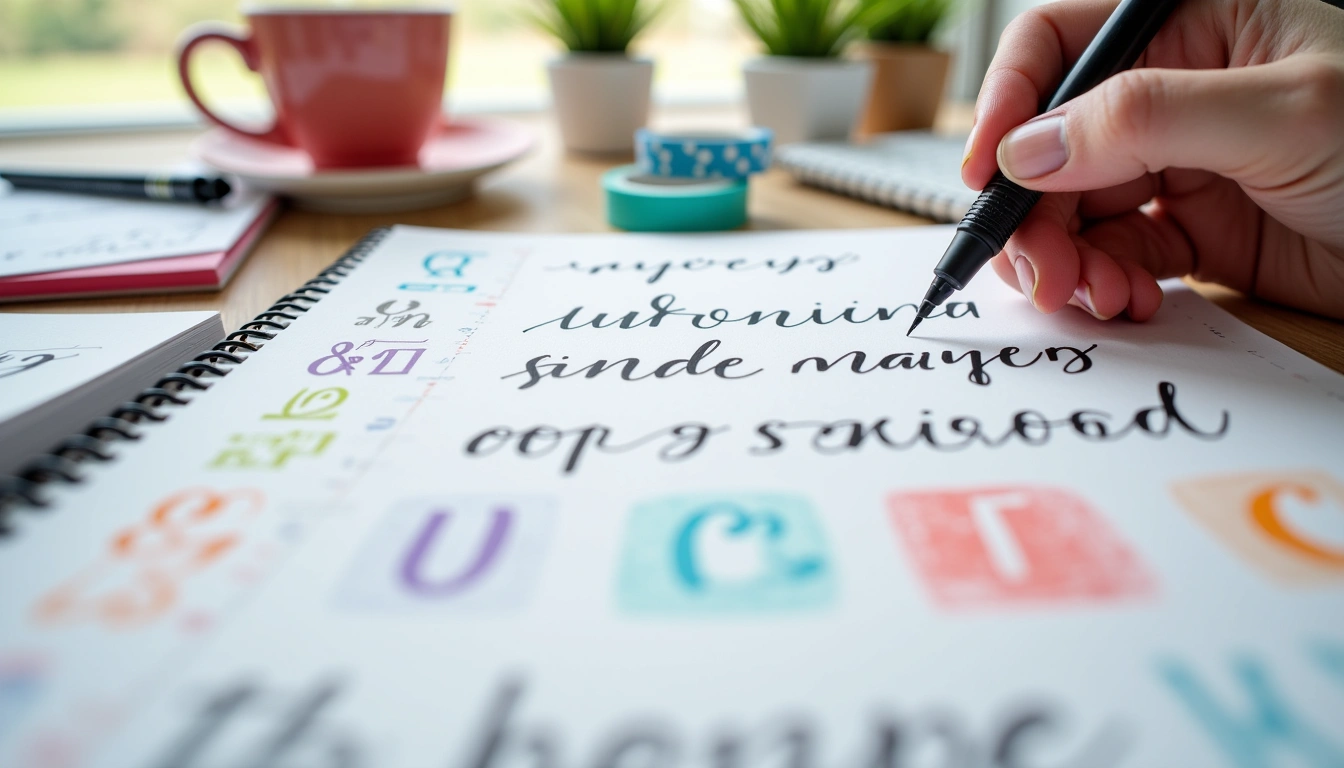
Hand Lettering Applications
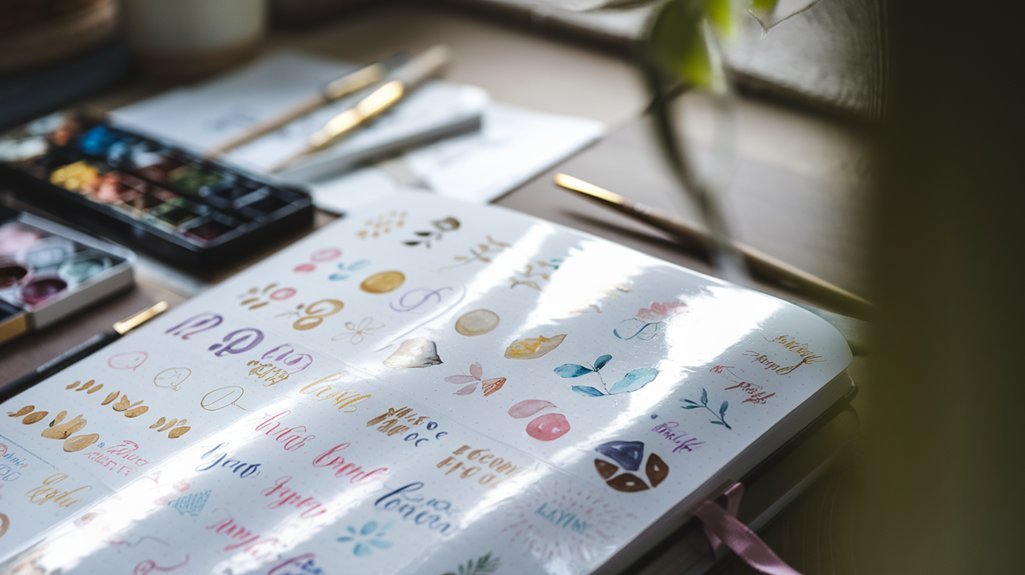
Hand lettering elevates bullet journal aesthetics while improving the overall user experience through clear hierarchy and visual interest. Focus on developing a few reliable lettering styles rather than attempting complex calligraphy that might slow down your daily planning process.
Block letters work excellently for main headers, providing bold, readable titles that anchor your pages. Script styles can add elegance to special pages or monthly covers, while maintaining simplicity for practical use. Practice basic letter forms using your regular pen before investing in specialized lettering tools.
Faux calligraphy techniques allow you to create sophisticated lettering effects with standard pens by adding downstroke thickness after writing normally. This approach provides calligraphic aesthetics without requiring special nibs or extensive training, making elegant lettering accessible to all skill levels.
Check each product page for other buying options. Price and other details may vary based on product size and color.
Highly rated by customers for quality and value. Click to see current pricing and customer reviews.
More Top-Rated Options



Productivity-Focused Bullet Journal Ideas
Productivity-oriented bullet journaling combines time-tested organizational principles with innovative layout designs that support focused work and efficient task management. These systems prioritize functionality while incorporating visual elements that enhance motivation and clarity.
Time Management Systems
Time-blocking spreads have become essential tools for managing complex schedules in our increasingly demanding world. Create hourly grids that allow you to visualize your day at a glance, identifying time conflicts and ensuring adequate space for deep work. Color-coding different activity types helps you maintain work-life balance and spot patterns in your schedule.
The Eisenhower matrix integration transforms decision-making by providing a visual framework for prioritizing tasks based on urgency and importance. Dedicate a weekly page section to this quadrant system, helping you focus on important but not urgent tasks that drive long-term success. This visual approach makes it easier to say no to time-wasters and yes to meaningful activities.
Energy management spreads work alongside time management by tracking your natural energy fluctuations throughout the day. Note when you feel most alert, creative, or social, then design your schedule to match high-energy tasks with peak performance times. This biological approach to productivity often yields better results than pure time management alone.
Project Planning Layouts
Project timeline layouts break complex undertakings into manageable phases with clear milestones and deadlines. Use horizontal timelines for long-term projects or vertical cascading lists for projects with dependent tasks. Include buffer time for unexpected complications and regular check-in dates to assess progress and adjust plans.
Milestone tracking provides motivation through visual progress representation. Create progress bars, stepping stones, or mountain peak metaphors that celebrate incremental achievements. This approach maintains momentum during long projects and provides clear evidence of advancement even when the finish line feels distant.
Brain dump pages serve as mental decluttering tools, providing space to capture racing thoughts, random ideas, and lingering concerns that distract from focused work. Schedule regular brain dump sessions weekly or monthly, then sort captured items into actionable tasks, future considerations, or items to release completely.
Goal Achievement Trackers
SMART goals breakdown transforms vague aspirations into concrete action plans with specific, measurable, achievable, relevant, and time-bound components. Create dedicated pages that define each element clearly, then track progress through weekly reviews and adjustments. Visual progress indicators maintain motivation during challenging periods.
Habit stacking layouts connect new behaviors to established routines, increasing the likelihood of successful tryation. Map your current daily routines, then identify natural attachment points for new habits. Track both the trigger habit and the new behavior until the connection becomes automatic.
Weekly and monthly review templates ensure consistent evaluation and course correction. Include sections for celebrating wins, analyzing challenges, and planning improvements. Regular reviews improve your journal from a passive record into an active tool for continuous improvement and strategic thinking.
Health and Wellness Bullet Journal Spreads
Health-focused bullet journaling creates accountability and awareness around wellness goals while providing valuable data for understanding personal patterns and triggers. These layouts support holistic health by tracking physical, mental, and emotional wellbeing indicators.
Fitness and Exercise Tracking
Workout log designs combine functional tracking with motivational elements that encourage consistency. Create exercise libraries with simple illustrations or symbols representing different activities, making logging quick and visual. Include spaces for noting energy levels, mood, and physical feelings to identify patterns between exercise and overall wellbeing.
Step counters and activity level trackers help maintain daily movement goals beyond formal exercise sessions. Design creative visual representations like paths, mountains to climb, or distance traveled to imaginary destinations. These gamification elements transform mundane tracking into engaging activities that motivate continued participation.
Strength progression charts document improvements in weightlifting, yoga poses, or other skill-based activities. Visual progress tracking through charts, graphs, or milestone markers provides concrete evidence of improvement that might otherwise go unnoticed in day-to-day training.
Mental Health and Mood Monitoring
Mood tracking wheels provide nuanced emotional awareness beyond simple happy/sad dichotomies. Create circular designs divided into emotional categories with intensity levels, allowing for complex emotional recognition. Color-coding different emotions creates beautiful mandalas while providing valuable mental health data.
Gratitude log layouts foster positive thinking patterns through consistent appreciation practice. Design spreads that accommodate daily gratitude entries, weekly reflections, or monthly themes. Research shows gratitude practices significantly impact overall wellbeing and life satisfaction, making these pages both beautiful and beneficial.
Stress level monitoring helps identify triggers and effective coping strategies. Track stress alongside daily activities, sleep quality, and coping mechanisms used. Pattern recognition can reveal surprising stress sources and highlight which management techniques work best for your unique situation.
Nutrition and Meal Planning
Meal prep planning grids simplify healthy eating by organizing weekly menus, grocery lists, and preparation schedules. Create templates that accommodate your cooking style, whether you batch cook on weekends or prefer daily fresh preparation. Include sections for noting successful recipes and meal combinations for future reference.
Water intake trackers use creative visual representations to encourage adequate hydration. Design water bottles to color in, plants to water, or aquariums to fill throughout the day. These playful approaches make mundane tracking more engaging while supporting essential health habits.
Nutrition goal tracking might focus on vegetable servings, protein intake, or mindful eating practices rather than restrictive calorie counting. Create positive tracking systems that celebrate nourishing choices rather than punishing food decisions, supporting a healthy relationship with eating and body image.
Digital Integration and Hybrid Bullet Journal Methods
Modern bullet journaling easily blends analog and digital tools, creating hybrid systems that use technology's convenience while maintaining handwriting's cognitive and creative benefits. These integrated approaches recognize that different types of information and tasks benefit from different mediums.
QR Code Integration
QR codes bridge the gap between physical journal pages and digital resources, transforming your notebook into an interactive experience. Generate codes that link to digital files, voice memos, photo galleries, or online resources related to specific journal entries. This technology allows unlimited expansion of page content without sacrificing the clean aesthetics of analog layouts.
Link QR codes to cloud storage folders containing project documents, reference materials, or inspiration images. This approach keeps your journal uncluttered while ensuring easy access to supporting materials. Use a smartphone to create and print custom QR codes that match your journal's aesthetic through color and size customization.
Digital backup systems can use QR codes that link to cloud-stored photos of important journal pages. This creates redundancy for crucial information while maintaining your preference for analog planning. Generate monthly or weekly codes that connect to corresponding digital archives for smooth integration.
Photo Incorporation Techniques
Polaroid and photo collage layouts bring memories and visual inspiration directly into your journal pages. Instant photos create tangible connections to experiences, goals, and people that enhance emotional engagement with your planning system. Leave designated spaces in layouts for photos, or create dedicated memory pages that combine images with written reflections.
Digital printing services now offer small-format photos perfect for bullet journal integration. Print smartphone photos in wallet size or smaller to incorporate visual elements without overwhelming page layouts. Consider black and white printing for cohesive aesthetics that complement any color scheme.
Photo documentation of completed projects, achieved goals, or special moments creates powerful motivation and reflection tools. Develop systems for regularly printing and incorporating meaningful images that support your journal's primary functions while adding personal significance.
Digital-Physical Workflow Systems
Calendar synchronization allows your bullet journal to complement rather than compete with digital scheduling tools. Use your physical journal for planning, reflection, and creative expression while maintaining digital calendars for scheduling and reminders. This division of labor maximizes each medium's strengths.
Note-taking apps can capture quick thoughts and ideas throughout the day, which then transfer to journal pages during dedicated planning sessions. This hybrid approach ensures no thoughts are lost while maintaining the intentional, mindful practice of hand-written planning and reflection.
Cloud storage organization for bullet journal photos creates searchable archives of your planning history. Develop naming conventions and folder structures that make past layouts easy to find and reference. This digital backup also enables sharing favorite layouts with the online bullet journal community for inspiration and feedback.
Advanced Layout Techniques and Pro Tips
Mastering advanced bullet journal techniques elevates your practice from basic organization to sophisticated personal management system. These professional-level approaches maximize space utilization, improve information architecture, and create stunning visual layouts that inspire continued use.
Complex Grid Systems
Dutch door and fold-out techniques dramatically expand page real estate without adding bulk to your notebook. Create partial cut pages that reveal hidden information or provide additional writing space when needed. These techniques work particularly well for project planning, reference materials, or seasonal layouts that require extensive detail.
Multi-level information architecture organizes complex data through layered systems that reveal detail progressively. Design layouts with overview information visible at first glance, with detailed data accessible through tabs, fold-outs, or designated detail sections. This approach prevents information overload while ensuring comprehensive tracking.
Modular page design creates flexible layouts that adapt to changing needs throughout the month. Design component sections that can expand or contract based on weekly requirements, ensuring optimal space utilization regardless of schedule complexity. Master this technique to eliminate wasted space and improve layout functionality.
Multi-Functional Page Designs
Combination spreads integrate multiple tracking systems onto single pages without creating visual chaos. Layer habit trackers with mood monitoring, combine meal planning with exercise scheduling, or merge project timelines with daily task lists. Successful multi-functional designs require careful planning but dramatically improve journal efficiency.
Cross-referencing systems connect related information across different journal sections through symbols, color coding, or numbering systems. Develop consistent methods for linking project notes with daily tasks, connecting goals with habit trackers, or relating weekly reviews to monthly planning pages.
Space optimization techniques maximize every inch of journal real estate through strategic layout planning. Learn to design around notebook binding constraints, use margin space effectively, and create visual hierarchies that guide attention efficiently through complex information displays.
Troubleshooting Common Layout Issues
Mistake correction methods maintain page aesthetics while acknowledging the reality of human error. Develop artistic techniques for incorporating mistakes into page designs, such as turning ink blots into decorative elements or using washi tape to create intentional design features over errors. A quality pen with reliable ink flow reduces mistakes but creative solutions handle inevitable slip-ups gracefully.
Layout flexibility planning accommodates life's unpredictability without derailing your organizational system. Design layouts with built-in buffer space, overflow areas, and adaptation strategies for busy periods. Prepare backup layout options for weeks when your carefully planned spreads don't match reality's demands.
Seasonal transition strategies maintain continuity while refreshing visual themes and functional approaches. Plan theme changes during natural break points, develop color transition techniques that bridge old and new aesthetics, and create systems for transferring ongoing projects and habits into new seasonal formats without losing momentum or important information.