- The Traditional Rapid-Log: A Solid Foundation, But Is It Enough?
- Time-Blocked Daily Logs: For the Schedule-Obsessed
- Narrative Daily Logs: Capturing the Full Story
- Task-Only Daily Logs: The Minimalist Productivity Powerhouse
- Hybrid Approaches: The Best of All Worlds
- Finding YOUR Perfect Daily Log Format
- Frequently Asked Questions
- Related Posts
- Related Posts
Disclosure: This post contains affiliate links. If you click through and make a purchase, we may earn a small commission at no extra cost to you. Thank you for supporting this site!
Is your daily log feeling more like a chore than a helpful tool? You've probably seen those perfectly curated spreads on Pinterest, all clean lines and matching pens, and thought, “That's what I need!” I've been there, filling over 20 Bullet Journals since 2015, and let me tell you, the most popular daily log format isn't always the best fit for *your* unique lifestyle. For years, I stuck to the classic rapid-logging method: date, bullet, task, event, note. It worked okay for a while, but as my work shifted from a structured 9-to-5 to a more fluid freelance schedule, and my energy levels fluctuated wildly, I found myself staring at blank pages or messy scribbles. The truth is, the way you log your day can either propel you forward or leave you feeling stuck. It’s not about having the prettiest journal; it’s about finding a system that actually supports how you live, work, and dream. Let's explore why your current daily log might be holding you back and how a simple tweak could change everything.
The Traditional Rapid-Log: A Solid Foundation, But Is It Enough?
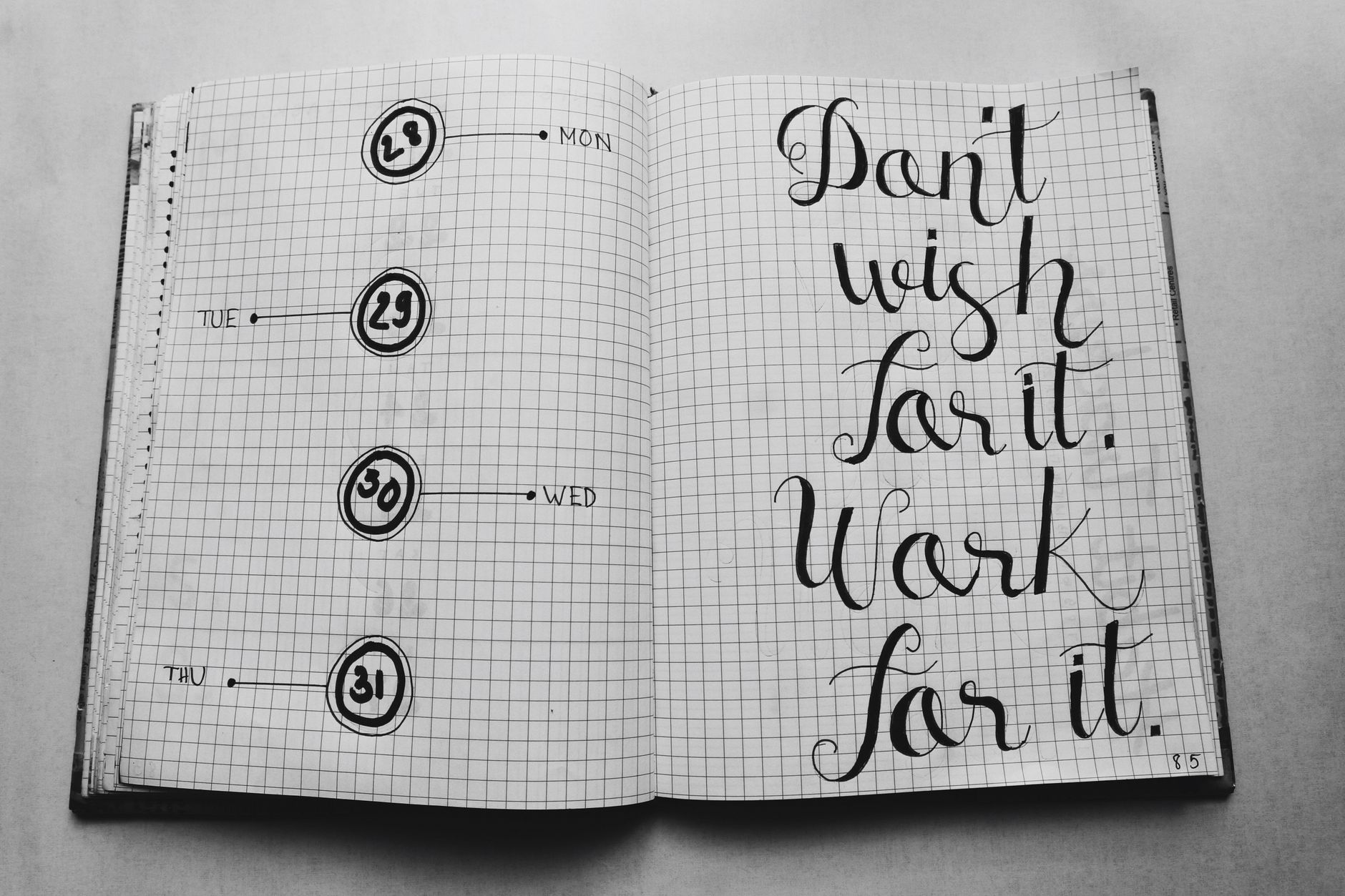
The classic bullet journal daily log, popularized by Ryder Carroll, is a marvel of simplicity. You start with the date, then use symbols – dots for tasks, circles for events, dashes for notes – to quickly capture information. It’s incredibly efficient, especially for straightforward days. I remember when I first started, my days were packed with meetings and deadlines, and this format was a lifesaver. I could jot down a meeting at 10 AM, a task to call a client at 2 PM, and a note about a great idea at 7 PM, all in a matter of seconds. This method thrives on brevity and clarity, making it ideal for capturing factual information quickly. A typical setup might involve just a date and a few lines, taking maybe 30 seconds to set up and a few minutes to fill throughout the day.
However, this minimalist approach can fall short when your days aren't so neatly defined. If you're a creative entrepreneur, a parent juggling multiple schedules, or someone whose energy ebbs and flows, just listing tasks might not capture the nuances of your day. Did you spend an hour brainstorming, only to feel too drained to tackle a physical task? The rapid log might just show a bullet point for “brainstorming” and another for “rest,” missing the emotional and energetic context. For me, when I was trying to implement this rigidly during a particularly demanding project in 2019, I found myself frustrated because I couldn't easily see *why* I didn't get to certain tasks. It felt like a simple checklist that wasn't reflecting the complexity of my actual workflow. This is where we start to see the need for variations.
Time-Blocked Daily Logs: For the Schedule-Obsessed
If your brain loves structure and you find yourself constantly checking the clock, a time-blocked daily log might be your perfect match. This format divides your day into hourly or half-hourly segments, allowing you to assign specific activities to each block. Think of it as a visual schedule right in your journal. I experimented with this heavily during a period when I was trying to optimize my freelance work hours. I’d draw a vertical line down the page and mark out 7 AM, 8 AM, 9 AM, and so on, all the way to 10 PM. Then, I’d fill in each block with what I planned to do. For instance, 9 AM – 10 AM: Client Call A, 10 AM – 12 PM: Deep Work – Project X, 12 PM – 1 PM: Lunch & Email Catch-up.
This method is fantastic for understanding where your time actually goes and for consciously allocating time to important, but not urgent, tasks. It forces you to be realistic about how long things take. When I first tried a time-blocked spread, I was shocked to realize I was consistently overestimating how much I could fit into a two-hour work block. I'd allocate 3 major tasks and only complete 1.5. This awareness was invaluable! Setting up a time-blocked spread typically takes about 5-10 minutes, depending on how detailed you get with your time increments. Using a ruler to draw precise lines with a Micron 05 pen can make it look super clean, and it’s a great way to visualize your day before it even begins. However, it can feel restrictive if your schedule is unpredictable or if you prefer a more fluid approach to your day.
Narrative Daily Logs: Capturing the Full Story
Sometimes, a list just doesn't cut it. If you're looking to document your thoughts, feelings, and the “why” behind your actions, a narrative daily log is your best friend. This is less about ticking off tasks and more about journaling your day. You might write a few paragraphs about your morning, how a particular conversation made you feel, or what insights you gained from a book. This format is incredibly powerful for personal growth and self-reflection. I found this invaluable during a period of significant personal change in 2020. Instead of just listing “therapy appointment,” I’d write about how I felt before and after, what I learned, and how it connected to my larger goals. It created a rich, personal history that the rapid log simply couldn't provide.
Setting up a narrative log is minimal – just the date and maybe a prompt. The “work” happens as you write, which can take anywhere from 10 minutes to an hour, depending on how much you want to express. You can use a beautiful pen like a Tombow Dual Brush pen in a soft color like 873 (Coral) for headings or important thoughts to make it visually appealing. While this method offers deep insights, it's not the most efficient for tracking a long list of to-dos. If your primary goal is productivity and task completion, a purely narrative log might feel too slow or unfocused. It requires a commitment to reflection that not every day allows for, or demands.
Task-Only Daily Logs: The Minimalist Productivity Powerhouse
For those who live and breathe to-do lists, a task-only daily log is pure bliss. Forget events, forget notes – this is all about the tasks. You list everything you need to accomplish, often with checkboxes. It’s a streamlined approach focused solely on action and completion. I’ve used this format when I’m in a project sprint and need laser focus on deliverables. Imagine a page dedicated just to the 15-20 tasks required to launch a new product. Each task gets its own line and a checkbox. It's incredibly satisfying to see those boxes get ticked off! This format takes almost no time to set up – maybe 1 minute to write the date and draw a few lines. Filling it out involves writing down tasks as they come up, which takes seconds per task.
The beauty of this format is its absolute clarity on what needs to be done. It’s a direct path to checking things off your list. However, its biggest weakness is its lack of context. You might have a list of 30 tasks, but no idea *why* they are important or how they connect to your bigger picture. In 2018, I tried a task-only log for an entire month, and while I completed more tasks than usual, I felt a disconnect from my long-term goals. I was busy, but was I busy *on the right things*? This format is excellent for high-focus periods but can lead to burnout or a feeling of aimless activity if not balanced with other planning methods. It’s a tool for execution, not necessarily for strategic thinking.
Hybrid Approaches: The Best of All Worlds
Why choose just one when you can combine them? This is where the magic truly happens for many of us. Recognizing that no single format fits every day or every person, hybrid approaches allow you to tailor your daily log to your specific needs. I've found immense success by creating a flexible template that incorporates elements from different styles. For example, I might start my day with a small time-blocked section for my most crucial morning tasks (7 AM – 9 AM: Deep Work Block 1). Then, I’ll have a larger section for rapid-logging general tasks and events that come up throughout the day. Finally, I might leave a dedicated space at the bottom for a brief narrative reflection or a gratitude entry. This setup typically takes about 5-7 minutes to prepare at the start of the day.
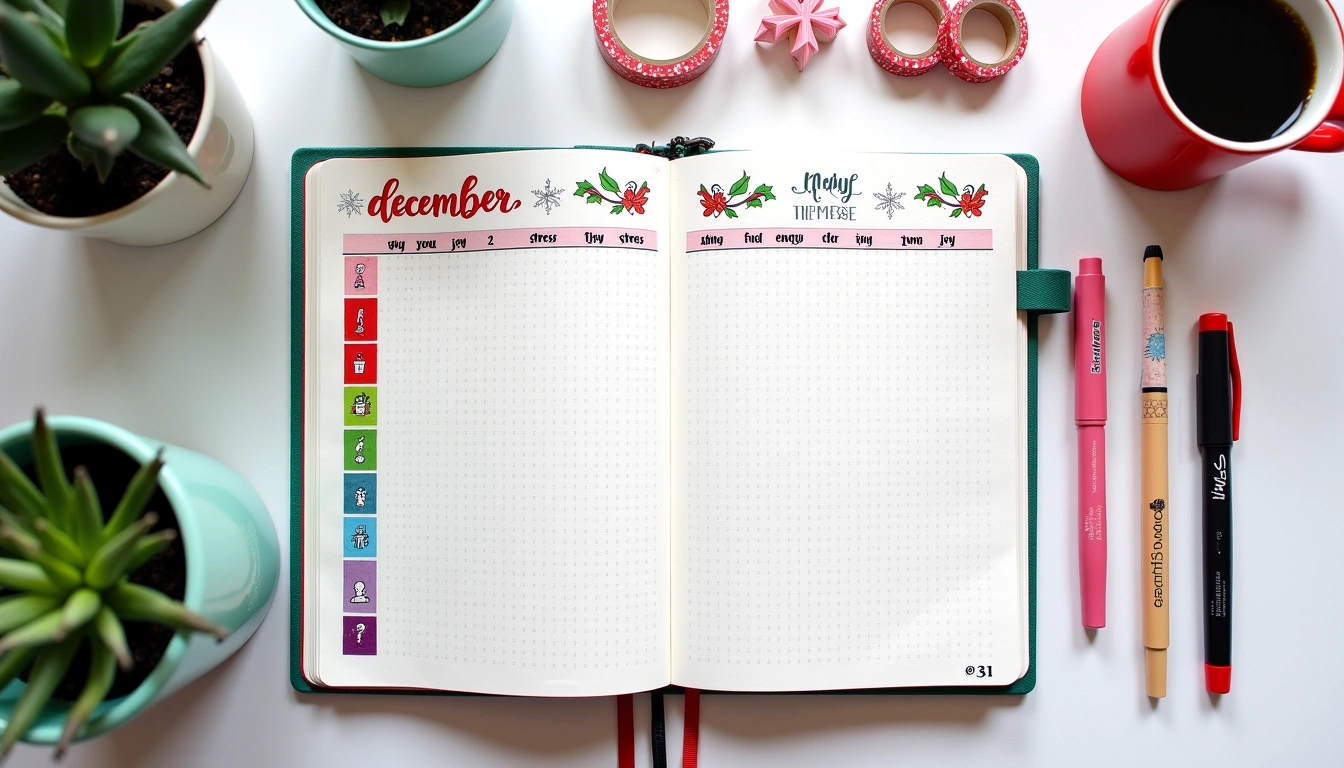
My current favorite hybrid setup, which I refined in late 2022, uses a simple layout: a header with the date and day, a column for tasks (using the traditional bullet symbols), a smaller section for appointments with specific times, and a free-form “Notes & Reflections” box at the bottom. This allows me to quickly capture tasks, see my scheduled commitments, and still have room for those spontaneous thoughts or brief emotional check-ins. Using a Tombow Dual Brush pen (like 990 – Black) for the main structure and a lighter color (like 847 – Chocolate Brown) for softer notes can add visual appeal without being overwhelming. This flexibility means I can adapt my daily log to demanding work days, creative exploration days, or even quiet rest days, all within the same journal. It’s about building a system that serves you, not the other way around.
Finding YOUR Perfect Daily Log Format
So, how do you figure out which daily log variation is right for you? Start by honestly assessing your lifestyle and your primary goals for using a Bullet Journal. Are you looking to boost productivity and get more done? Do you need to understand your time better? Or is your main aim personal growth and self-discovery? Once you have a clearer picture, experiment! Don't be afraid to try a time-blocked spread for a week, then switch to a narrative log for another. The beauty of the Bullet Journal system is its adaptability. My journey through different daily log formats over the past 8 years has taught me that what works today might not work next year, and that's perfectly okay. The goal isn't perfection; it's progress and a system that genuinely supports your life.
Try this: For the next week, dedicate your daily log to one specific format. If you usually rapid-log, try a time-blocked layout for 7 days. If you're all about tasks, try adding a small narrative section. Pay attention to how you feel. Do you feel more organized? More reflective? More overwhelmed? After your week of focused experimentation, review your experience. What did you like? What didn't work? Use a simple 2-column pros/cons list in your journal to capture your thoughts. Then, combine the elements you found most beneficial into your own hybrid system. Remember, your journal is a personal tool, and it should evolve with you. Don't hesitate to mix and match; maybe you need time-blocking for weekdays and a narrative log for weekends. The most effective daily log is the one you'll actually use consistently because it makes your life easier and more intentional.
Frequently Asked Questions
Q1: How long should my daily log take to set up?
The setup time for a daily log can vary greatly depending on the format. A traditional rapid-log might take less than a minute, while a detailed time-blocked spread could take 5-10 minutes with a ruler and pen. Narrative logs require minimal setup, with the time commitment being in the writing itself. Hybrid approaches usually fall somewhere in the middle, around 5-7 minutes. The key is to find a balance between thoroughness and efficiency that fits your daily routine.
Q2: What if my energy levels change throughout the day?
This is a common challenge! If you use a time-blocked system, acknowledge that blocks might be flexible. You can add notes like “if energy is low, swap this task with X.” For narrative or rapid logs, simply note your energy levels. You could add a small icon or a quick sentence like “Feeling drained after lunch, tackling emails instead of deep work.” Recognizing and documenting these shifts is part of understanding your personal productivity rhythms.
Q3: Can I combine elements from different formats in one day?
Absolutely! That's the essence of a hybrid approach. You might start your morning with a structured time-blocked hour for your most important task, then transition to rapid-logging other items that arise. Later, you might dedicate a few minutes to a narrative reflection on how the day went. The flexibility to mix and match is what makes the Bullet Journal system so powerful and adaptable to diverse lifestyles and daily demands.
Related Posts




Related Posts
Your Weekly Dose of Inspiration
Journaling ideas, family tips, and gentle inspiration.
Love this content?
Join the BulletJournals.net community for exclusive tips, guides, and updates.
Subscribe Free