- In This Article
- Key Takeaways
- The Core Concept: More Than Just A Calendar
- Spread Preview: The “Family Hub” Weekly Layout
- Supplies Needed
- Measurements & Step-by-Step Setup
- Left Page: The Logistics Grid
- Right Page: The Connection Zone
- Time Estimate & Weekly Ritual
- Variations For Different Family Rhythms
- The “Time-Block” Variation
- The “Simplified Connection” Variation
- Printable Option & Digital Hybrid
- Making It Stick: The “Why” Behind The Pen
- Sources & further reading
- Frequently Asked Questions
- What if my family schedule changes daily?
- How do I handle private appointments I don't want to share with young kids?
- My teen refuses to participate. Any tips?
- Related Posts
- Related Posts
- Related Posts
- Related Posts
Disclosure: This post contains affiliate links. If you click through and make a purchase, we may earn a small commission at no extra cost to you. Thank you for supporting this site!
Does your family calendar feel like a chaotic jumble of sticky notes, digital alerts, and half-remembered conversations? You're not alone. I've filled over 20 bullet journals, and the single biggest game-changer for my household wasn't a fancy app—it was a dedicated, analog family weekly planner spread. It's the one place where my partner's work trips, my creative deadlines, and our kids' soccer games and school projects all come together visually. This isn't just about logistics; it's about connection. When everyone can see the shared rhythm of the week, it reduces the “Mom, where are you?” texts and creates space for intentional family time. Forget the overwhelm of mismatched schedules. We're talking about a simple, creative system you can build in under an hour that brings clarity and calm to your entire household.
7 min read
In This Article
Key Takeaways
- The Core Concept: More Than Just A Calendar
- Spread Preview: The “Family Hub” Weekly Layout
- Measurements & Step-by-Step Setup
- Time Estimate & Weekly Ritual
The Core Concept: More Than Just A Calendar
A true family weekly planner in your bullet journal serves two master functions: organization and connection. The organizational side captures the hard logistics—appointments, chores, meal plans. The connection side is softer but just as vital. It's a space for gratitude, for noting a funny thing your kid said, or for planning a 20-minute board game session on Wednesday night. I tried using a dry-erase board for years, but it became a passive, cluttered wall decoration we all ignored. The act of physically writing in a shared journal, often together during a Sunday family meeting, makes the plan stick. It transforms scheduling from a managerial task into a collaborative family ritual.
It transforms scheduling from a managerial task into a collaborative family ritual.
Spread Preview: The “Family Hub” Weekly Layout
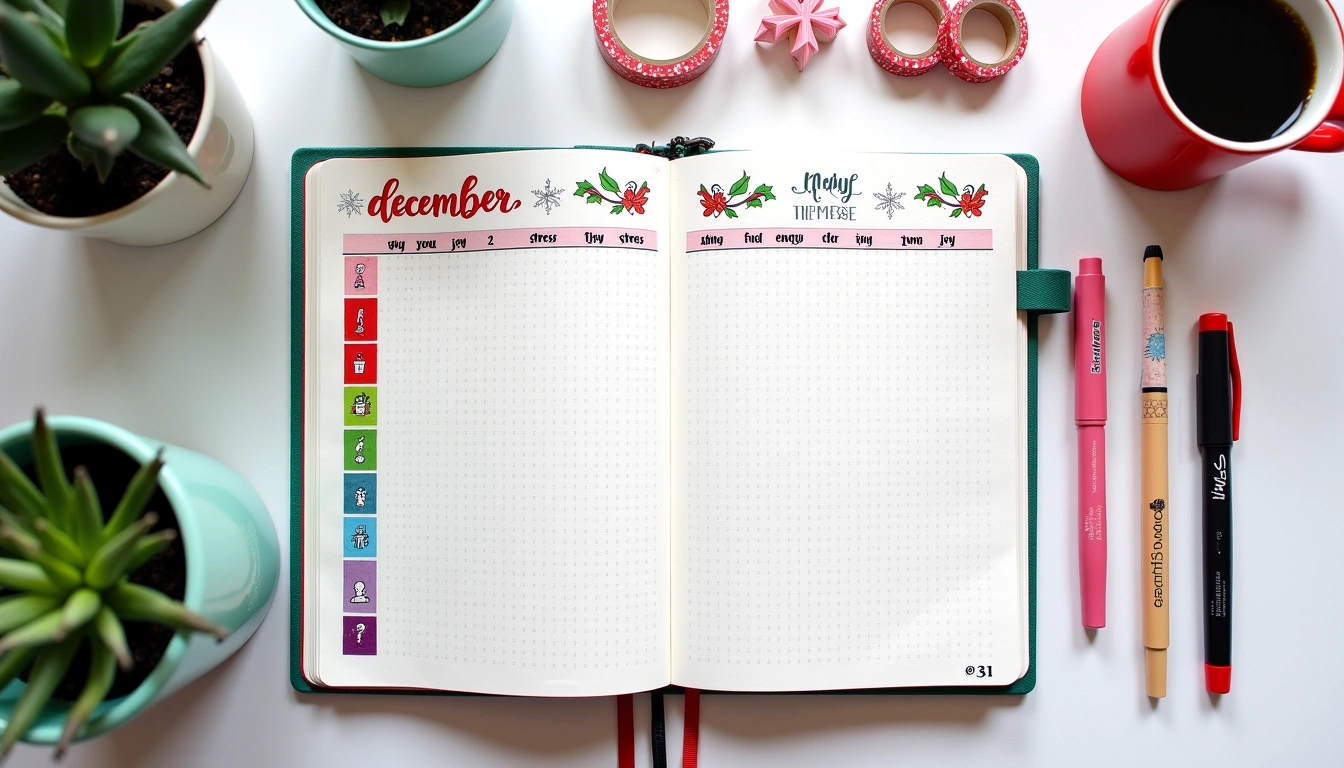
The layout I've settled on after lots of trial and error is a two-page spread I call the “Family Hub.” On the left page, you have the logistical command center. On the right, the connection and detail zone. Visually, it uses a clean, color-coded system (one color per family member) so anyone can glance and find their events. I use a light gray Tombow Dual Brush Pen (N75) for the grid lines because it's soft and doesn't bleed through my 160 gsm notebook paper. The key is leaving generous margins for notes and avoiding the temptation to cram too much into tiny boxes, which was my biggest early mistake.
Supplies Needed
You don't need much to start, but the right tools make it enjoyable and sustainable. Here’s my tried-and-true kit:
- Journal: A sturdy A5 dot-grid notebook. I use an Archer and Olive for its thick, 160 gsm paper that handles light watercolor.
- Pens for Structure: A Micron PN (Pigment Nikko) 05 in black for all permanent headers and borders. It's waterproof and won't smudge. For the weekly grid, a Tombow Fudenosuke Hard Tip brush pen for clean, thin lines.
- Pens for Color-Coding: A set of 5-6 mildliner or colored fineliners. Assign one color per person. My family uses: Cobalt Blue (Dad), Coral Pink (Mom), Green (Son), Purple (Daughter), and Gray for household/neutral items.
- Ruler: A clear 15cm acrylic ruler for perfect lines.
- Optional but Fun: A small date stamp, washi tape for section borders, or a single icon sticker per person to mark their column.
Measurements & Step-by-Step Setup
Precision here saves time and frustration later. For a standard A5 page (148mm x 210mm), these measurements create a balanced, highly functional spread.
Left Page: The Logistics Grid
Start by drawing a margin: 10mm from the top and left edge. From the top margin, measure down 25mm for your header space. Using your ruler and gray Tombow, draw a vertical line every 28mm across the page, creating six 28mm-wide columns. Label these from left to right: Time, Parent 1, Parent 2, Child 1, Child 2, Household. Adjust for your family size. Then, draw horizontal lines every 10mm down the page to create time slots from 7 AM to 9 PM. This gives you a clear, hourly view of each day's commitments for every family member.
Right Page: The Connection Zone
Divide this page into four quadrants using a light “plus” sign. Each quadrant is roughly 70mm x 95mm.
- Top-Left: Meal Plan & Grocery List. List dinners for M-F. Beside each, jot 2-3 key grocery items needed.
- Top-Right: Family Priorities & Goals. This is for 3-5 non-schedule items. “Finish science project,” “Call Grandma,” “Plan hike for Saturday.”
- Bottom-Left: Chore Tracker. A simple 5×4 grid. Names on top, days on the side. A quick checkmark when a chore is done.
- Bottom-Right: Memories & Gratitude. Leave this blank to fill through the week. “Leo lost his first tooth!” or “Grateful for clear skies for the walk to school.”
Time Estimate & Weekly Ritual
The initial setup takes about 45 minutes if you're drawing the full grid. But here's a secret: once you have a template you love, you can trace it using a lightpad in under 10 minutes, or use a printable guide (more on that later). The real time investment is the weekly family planning session. We block out 20 minutes every Sunday after breakfast. Everyone brings their commitments (school newsletters, work calendars on phones). We populate the logistics grid together with our color-coded pens, then brainstorm the Meal Plan and Family Priorities. This collaborative 20 minutes eliminates so much weekly stress and miscommunication.
This collaborative 20 minutes eliminates so much weekly stress and miscommunication.
Variations For Different Family Rhythms
The “Family Hub” is just a starting point. Your spread should reflect your family's actual life.
The “Time-Block” Variation
If your days are packed with back-to-back activities, skip the hourly grid. Instead, divide the left page into seven vertical columns for the days of the week. In each day's column, create 3-4 time blocks (e.g., Morning, Afternoon, Evening) and list key activities per person there. This is less precise but better for overview. I used this when my kids were toddlers and our schedule was more routine-based than appointment-driven.
The “Simplified Connection” Variation
For a faster, minimalist approach, dedicate the entire left page to a classic vertical weekly calendar (one line per day, split into family member columns). Then, use the right page for just two things: a meal plan box and one large “Weekly Highlight” box where everyone writes one thing they'd like to do together that week. This version takes only 15 minutes to set up and is perfect for busy weeks or journaling beginners.
Printable Option & Digital Hybrid
I know drawing a grid every week isn't for everyone. That's why I created a printable PDF template of the exact “Family Hub” layout. You can download it, print it on nice paper, and either glue it into your journal or keep it in a binder. For a digital/analog hybrid, try this: Use a Google Calendar for the raw data entry of appointments. Then, during your Sunday meeting, transfer only the essential, must-know items for the week onto your beautiful analog spread. This gives you digital reminders but an analog, focused family plan. The printable is perfect for this method.
Making It Stick: The “Why” Behind The Pen
The biggest failure point isn't the design; it's the habit. I once set up a gorgeous spread and then forgot to update it for three weeks. It felt like a failure. The fix was making the Sunday meeting non-negotiable and keeping the journal open on our kitchen counter, not tucked on a shelf. The visual presence is a constant, gentle reminder. Also, involve the kids! Let them write their own activities in their color, or draw a tiny icon for “pizza night” on the meal plan. When they have ownership, they're more likely to consult and respect the plan.
Start simple. Grab your journal this Sunday, gather your family for 20 minutes, and just sketch out the coming week together. Use a pencil first if you're nervous. The goal isn't a Pinterest-perfect spread; it's a calmer home and more connected week. You might be surprised at how this small, shared ritual becomes something everyone looks forward to. I'd love to see your family planner spreads—share them with our creative community using #BJNFamilyHub!
Small changes, real momentum
Get practical guides and templates you'll actually use — a few thoughtful emails a month.
Sources & further reading
- Family (en.wikipedia.org)
- Find your family. Free Genealogy Archives (familysearch.org)
Frequently Asked Questions
What if my family schedule changes daily?
That's exactly why this system works better than a pre-printed planner! Use pencil for highly fluid items, or employ a “floating task” section in your Family Priorities box. For example, “Schedule dentist appt” can live there until you lock in the day/time, then you migrate it to the grid. The spread is a living document. I often use a small arrow sticker or a different colored dot to indicate items that have been rescheduled, so we can track the change visually.
How do I handle private appointments I don't want to share with young kids?
Color-coding is your friend here. Establish that certain colors or symbols are for “grown-up only” items. For instance, my partner and I use a small dot of a specific color in our column that signifies a private work meeting or personal appointment. The kids know the dot means “Mom/Dad is busy,” but the details aren't public. Alternatively, keep a separate, minimal personal planner for those ultra-private items and only put family-relevant timings (like “Dad out 7-9 PM”) on the shared spread.
My teen refuses to participate. Any tips?
Start by including them passively. Put their schedule (gleaned from a school portal or a quick chat) on the spread in their color. Then, casually point out how it helped you—”Hey, I saw you had band practice late Thursday, so I moved your dentist appointment. Check the planner!” Often, the utility wins them over. You can also give them control of a small section, like choosing the weekly “Family Fun” idea or designing the header for their column. Forcing participation backfires; demonstrating value works.
Related Posts

Simple Daily Bullet Journal Layout For Every Day
Why Weekly Habit Trackers Transform Your Bullet Journal
template_download for lifestyle cluster
10 Simple Bullet Journal Layouts for Busy Mornings



✨ Our Recommendation
Editor's Pick: adhesive planner stickers with cleaning, meal, and activity icons for family scheduling.
Related Posts
Simple Daily Bullet Journal Layout For Every Day
Why Weekly Habit Trackers Transform Your Bullet Journal
template_download for lifestyle cluster
10 Simple Bullet Journal Layouts for Busy Mornings
Related Posts
Simple Daily Bullet Journal Layout For Every Day
Why Weekly Habit Trackers Transform Your Bullet Journal
template_download for lifestyle cluster
10 Simple Bullet Journal Layouts for Busy Mornings
Related: Planner: Family Budget Planner Template: Track Spending and Save Money Monthly
Related Posts
Simple Daily Bullet Journal Layout For Every Day
Why Weekly Habit Trackers Transform Your Bullet Journal
template_download for lifestyle cluster
10 Simple Bullet Journal Layouts for Busy Mornings
Related: Bullet Journal: Best Bullet Journal Layouts for Productivity & Self-Care
Your Weekly Dose of Inspiration
Journaling ideas, family tips, and gentle inspiration.
Love this content?
Join the BulletJournals.net community for exclusive tips, guides, and updates.
Subscribe Free