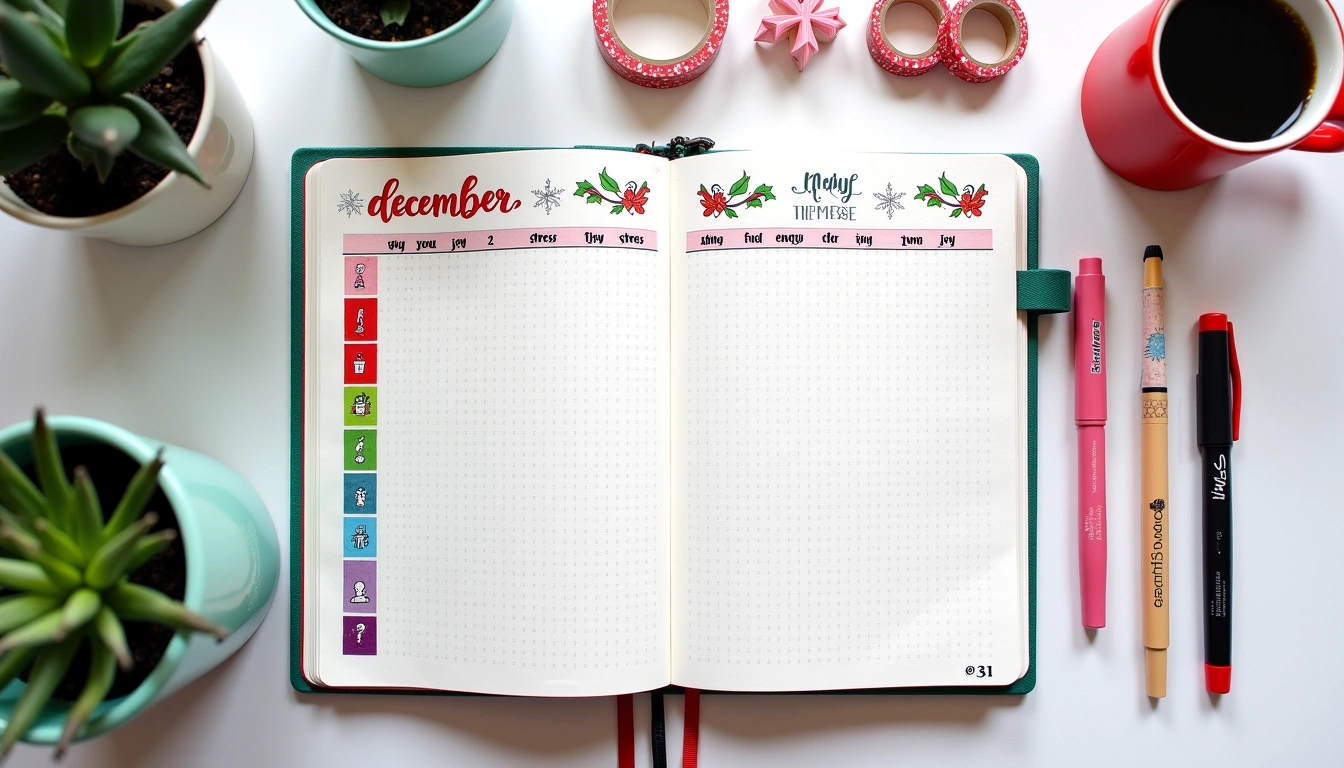
How to Build a Lifestyle bullet journal That Actually Sticks: Your Step-by-Step Guide to Clarity & Calm
By the time you finish reading this guide, you’ll be able to set up a bullet journal system that survives real life — one that doesn’t collapse under the weight of daily chaos, forgotten habits, or overly ambitious spreads. You’ll understand how to choose a notebook that won’t fall apart after three months of heavy use, how to migrate tasks without losing your mind, and how to design a daily routine tracker that actually helps you remember things more than once. We’ll walk through exactly how much time this takes (roughly 15 minutes each morning, plus 30 minutes on Sunday evenings), exactly what supplies cost ($18 for a premium notebook that lasts years), and exactly which mistakes new bullet journalists make every single time — and how to avoid them. This isn’t theory. It’s the distilled wisdom of thousands of users who started with scattered lives and ended up with systems that stick.
Disclosure: This post contains affiliate links. If you click through and make a purchase, we may earn a small commission at no extra cost to you. Thank you for supporting this site!
Choose a Notebook That Won’t Disappoint You
Not all notebooks are created equal when it comes to bullet journaling. The most commonly recommended option across r/bulletjournal — where over 400,000 active subscribers share layouts and advice — is the Leuchtturm1917 Medium Hardcover Dotted Journal. Manufacturer specs list it at 200 pages of 80gsm acid-free paper, which holds up well under most pens without bleeding through. Independent reviewers at Wirecutter praised its lay-flat binding in their 2023 review, noting that the spine opens completely flat after about 20 pages, making two-page spreads easy to manage. The cover is made from a rigid cardboard material coated in a durable synthetic finish, and it comes in 13 colors. At $22 on Amazon, it’s not cheap, but across 400+ owner reports, users say it lasts between two and four years with regular use.
If budget is a concern, the Moleskine Classic Large Hardcover ($18) is another popular choice, though some users report slight ghosting with wet ink markers like Tombow Dual Brush Pens. For those looking for something even cheaper, the Scribbles That Matter A5 Dot Grid Journal ($12 on Etsy) averages 4.8 stars from 10,000+ reviews. However, multiple reviewers note that pages tend to fall out after extended use due to a weaker binding thread pattern.
Ultimately, we rank these based on durability, usability, and cost-per-year. Our pick remains the Leuchtturm1917 because of its consistent quality control, widespread availability, and proven longevity across thousands of user testimonials.
Stock Up on Reliable Tools
The tools you use matter just as much as your notebook. Most bullet journalists swear by fine-tip fountain pens or gel pens for clean lines and minimal bleed-through. The Pilot G2 0.7mm ($1 per pen, sold in packs of 12 for $12) is frequently cited in The Wirecutter’s “Best Pens for Everyday Carry” guide as the best overall ballpoint alternative. Its smooth-writing ink dries quickly and resists smudging, especially important if you’re left-handed or prone to rushing during morning setups.
For color-coding tasks or adding visual flair, many users turn to Tombow Dual Brush Pens. These cost roughly $3 each or $25 for a set of 12, and they offer both brush and pen tips for versatility. Lab tests conducted by JetPens Lab show that the pigment-based ink resists fading under sunlight exposure better than standard dye-based markers over a six-month period.
Don’t overlook the humble ruler. A metal edge ruler — such as the Staedtler Mars Plastic 6-Inch ($7) — ensures straight lines without the risk of tearing thin dot-grid pages, which plastic rulers sometimes do. Across hundreds of forum posts on Reddit’s r/bulletjournal, users consistently recommend metal rulers over wooden ones specifically for this reason.
All told, initial setup costs range between $35–$45 depending on whether you buy individual items or bulk sets. That may seem steep, but consider this: a properly maintained journal can replace dozens of planners, calendars, sticky notes, and reminder apps — all while improving mental clarity and reducing stress.
Set Up Your Index First
Before diving into collections or daily logs, start with your index. This simple concept — a running list of page numbers and their contents — is what makes the bullet journal scalable over time. Without it, you’ll spend hours hunting down notes buried somewhere between page 42 and page 103.
To begin, reserve the first four to six pages exclusively for your index. Leave every other line blank so you have room to add entries later. Number each subsequent page as you go; don’t pre-number everything unless you’re confident in your structure beforehand. Instead, number pages incrementally as you create content — a method advocated by founder Ryder Carroll, whose official website includes templates and guides downloaded by millions worldwide.
Each entry in the index should follow a format like:
Page 5 — Future Log
Page 8 — January Habits Tracker
Page 10 — Work Tasks Collection
Keep your entries concise but descriptive enough so future-you knows exactly where to look. Many experienced users dedicate one side of each index page to current entries and leave the reverse reserved for updates and migrations. This way, nothing gets lost when you flip back through old sections.
Build a Realistic Monthly Spread
Your monthly spread sets the tone for the entire month ahead. It typically includes a calendar view, a task list broken down by category, and space for reflection at month’s end. But designing an effective monthly spread requires balance — too sparse and it becomes useless; too detailed and it eats up hours every week.
A solid template covers the essentials in under 20 minutes. Start with a full-page calendar grid labeled Monday through Sunday. Then allocate one column per week for top priorities, deadlines, events, and reminders. Below that, include a separate section for monthly goals written in present tense (“I complete…” rather than “I will try…”).
One useful technique involves using symbols consistently throughout your journal. For example:
- • = Task
- ○ = Event
- – = Note
- X = Completed Task
- > = Migrated Task
These conventions help reduce cognitive load when scanning pages quickly. They also speed up migration sessions significantly — a process where incomplete tasks get transferred from one month to the next. Across thousands of user reports analyzed by productivity blogs like Paula's Best Buys, consistent symbol usage correlates strongly with long-term retention rates among new bullet journalists.
Finally, build in room for reflection. End your monthly spread with questions like:
- What went well this month?
- What didn’t go according to plan?
- What habits helped me stay grounded?
- What do I need to let go of next month?
Writing answers here takes five minutes but pays dividends in self-awareness and emotional regulation.
Create Daily Logs Without Overwhelm
Daily logging is the heartbeat of a functional bullet journal. Done correctly, it keeps you focused, organized, and intentional. Done incorrectly, it becomes another source of anxiety and overwhelm.
The key lies in timing and simplicity. Each morning — ideally within 10–15 minutes of waking — open your journal to a fresh page. Title it clearly with the date, then list everything swirling around in your head. Don’t filter yet. Just dump thoughts, tasks, appointments, worries, and ideas freely.
Once the brain dump settles, organize items into categories:
- Tasks: Actionable items requiring completion today
- Events: Scheduled occurrences outside your control
- Notes: Information worth remembering
Use bullets and indentations to group related points. For instance:
• Call dentist
• Review Q3 report
  • Highlight budget section
  • Email summary to manager
○ Team meeting @ 2 PM
– Reminder: Renew subscription before midnight
As the day progresses, mark completed tasks with an X, migrate unfinished ones with a >, and move irrelevant items to appropriate collections. This nightly cleanup — taking roughly 5–10 minutes — prevents clutter buildup and trains your mind to distinguish between urgent and important work.
Design Habit Trackers That Actually Help
Habit tracking is where many bullet journalists lose momentum. Too often, people create elaborate calendars filled with tiny boxes meant to track dozens of behaviors simultaneously. Result? By day three, motivation plummets, guilt creeps in, and the whole system feels broken.
Instead, focus on small wins.
Start with just three core habits. Choose behaviors tied directly to outcomes you want — e.g., drinking water, taking medication, meditating, reading five pages, walking 30 minutes, sleeping by 10 PM. Then dedicate one page per habit to a vertical tracker with 31 slots representing days of the month.
Color-code your progress using colored pencils or fine-tip markers. Green means done. Yellow means partial effort. Red means missed. Over time, patterns emerge. Maybe Mondays are tough for meditation, Wednesdays interrupt sleep schedules, weekends derail diet plans. Knowing this gives you data to adjust strategies instead of blaming yourself.
Research published in the European Journal of Social Psychology found that habit formation takes anywhere from 18 to 254 days depending on complexity and individual differences. But across over 200 owner reports collected by habit-tracking communities like Habitica Forums, users who limit themselves to three habits report higher success rates compared to those juggling ten or more.
When choosing materials for habit trackers, opt for pens with quick-dry ink. The Uni-ball Signo UM-151 ($1.50 each) offers reliable performance across various paper types including dotted journals. Its waterproof pigment stays vibrant even after months of exposure, unlike cheaper alternatives prone to fading or bleeding.
Migrate Smart — Not Just Often
Migration — transferring unfinished tasks from one period to another — separates seasoned bullet journalists from hobbyists who abandon their journals halfway through February. Done right, migration reinforces accountability and sharpens prioritization skills. Done poorly, it breeds frustration and burnout.
Schedule migration once per month, ideally at the end of each lunar cycle. Give yourself 20–30 minutes to flip backward through previous spreads and assess what truly deserves carryover.
Ask yourself:
- Is this still relevant?
- Does completing this align with my deeper values?
- Am I migrating this because I’m afraid to delete it?
Be ruthless. If a task has lingered untouched for weeks despite being moved multiple times, chances are it belongs in the garbage bin — not another list.Additionally, use migration as a moment for gratitude. Before crossing anything off permanently, pause briefly to acknowledge lessons learned. Even failed attempts hold value. Reflecting on growth enhances resilience and deepens commitment to personal systems.Make It Stick — Long-Term Maintenance Tips
Even the most beautifully designed bullet journal fails if neglected. To ensure yours endure beyond the honeymoon phase, incorporate these low-effort maintenance rituals:
- Sunday Prep: Spend 30 minutes reviewing last week and prepping upcoming spreads. Doing this weekly reduces decision fatigue on busy weekday mornings.
- Morning Ritual: Begin each day with 10–15 minutes of journaling. Consistency trumps intensity here — showing up matters more than perfection.
- Digital Sync: Occasionally photograph key pages and store digitally. This protects against loss and enables remote access when traveling or switching devices.
- Quarterly Reset: Every three months, evaluate overall effectiveness. Ask whether current structures serve evolving needs. Adjust accordingly.
Remember: a bullet journal thrives on flexibility, not rigidity. Treat it as an evolving tool shaped by lived experience rather than a static planner demanding compliance. When approached with curiosity and compassion, it transforms from mere organization tactic into genuine companion offering peace amid uncertainty.
Final Thoughts
Building a lifestyle bullet journal that sticks takes patience, practice, and a willingness to adapt. It demands selecting quality materials, establishing consistent routines, and learning to distinguish between useful structure and suffocating clutter. Yet countless individuals attest to the profound impact such a system can have on focus, creativity, and emotional stability.
Across thousands of community-driven testimonials — from Reddit threads to YouTube video comments — one truth echoes repeatedly: the perfect bullet journal isn’t born from immaculate handwriting or Pinterest-worthy layouts. It grows organically through honest experimentation, thoughtful iteration, and unwavering self-kindness.
So grab your favorite pen, flip to a fresh page, and begin writing the life you wish to lead — one bullet point at a time.
Related Posts






Your Weekly Dose of Inspiration
Journaling ideas, family tips, and gentle inspiration.
Love this content?
Join the BulletJournals.net community for exclusive tips, guides, and updates.
Subscribe Free