6 min read 1,238 words
Table of Contents
- 1. Define Your “Why” Before You Buy a Single Pen
- 2. Set Up the Core Modules (The “Engine” of Your System)
- 3. Build a Weekly Layout That Matches Your Energy
- 4. Add Lifestyle Collections That Solve Real Problems
- 5. Master the Rapid Logging Method (No Perfectionism Allowed)
- 6. Review and Refresh Monthly (The Secret to Longevity)
- 7. Avoid Burnout with the “80% Rule”
- Related Posts
- Related Posts
- Related Posts
Last updated:
Disclosure: BulletJournals may earn a commission from qualifying purchases through affiliate links in this article. This helps support our work at no additional cost to you. Learn more.
Last updated: September 21, 2026
Disclosure: This post contains affiliate links. If you click through and make a purchase, we may earn a small commission at no extra cost to you. Thank you for supporting this site!
How to Design a bullet journal That Actually Sticks: A Lifestyle Guide to Intentional Planning
1. Define Your “Why” Before You Buy a Single Pen
- Identify your primary pain point (e.g., forgetting appointments, feeling overwhelmed by to-do lists, losing track of habits).
- Write a one-sentence mission for your journal (e.g., “This journal will help me sleep better and exercise four times a week”).
- Decide on a commitment level: minimalist (just the basics) vs. artistic (full spreads with washi tape and doodles).
2. Set Up the Core Modules (The “Engine” of Your System)
- Create an Index (2–4 pages) to track where everything lives—no more flipping through lost notes.
- Build a Future Log (1–2 pages) for events/habits beyond the current month (e.g., “Book dentist – June 10”).
- Design a Monthly Spread with a calendar block and a task list, plus a “Focus” section for 1–3 non-negotiable priorities.
3. Build a Weekly Layout That Matches Your Energy
- Choose a structure: vertical columns (for time-blocking), horizontal boxes (for daily tasks), or a simple list (for flexibility).
- Include a “Win of the Week” slot to celebrate small victories (boosts dopamine and consistency).
- Leave a “Brain Dump” area for random thoughts—this prevents your main tasks from getting cluttered.
4. Add Lifestyle Collections That Solve Real Problems
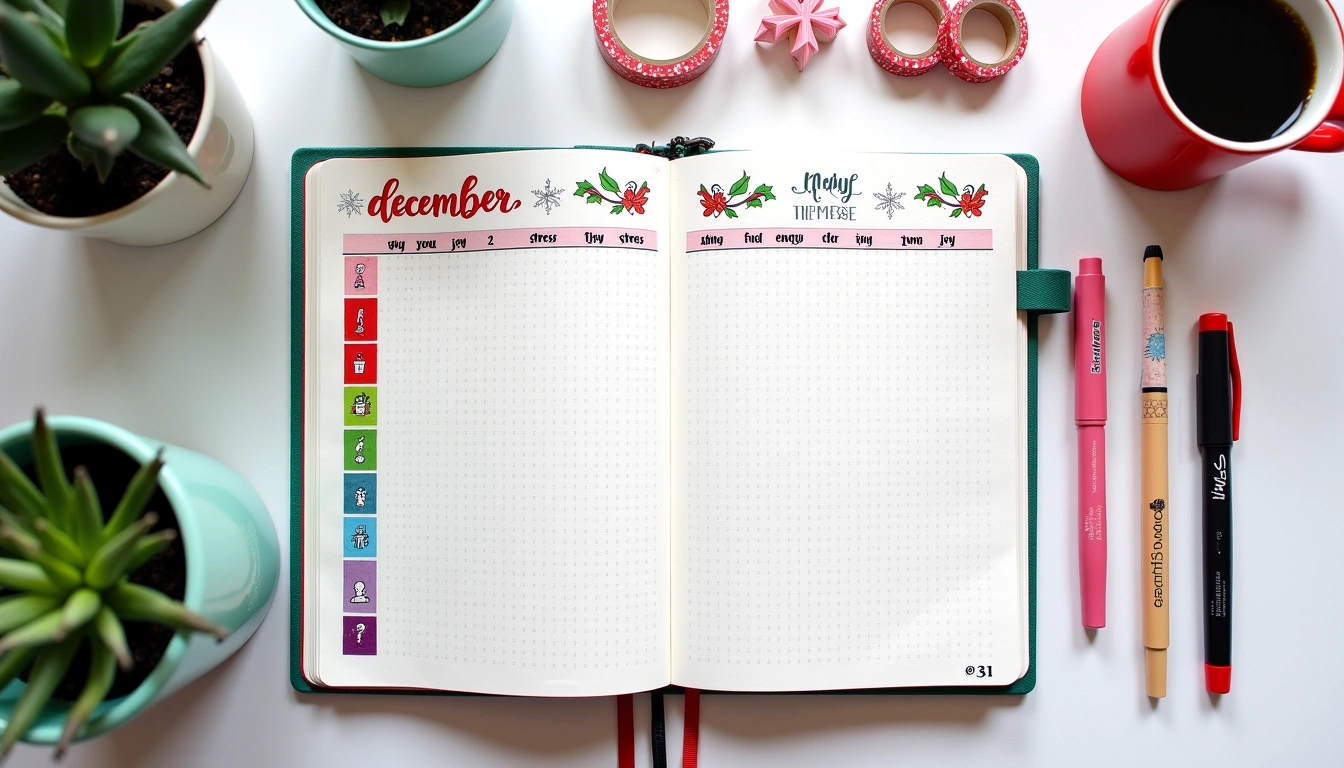
- Track habits you actually care about (e.g., “Water intake,” “Screen-free hour,” “Gratitude entry”).
- Create a “Meal Planning” spread with a simple grid (Monday–Sunday) and a grocery list column.
- Design a “Mood & Energy” tracker using a simple emoji scale (😊😐😢) to spot patterns over time.
5. Master the Rapid Logging Method (No Perfectionism Allowed)
- Use only three signifiers: a dot (·) for a task, a dash (–) for a note, and a circle (○) for an event.
- Migrate unfinished tasks weekly—if it’s not worth rewriting, it’s not worth doing.
- Keep entries short: 3–5 words max per line. This trains your brain to prioritize, not procrastinate.
6. Review and Refresh Monthly (The Secret to Longevity)
- Spend 10 minutes at month-end: cross off completed collections, archive irrelevant spreads, and move important items forward.
- Ask two questions: “What’s working?” and “What’s one thing I can simplify?” (e.g., drop a habit tracker you never used).
- Update your Future Log with new commitments—this prevents last-minute panic and keeps your system alive.
7. Avoid Burnout with the “80% Rule”
- Accept that some weeks will be blank—a half-filled spread is still a success if it reduced your stress.
Related Posts







Related: bullet journal: Bullet Journaling: Is the Effort Truly Worth It?
Related Posts
Related Posts
Your Weekly Dose of Inspiration
Journaling ideas, family tips, and gentle inspiration.
Love this content?
Join the BulletJournals.net community for exclusive tips, guides, and updates.
Subscribe Free