5 min read 1,052 words
Table of Contents
- 1. Define Your Core Lifestyle Goals & Values
- 2. Choose the Right Journal & Layout System
- 3. Build Your Monthly Dashboard with Habit Trackers
- 4. Design Weekly Spreads That Balance Structure & Spontaneity
- 5. Integrate Lifestyle-Specific Collections
- 6. Establish a Daily 5-Minute Review Routine
- 7. Troubleshoot Common Pitfalls & Keep It Flexible
- Related Posts
- Related Posts
Last updated:
Disclosure: BulletJournals may earn a commission from qualifying purchases through affiliate links in this article. This helps support our work at no additional cost to you. Learn more.
Last updated: October 14, 2026
Disclosure: This post contains affiliate links. If you click through and make a purchase, we may earn a small commission at no extra cost to you. Thank you for supporting this site!
How to Design a Lifestyle Bullet Journal That Actually Sticks
1. Define Your Core Lifestyle Goals & Values
- Brainstorm 3-5 key areas of your life you want to improve (e.g., health, finances, relationships, hobbies).
- Create a simple “Values Spread” with one page listing your priorities and a short “why” next to each.
- Set a single, measurable “North Star” metric for the month (e.g., “exercise 3x/week” or “read 20 pages daily”).
2. Choose the Right Journal & Layout System
- Opt for a dot-grid notebook (e.g., Leuchtturm1917 or Moleskine) for flexibility in drawing lines and charts.
- Decide on a core “Collection” structure: Future Log, Monthly Log, Weekly Log, and Daily Log.
- Reserve the first 4 pages for an index and key; this makes your journal searchable and reusable for future months.
3. Build Your Monthly Dashboard with Habit Trackers
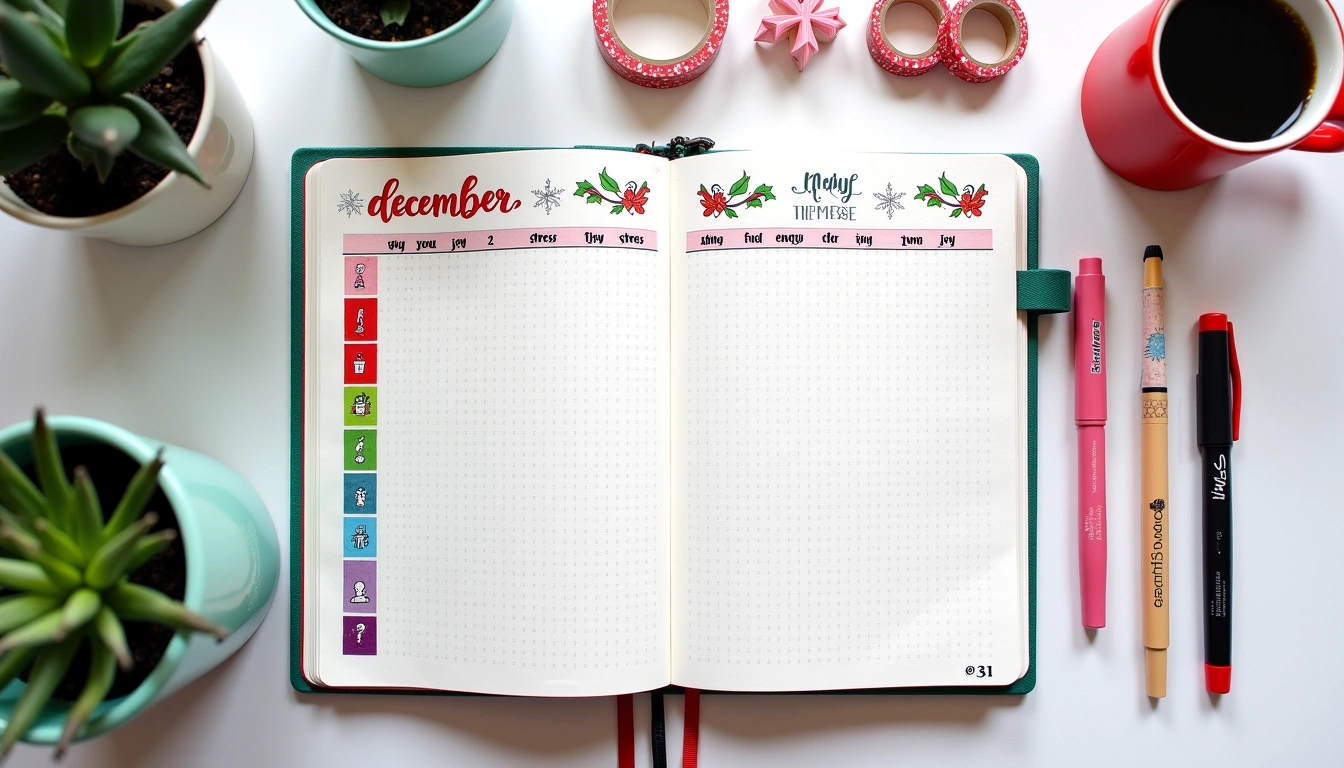
- Create a two-page spread: left side for a calendar grid, right side for a vertical habit tracker (e.g., rows for sleep, water, steps, meditation).
- Add a “Gratitude Box” or “Mood Tracker” with a simple color-coded dot system to track emotional trends.
- Include a “Financial Snapshot” section with a mini chart for daily spending vs. budget.
4. Design Weekly Spreads That Balance Structure & Spontaneity
- Use a “Alistair Method” layout: tasks on the left, appointments on the right, and a “Notes” column for ideas.
- Add a “Wins & Lessons” box at the bottom to reflect on what worked and what didn’t.
- Leave a “Brain Dump” section for random thoughts or errands to prevent clutter in your main tasks.
5. Integrate Lifestyle-Specific Collections
- Create a “Meal Planning” spread with a grid for breakfast, lunch, and dinner, plus a grocery list column.
- Build a “Fitness Log” with a simple table for exercise type, duration, and how you felt afterward.
- Add a “Self-Care Menu” page listing 10-15 low-effort activities (e.g., 5-min stretch, call a friend) to use when low on energy.
6. Establish a Daily 5-Minute Review Routine
- Every morning, quickly migrate yesterday’s unfinished tasks to today’s log (use a “>” symbol).
- Each evening, circle one highlight of the day and one thing you’d change tomorrow.
- End the week with a 10-minute “Weekly Reset”: review your habit tracker, update your future log, and clean up unused pages.
7. Troubleshoot Common Pitfalls & Keep It Flexible
- If you miss a week, don’t backfill—just start fresh on the next blank page with a “New Week” header.
- Use sticky notes for temporary collections (e
Related Posts
How to Organize Your Bullet Journal for Multiple Projects
Download Your Free Lifestyle Bullet Journal Templates: 5 Essential Spreads for Daily Balance
Crafting Captivating Headlines: Your awesome post title goes here
The Ultimate Guide to Bullet Journal For Students in 2025

13 Actually Doable Chore Chart Ideas for the Whole Family
How Can You Create an Effective Bullet Journal Key?
3 Powerful Bullet Journal Symbols For Task Success
Embracing Minimalism: Setting Up a Minimalist Planner
✨ Our Recommendation
Editor's Pick: A premium dot grid journal and durable journal supplies.
Related Posts
How to Organize Your Bullet Journal for Multiple Projects
Download Your Free Lifestyle Bullet Journal Templates: 5 Essential Spreads for Daily Balance
Crafting Captivating Headlines: Your awesome post title goes here
The Ultimate Guide to Bullet Journal For Students in 2025
13 Actually Doable Chore Chart Ideas for the Whole Family
How Can You Create an Effective Bullet Journal Key?
3 Powerful Bullet Journal Symbols For Task Success
Embracing Minimalism: Setting Up a Minimalist Planner
Your Weekly Dose of Inspiration
Journaling ideas, family tips, and gentle inspiration.
Love this content?
Join the BulletJournals.net community for exclusive tips, guides, and updates.
Subscribe Free