3 min read 663 words
Table of Contents
- Why the bullet journal Method Works for Lifestyle Tracking
- Choosing the Right notebook and Pen for Your Needs
- Setting Up Your First Monthly Spread
- Designing a Habit Tracker That Actually Motivates You
- Daily and Weekly Rapid Logging Methods
- Customizing with Collections That Serve Your Lifestyle
- Related Posts
- Related Posts
- Related Posts
- Related Posts
- Related Posts
Last updated:
Disclosure: BulletJournals may earn a commission from qualifying purchases through affiliate links in this article. This helps support our work at no additional cost to you. Learn more.
Last updated: August 9, 2026
Disclosure: This post contains affiliate links. If you click through and make a purchase, we may earn a small commission at no extra cost to you. Thank you for supporting this site!
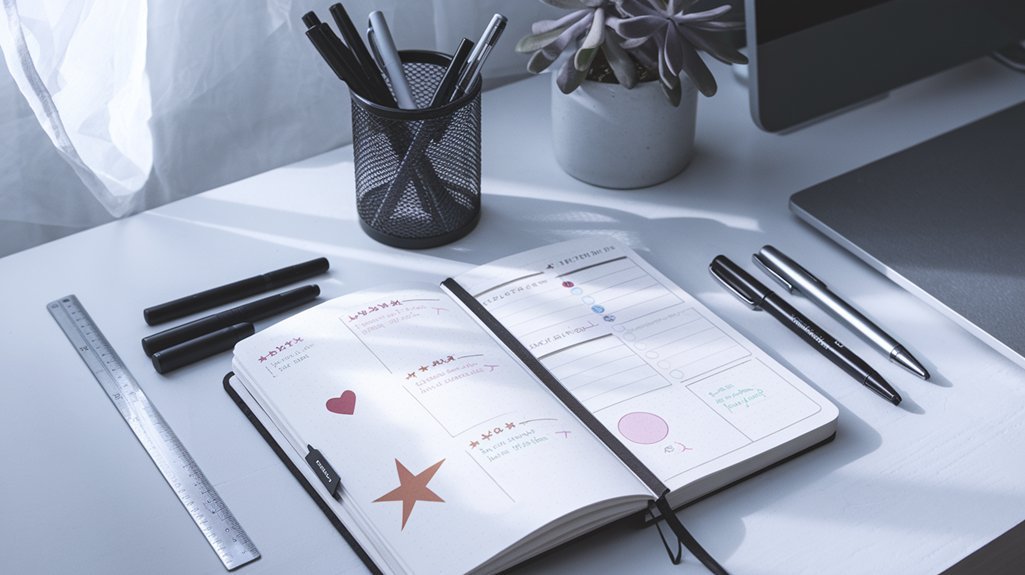
How to Start a Bullet Journal That Actually Sticks: A Lifestyle Guide for Beginners
Why the bullet journal Method Works for Lifestyle Tracking
- It combines to-do lists, calendars, and habit trackers into one flexible system, reducing the mental load of juggling multiple apps or notebooks.
- The rapid-logging technique (using bullets, dashes, and circles) makes entry quick, so you can capture thoughts without breaking your flow.
- Because you design your own spreads, the journal adapts to your current priorities — whether that’s fitness, meal planning, or creative projects.
Choosing the Right notebook and Pen for Your Needs
- Opt for a dot-grid notebook (like Leuchtturm1917 or a more affordable option like Dingbats) — the dots guide layout without distracting lines.
- Pick a pen that won’t bleed through pages: fine-tip pens (0.3–0.5 mm) in archival ink work best; test on a corner page first.
- Keep it minimal: stick to one pen and one highlighter at the start. Adding too many supplies early on can overwhelm you.
Setting Up Your First Monthly Spread
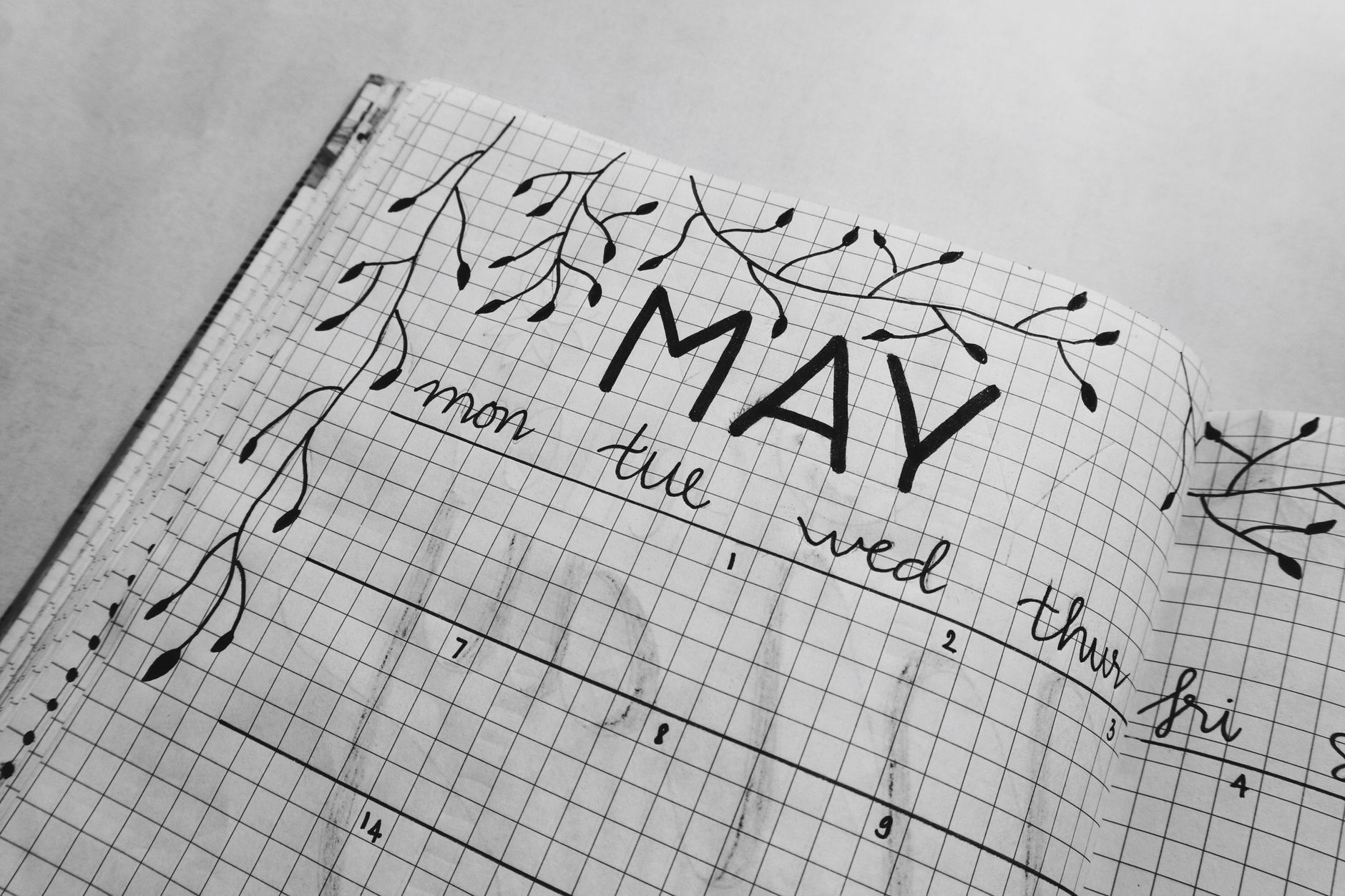
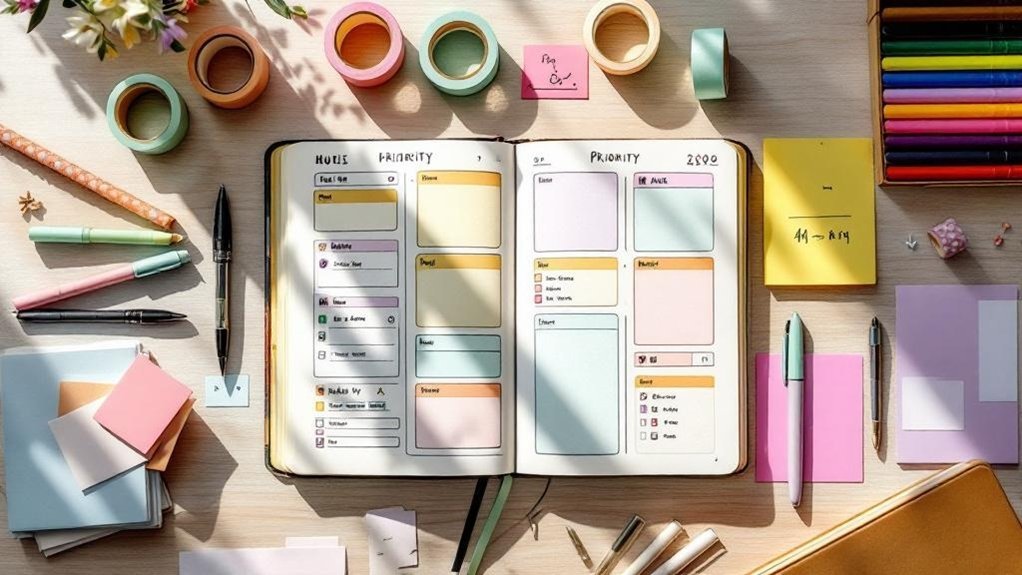
- Create a monthly calendar page: list all dates vertically, leaving room for appointments, deadlines, and important events.
- Add a “future log” on a separate page to capture tasks or events for the next 3–6 months so nothing slips when you flip pages.
- Use a simple color code: e.g., blue for work, green for personal, orange for health — but don’t overcomplicate it.
Designing a Habit Tracker That Actually Motivates You
- Choose 5–8 habits you genuinely want to build (e.g., drink water, meditate, read) — fewer tracks mean higher consistency.
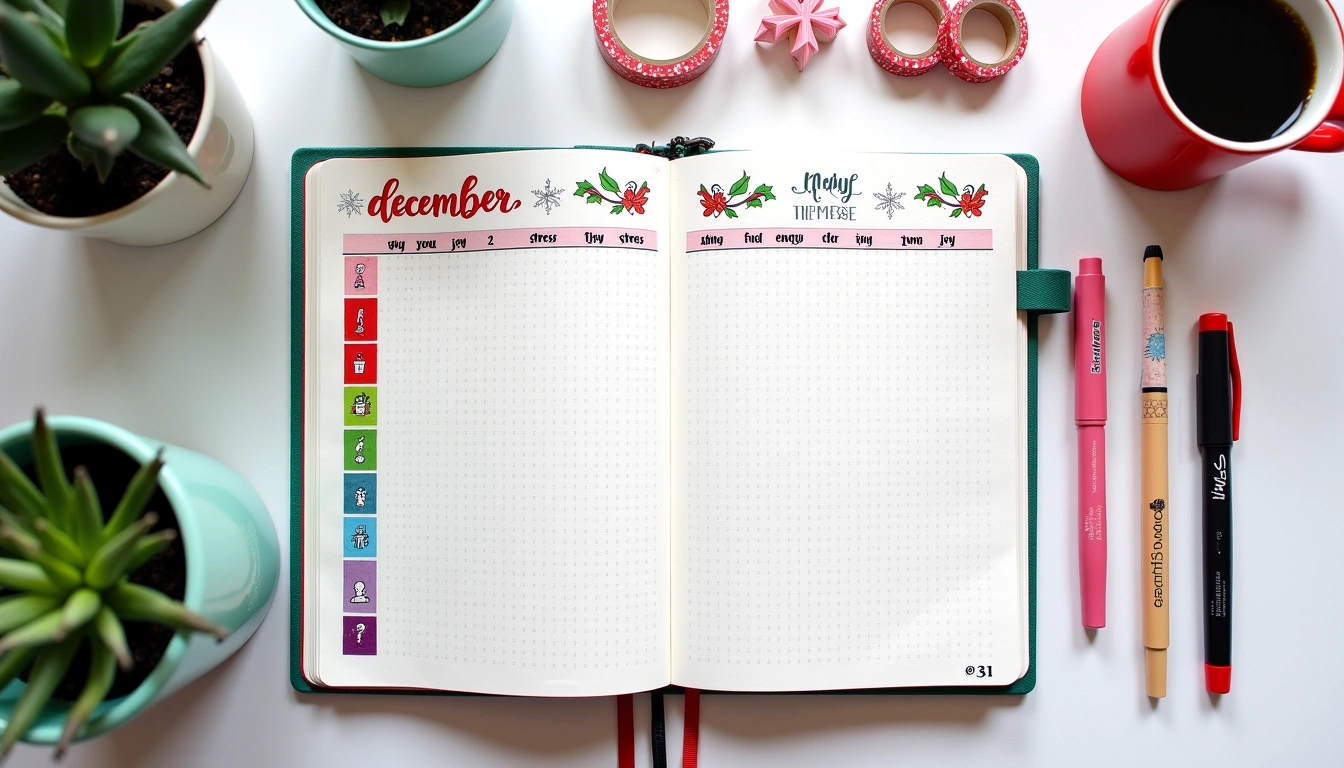
- Use a grid with days down the left and habits across the top, then fill in a symbol (checkmark, dot, or color) for each day — no perfection required.
- Pair your tracker with a short weekly reflection: “What helped me stay on track?” and “What got in the way?” to adjust next week.
Daily and Weekly Rapid Logging Methods
- Each day, write a small header with the date, then log tasks (•), events (○), and notes (–) using the rapid-logging key.
- Use weekly spreads to batch similar tasks: set aside 10 minutes every Sunday to migrate leftover tasks and plan the week ahead.
- If a task isn’t done after three migrations, ask yourself: “Do I really need to do this?” — delete or defer it to reduce clutter.
Customizing with Collections That Serve Your Lifestyle
- Add a “gratitude log” with three entries per week to shift focus toward positive moments — keep it brief to avoid pressure.
- Create a “content tracker” for meals, workouts, or mood by using simple rating scales (1–5) or icons.
- Resist over‑customizing; start with one collection per month. Let the system evolve naturally as you discover what actually helps you.
Reviewing and Evolving Your System Each Month


Related Posts
Related Posts
Related Posts
✨ Our Recommendation
Editor's Pick: Illustrated Mythology Encyclopedia for Bullet Journaling Success.
Related Posts
Your Weekly Dose of Inspiration
Journaling ideas, family tips, and gentle inspiration.
Love this content?
Join the BulletJournals.net community for exclusive tips, guides, and updates.
Subscribe Free