Why Monthly Spreads Matter
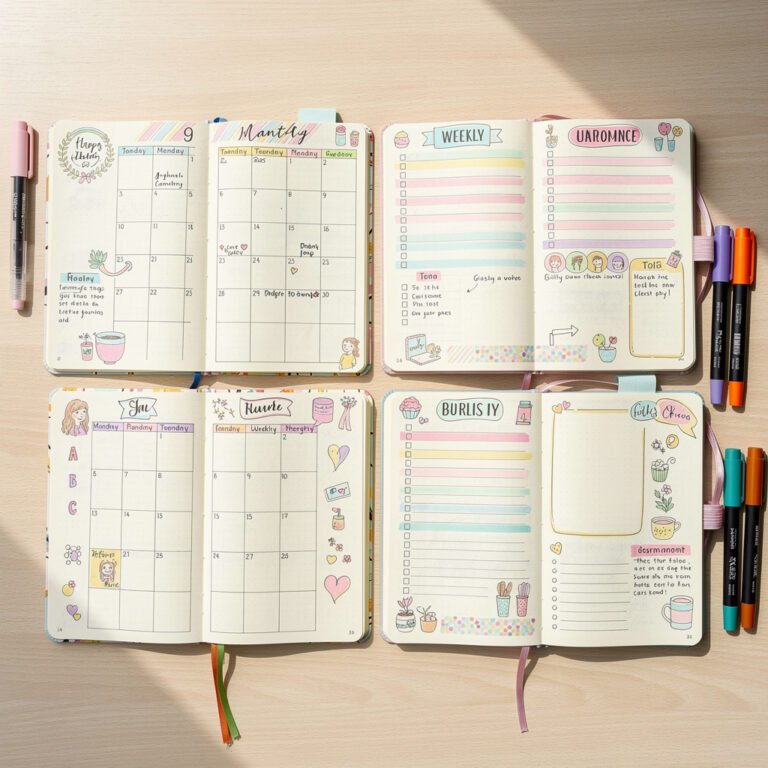
Your monthly spread is the backbone of your bullet journal. It gives you a bird's eye view of the entire month, helping you plan ahead while staying grounded in the present. A good monthly setup takes about 15-20 minutes and saves hours of confusion later.
The Essential Monthly Components
1. Monthly Calendar
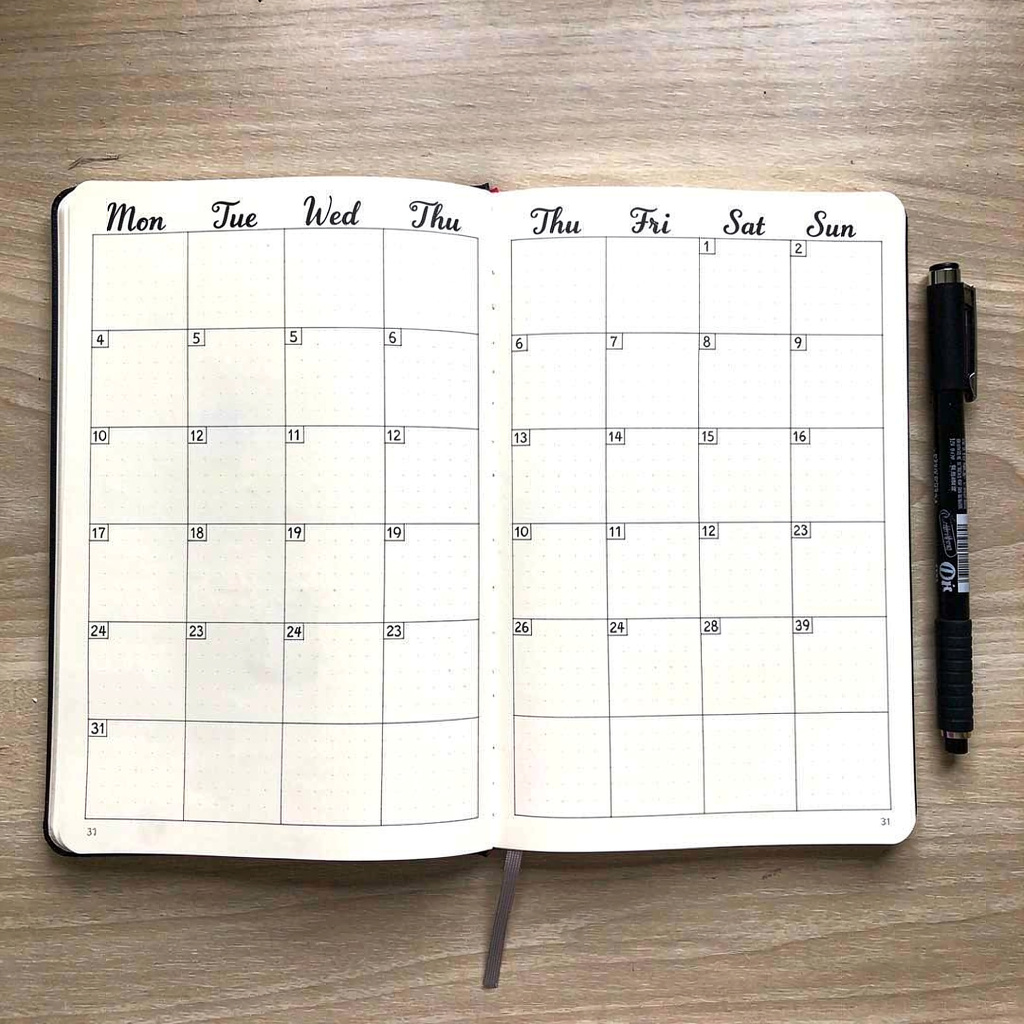
The calendar gives you a visual overview of the month. You can use it to:
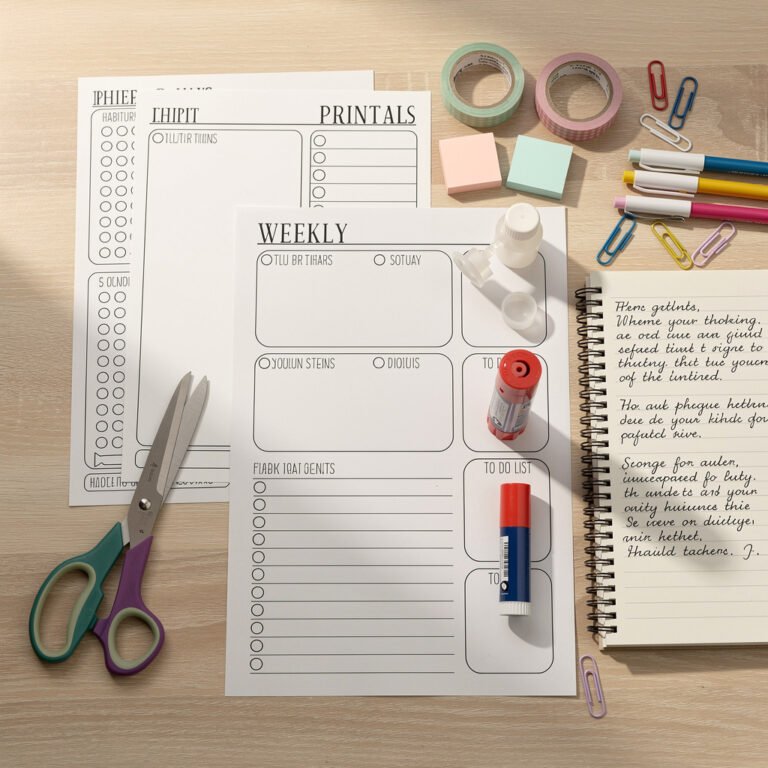
50 Bullet Journal Templates Pack
Ready-to-print spreads for habit tracking, weekly planning, mood logs, and creative layouts.
- Mark important dates and deadlines
- Track appointments at a glance
- See the shape of your month
- Plan around weekends and holidays
2. Monthly Task List
This is where you capture everything you want to accomplish this month. Unlike your daily log, these are bigger-picture items:
- Projects to complete
- Goals to work toward
- Habits to establish
- Tasks that don't have a specific day
3. Monthly Goals
Limit yourself to 3-5 meaningful goals. Too many goals means none get proper attention. Ask yourself:
- What would make this month successful?
- What am I committed to finishing?
- What habits do I want to build?
Step-by-Step Monthly Setup
Step 1: Create Your Calendar
Draw a simple grid or list format showing all days of the month. Include:
- Day numbers
- Day names (at minimum, mark weekends)
- Enough space to write 1-2 items per day
Step 2: Add Known Events
Before the month begins, add all scheduled items:
- Appointments and meetings
- Birthdays and anniversaries
- Deadlines and due dates
- Travel or vacation days
- Recurring events
Step 3: Set Your Goals
Write 3-5 goals for the month. Make them specific enough to know when you have achieved them.
Step 4: List Monthly Tasks
Brain dump everything you want or need to do this month. You will migrate these to daily logs as you go.
Step 5: Add Optional Sections
Depending on your needs, consider adding:
- Habit tracker (mini version)
- Expense overview
- Books to read
- Monthly focus word or theme
Layout Variations
The Classic Two-Page Spread
Left page: Calendar view
Right page: Tasks and goals
This is the traditional Ryder Carroll approach and works for most people.
The Vertical Calendar
List each day vertically down the page with space next to each for notes. Great if you have many daily events.
The Dashboard Style
Divide your spread into sections: calendar, goals, tasks, notes, tracker. Everything visible at once.
The Minimalist
Just the calendar and a task list. Nothing else. Perfect for busy months when you need simplicity.
Recommended for You
🛒 Dotted Journal Notebook
As an Amazon Associate we earn from qualifying purchases.
Monthly Review Process
At the end of each month, spend 15 minutes reviewing:
- What goals did you complete?
- What tasks remain undone?
- What worked well this month?
- What would you do differently?
- What should migrate to next month?
This reflection makes each month better than the last.
Common Monthly Spread Mistakes
Overcomplicating the Design
Your monthly spread should be functional first. Spend your decorating energy elsewhere.
Setting Too Many Goals
Five goals maximum. Three is often better. Focus beats quantity.
Forgetting to Review
The monthly review is where the magic happens. Schedule it like any other appointment.
Not Leaving White Space
Your month will fill up. Leave room for the unexpected.
Quick Start Template
JANUARY 2025

[Calendar Grid - 7 columns x 5 rows]

GOALS THIS MONTH
1. ______________________
2. ______________________
3. ______________________

TASKS
• ______________________
• ______________________
• ______________________
• ______________________
• ______________________

NOTES
______________________
______________________
Your Monthly Practice
Set up your monthly spread in the last few days of the previous month. This gives you time to think about what you want to accomplish and start the new month with intention.
The monthly spread is where strategy meets execution. Master this, and your bullet journal becomes a powerful planning tool.
Related Resources
- Weekly Spread Layouts – Plan your weeks
- Rapid Logging Guide – Fill your monthly tasks
- Migration Guide – Move tasks between months
- Tracker Library – Add trackers to your monthly spread