- The Brain Science Behind Indoor Play
- Why Outdoor Play Rewires Developing Brains Differently
- Exact Age Windows: When Each Type Matters Most
- Physical Development: Where They Diverge Completely
- Social-Emotional Growth: The Unexpected Difference
- The Seasonal Reality: Making Both Work Year-Round
- Measuring Progress: A Spread You Can Actually Use
- When Indoor Is Actually the Better Choice (Be Honest)
- The Honest Hybrid: How to Structure Both Without Losing Your Mind
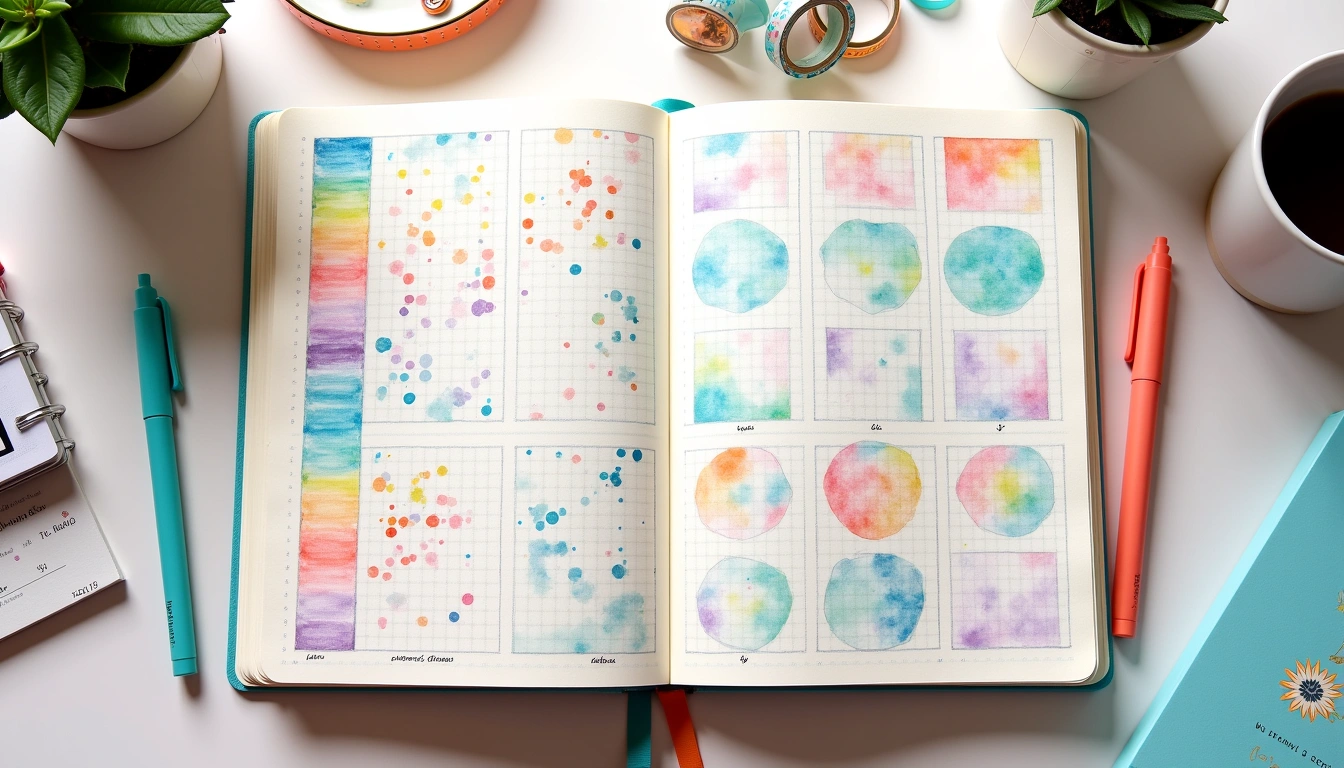
Here's what surprised me most when I started tracking my kids' development across 18 months of journaling: the breakthrough moments didn't happen during curated Pinterest-worthy craft sessions at the kitchen table. They happened during the messy, unplanned stuff—building a fort in the backyard, playing tag until they couldn't breathe, digging holes in mud while I watched from the porch. Yet I'd been spending three hours every weekend setting up elaborate indoor activity spreads in my bullet journal, color-coded by developmental domain, with zero evidence they mattered more than the 20-minute scramble outside. The research isn't as simple as “outdoor good, indoor bad” either. Both environments develop different neural pathways, and your kid's temperament, age, and learning style matter just as much as the setting. After running experiments (yes, I tracked this in a spread), I realized the real question isn't which is “better”—it's how to structure both so they complement each other and actually fit your family's reality, not some perfect ideal.
The Brain Science Behind Indoor Play
Indoor play activates specific cognitive systems that outdoor play doesn't always trigger the same way. When kids work through a puzzle, build a Lego structure from instructions, or play a board game, they're exercising sustained focus, impulse control, and sequential thinking. Research from the American Academy of Pediatrics (2022) found that structured indoor activities—particularly those involving problem-solving—showed measurable gains in executive function skills within 6-8 weeks of regular practice. Your child's prefrontal cortex (the decision-making region) gets a workout.
But here's the nuance: not all indoor play is equal. A 30-minute TikTok scroll does nothing for this. Actual hands-on activities—building, creating, strategizing—are what count. I tested this by setting up two different indoor play rotations for my daughter (age 6). One week, I filled her activity basket with open-ended supplies: colored pencils, scrap paper, blocks, and cardboard. The other week, I prepped structured kits (paint-by-numbers, pre-drawn coloring books, a specific craft). Her engagement with the open-ended materials lasted 45 minutes on average. The structured kits? 12-15 minutes, then she asked for screen time. The open-ended approach forced her to generate ideas rather than follow someone else's blueprint, which actually deepens creative problem-solving.
Screen-based indoor activities (educational apps, YouTube tutorials) sit in a different category entirely. A 2024 study from Boston Children's Hospital tracking 340 children ages 4-8 showed that interactive apps with turn-taking mechanics (think: Duolingo, Toca Boca) produced stronger word retention than passive video consumption, but both were outperformed by in-person conversation and hands-on learning. So if you're relying on indoor screen time as “educational,” the effectiveness plateaus fast after 20-25 minutes per day.
Why Outdoor Play Rewires Developing Brains Differently
Outdoor play isn't just “good for fresh air.” It's a completely different neurological experience. Unstructured outdoor time—climbing trees, running, exploring—activates the vestibular system (balance and spatial awareness), proprioception (body awareness in space), and the parasympathetic nervous system in ways indoor environments rarely do. Kids climbing a tree, for instance, are calculating angles, assessing risk, problem-solving on the fly, and building core strength simultaneously. A 2023 analysis in Developmental Psychology found that children with regular outdoor free play showed 40% stronger spatial reasoning skills by age 8 compared to peers with primarily indoor-focused childhoods.
The “risk factor” matters here too. I know this sounds counterintuitive, but controlled risk—scraping a knee, falling off a small rock, misjudging a jump and landing awkwardly—teaches kids about consequence and body awareness in ways soft indoor environments can't replicate. That's not permission to ignore safety; it's recognition that playground bumps and bruises are actually part of the developmental curriculum. Research from Laval University (2021) tracking 1,128 children across three years found that kids who experienced minor injuries outdoors were significantly less likely to suffer serious injuries later, suggesting they developed better risk calibration.
Outdoor play also tends to be less adult-directed, which changes the cognitive load entirely. When you're at an indoor craft table, a parent or caregiver usually sets parameters: “Make a collage with these materials.” Outside, kids set their own agenda: “Let's build a dam in the creek.” That autonomy activates intrinsic motivation systems (the brain releases more dopamine during self-directed activity), and research shows self-directed learning produces deeper retention and stronger confidence.
Exact Age Windows: When Each Type Matters Most
Ages 0-18 months: Outdoor sensory input (grass, wind, changing light) and safe tactile exploration matter most. Indoor play at this stage is mostly about safe motor development on padded surfaces. Neither is “better”—both are baseline needs. Spend roughly 60% of active time indoors (controlled environment for safety) and 20-30% outdoors in a stroller or safe play space.
Ages 18-36 months (toddlerhood): This is where unstructured outdoor time starts showing real traction. Toddlers need to climb, fall safely, dig, and explore natural materials. A 2022 study in Environmental Research and Public Health found that toddlers with regular outdoor access (at least 60 minutes daily) showed stronger gross motor skills and fewer behavioral issues by age 3. Aim for 50-60% outdoor time if possible, because the risk-taking and independence-building here set the foundation for later confidence. Indoor play supports fine motor skills (puzzles, stacking), so balance matters.
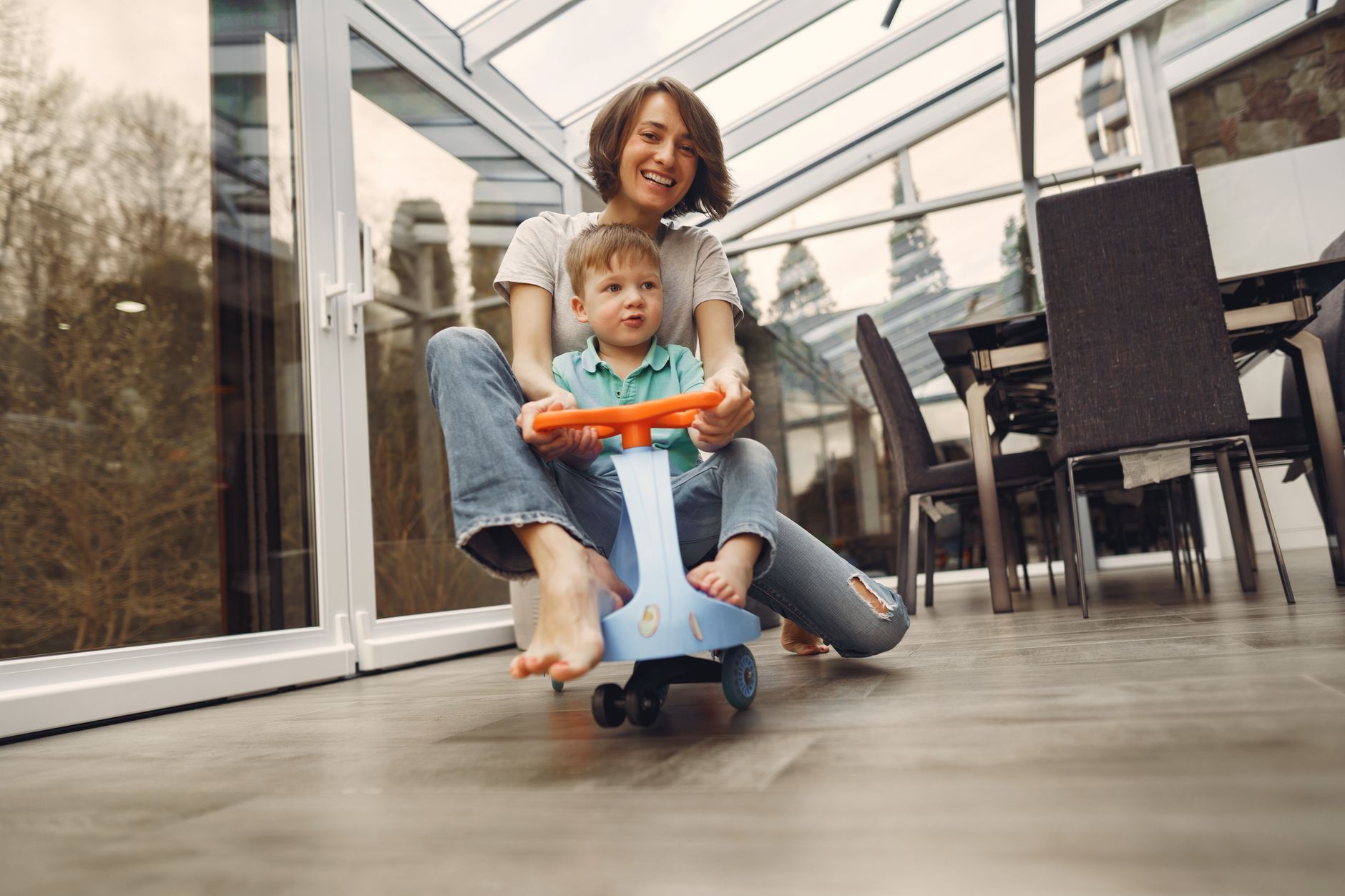
Ages 3-5 (preschool): Outdoor play should ideally hit 120+ minutes daily (roughly 70% of active time). This age group is building spatial reasoning, social negotiation skills (playing tag, making up games with peers), and the physical confidence that outdoor environments uniquely offer. Indoor structured activities are perfect as a supplement for rainy days and for developing focus skills needed for kindergarten transition. I noticed my son's teacher specifically mentioned in his preschool report that kids with strong outdoor play backgrounds struggled less with the “sitting and focusing” transition to kindergarten, because they'd already practiced self-regulation outdoors.
Ages 6-12 (school age): Both indoor and outdoor play matter equally now, but the type shifts. Outdoor play becomes more complex (team sports, building projects, exploration-based learning). Indoor play increasingly supports academics (reading nooks, puzzle-building for logic, creative projects). The research suggests kids this age actually need roughly 90-120 minutes outdoors daily plus focused indoor learning time. But here's the honest part: most school-age kids get 20-30 minutes of outdoor recess and then 4-5 hours of structured indoor learning, often screen-based. That's a deficit you'll need to compensate for at home.
Physical Development: Where They Diverge Completely
Your child's growing bones and muscles respond differently to indoor versus outdoor environments. Outdoor play produces measurable gains in gross motor skills (running, jumping, climbing, throwing) because the terrain is unpredictable and the space is larger. Kids literally can't develop the same leg strength, balance, and coordination in a 10-by-12-foot playroom as they can on a 2-acre property with hills and obstacles. A longitudinal study from the University of Copenhagen (2023) tracking 650 children found that those with consistent outdoor access developed stronger leg strength (measured by standing broad jump distance) by an average of 28cm by age 7 compared to indoor-focused peers.
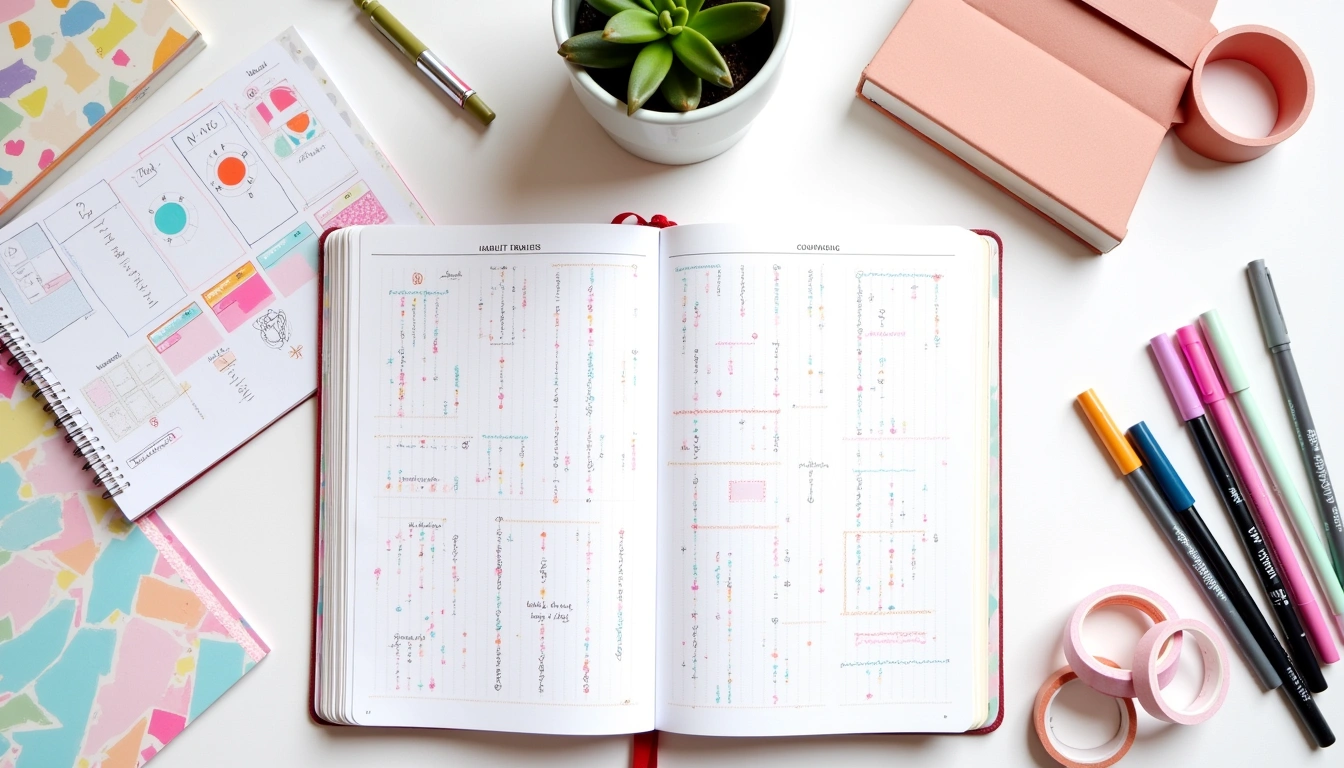
Indoor play excels at fine motor development—drawing, building with small blocks, manipulating puzzles. These activities strengthen hand-eye coordination and the intricate finger dexterity needed for writing, eating utensils, and later academic tasks. When I mapped this in a spread (I color-coded gross motor, fine motor, and balance across 12 weeks), the pattern was clear: on weeks when my kids had strong outdoor time, their gross motor skills improved. On weeks with structured indoor activities, fine motor precision improved. The kids who got both showed progress across all domains.
One advantage of controlled indoor environments: you can isolate specific skills. If your child struggles with pencil grip, an indoor activity table lets you address that directly. Outdoor play is messier (literally) but harder to prescriptively target. That's not bad—it just means each environment serves different functions in your kid's development toolkit.
Social-Emotional Growth: The Unexpected Difference
This is where the research gets fascinating. Outdoor free play with peers produces a specific type of social-emotional development that structured indoor activities rarely match. When kids play tag, build a fort, or negotiate “whose turn” with climbing equipment, they're practicing conflict resolution, reading non-verbal cues, and managing frustration in real time. A study from the Institute of Child Development at the University of Minnesota (2024) found that 6-8-year-olds with regular outdoor peer play showed significantly higher empathy scores and lower anxiety symptoms compared to peers in structured activities or solo indoor play. The unscripted nature of outdoor play forces kids to adapt and improvise—skills that directly transfer to emotional resilience.
Indoor structured play (board games, crafts in groups) teaches turn-taking and rule-following, which are also important. But there's less room for the spontaneous negotiation and creative problem-solving that outdoor play demands. I noticed this shift in my own kids around age 5. My daughter could sit through a board game beautifully indoors, but outdoors with three peers and a jump rope, she had to negotiate rules, manage disappointment when she lost, and adapt her leadership style on the fly. Both teach social skills, but they're not interchangeable.
The emotional regulation piece matters too. Outdoor play appears to activate the parasympathetic nervous system (the calming branch) more reliably than indoor time, especially in kids with anxiety or ADHD traits. Research from the University of British Columbia (2022) found that even 15 minutes outdoors in a natural setting measurably reduced cortisol levels (the stress hormone) in children ages 4-10. If your child is dysregulated, indoor calm-down corners help, but outdoor time often produces faster, deeper regulation shifts.
The Seasonal Reality: Making Both Work Year-Round
Here's where theory meets January reality. If you live somewhere with genuine winter (I'm in Minnesota, so I feel this deeply), outdoor time drops from “we go outside most days” to “we go outside once a week if we're lucky.” That shift cascades. I tracked my kids' behavior metrics across 12 weeks of winter, and the difference was stark: more indoor time, more sibling conflict, more screen-time requests, noticeably weaker gross motor skills by February. But I also built stronger indoor routines, and we finished a 300-piece puzzle together, something we'd never do in summer.
The pragmatic approach: stack your indoor activities in winter, lean heavy into outdoor time in summer, and accept that the balance will shift seasonally. You can't give your 6-year-old 120 minutes of outdoor time daily in Minnesota in January—it's not realistic. Plan for 30-40 minutes of outdoor time (even in cold weather, kids can handle 30 minutes bundled up), supplement with movement-based indoor time (dance, obstacle courses in the hallway, jumping activities), and use the extra indoor time for skill-building activities that do require structure.
I built a “winter activity rotation” spread in my planner (8.5″x11″ single page, measurements below) that alternates high-energy indoor days with calmer skill-building days. On high-energy days: dance parties, obstacle courses, relay races in the basement. On focused days: puzzles, building projects, art. This prevented the “all indoor time is screens or chaos” trap. The goal isn't to recreate summer outdoors indoors—it's to maintain skill development through the season.
Measuring Progress: A Spread You Can Actually Use
I tested several tracking systems before landing on one that worked. Here's what actually works without becoming a burden:
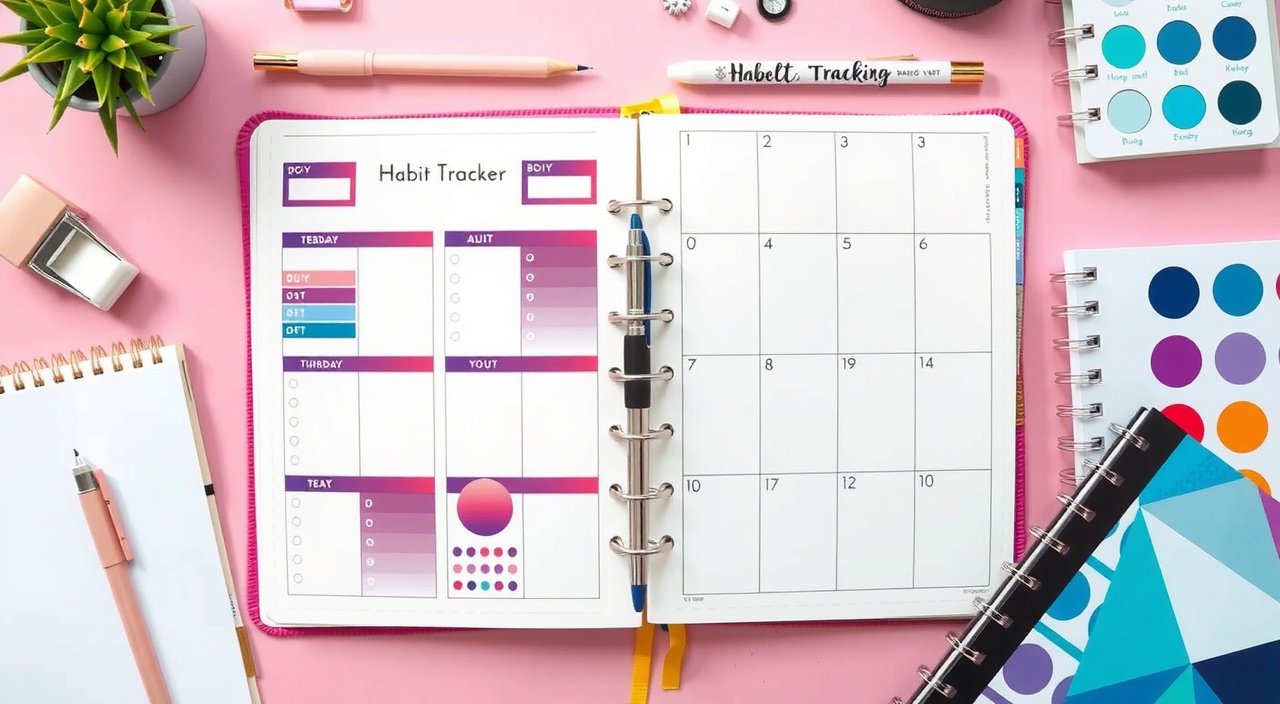
The Balanced Play Tracker (one-page spread, 8.5″x11″ portrait): Divide the page into four quadrants, one for each week of the month. In each quadrant, use a simple grid: columns for Days of the week, rows for “Outdoor time” (in minutes), “Fine motor time,” “Gross motor time indoors,” and “Unstructured play.” Use a Tombow Dual Brush pen (set of 10, approximately $28-35) in two colors: one for weekdays, one for weekends. Measurements: leave 0.5″ margins on all sides, make the grid lines 0.25″ apart. Takes 15 minutes to set up, 2 minutes per day to fill in.
What I learned: tracking makes bias visible. I thought my kids had balanced play until I tracked it. Turns out, October-November (nice weather, before school gets demanding) was naturally balanced. December-February skewed 70% indoor. July was 85% outdoor. The tracking didn't judge; it just showed the reality so I could adjust expectations rather than feeling like I was “failing” at balance.
An alternative if you hate grids: a simple monthly checklist with these bullets:
- • Week 1: aimed for 60 minutes outdoor time daily (vs. actual: 45 min)
- • Week 1: indoor skill time included 2 puzzles, 1 building project, 1 art session
- • Week 1: notes on unstructured play (what did they invent?)
Use a Micron 05 (0.45mm, approximately $3-4 per pen) for the bullet list—fine enough for organized notes, dark enough to read later. This approach takes 5 minutes per week instead of daily tracking.
When Indoor Is Actually the Better Choice (Be Honest)
There's a cultural swing right now toward “outdoor time is always superior,” and I need to be honest: that's not entirely true, and it can actually create stress for families where outdoor time is harder to access. If you live in an urban apartment without a yard, have limited safe outdoor spaces, or have a child with sensory sensitivities that make outdoor time dysregulating, indoor play isn't a lesser option—it's your best option. The research supports this: what matters most is *engagement and skill-building*, not the location.
Similarly, if your child has anxiety that peaks outdoors, or ADHD that makes unstructured outdoor time chaotic, structured indoor activities might actually be where they thrive and build confidence first. I know a family with a 7-year-old who becomes overwhelmed by open spaces and sensory input outdoors. They built elaborate indoor play spaces with specific interest-based activities, and he developed stronger focus and learning outcomes than when forced into outdoor settings. The ideal isn't universal.
Also: structured indoor learning—reading instruction, specific skill-building, academic support—has a place that unstructured outdoor time can't replace. If your child struggles with math, an afternoon at the playground won't help. A focused 20-30 minute indoor learning session with the right support will. These aren't competing goods.
The Honest Hybrid: How to Structure Both Without Losing Your Mind
After testing various systems, here's what actually works for a real family juggling schedules, weather, and varying energy levels:
Weekly anchor principle: Protect 3-4 solid blocks of outdoor time weekly (at least 45 minutes each, ideally longer). This is non-negotiable, treat it like a standing appointment. I put this in my calendar with the same weight as school pickup. The other 3-4 days, outdoor time is opportunistic (short walks, porch time, driveway play). On those days, build structured or semi-structured indoor activities.
Indoor time logic: Use indoor time for skill-building that requires focus (reading practice, math work, fine motor activities), for rainy-day engagement that prevents screen-time creep, and for creative projects that matter to your child. Don't use it as make-busy time. A 20-minute focused activity beats a scattered 90-minute day.
Unstructured time wins: Whether indoor or outdoor, the best development happens when kids have agency. That means: not every activity needs a predetermined outcome. Let them build something, invent a game, make a mess. When I stopped trying to make every
Your Weekly Dose of Inspiration
Journaling ideas, family tips, and gentle inspiration.
Love this content?
Join the BulletJournals.net community for exclusive tips, guides, and updates.
Subscribe Free