Table of Contents
As a student, staying organized and focused can be a daunting task, especially with the numerous assignments, deadlines, and responsibilities that come with academic life. This is where a bullet journal for students comes in – a game-changing tool that can help you prioritize tasks, manage your time, and achieve your goals. In this comprehensive guide, we'll delve into the world of bullet journaling and explore how it can revolutionize your student life.
50 Bullet Journal Templates Pack
Ready-to-print spreads for habit tracking, weekly planning, mood logs, and creative layouts.
Key Takeaways
- A bullet journal for students is a customizable notebook that helps you stay organized and focused
- It can be used to track assignments, deadlines, and study schedules
- Bullet journaling promotes creativity, productivity, and mindfulness
- With the right techniques and tools, you can create a bullet journal that suits your unique needs and style
Introduction to Bullet Journaling
Bullet journaling is a method of note-taking and journaling that was created by Ryder Carroll. It's a system that combines the flexibility of a blank notebook with the structure of a planner, allowing you to create a personalized space that reflects your needs and creativity. A bullet journal for students is an adaptation of this system, tailored to meet the specific demands of student life. By using a bullet journal, you can break free from the limitations of traditional planners and create a system that works for you, not against you.
Setting Up Your Bullet Journal
Setting up your bullet journal for students is an exciting process that requires some creativity and experimentation. Here are some steps to get you started:
Tips for Customizing Your Bullet Journal
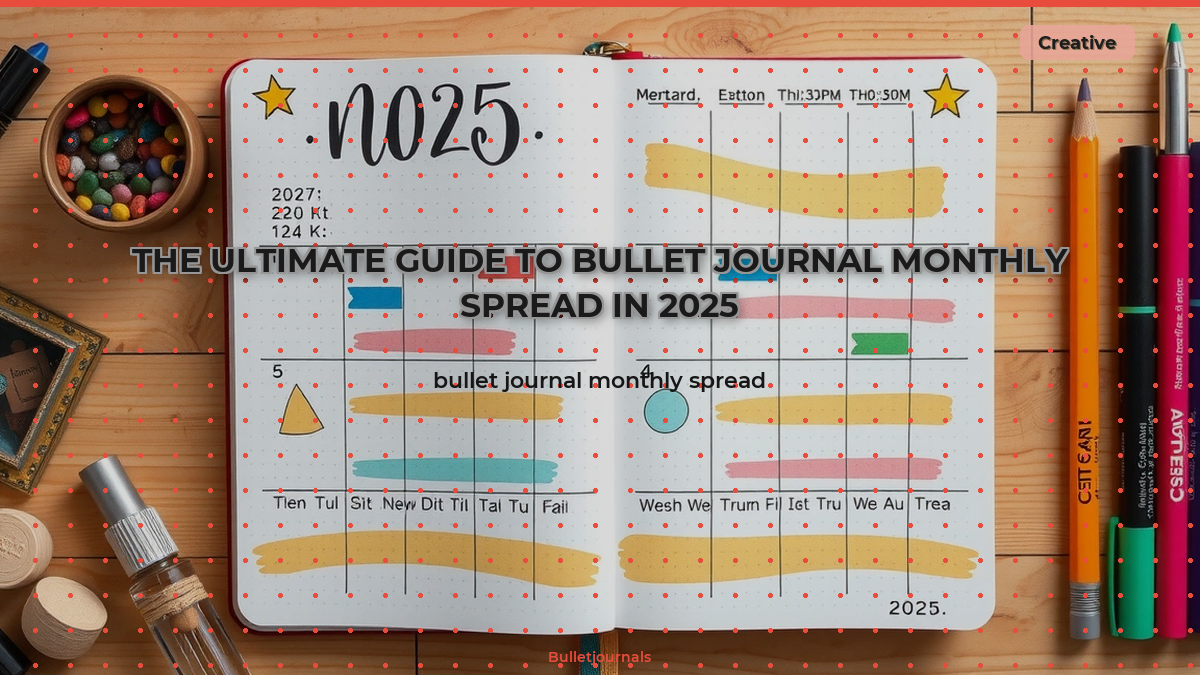
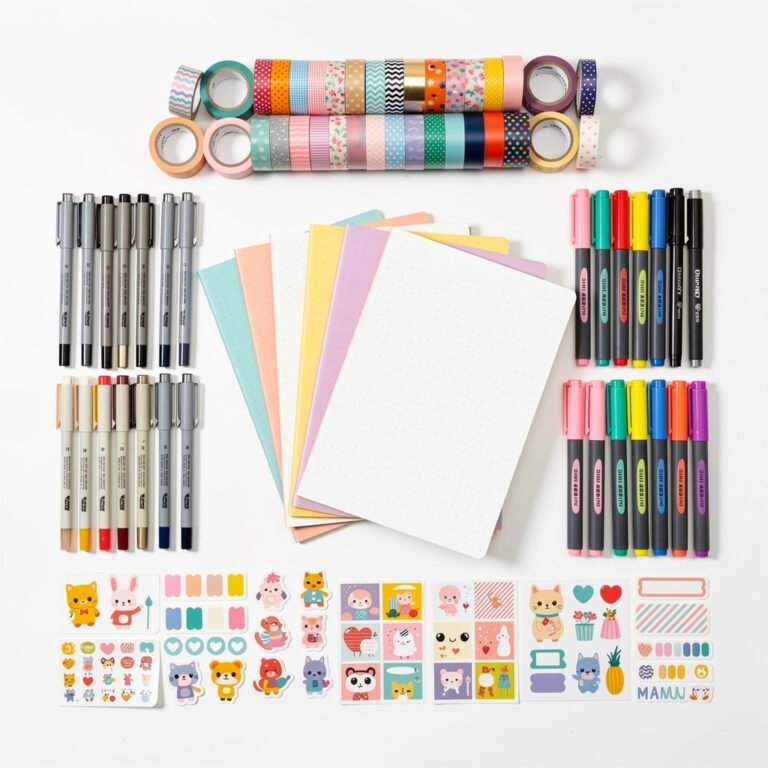
- Use washi tape, stickers, and colorful pens to make your journal visually appealing
- Experiment with different fonts and handwriting styles to add personality to your journal
- Incorporate inspirational quotes, doodles, and artwork to make your journal a reflection of your creativity
- Don't be afraid to try new things and make mistakes – it's all part of the bullet journaling process
Using Your Bullet Journal for Student Life
A bullet journal for students can be used in a variety of ways to support your academic success. Here are some examples:
- Tracking assignments and deadlines: Use your bullet journal to keep track of upcoming assignments, deadlines, and exams. Create a spread that lists all your tasks and due dates, and use symbols and colors to indicate progress and priority.
- Managing study schedules: Plan out your study sessions and schedule them in your bullet journal. Use a timer or a schedule to block out dedicated study time, and include space for notes and review.
- Recording notes and ideas: Use your bullet journal as a notebook for lectures, meetings, and brainstorming sessions. Take notes, doodle, and jot down ideas and inspiration as they come to you.
Benefits of Using a Bullet Journal for Students
- Improved organization and time management: A bullet journal helps you prioritize tasks, manage your time, and stay on top of deadlines
- Increased creativity and self-expression: Bullet journaling promotes creativity, mindfulness, and self-expression, helping you develop a unique and personalized system
- Reduced stress and anxiety: By breaking down tasks and deadlines into manageable chunks, a bullet journal can help reduce stress and anxiety, and promote a sense of control and calm
Advanced Techniques for Bullet Journaling
Once you've mastered the basics of bullet journaling, you can start experimenting with more advanced techniques to take your journal to the next level. Here are some ideas:
- Migration: Use migration to move incomplete tasks to a new page or spread, helping you stay focused on what needs to be done
- Collections: Create collections of related pages or spreads, such as a list of books to read or a log of workouts and exercise
- Habit tracking: Use your bullet journal to track your habits and routines, such as sleep, exercise, or reading. This can help you identify patterns and make positive changes
Common Mistakes to Avoid
- Overcomplicating your journal: Don't feel like you need to create an elaborate or perfect journal – keep it simple and functional
- Comparing yourself to others: Remember that your bullet journal is unique to you, and don't compare yourself to others on social media or online
- Giving up too soon: Bullet journaling is a process that takes time and practice to develop – don't get discouraged if it doesn't come easily at first
Conclusion
A bullet journal for students is a powerful tool that can help you stay organized, focused, and creative. By following the tips and techniques outlined in this guide, you can create a personalized system that supports your academic success and promotes your well-being. Remember to be patient, flexible, and kind to yourself as you develop your bullet journaling practice – and don't be afraid to try new things and make mistakes along the way.