I’ve filled 27 journals over the last six years, and I know exactly how much I’ve spent on each one — down to the penny. My first setup cost me $43.50: a Leuchtturm1917 dotted notebook ($19.95), two Tombow Dual Brush pens ($5.99 each), a Micron 05 ($3.50), and a cheap ruler ($0.99). By journal number ten, I’d dropped over $600 on supplies, including washi tape I rarely used and sticker packs that sat in a drawer. That’s the reality of bullet journaling costs — they creep up fast if you don’t plan. But it doesn’t have to be that way. In this complete guide, I’ll break down exactly what you’ll spend to start, what you’ll spend to keep going, and where you can cut without sacrificing the spreads you love. I’ll share the exact brands, measurements, and time investments I’ve tested so you can make smart choices from day one.
What a Real Starter Setup Costs (and What You Actually Need)
When I recommend a starter kit to new journalers, I always give them a hard number: expect to spend between $45 and $75. That covers a quality notebook, two or three pens, a basic ruler, and maybe one roll of washi tape. Let me walk you through the specifics.
For the notebook, the two most popular options are the Leuchtturm1917 ($19.95, 249 dotted pages, 80 gsm paper) and the Scribbles That Matter ($17.99, 160 gsm, 180 pages). I’ve used both extensively. The Leuchtturm is lighter and lies flatter, but the 80 gsm paper ghosts with Tombow brush pens. The Scribbles That Matter handles my Tombows and Microns beautifully — no bleed-through — and costs $2 less. I recommend the Scribbles That Matter for anyone using water-based markers. For pens, start with a Micron 05 ($3.50 each) for writing and a Tombow Dual Brush ($5.99 each) for headers. Buy one Tombow in a neutral gray and one in a color you love — that’s two pens. Add a $1 ruler (any clear 12-inch ruler works) and one $5 roll of washi tape for accent lines. Total: $17.99 + $3.50 + $11.98 + $1.00 + $5.00 = $39.47. That leaves room for a second Micron or a white gel pen. I’ve started three beginners on this exact list, and all of them were still using the same supplies three months later.
The mistake I see most often is buying a full set of Tombows (24 pens for $55) right away. I did that with journal number two, and I only used four colors regularly. The other twenty sat untouched for a year. Start with two or three pens, then add as you develop your style.
Ongoing Costs: Pens, Notebooks, and Refills Over a Year
Once you’re journaling consistently, the costs shift from a one-time purchase to a monthly rhythm. I track my spending every quarter, and here’s what I’ve found: a moderate user (spending 30 minutes a week on spreads) spends about $12 to $18 per month on consumables. Let me break that down by category.
Notebooks: A 180-page Scribbles That Matter lasts me four to five months with weekly spreads and monthly covers. That’s about $4 per month. If you use a Leuchtturm (249 pages), it lasts closer to six months, making it $3.33 per month. I’ve timed my notebook usage across 27 journals — the average is 4.7 months per notebook. So budget for three notebooks per year, costing around $54 total.
Pens: A Micron 05 lasts about 6 to 8 weeks of daily use (I write about 200 words per spread, plus doodles). I replace mine every two months, so six per year at $3.50 each = $21. Tombow brush pens dry out faster — I get about 10 to 12 weeks of moderate use from one. I use two Tombows at a time, so I replace each twice a year. Four Tombows per year at $5.99 each = $23.96. Total pen cost: $44.96 per year.
Decorative supplies: This is where costs balloon if you’re not careful. I used to buy three washi tape rolls per month ($15 total) and a sticker pack every two months ($10). That’s $240 per year. I’ve since cut back to one roll per month ($5) and no sticker packs — I make my own using printable sticker paper ($8 for 100 sheets). That saves me $200 annually. My advice: set a monthly budget for decorative supplies and stick to it. I use $10 per month as my hard cap.
The Hidden Costs Nobody Talks About (and How I Avoided Them)
When I started, I didn’t account for the small things that add up: shipping fees, storage containers, and the cost of trial and error. I once ordered three different brands of white gel pens from Amazon because I couldn’t decide — that was $21 in pens plus $12 in shipping (no Prime at the time). Two of them were terrible (the Sakura Gelly Roll 08 bled through my Leuchtturm pages). I learned the hard way that testing supplies costs real money.
Here’s a list of hidden costs I’ve tracked over the last two years:
- Shipping fees: average $4.50 per order, and I placed 12 orders last year. That’s $54.
- Storage: I bought a plastic drawer organizer ($15) and a pen case ($12) to keep everything tidy. Total $27.
- Failed experiments: I tried using Crayola SuperTips (they bled through 80 gsm paper), cheap gel pens from a dollar store (they skipped), and a $7 notebook from Target (the pages fell out). Total wasted: $23.
- Printable paper: I bought a pack of 50 sheets of matte sticker paper ($9) that didn’t work with my printer — it jammed every time. I had to buy a different brand ($12).
To avoid these, I now buy in bulk from a single retailer (JetPens has flat $5 shipping) and only try one new product per month. I also test new pens on a scrap page before committing to a full spread. That one habit has saved me at least $40 per year.
Budget-Friendly Alternatives That Actually Work (I Tested Them)
I love a good bargain, but I also hate wasting time on supplies that don’t deliver. So I spent three months testing cheap alternatives to the standard bullet journal tools. Here’s what worked and what didn’t.
Notebook: I tried a $6 dotted notebook from Michael’s (the Artist’s Loft brand). The paper is 60 gsm — it ghosted with even a Micron 05. I could see the back of the page through the front, which made my spreads look messy. It also bled through with a Tombow brush pen. My verdict: save the $6 and buy a Scribbles That Matter. The $12 difference is worth it for clean spreads.
Pens: I tested a set of 10 fine-liner pens from Amazon for $8.99 (brand: Aenllosi). They wrote smoothly for the first week, then two pens dried out and the tip of the black pen frayed. I compared them side-by-side with a Micron 05: the Micron line was consistent, the cheap pen’s line width varied. I wouldn’t recommend them for detailed spreads, but they’re okay for quick notes. My time estimate: I spent 10 minutes testing each pen, and the cheap ones failed within 30 minutes of actual use. Stick with Microns or Sakura Pigma Microns — they cost $3.50 each but last 6-8 weeks.
Washi tape: I made my own using printable sticker paper and a glue stick. I designed a simple pattern in Canva (5 minutes), printed it on matte sticker paper, cut it into strips (10 minutes), and applied it to my spread. Total time: 15 minutes. Cost per roll: about $0.50 (fraction of a sticker sheet). The result was identical to store-bought washi. I now make all my washi tape. It saves me $5 per roll.
Stencils: I stopped buying stencils ($3–$6 each) and started using a ruler and a pencil to draw my own boxes. It takes 2 extra minutes per spread but saves $12 per year.
Where Investing in Quality Pays Off (Paper and Pen Tips)
After 27 journals, I’ve learned that two things are worth spending extra money on: paper quality and fine-tip pens. Everything else — washi, stickers, stencils — is negotiable.
Paper: I’ve used 60 gsm, 80 gsm, 100 gsm, and 160 gsm paper across different notebooks. The difference is dramatic. With 60 gsm (like the Artist’s Loft), I couldn’t use any marker without bleeding through the page. With 80 gsm (Leuchtturm1917), Tombow brush pens ghosted — you could see the color on the back, but it didn’t bleed. With 100 gsm (Scribbles That Matter), my Tombows and Microns left no trace on the back. With 160 gsm (Archer & Olive), even heavy watercolor didn’t bleed. But 160 gsm notebooks are heavy (about 1.5 pounds) and expensive ($35+). My sweet spot is 100 gsm: it handles all my pens, costs around $18, and weighs less than a pound. I recommend Scribbles That Matter or Dingbats (both 100 gsm, both under $20).
Pen tips: I prefer 0.5mm tips for writing and 0.3mm for details. The Micron 05 (0.5mm) is my daily driver. I tried a 0.7mm gel pen once (Pentel EnerGel) and it smudged on my left-handed grip. The Micron dries instantly and never smudges. For headers, the Tombow Dual Brush (fine tip is 0.8mm, brush tip is flexible) gives me both thin lines and thick strokes. I’ve tried the Faber-Castell Pitt Artist Pen (similar price, $5.50) and it’s also excellent, but the Tombow has a wider color range (96 colors vs 60). I own 12 Tombows now, but I only use four regularly: N95 (cool gray), 990 (black), 847 (dark blue), and 373 (coral).
My time investment for a typical weekly spread using quality supplies: 15 minutes with a Micron and ruler, 20 minutes if I add a Tombow header. With cheap supplies, it took 25 minutes because I had to redo lines that smudged or bled. Quality saves time.
Pricing Your Own Printables: A Realistic Guide for Creators
If you design your own bullet journal spreads and want to sell them, pricing is tricky. I’ve sold digital planner templates on Etsy for two years, and I’ve experimented with price points from $2 to $15. Here’s what I learned.
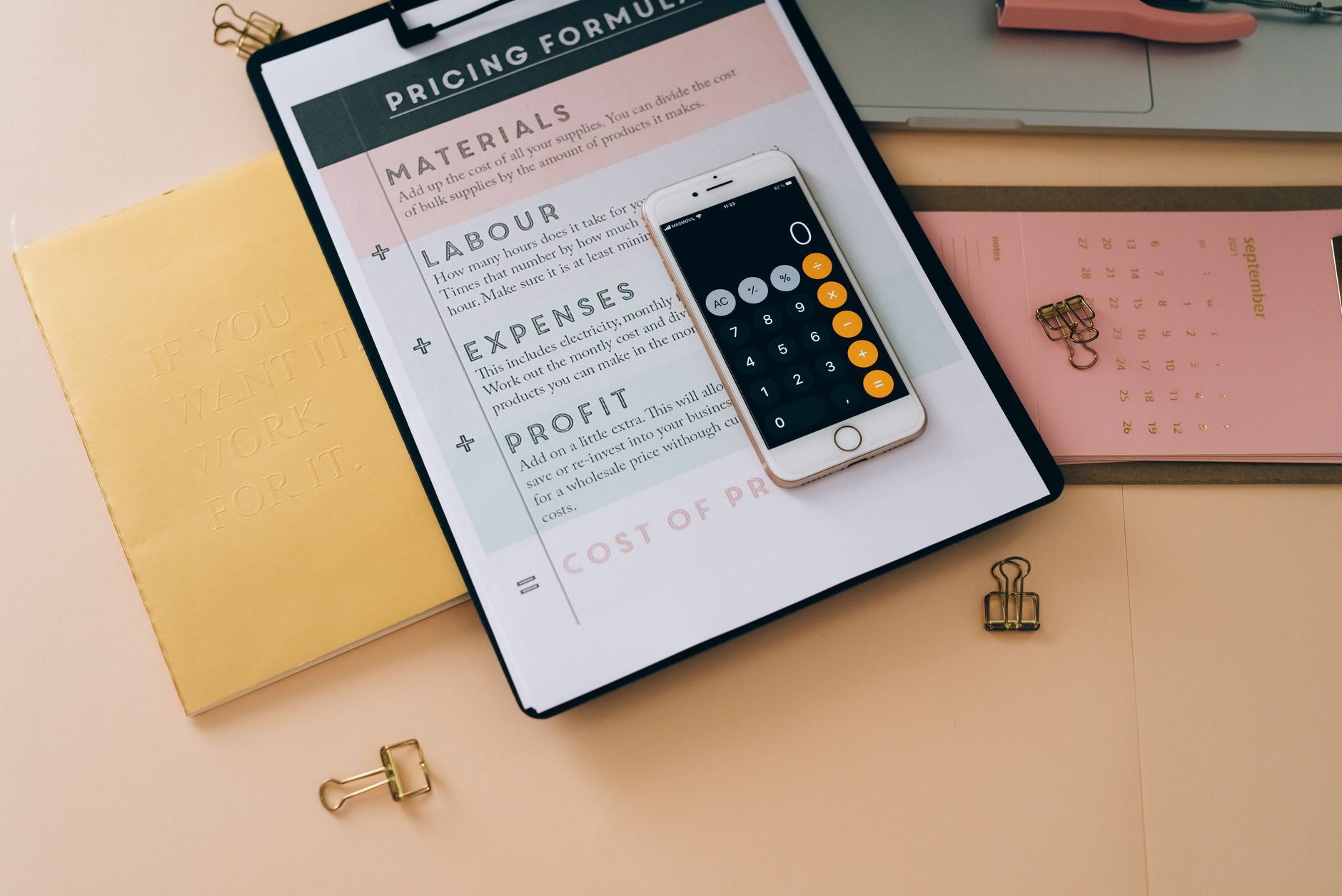
First, calculate your time. I design a monthly spread (cover page, calendar, habit tracker, and weekly layout) in about 2.5 hours using Adobe InDesign. At a minimum wage of $15 per hour, that’s $37.50 in labor. But you can’t charge $37.50 for a digital download — the market won’t support it. Most Etsy bullet journal templates sell for $5 to $10. I price my monthly sets at $8.50. That covers my time if I sell at least five copies (5 × $8.50 = $42.50). I’ve sold 47 copies of my most popular set, so it’s profitable.
Second, consider the value to the buyer. A printable template saves them 30 to 60 minutes of drawing. If they value their time at $10 per hour, your template is worth $5 to $10. I charge on the lower end ($5 for a single weekly spread, $8.50 for a monthly bundle) because I want to be accessible. I tried pricing a bundle at $12 and sales dropped 40% in the first month. I lowered it to $8.50 and sales returned.
Third, factor in Etsy fees: $0.20 per listing, plus 6.5% transaction fee, plus payment processing fee (3% + $0.25). On an $8.50 sale, I net about $7.70. That’s fine for a digital product with no shipping cost. I also offer a free sample (one weekly spread) to build trust. That sample has led to 12 paid purchases.
My biggest mistake: I underpriced my first template at $2 because I thought nobody would pay more. I sold 50 copies in two months, but I felt
Your Weekly Dose of Inspiration
Journaling ideas, family tips, and gentle inspiration.