- Building a Foundation with Simple Structure
- Tracking Habits and Goals with Intention
- Enhancing Your Experience with the Right Tools
- Frequently Asked Questions
- How much time should I spend on my weekly spread?
- What if I don’t finish my weekly review?
- Can I use a bullet journal weekly layout for work only?
- Related Posts
- Related Posts
- Related Posts
There is something undeniably calming about opening a fresh spread in your journal on a Sunday evening. For many of us, the Bullet Journal weekly layout serves as the anchor for the entire week, transforming chaos into clarity. It is not just about listing tasks; it is about creating a mindful space where your goals, habits, and creative inspiration can coexist in harmony. Whether you have been bullet journaling for years or are just starting your daily practice, finding a routine that feels like a true reflection of your life is the key to sustainable motivation. Let’s explore how to organize your time with intention, making your planner a source of joy rather than stress.
Building a Foundation with Simple Structure
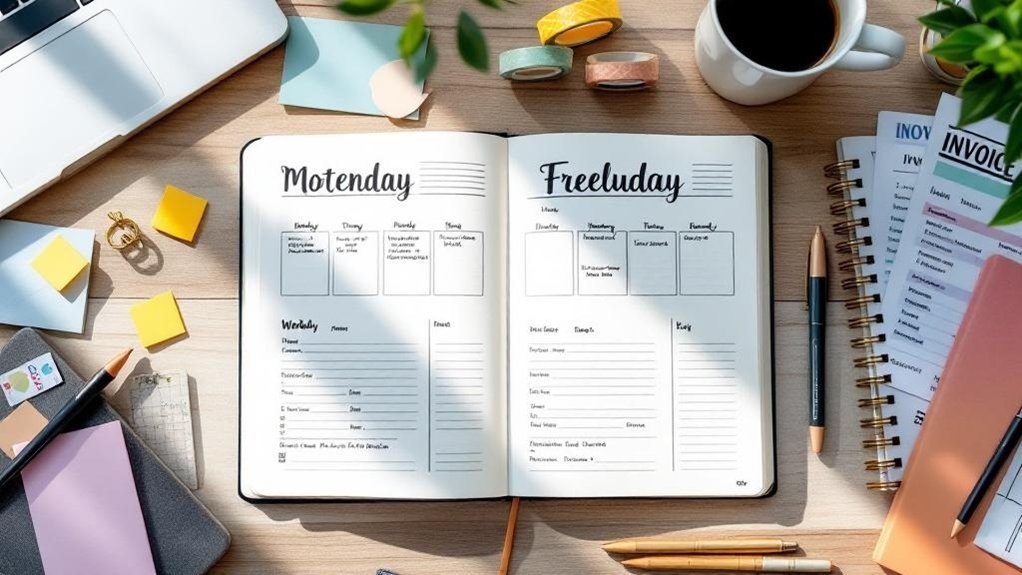
The secret to a successful bullet journal weekly layout lies in simplicity. Many people get overwhelmed by overly complex designs, but the most effective spreads often start with a simple, easy-to-read grid. You do not need to fill every inch of the page with art. Instead, focus on creating a clear distinction between your tasks, events, and notes. A common approach is to use a two-column layout: one side for your specific tasks and the other for your calendar or high-level goals. This structure allows you to organize your week at a glance, ensuring that nothing slips through the cracks.
When you begin, ask yourself what your morning routine looks like. Is there a specific task you want to prioritize every single day? By dedicating a small section to your daily practice, you reinforce your habit of showing up for yourself. This is where the power of the bullet journal comes in—it is adaptable. If you find that a certain section is not serving you, change it. The goal is not perfection; it is progress. Try to keep your design clean so that your motivation remains high. A cluttered page can feel like a cluttered mind, so leave some white space to breathe. This balance between content and empty space is what makes the process feel fun rather than like another chore.
Tracking Habits and Goals with Intention
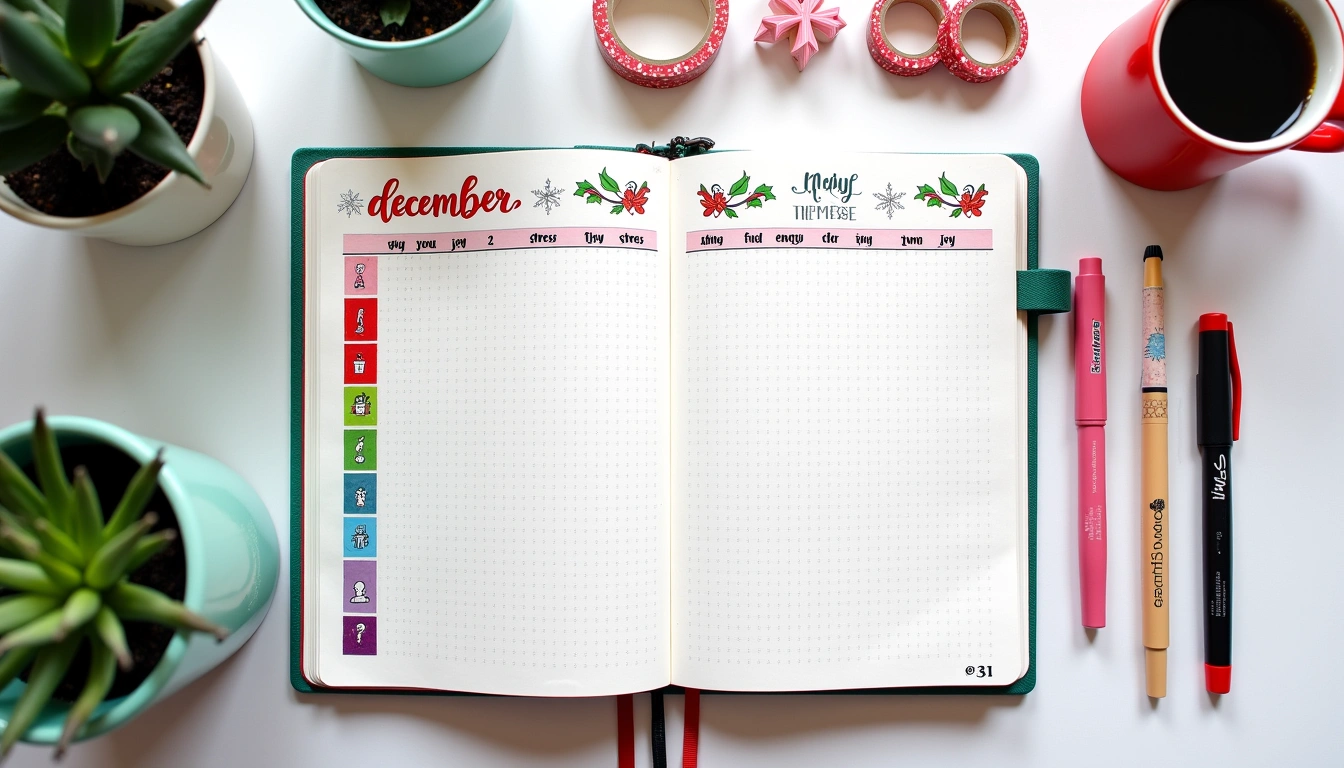
Once your basic structure is in place, it is time to add the elements that drive your progress. This is where you can get creative with habit tracking. Instead of just listing what you want to do, visualize your success. You might use a simple grid to track your water intake, sleep, or meditation sessions. Seeing a line of checkmarks can be incredibly satisfying and serves as a powerful reminder of your consistency. To find more ideas on this, you might check out the best printable bullet journal weekly habit trackers to see how others structure their data.
Beyond habits, consider adding a section for your big-picture goals. This could be a small box where you list three top priorities for the week. This keeps your focus sharp and ensures that your daily tasks align with your broader aspirations. It is also a great place to include a self-care reminder. In our busy lives, we often forget to schedule time for rest. By explicitly writing it down, you give yourself permission to pause. This mindful approach to planning helps you maintain balance, ensuring that your productivity does not come at the cost of your well-being.
Enhancing Your Experience with the Right Tools
The tools you use can significantly impact how you feel about your daily practice. The right stationery can turn a mundane task into an act of self-expression. If you are looking for inspiration on what to use, browsing the best pens for bullet journaling can help you find a tool that glides smoothly on your paper. The tactile experience of writing by hand is a crucial part of the bullet journaling method. It slows you down and encourages you to be present.
Additionally, do not be afraid to experiment with different layouts as your needs change. Life is dynamic, and your planner should be too. If you are feeling stuck, you can always look for fresh ideas in our community blog. Here, you will find quick tips and creative ideas from other organizers who share your passion. Remember, there is no single right way to do this. The best layout is the one that makes you want to open your journal. Whether you prefer a minimalist aesthetic or a colorful, artistic spread, the most important thing is that it works for your routine.
Frequently Asked Questions
How much time should I spend on my weekly spread?
Aim for 15 to 30 minutes. This is enough time to organize your tasks and set your intentions without overthinking the design. Keep it simple and quick.
What if I don’t finish my weekly review?
Do not stress. The weekly review is a tool, not a test. If you are short on time, just skim through your unfinished tasks and migrate them to the next week. Consistency is more important than perfection.
Can I use a bullet journal weekly layout for work only?
Absolutely. You can tailor the spread to focus strictly on professional goals and deadlines. However, many people find that including a small section for personal life helps them maintain a healthy work-life balance.