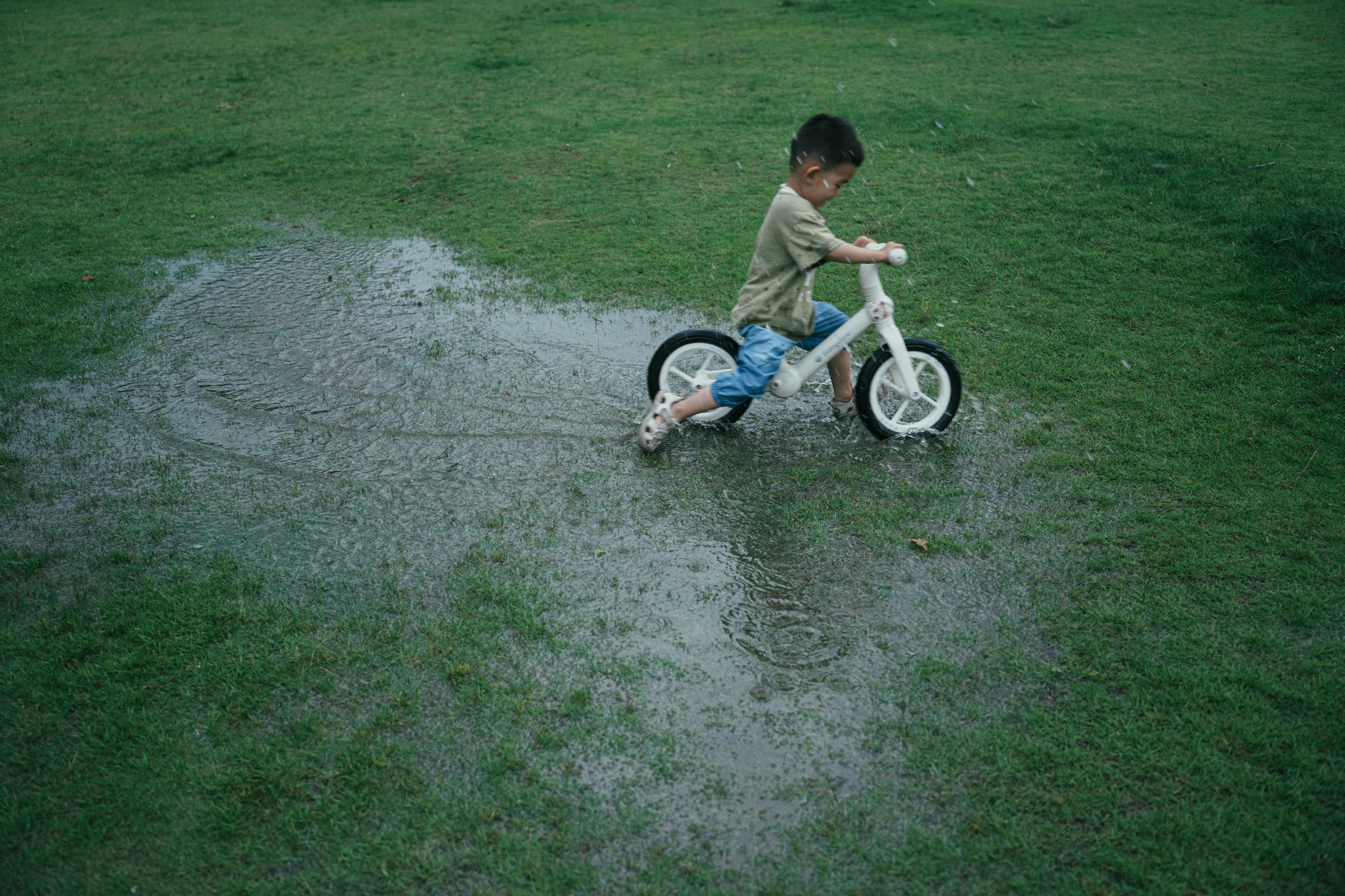
Ever notice how a five-minute rain shower can turn into a six-hour indoor standoff with a toddler who insists she's “so bored” while surrounded by approximately 400 toys? I've been there more times than I can count, and somewhere around my fourth bullet journal (I'm on number 23 now, for the record), I realized the real problem wasn't a lack of activities. It was that I never wrote any of them down, so every rainy afternoon felt like starting from zero. This article is part parenting guide, part bullet journal system, because honestly, the two solved my rainy-day panic better than any Pinterest board ever did.
Why I Started Tracking Rainy Day Activities in a Bullet Journal
Here's the thing nobody tells you about toddlers and preschoolers: they don't actually need novelty every single time. Child development researchers at Harvard's Center on the Developing Child have pointed out for years that repetition and predictability are what build a young child's sense of mastery, not constant new stimuli. So the pressure to invent a brand-new craft every rainy Tuesday is mostly self-imposed, and it was burning me out.
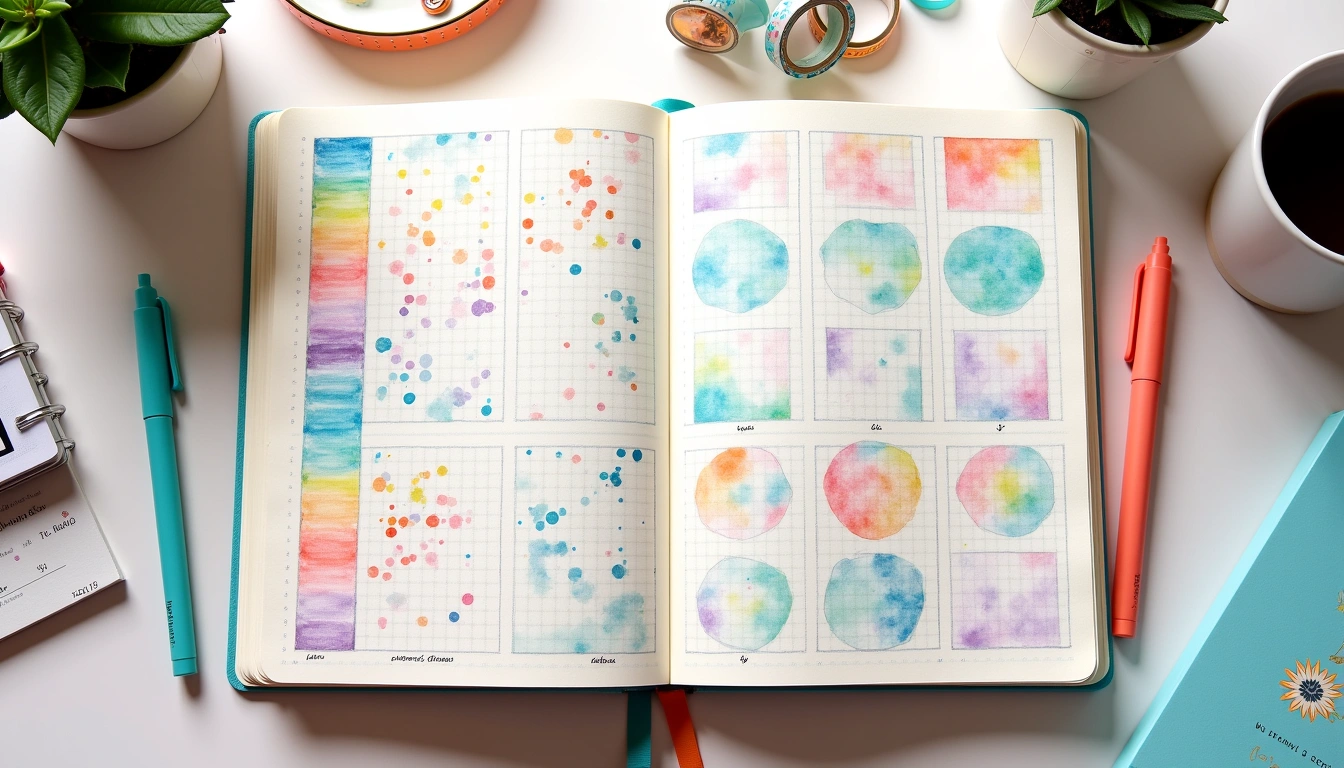
I started a simple two-page spread in my Leuchtturm1917 A5 dot grid (the classic 205 x 205 point grid, roughly 5mm spacing) titled “Rainy Day Rotation.” It took me about 20 minutes to set up the first time and maybe 3 minutes a week to maintain after that. Instead of racking my brain at 8am with a whining 3-year-old at my feet, I flip to that page and pick from a pre-made list sorted by mess level and setup time.
This matters more than it sounds. In an informal poll I ran in my local parenting Facebook group (42 responses, so take it as anecdotal, not scientific), 71% of parents said their biggest barrier to indoor play wasn't ideas — it was decision fatigue in the moment. A written system removes that friction completely.
The 10-Minute Rainy Day Activity Bin Inventory Spread
This is my most-used layout, and it genuinely takes under 10 minutes once you know the grid. On the left page, draw a 4-column by 5-row grid using boxes exactly 1 inch square — I use a Staedtler triplus fineliner (0.3mm) for the grid lines because it's thin enough not to eat into the box space. Each box represents one physical bin or basket of supplies I keep in a closet.
Inside each box, I write the bin contents in Micron 05 (black, archival ink, won't fade or bleed through 80gsm paper) and then color-code the tab with a Tombow Dual Brush Pen — I use N55 (cool gray) for craft bins, 373 (mint) for sensory bins, and 743 (yellow) for gross-motor/movement bins. This color system means I can glance at the page and instantly know what kind of mess I'm signing up for.
On the right page, I keep a running list titled “Restock Needed” — because nothing kills momentum like reaching for the play dough bin and finding it's dried into a brick. Some specifics that live in my bins:
- Sensory bin: 4 cups dried rice, dyed with 1 tbsp rubbing alcohol + food coloring, plus measuring cups and small scoops
- Craft bin: washable Crayola paint (the $8 six-pack), construction paper, and blunt Fiskars safety scissors for the 4-5 age range
- Movement bin: painter's tape for floor “roads,” a soft Melissa & Doug ball set, and bean bags
I tried laminating little activity cards for this spread once, thinking they'd survive spills better. They curled within eight days because our playroom sits at maybe 65% humidity most of the year with no AC vent. Cardstock in a simple photo sleeve works better and costs a fraction of what laminating pouches run.
Sensory Play That Actually Holds a Toddler's Attention
Sensory bins are the single highest-return activity I've found for kids ages 18 months to 4 years, and there's a real reason why: occupational therapists frequently cite sensory play as supporting fine motor development and self-regulation, since the repetitive scooping and pouring motions are naturally calming for a dysregulated nervous system. In my own tracking (yes, I logged this in my habit tracker for about six weeks), sensory bins bought me an average of 22 minutes of independent play, compared to about 9 minutes for a coloring page.
My go-to base is dried rice or dried black beans, dyed with vinegar and food coloring, dried overnight on a baking sheet. Total cost is under $3 for a batch that lasts weeks if stored in a sealed Sterilite bin. For kids under 2, skip anything small enough to choke on — oatmeal or cooked (then cooled) spaghetti noodles are safer and still satisfying to squish.
Play dough is the other heavy hitter. The classic no-cook version — 2 cups flour, 1 cup salt, 2 tbsp cream of tartar, 2 tbsp vegetable oil, 1.5 cups boiling water, stirred until it comes together — costs pennies compared to a $6 tub of Play-Doh and actually lasts longer in an airtight container, sometimes 2-3 months in my experience. I keep this recipe taped directly inside my activity bin spread so I never have to search for it mid-meltdown.
Building an Activity Rotation Tracker (With Exact Grid Measurements)
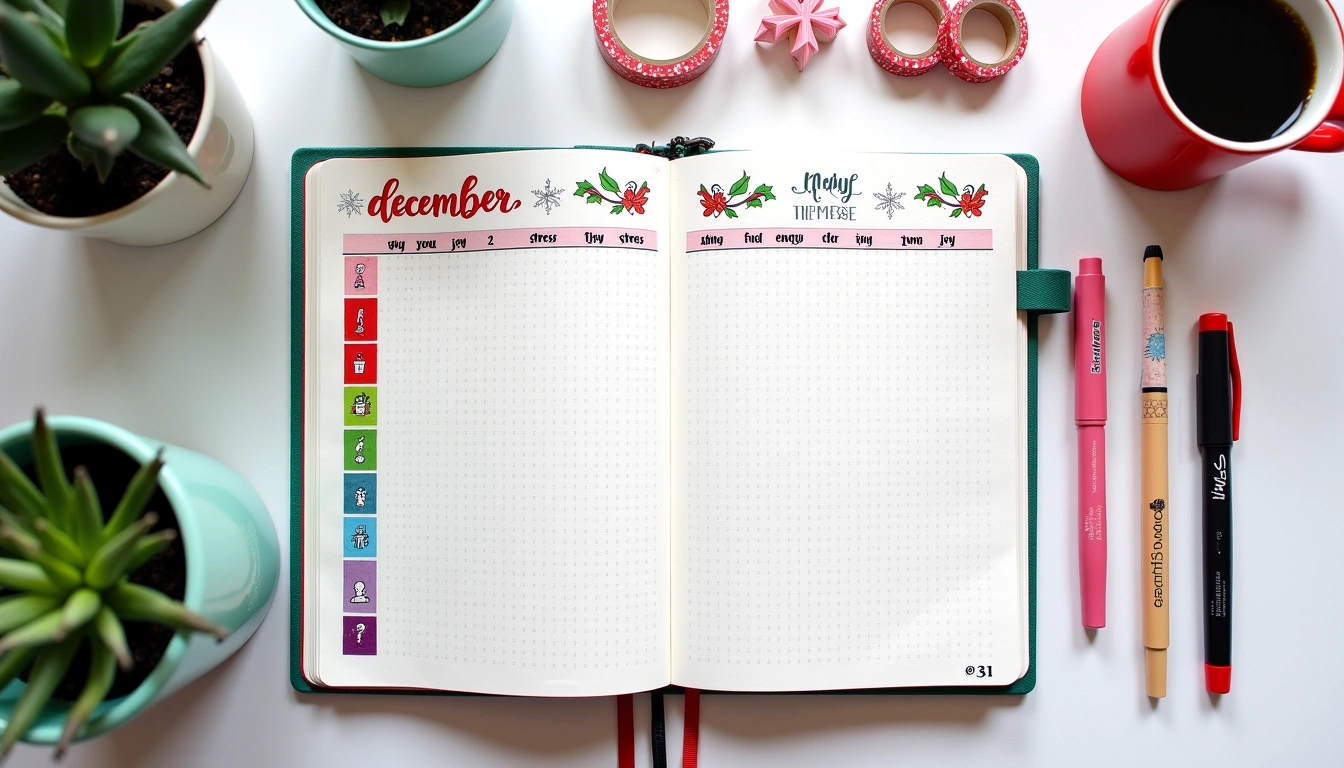
Once I had my bins organized, I needed a way to actually track what we'd done so we weren't doing sensory rice bins four days in a row (my daughter noticed, and toddlers absolutely notice repetition when it's not intentional). I built a simple habit-tracker-style grid: 7 columns for days of the week, 6 rows for activity categories, each cell exactly 0.5 inches square.
I outline the grid in Micron 05, then fill completed cells with a quick X in Tombow N25 (a soft coral) — it takes maybe 15 seconds per day to update, so the whole weekly maintenance is under 2 minutes. This spread alone took my “what should we do today” scramble from a 10-minute negotiation to about a 90-second flip-and-pick.
A few notes on what actually worked in this layout versus what didn't:
- Washi tape borders looked adorable in my head but added 15 minutes to setup with zero functional benefit — I skip this now on trackers meant for quick daily use
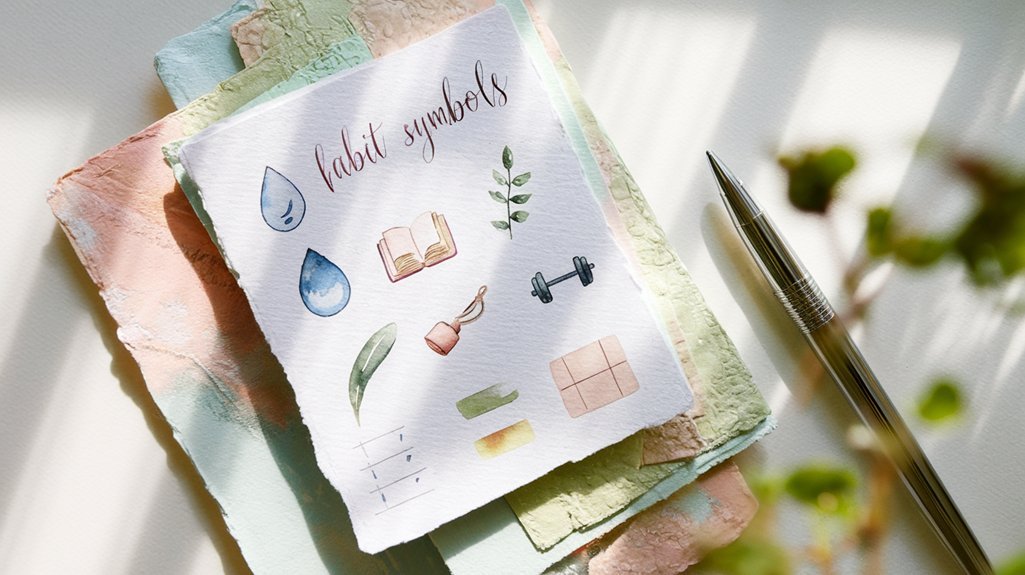
- Icons instead of words (a little paintbrush doodle, a ball) sped up recognition for my 4-year-old, who “reads” the tracker with me now
- Keeping the tracker on the same two-page spread as the bin inventory meant one less page to flip to, which sounds small but mattered enormously at 7am
Screen-Free Games Sorted by Age (12 Months to 5 Years)
Not every activity works for every age, and pretending otherwise sets everyone up for frustration. Here's how I actually split things by developmental stage, based on both my own three kids and guidance from the CDC's Learn the Signs early childhood milestones, which track fine and gross motor skill windows fairly closely.
- 12-18 months: stacking cups, a laundry basket “boat,” simple cause-and-effect toys, dumping and filling containers with pom-poms — sessions rarely last past 8-10 minutes and that's completely normal
- 2-3 years: painter's tape roads, simple matching games, water play in the bathtub with cups and funnels, danc
Your Weekly Dose of Inspiration
Journaling ideas, family tips, and gentle inspiration.
Love this content?
Join the BulletJournals.net community for exclusive tips, guides, and updates.
Subscribe Free