- Why a Budget Tracker Belongs in Your Journal
- Designing a Tracker That Fits Your Style
- Building a Routine for Financial Harmony
- Frequently Asked Questions
- How often should I update my budget tracker?
- What if I overspend in a category?
- Do I need special supplies for a budget tracker?
- Related Posts
- Related Posts
- Related Posts
Why a Budget Tracker Belongs in Your Journal
There is something deeply satisfying about seeing your daily practice come to life on paper. For many of us, organizing our finances feels like a chore that sits in the back of our minds, causing low-level stress. But when you integrate a bullet journal budget tracker into your existing routine, it transforms from a tedious task into a mindful moment of clarity. It is not just about numbers; it is about creating a habit that supports your overall well-being. By keeping your financial goals visible in the same space where you plan your morning routine and track your self-care, you create a holistic view of your life. This simple shift helps you find balance between earning, saving, and enjoying the present moment. The beauty of the bullet journal method is its flexibility. You do not need fancy spreadsheets or complex apps. You just need a blank page, a pen, and the intention to be intentional. When you see your money flow alongside your creative projects and personal goals, motivation naturally follows. It becomes a fun challenge to stay within your limits while still making room for the things that bring you joy. This approach turns financial planning into a source of inspiration rather than anxiety. It is a gentle reminder that every dollar spent is a reflection of your values and priorities. By making this part of your daily practice, you build a stronger relationship with your money, one that is based on awareness and control rather than fear and avoidance.
Designing a Tracker That Fits Your Style
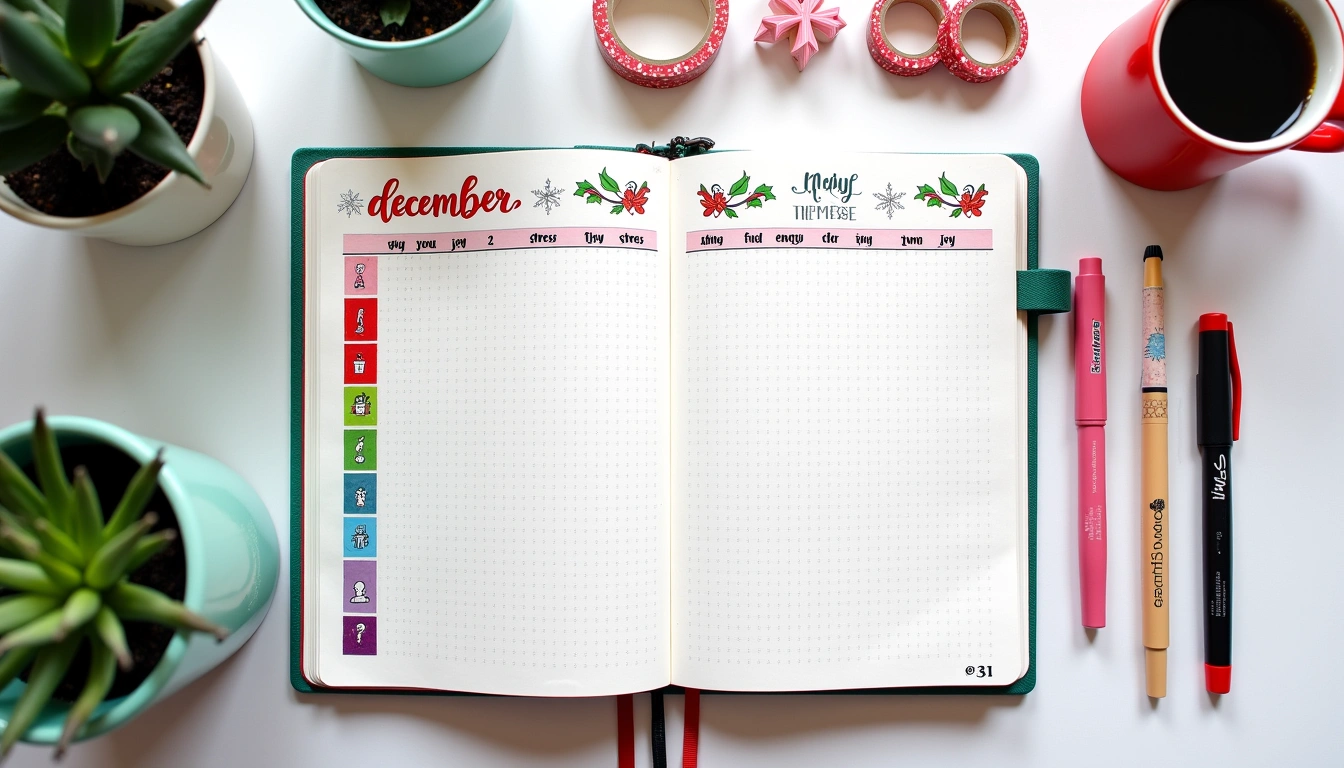
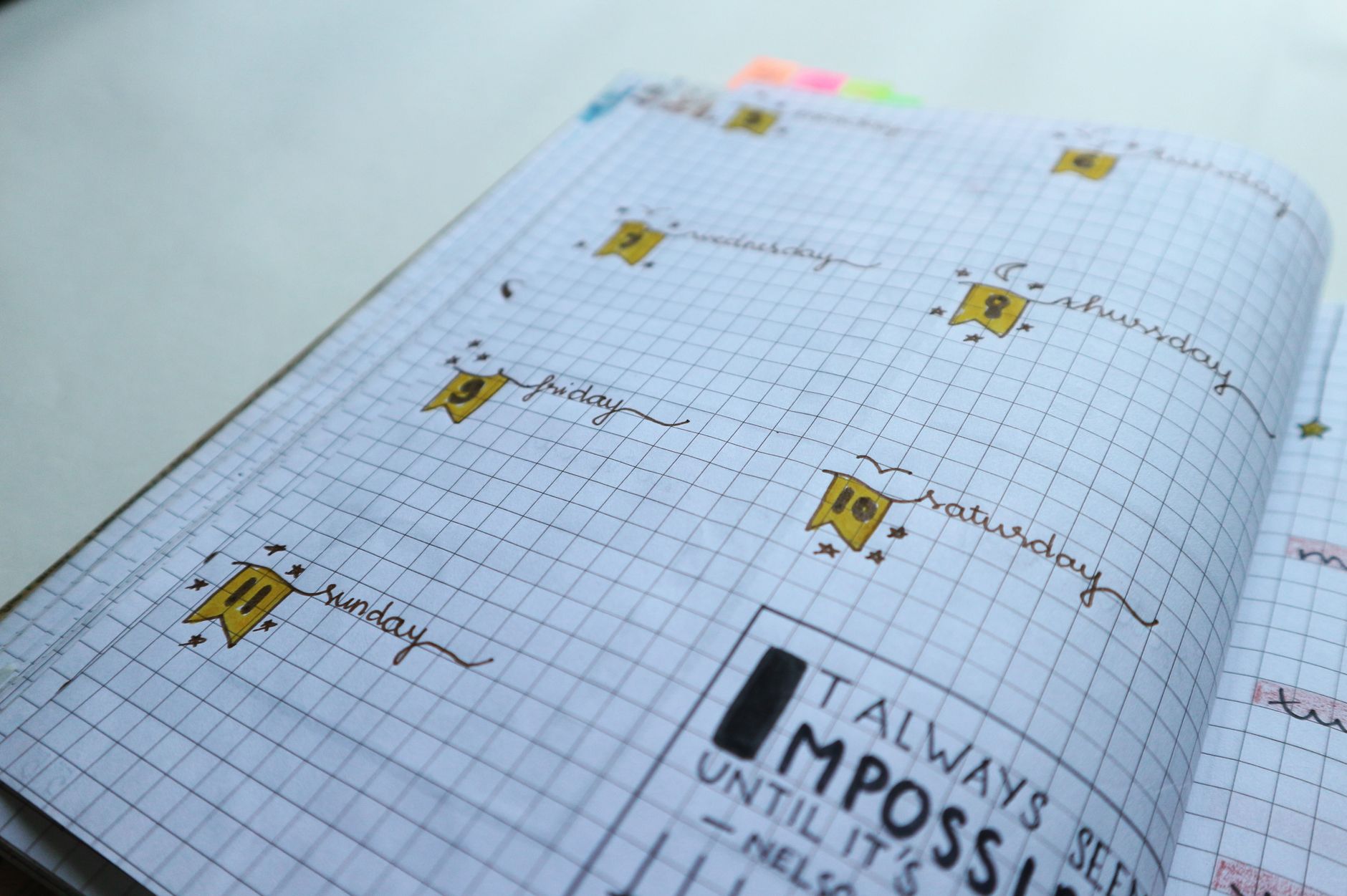
One of the best things about bullet journaling is that you are the artist and the architect. Your tracker should feel like a natural extension of your planner, not an add-on that feels forced. Start by thinking about what data you actually need to see. Do you track every single coffee purchase, or do you prefer a broad overview of major categories like rent, groceries, and entertainment? A simple grid layout is often the most effective for a weekly review. You can create columns for each day of the week and rows for your top spending categories. This makes it easy to see where your money went at a glance. If you are a visual thinker, consider adding small icons or color-coding to different expense types. For example, use blue for necessities and green for savings. This quick visual cue helps you stay mindful of your spending habits without having to do heavy mental math. If you are new to this, you might want to explore some monthly bujo layouts for crushing your goals to see how others integrate financial tracking with broader life objectives. The key is to keep it easy and quick to update. If the system is too complicated, you will abandon it within a week. Aim for a design that takes no more than five minutes to update each evening. This small investment of time pays off in the clarity and peace of mind you gain throughout the month. Remember, the goal is not perfection, but consistency. A messy but completed tracker is far more useful than a beautiful one that you never fill out.
Building a Routine for Financial Harmony
The real magic happens when you pair your tracker with a consistent routine. I suggest reviewing your budget tracker during your weekly review, which is already a staple in most bullet journal practices. This is the time to reflect on the past week’s spending and adjust for the upcoming week. Did you overspend on dining out? Is there an area where you can cut back? This is not about judgment; it is about adjustment. It is a chance to reset and realign with your goals. You can also use this time to celebrate your wins. Did you stick to your grocery budget? Did you save an extra $20? Acknowledge these small victories to keep your motivation high. This positive reinforcement makes the habit stick. Additionally, consider using the margins of your journal for quick notes on financial tips or ideas for saving. Maybe you saw a great deal on a subscription service or found a way to reduce your utility bill. Capturing these ideas ensures they do not slip away. If you are looking for more ways to enhance your planning space, check out our guide on best pens for bullet journaling to find the right tool for your tracking needs. The right pen can make the act of writing your numbers feel more pleasant and less like a chore. Ultimately, this routine is about self-care. Taking care of your financial health is an act of kindness to your future self. It allows you to live in the present with less worry and more freedom. By making your budget tracker a central part of your journal, you are investing in a life of balance and intentionality.
Frequently Asked Questions
How often should I update my budget tracker?
For most people, a quick nightly update is the most sustainable approach. It takes only a few minutes and ensures your data is accurate. If that feels like too much, a weekly update during your review session is a great alternative. The key is consistency rather than frequency.
What if I overspend in a category?
First, be kind to yourself. Overspending happens to everyone. Use your weekly review to analyze why it happened. Was it an emergency or a lapse in planning? Adjust your budget for the next week to compensate, but do not let one bad week derail your entire month. Flexibility is a key part of the bullet journal philosophy.
Do I need special supplies for a budget tracker?
No, you do not. A standard notebook and a pen are all you need. However, if you enjoy the aesthetic side of journaling, you might want to explore best printable bullet journal weekly habit trackers for inspiration on layout and design. But remember, functionality always comes first. A simple layout works best for tracking money.
Related: 5 Bullet Journal Layouts for a Balanced and Mindful Life
Related: A Fresh Start: Creating a bullet journal weekly layout You’ll Actually Love
Related: Beyond the Canvas: Creative Art Projects for a Vibrant Lifestyle
Related Posts






Related Posts
Related Posts
Your Weekly Dose of Inspiration
Journaling ideas, family tips, and gentle inspiration.
Love this content?
Join the BulletJournals.net community for exclusive tips, guides, and updates.
Subscribe Free