- In This Article
- Key Takeaways
- The Absolute Essentials: Your First Shopping Trip
- Understanding The Core: The Index & Future Log
- Your First Monthly Spread: Keep It Super Simple
- The Daily Log: Your Workhorse Spread
- Collections: Organizing Your Brain Dumps
- Embracing Imperfection & Finding Your Style
- My 10-Minute Beginner Setup Plan
- What is the one thing I need to buy to start bullet journaling?
- How much time does it take to maintain a bullet journal daily?
- I'm not artistic at all. Can I still bullet journal?
- Related Articles
- Related Posts
- Related Posts
- Related Posts
- Related Posts
- What supplies do I absolutely need to start a bullet journal?
- Is bullet journaling just about making pretty spreads?
- I'm not artistic. Can I still bullet journal?
- What are the first pages I should set up?
- Related Posts
Disclosure: This post contains affiliate links. If you click through and make a purchase, we may earn a small commission at no extra cost to you. Thank you for supporting this site!
Ever stare at those gorgeous bullet journal spreads on Instagram and wonder how anyone has time for that? You're not alone. I've filled over 20 journals, and my first one was a hot mess of smeared ink and abandoned trackers. But here's the secret: bullet journaling isn't about creating art. It's about creating a system that works for your brain. It's your planner, your diary, your brain dump, and your creative outlet all in one notebook. And starting is way easier than you think.
4 min read
In This Article
Key Takeaways
- The Absolute Essentials: Your First Shopping Trip
- Understanding The Core: The Index & Future Log
- Your First Monthly Spread: Keep It Super Simple
- The Daily Log: Your Workhorse Spread
The Absolute Essentials: Your First Shopping Trip
You don't need a lot to begin. In fact, I recommend starting simple. Grab a dotted notebook—the Leuchtturm1917 A5 is my go-to because its paper handles most pens without ghosting. For your first pen, get a black Pigma Micron 05. It's fine enough for writing but bold enough for headers. I made the mistake of buying a huge set of Tombow Dual Brush pens right away. They're amazing, but I was so overwhelmed I didn't use my journal for a week. A notebook and one pen are all you truly need to start.

A notebook and one pen are all you truly need to start.
Understanding The Core: The Index & Future Log
This is the genius of the system. The first few pages of your notebook are for your Index. As you create collections and monthly logs, you list them here with their page numbers. It turns your journal into a searchable book. Right after that, set up your Future Log. I use a simple two-page spread divided into six sections (one for every two months). This is where you park appointments, birthdays, and goals that are months away. It takes about 15 minutes to set up and saves you from flipping through pages later.
Your First Monthly Spread: Keep It Super Simple
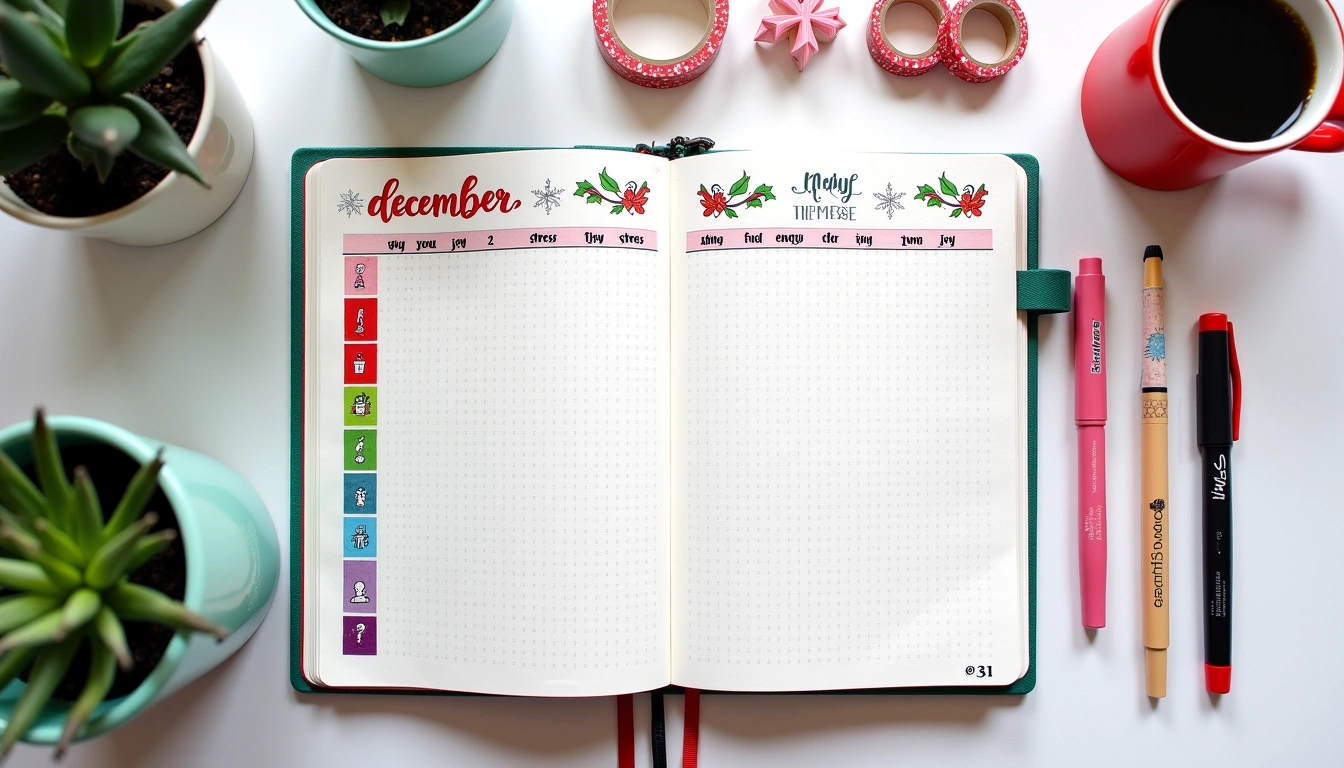
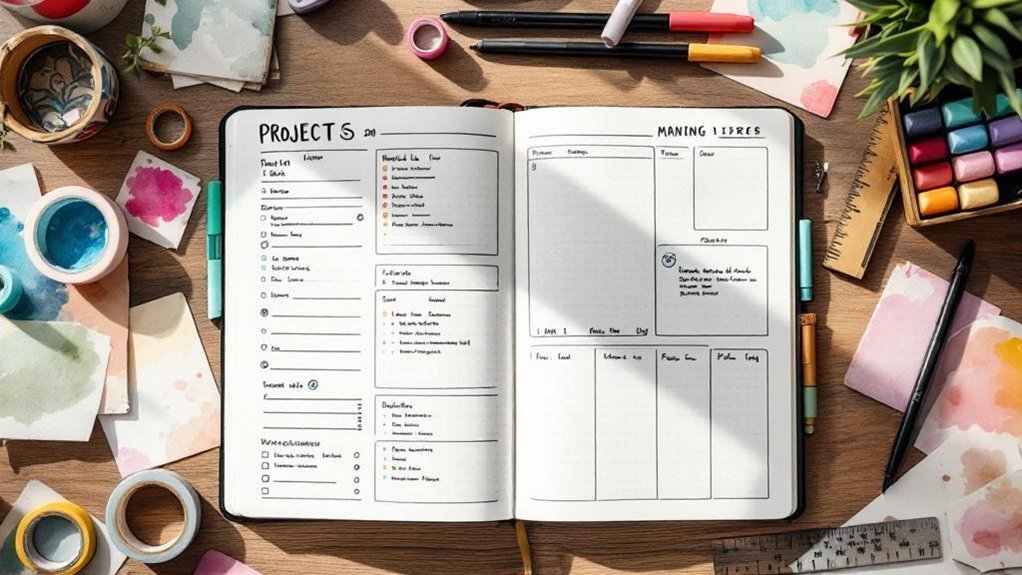
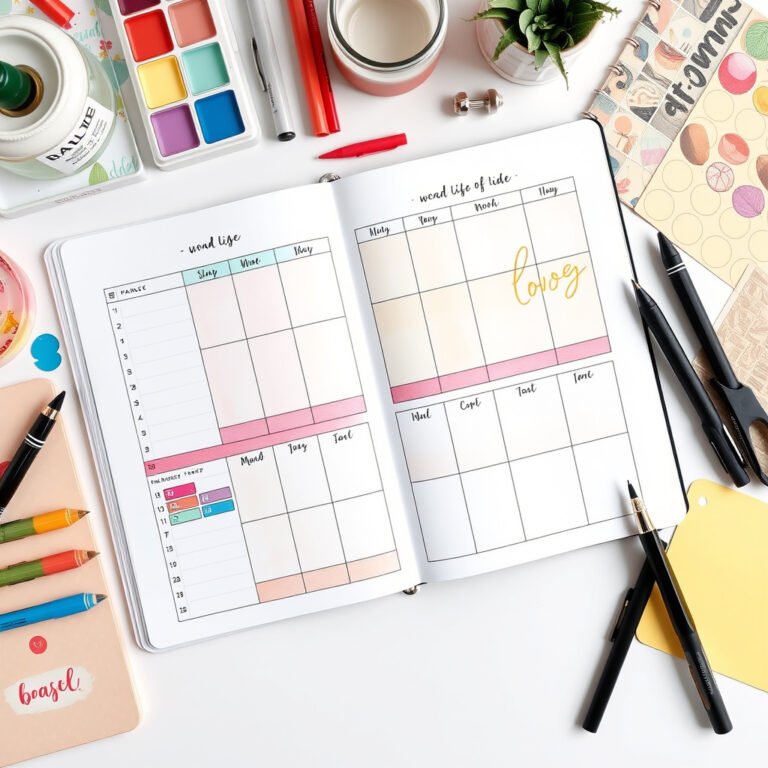
For your first month, resist the urge to create a masterpiece. Draw a simple calendar grid. I make mine 7 squares across and 5 squares down, with each square measuring 4×4 dots. Write the dates in the top left corner of each box. On the opposite page, create a task list for the month and a small habit tracker. My first habit tracker had 30 habits. It was a disaster. Now, I only track 3-5 core habits. This entire two-page spread should take you no more than 20 minutes to set up with a ruler and your Micron pen.
This entire two-page spread should take you no more than 20 minutes to set up with a ruler and your Micron pen.
The Daily Log: Your Workhorse Spread
This is where the magic happens every day. You don't set this up in advance. Each evening or morning, you simply write the date and then list your tasks, events, and notes using the bullet journal key. A bullet (•) for a task, a circle (O) for an event, and a dash (–) for a note. It’s that simple. The beauty is its flexibility. Some days my log is 10 lines long; other days it takes half a page. This practice takes 2-5 minutes a day and is the heart of the entire system.

Collections: Organizing Your Brain Dumps
Once you're comfortable with the dailies, you can start Collections. These are topic-specific lists anywhere in your journal. A movies-to-watch list, gift ideas, or goals for the year. Remember to add them to your Index! I love using a Tombow Dual Brush pen in a soft grey (N95) to write the title for these. It adds a touch of flair without pressure. My first collection was a books-to-read list, and it’s still one of my most-used pages three journals later.
Embracing Imperfection & Finding Your Style
Your journal will have mistakes. You'll spell things wrong. A line will be crooked. That's not only okay, it's part of the process. I once smeared an entire week's habit tracker with a wet coffee cup. I was furious, but I just drew a box around it, wrote “Coffee Attack 10/12” and moved on. Now it's a funny memory. Your style will evolve. Don't compare your chapter 1 to someone else's chapter 20. The goal is functionality, not perfection.
My 10-Minute Beginner Setup Plan
If you're feeling stuck, follow this exact plan. Set a timer for 10 minutes. Open your notebook. On page 1, write “Index.” On pages 2-3, draw six boxes for your Future Log and label the months. On pages 4-5, draw your monthly calendar and a three-habit tracker. That's it. You're done. You've started. The rest you'll figure out as you go, one day at a time.
Ready to make this system yours? Grab that notebook. Don't wait for the “perfect” time or the “right” supplies. Start with the simple setup above. Use it for a week. I promise, you'll quickly see what works for you and what doesn't. The real magic of bullet journaling isn't in the pretty spreads—it's in the clarity and control it gives you over your days. Share your first page with our community; we love celebrating new beginnings!
What is the one thing I need to buy to start bullet journaling?
Just a dotted notebook and a single black fineliner pen, like a Pigma Micron 05 or a Staedtler Pigment Liner 0.3. A ruler is helpful but not mandatory. You can add washi tape and mildliners later, but they are absolutely not required to begin. Starting simple prevents overwhelm.
How much time does it take to maintain a bullet journal daily?
The daily log itself should only take 2-5 minutes each day. Setting up a new monthly spread takes about 15-20 minutes once at the beginning of the month. The time commitment is minimal if you focus on the core system and avoid overly complex decorative layouts, especially when starting.
I'm not artistic at all. Can I still bullet journal?
Absolutely. The original Bullet Journal method, created by Ryder Carroll, uses only simple lines and bullets. It is a productivity system first. The artistic spreads you see online are a creative extension of that system, not a requirement. Your journal only needs to be functional for you.
Small changes, real momentum
Get practical guides and templates you'll actually use — a few thoughtful emails a month.
Related Posts



Related Posts
Related Posts
Related Posts
What supplies do I absolutely need to start a bullet journal?
You only need two things: a dotted notebook (like a Leuchtturm1917) and one good black pen (like a Pigma Micron 05). Don't get overwhelmed by buying tons of supplies upfront. Starting simple helps you focus on building your system without the pressure to create perfect art right away.
Is bullet journaling just about making pretty spreads?
Not at all! While it can be a creative outlet, its core purpose is to be a functional system for your brain. It acts as your planner, diary, and brain dump all in one place. It's about finding a method that works for you, not about creating Instagram-perfect art.
I'm not artistic. Can I still bullet journal?
Absolutely! Your first journal is supposed to be a “hot mess”—it's all part of the process. The system is designed to be utilitarian first. You can always add creative elements later if you want, but simplicity and function are the main goals for getting started.
What are the first pages I should set up?
Start with the core structure: an Index to find everything later and a Future Log for long-term planning. Then, create a simple Monthly Spread and your first Daily Log. These foundational pieces will become the workhorses of your entire organizational system.
Related Posts
Related: Bullet Journal: Best Pens for Bullet Journaling in 2026 – Smooth & Reliable
✨ Our Recommendation
Editor's Pick: A dot grid journal for ultimate flexibility and clean layouts.
Your Weekly Dose of Inspiration
Journaling ideas, family tips, and gentle inspiration.
Love this content?
Join the BulletJournals.net community for exclusive tips, guides, and updates.
Subscribe Free