- In This Article
- Key Takeaways
- The Anatomy of a Habit Stacking Tracker
- Choosing the Right Reward System
- The Critical Role of the Weekly Review
- Adapting the Layout for Different Habit Types
- Why This Beats Digital Habit Trackers
- Common Pitfalls and How to Avoid Them
- Can I use this for more than one habit at a time?
- What if my existing routine isn't consistent?
- I missed a day! Does that mean I've failed?
- Sources & further reading
- Related Articles
Ever tried building a new habit only to watch it fizzle out after a week? I've filled over 20 journals with attempts, from daily flossing to morning pages, and my success rate was abysmal until I discovered a game-changing principle: habit stacking. This isn't just a theory; it's the exact method that helped me, a self-proclaimed meditation skeptic, build a 100-day unbroken meditation streak. The secret wasn't just willpower—it was a meticulously designed Bullet Journal layout that made the habit inevitable. I'll break down the specific tracker, the pens I used (Tombow Dual Brush for color, Micron 05 for precision), and the simple reward system that kept me going long after the initial motivation faded. This is the deep-dive into the system that finally made a lasting habit stick.
8 min read
In This Article
Key Takeaways
- The Anatomy of a Habit Stacking Tracker
- Choosing the Right Reward System
- The Critical Role of the Weekly Review
- Adapting the Layout for Different Habit Types
The Anatomy of a Habit Stacking Tracker
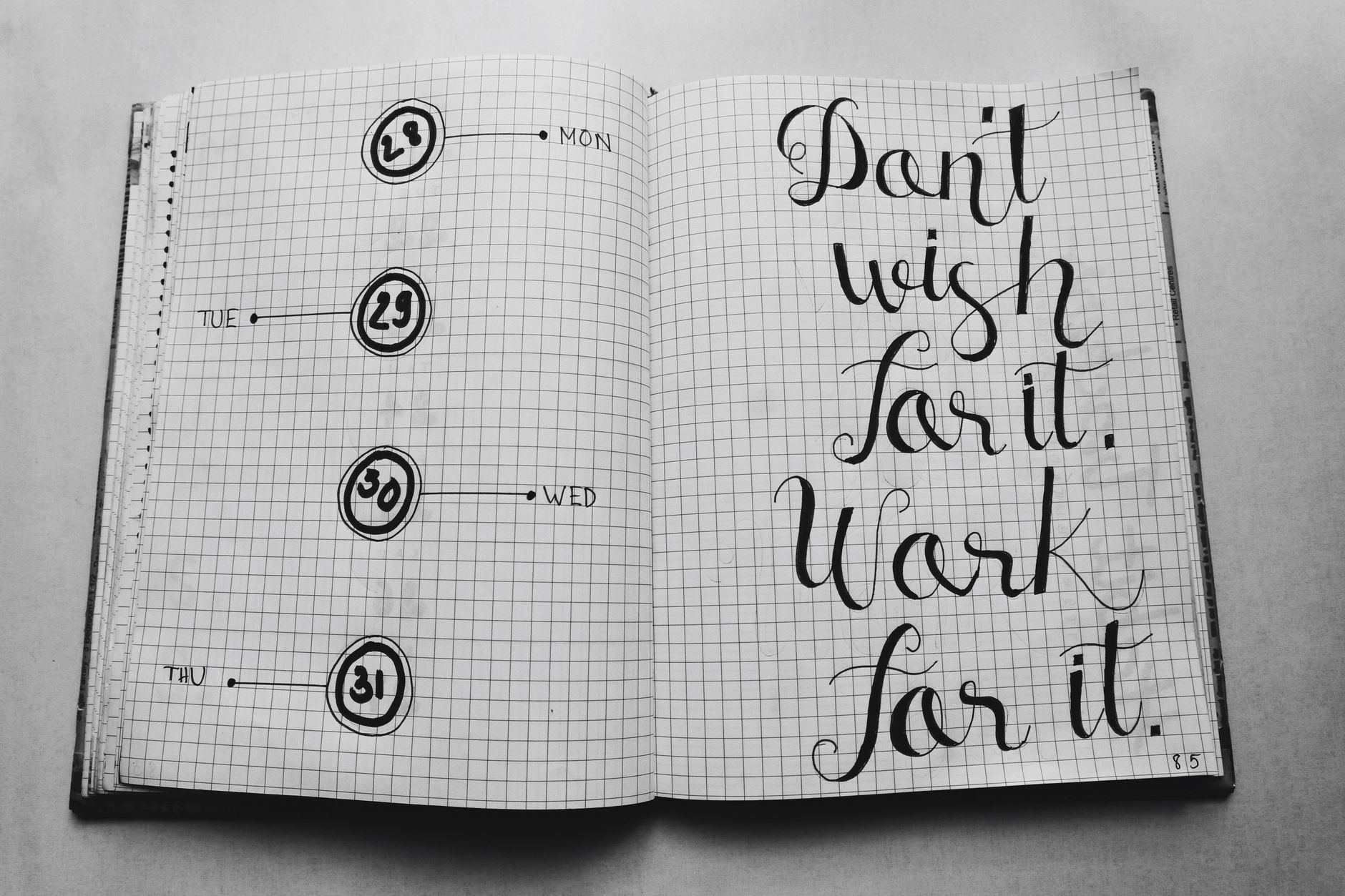
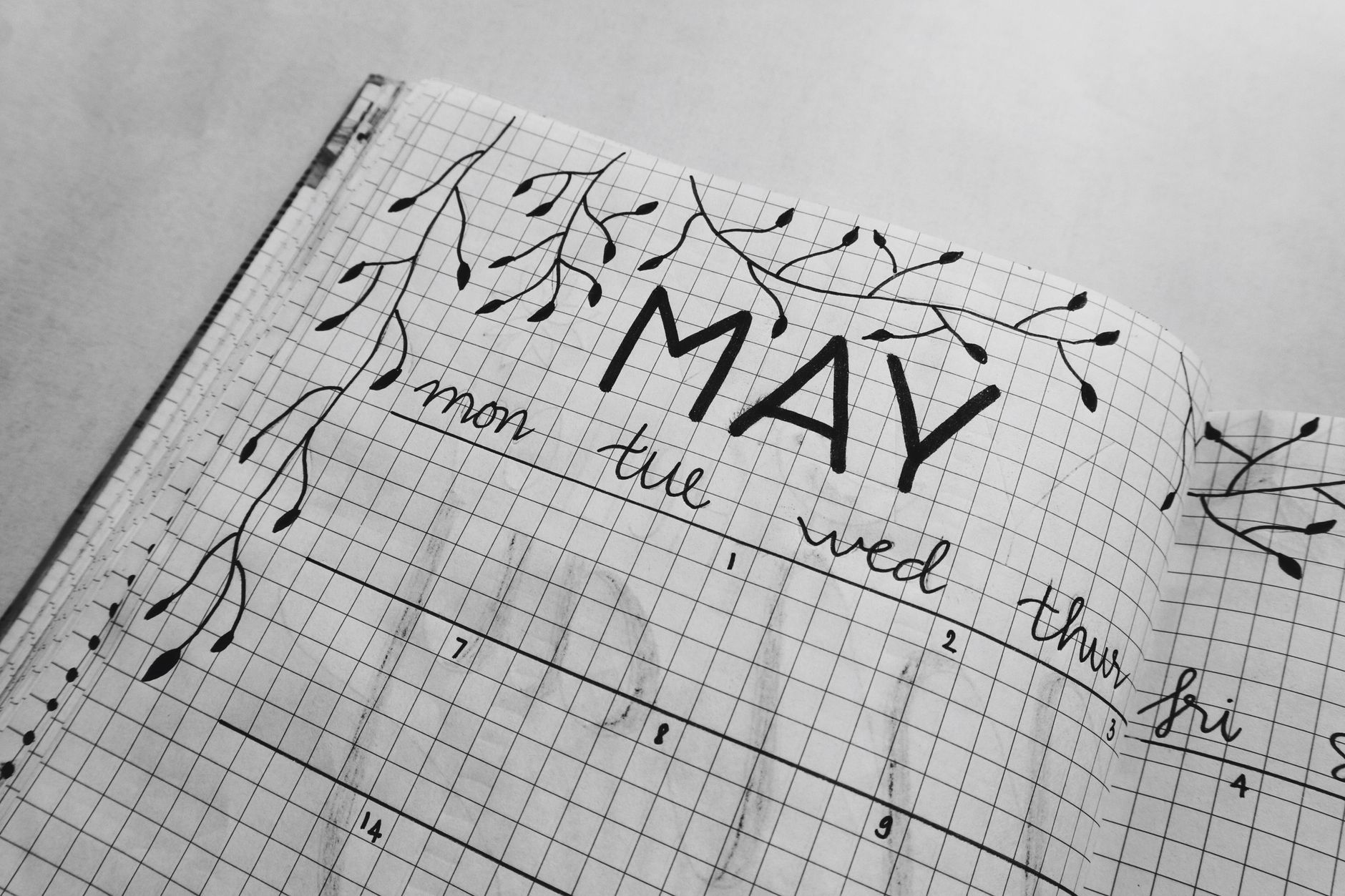
My failed attempts always shared a common flaw: isolation. A single habit tracker floating on a page, disconnected from my daily routine, was too easy to ignore. The habit stacking principle, popularized by James Clear in his book “Atomic Habits,” suggests linking a new habit to an existing one. My “aha!” moment was designing a tracker that physically embedded the new habit into my established morning routine. The layout was simple but powerful. I dedicated a two-page spread in my A5 Leuchtturm1917. On the left page, I created a vertical timeline of my existing, non-negotiable morning habits: “Wake Up,” “Brush Teeth,” “Make Coffee.” In the spaces between these, I inserted my new “Meditate” habit. This visual connection was crucial.
The measurements were precise. I used a ruler and my Staedtler Lumograph pencil to lightly grid the page into eight sections, one for each day of the week plus a header. Each section was 2.5 cm tall. For the existing habits, I used a cool gray Tombow Dual Brush Pen (N95) to create soft, filled boxes. For the “Meditate” habit, I used a vibrant blue (Tombow 173) to make it stand out. I labeled each step with a Sakura Pigma Micron 05 in black for crisp, clean lettering. The total setup time for this spread was about 15 minutes, including the pencil sketching and inking. This layout transformed meditation from a standalone task into the natural next step after brushing my teeth, dramatically reducing the mental energy required to start.
The total setup time for this spread was about 15 minutes, including the pencil sketching and inking.
Choosing the Right Reward System
Willpower is a finite resource, and I knew I couldn't rely on it alone. A reward system was essential, but it had to be sustainable and not counterproductive. I experimented with a few duds first. Initially, I tried a “treat yourself” model—after 7 days, I'd buy a new pen. This backfired; it felt disconnected from the habit and became expensive. Another failed attempt was a simple checkmark; it provided zero excitement after the first few days. The system that finally worked was a visual “chain” reward combined with a meaningful, non-material weekly celebration.
Next to my habit stack timeline, I drew a simple grid of 100 small squares, each representing one day. Every day I meditated, I would fill in a square with my blue Tombow pen. This created a powerful visual chain. Breaking the chain felt like a genuine loss. The weekly reward was key. Every Sunday, if my chain was unbroken, I would reward myself with 30 minutes of guilt-free, uninterrupted reading time—a luxury I often sacrificed. This reward was directly linked to the calmness the habit was fostering, creating a positive feedback loop. The combination of the immediate visual satisfaction of filling a square and the anticipated weekly reward provided motivation at two different time scales, which was critical for long-term adherence.
The Critical Role of the Weekly Review
A tracker is just data without reflection. The most transformative part of the process, which I initially skipped, was the dedicated 10-minute weekly review. Every Sunday evening, I would sit down with my journal and a cup of tea to analyze the past week. This wasn't just about admiring my unbroken chain; it was about troubleshooting. I used this time to note what worked and what didn't. For instance, in week two, I noticed I kept missing my meditation on mornings when I had an early meeting. The trigger (“brush teeth”) was happening in a rush, and the new habit got lost.
During the review, I adapted the system. I added a small, specific cue: “Place meditation cushion by bed.” I wrote this note directly onto the spread using a red Micron 01 pen, making it impossible to miss. This tiny adjustment, born from weekly reflection, saved the streak. The review also allowed me to celebrate the small wins. I'd write a sentence or two about how I felt—”Felt less reactive during a stressful Tuesday meeting”—which reinforced the intrinsic value of the habit beyond the tracker itself. This practice turned the journal from a passive log into an active coaching tool.
This practice turned the journal from a passive log into an active coaching tool.
Adapting the Layout for Different Habit Types
After the 100-day success with meditation, I applied the same stacking principle to other habits with some key adaptations. The core framework remained, but the execution changed based on the habit's nature. For a hydration goal, which is frequency-based rather than time-based, I created a tracker that stacked drinking a glass of water with other routine events: “After Coffee,” “Before Lunch,” “Afternoon Email Check.” I used a different color (Tombow 856) for each “stack” to make it visually distinct.
For an evening habit like reading, the stack looked different. I linked it to my existing wind-down routine: “Wash Face,” “Prepare Tomorrow's Clothes,” “Read 10 Pages.” The key insight was that the trigger habit must be firmly established. I made the mistake of trying to stack a new habit onto another new habit, which collapsed quickly. The layout's flexibility is its strength. You can design it for weekly views, as I did, or create a monthly view if your habit is less frequent. The time investment for creating these adapted spreads was even less—about 10 minutes—once I had the core design principles down.
Why This Beats Digital Habit Trackers
I've tried countless apps—Streaks, Habitica, you name it. They're convenient, but they lack the tactile, personalized engagement of a bullet journal. With an app, logging is a quick tap, but it's also easy to ignore or forget. The physical act of uncapping my Tombow pen and filling in that tiny blue square created a tangible ritual that reinforced the habit itself. It was a moment of pause and acknowledgment that a swipe on a screen couldn't replicate.
More importantly, the bullet journal allowed for infinite customization. When I realized my initial reward system wasn't working, I could instantly change it on the page. I could add notes, reflections, and visual cues right next to the tracker. An app's structure is rigid. The journal became a holistic record of my journey, not just a binary log of success or failure. The 15-minute setup and 30-second daily log felt like a feature, not a bug—it was a small investment that made the habit more meaningful. For a habit I truly wanted to embed into my life, the analog system provided a depth of connection that digital tools simply can't match.
Common Pitfalls and How to Avoid Them
Looking back at my 100-day journey, I can pinpoint exactly where previous attempts failed. The first major pitfall was starting too big. I initially aimed for 20 minutes of meditation, which felt overwhelming and unsustainable. This time, I started with just 3 minutes. It was a laughably small commitment, but that was the point—it was impossible to fail. I only increased the time (to 5, then 10 minutes) after the habit was firmly cemented, around day 30.
Another common mistake is an overly complex tracker. My first draft had color-coded mood ratings, duration trackers, and journaling prompts all on one spread. It was beautiful but paralyzing. I spent more time decorating than meditating. The final, successful design was brutally simple: the stack, the chain, and a small space for weekly notes. Perfectionism is the enemy of consistency. Finally, not planning for failure is a trap. On day 47, I almost broke the chain because I was traveling. Because I had considered this scenario, I had a “mini-meditation” backup plan—three mindful breaths—that counted for the day. Planning for imperfection kept the streak alive.
Building a lasting habit is less about grit and more about designing a system that makes the right action easy. The habit stacking tracker provided the structure, the reward system offered the motivation, and the weekly review ensured continuous improvement. If you're struggling to make a change stick, I urge you to try this method. Grab your journal, pick one small habit, and physically link it to something you already do without fail. Use a bright pen to make it visible. Most importantly, be kind to yourself and focus on building the chain, one link at a time. Your 100-day streak is waiting.
Can I use this for more than one habit at a time?
I strongly recommend starting with just one. I made the mistake of trying to launch a meditation, workout, and writing habit simultaneously, and all three failed within two weeks. Your focus and willpower are limited. Master one habit using this stacking method until it feels automatic—usually around the 30-60 day mark. Once it's firmly rooted, you can then apply the same layout to a second habit. Trying to build multiple new neural pathways at once dramatically increases the likelihood of total system failure.
What if my existing routine isn't consistent?
This is a great point. If your wake-up time or morning routine varies wildly, a time-based stack might not work. In that case, anchor your new habit to a different kind of trigger. For example, instead of “after breakfast,” which might happen at different times, use “after my first meeting of the day” or “right after I get home from work.” The trigger must be a specific, consistent event, not a vague time of day. The key is the “if-then” connection: *If* this existing event happens, *then* I do my new habit.
I missed a day! Does that mean I've failed?
Absolutely not. This is the most important mindset shift. The goal is to build a long-term habit, not a perfect record. When I missed a day on a previous attempt, I'd often abandon the entire effort, seeing it as a failure. This time, I adopted a “never miss twice” rule. One missed day is a stumble; two missed days in a row is the start of a new (bad) habit. If you miss a day, don't try to make up for it. Just ensure you get back to it the very next day. The chain on the tracker is a motivator, not a tyrant. The real success is the overall trend, not a single data point.
Small changes, real momentum
Get practical guides and templates you'll actually use — a few thoughtful emails a month.
Sources & further reading
- How (TV series) (en.wikipedia.org)
- Observation of the rare $B^0_s\toμ^+μ^-$ decay from the combined analysis of CMS and LHCb data (arxiv.org)
Your Weekly Dose of Inspiration
Journaling ideas, family tips, and gentle inspiration.
Love this content?
Join the BulletJournals.net community for exclusive tips, guides, and updates.
Subscribe Free