- In This Article
- Key Takeaways
- Pilot G2 0.7mm: The Everyday Workhorse
- Sakura Pigma Micron 0.5mm: The Detail Master
- Ink Flow and Consistency: A Tale of Two Technologies
- Tip Durability and Writing Experience
- Smudging and Drying Time: A Left-Hander's Perspective
- Budget and Availability: Practical Considerations
- Which Pen Reigns Supreme for YOUR Planning?
- Frequently Asked Questions
- Can I use the Pilot G2 0.7mm for outlining my spreads?
- Is the Sakura Pigma Micron 0.5mm good for journaling long entries?
- Which pen is better for coloring or adding artistic elements?
- Related Posts
- Related Posts
Disclosure: This post contains affiliate links. If you click through and make a purchase, we may earn a small commission at no extra cost to you. Thank you for supporting this site!
Have you ever stared at your bullet journal, pen in hand, wondering if the tool you're holding is truly the best for the task at hand? I've filled over 20 journals since 2017, meticulously documenting everything from daily tasks and weekly goals to creative doodles and habit trackers. In that time, I've gravitated towards certain pens, and two have become staples in my planning arsenal: the Pilot G2 0.7mm and the Sakura Pigma Micron 0.5mm. They’re both fantastic, but they excel in different areas, and picking the “supreme” one really depends on what you're trying to achieve on the page. I’ve spent countless hours testing these side-by-side, creating spreads from intricate weekly layouts to simple daily logs, and I've learned a thing or two about their quirks and strengths. Let's break down which pen is your perfect planning partner, because the right tool can genuinely transform your journaling experience from a chore into a joy.
10 min read
In This Article
- Pilot G2 0.7mm: The Everyday Workhorse
- Sakura Pigma Micron 0.5mm: The Detail Master
- Ink Flow and Consistency: A Tale of Two Technologies
- Tip Durability and Writing Experience
- Smudging and Drying Time: A Left-Hander's Perspective
- Budget and Availability: Practical Considerations
- Which Pen Reigns Supreme for YOUR Planning?
- Frequently Asked Questions
Key Takeaways
- Pilot G2 0.7mm: The Everyday Workhorse
- Sakura Pigma Micron 0.5mm: The Detail Master
- Ink Flow and Consistency: A Tale of Two Technologies
- Tip Durability and Writing Experience
Pilot G2 0.7mm: The Everyday Workhorse
The Pilot G2 0.7mm is, for many, the quintessential gel pen. It’s readily available, affordable, and comes in a rainbow of colors. In my own setup, I often reach for the black 0.7mm G2 for my main daily entries. Its ink flow is consistently smooth, laying down a bold, satisfying line that’s easily readable even from a slight distance. This makes it ideal for writing out to-do lists, journaling thoughts, or filling in event details on a monthly spread. The 0.7mm tip strikes a fantastic balance – it’s not so fine that it feels scratchy, nor so broad that it bleeds through most standard journal paper like thinner paperbacks. I’ve found it handles about 95% of my daily writing needs with grace.
When I first started bullet journaling back in 2017, I’d grab whatever pen was on my desk. This often meant cheaper ballpoints or pens with inconsistent ink. The G2 was one of my first “upgrades,” and the difference was immediate. I remember trying to create a weekly spread that required writing out appointments for 7 days, and the G2’s smooth glide made it feel effortless, unlike the scratchy drag of a cheaper pen. The ink dries relatively quickly, usually within 5-10 seconds, which is crucial for preventing smudges, especially for left-handed writers like myself. A typical 2-page weekly spread, with about 300-400 words of writing and some basic bullet points, takes me roughly 15-20 minutes to complete with the G2, and I rarely experience skipping or blobbing.
The ink dries relatively quickly, usually within 5-10 seconds, which is crucial for preventing smudges, especially for left-handed writers like myself.
Sakura Pigma Micron 0.5mm: The Detail Master
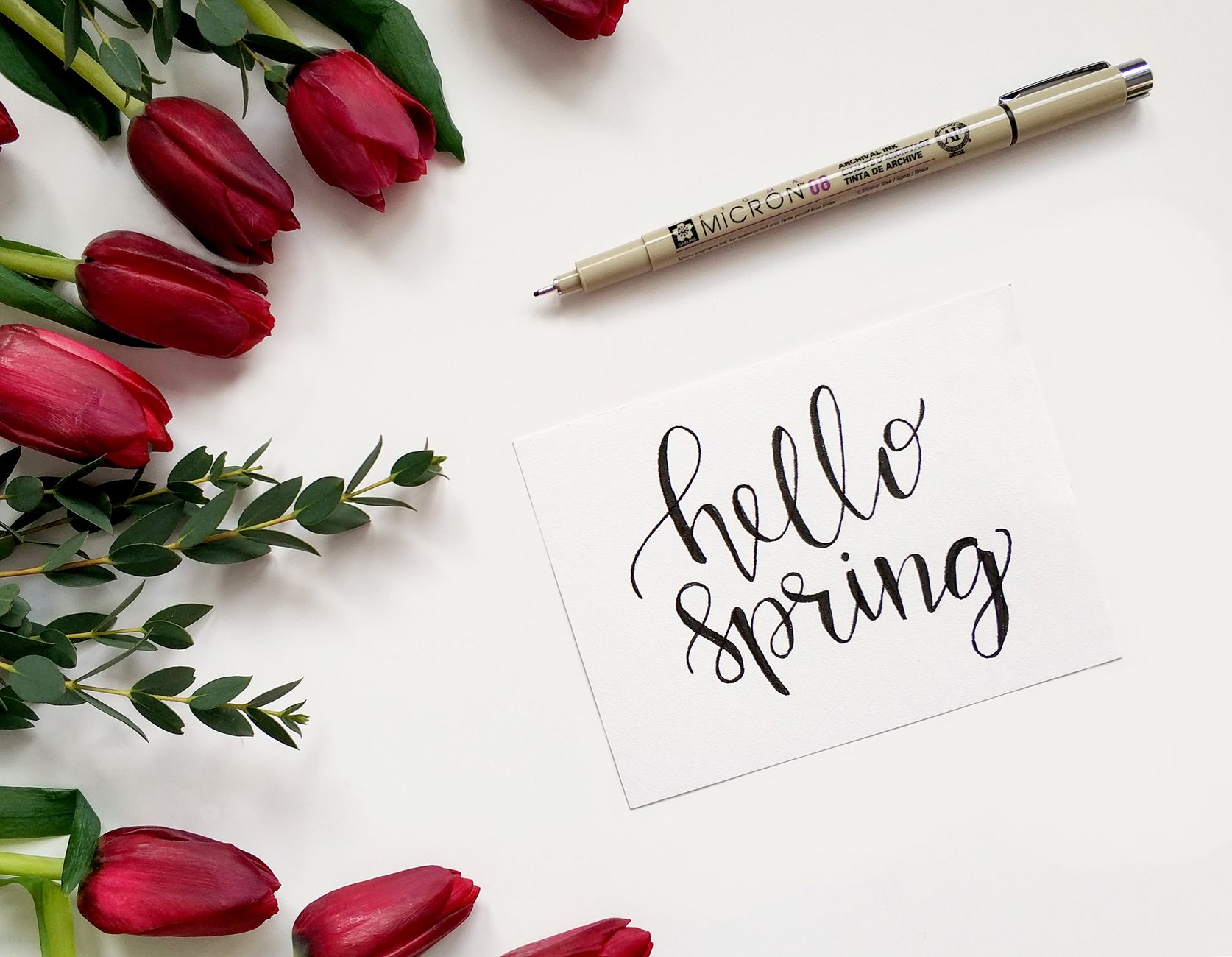
The Sakura Pigma Micron 0.5mm is a different beast entirely. It’s an archival ink pen, meaning the ink is fade-resistant and waterproof once dry. This makes it perfect for outlining, sketching, and adding fine details that you want to last. Its 0.5mm tip is significantly finer than the G2's 0.7mm, allowing for much more precise lines. I use my black Micron 0.5mm for creating my spreads – drawing boxes, creating habit tracker grids, lettering titles, and adding decorative elements. The crisp, clean lines it produces are essential for a visually appealing and organized layout. If you’re aiming for that Pinterest-worthy aesthetic with sharp edges and delicate drawings, the Micron is your go-to.
I distinctly remember trying to draw a detailed monthly calendar grid with a thicker pen, and the result was messy. The lines bled into each other, and the overall impression was far from neat. Switching to the Micron 0.5mm changed everything. For a typical monthly spread covering 31 days, with each day's box measuring approximately 4cm x 4cm and containing space for 3-4 bullet points, I can draw all the grid lines and titles in about 25-30 minutes. The ink flow is incredibly consistent, and the pigment is a deep, rich black that stands out beautifully against white or cream paper. While the G2 is for writing, the Micron is for crafting the structure and artistry of your journal pages. It’s also my preferred pen for any illustrations or hand-lettering, as the fine tip allows for incredible control and detail, something the G2 simply can’t match.
Ink Flow and Consistency: A Tale of Two Technologies
The most significant difference lies in their ink delivery systems. The Pilot G2 uses a gel ink formula, which is thicker and more viscous than the pigment-based ink found in the Sakura Pigma Micron. This gel ink provides that signature smooth, almost buttery glide that many of us love. However, because it’s a gel, it can sometimes be prone to skipping if the pen is held at an odd angle or if the ink level is low. I’ve experienced this firsthand; if I’m rushing and writing at a sharp angle, I might get a faint skip in a word. It’s usually easily rectified by a quick scribble, but it’s something to be aware of. The G2’s consistency is generally excellent, but it’s not quite as unwavering as the Micron.
Sakura’s Pigma ink, on the other hand, is a pigment-based ink. This means the color particles are suspended in a liquid, creating a very stable and consistent line. The Micron’s ink flow is incredibly reliable. Whether I’m drawing a long, unbroken line or a series of short dots, the ink lays down precisely as expected. This consistency is paramount for technical drawing and detailed work. I’ve tested my Micron 0.5mm against water after drying, and it truly is waterproof, unlike the G2’s ink which can smudge if it gets wet. For my habit trackers, where I’m filling in boxes daily with a checkmark or a colored dot, the Micron’s unwavering line ensures my tracker looks neat and professional, even months down the line. This reliability comes from the Pigma ink's archival quality, a significant advantage for longevity.
This reliability comes from the Pigma ink's archival quality, a significant advantage for longevity.
Tip Durability and Writing Experience
The Pilot G2 0.7mm tip is a tungsten carbide ball, a standard for many gel pens. It's robust enough for daily use and provides a comfortable writing experience on most paper types. The 0.7mm size means it has a bit of give, making it feel less scratchy on textured paper compared to finer tips. However, if you apply too much pressure, especially on rougher paper, you can sometimes feel the ball slightly, leading to a less smooth sensation. I’ve noticed this when journaling directly onto thicker, more textured paper. The tip itself is quite durable and generally holds its shape well over time, even with vigorous use. I’ve never had a G2 tip deform or break on me, which is a testament to its build quality for its price point, typically around $2.50-$3.00 per pen.
The Sakura Pigma Micron 0.5mm features a fine fiber tip. This type of tip is designed for precision. It's firm and doesn't flex much, which is what allows for such sharp, consistent lines. This firmness means you have to be mindful of the paper you’re using. On very smooth paper, it glides beautifully. On rougher, toothier paper, you might feel a slight drag or scratchiness if you press too hard. I learned this the hard way when I tried using a Micron on a very cheap, rough notebook – the tip felt like it was catching, and I worried about damaging it. However, on standard journal paper (like that found in Leuchtturm1917 or Archer & Olive journals, which typically weigh around 100gsm), it performs exceptionally well. The durability of the fiber tip is excellent for its intended purpose; it maintains its fine point for thousands of words, provided you use it with the appropriate pressure and on suitable paper. A single Micron pen can last me 3-6 months depending on usage, which, considering its price of around $3.00-$3.50, is quite economical for its quality.
Smudging and Drying Time: A Left-Hander's Perspective
As a left-handed writer, smudging is a constant battle, and this is where the Pilot G2 0.7mm shows its strengths and weaknesses. The gel ink, while smooth, takes a bit longer to dry than traditional ballpoint ink. For me, a typical drying time is around 5-10 seconds. This means if I’m writing quickly and my hand immediately follows the pen tip, I can still get some smudging, especially on glossy paper or if I’ve written a dense block of text. However, compared to many other gel pens I’ve tried, the G2 is relatively good. I’ve learned to adopt a slight pause or adjust my writing angle to minimize this. For quick notes or less dense journaling, the smudging is rarely an issue. If I’m filling in a daily log with only a few sentences, the ink is usually dry by the time my hand moves on.
The Sakura Pigma Micron 0.5mm, with its pigment ink, generally dries faster than the G2. I’d estimate the drying time to be around 2-5 seconds. This is a significant advantage for lefties. The ink seems to sink into the paper more readily, reducing the chance of your hand dragging through wet ink. I find that I can comfortably write a full sentence or draw a detailed section without worrying about smearing. This faster drying time is one of the primary reasons I prefer the Micron for drawing layouts and lettering. When I'm doing a detailed weekly spread, I can draw the boxes, write in the days of the week, and then immediately start filling in appointments or tasks without fear of creating an inky mess. This speed and reliability are invaluable for keeping my journaling process efficient and frustration-free.
This speed and reliability are invaluable for keeping my journaling process efficient and frustration-free.
Budget and Availability: Practical Considerations
The Pilot G2 series is renowned for its accessibility and affordability. You can find a single Pilot G2 0.7mm pen for roughly $2.50 to $3.00 at most office supply stores, supermarkets, and online retailers like Amazon. They are also frequently sold in multi-packs, often containing 5-10 colors, which can bring the per-pen cost down to $1.50 or even less. This makes them an extremely budget-friendly option for everyday use. If you lose one or run out of ink, replacing it is simple and doesn't break the bank. For students or those on a tight budget, the G2 is an excellent choice that doesn't compromise too much on quality. I personally buy them in packs of 10 or 12 black pens at a time, knowing I’ll use them all within a few months.
Sakura Pigma Microns are also widely available, both online and in art supply stores. However, they tend to be slightly more expensive per pen, typically ranging from $3.00 to $3.50 for a single 0.5mm black pen. They are less commonly found in multi-color packs geared towards general writing, and more often sold individually or in sets focused on specific line weights (e.g., a set of 6 fine liners). While the initial cost per pen is a bit higher, the archival quality and durability mean they can last longer if treated well. For someone who uses them extensively for outlining and detailed work, the cost is justified by the performance. I often buy them individually as needed, or invest in a set of various Micron sizes (01, 03, 05, 08) for different artistic and planning needs, which can cost anywhere from $20 to $40.
Which Pen Reigns Supreme for YOUR Planning?
So, after all this, which pen is “supreme”? The truth is, they both are, but for different jobs. If your primary need is smooth, comfortable writing for journaling, note-taking, or filling in daily logs, the Pilot G2 0.7mm is likely your champion. Its bold line, comfortable grip, and affordable price make it an unbeatable everyday pen. I use it for the bulk of my writing, and it’s the pen I’d recommend to anyone just starting out or looking for a reliable workhorse. It’s the pen that gets the words down, clearly and consistently, for the majority of my daily planning entries. For a typical 2-page daily spread with around 250 words, I can complete the writing in about 12-15 minutes.
However, if your planning style involves intricate layouts, detailed trackers, hand-lettered titles, or any kind of drawing and illustration, the Sakura Pigma Micron 0.5mm is the undisputed winner. Its fine, consistent line, archival ink, and quick drying time make it perfect for creating clean, professional-looking spreads that stand the test of time. I use my Micron for drawing all the boxes, lines, and decorative elements in my weekly and monthly spreads, and for any lettering. It’s the pen that brings structure and artistry to the page. For a complex weekly spread with multiple trackers and detailed notes, I might spend 45-60 minutes on the layout and lettering alone with the Micron, before even starting to write the content with my G2. Ultimately, the best approach is to have both: the G2 for writing and the Micron for drawing and detailing. This combination has served me incredibly well for years, allowing me to create journals that are both functional and beautiful.
Small changes, real momentum
Get practical guides and templates you'll actually use — a few thoughtful emails a month.
Frequently Asked Questions
Can I use the Pilot G2 0.7mm for outlining my spreads?
While you *can* use the Pilot G2 0.7mm for outlining, it’s generally not ideal if you’re aiming for crisp, precise lines. The 0.7mm tip is relatively broad and the gel ink can sometimes bleed slightly on thinner paper, making fine details look fuzzy. For outlining, the Sakura Pigma Micron 0.5mm or even a finer Micron (like the 03) is a much better choice for achieving sharp, clean edges. I tried outlining a monthly calendar with a G2 once, and the numbers in the boxes looked a bit smudged and less defined than I wanted.
Is the Sakura Pigma Micron 0.5mm good for journaling long entries?
The Sakura Pigma Micron 0.5mm is excellent for journaling, especially if you appreciate a fine, consistent line. However, if you tend to write very large or in dense paragraphs, the 0.5mm tip might feel a bit slow or slightly scratchy on certain papers compared to the smoother glide of the G2's 0.7mm. I find it perfect for shorter entries, daily logs, or when I want my handwriting to look particularly neat. For very long, free-flowing journal entries, I often switch to a G2 0.7mm or even a G2 1.0mm for a bolder, faster writing experience. The Micron's archival ink is a huge plus for preserving your thoughts.
Which pen is better for coloring or adding artistic elements?
For coloring and artistic elements, the Sakura Pigma Micron is the clear winner. Its fine, consistent line is perfect for outlining drawings, adding details to illustrations, or creating patterns. While the Pilot G2 comes in many colors, its ink is not archival and can smudge if not completely dry. For coloring within the lines of a drawing, a Micron is essential for precision. If you want to add watercolor washes or markers over your linework, the Micron's waterproof ink ensures your lines won't bleed, which is a crucial feature for mixed media work. I often use a Micron 05 to outline my doodles before filling them in with Tombow Dual Brush Pens.
Related Posts

Related Posts
Your Weekly Dose of Inspiration
Journaling ideas, family tips, and gentle inspiration.
Love this content?
Join the BulletJournals.net community for exclusive tips, guides, and updates.
Subscribe Free