- In This Article
- Key Takeaways
- Day 1: Foundation & Future Log
- Day 2: Monthly Log & Trackers
- Day 3: Weekly Spread Setup
- Day 4: Collections & Brain Dump
- Day 5: Indexing & Migration
- Day 6: Test Run & Adjust
- Day 7: Personalization & Review
- Supplies Deep Dive
- Time & Maintenance Estimates
- Real-Life Variations That Worked
- Printable Option
- How long does a bullet journal typically last?
- Can I use a regular notebook instead of dotted?
- What if I miss a day or fall behind?
- Related Articles
- Related Posts
- Related Posts
- Related Posts
- Related Posts
- I'm not artistic at all. Can I still start a bullet journal?
- How much time will this bullet journal setup really take?
- What's the most important page to set up first?
- What if I mess up a page or make a mistake?
Disclosure: This post contains affiliate links. If you click through and make a purchase, we may earn a small commission at no extra cost to you. Thank you for supporting this site!
Ever feel like your life is scattered across sticky notes, phone reminders, and mental to-do lists that vanish by breakfast? You're not alone—I've filled 23 bullet journals over the past six years, and the biggest game-changer wasn't a fancy pen collection (though that helps!) but nailing a solid one-week setup system. Most guides either overwhelm you with perfectionist spreads or skip the real-world time commitment. We're going to build a functional, beautiful Bullet Journal That Actually Sticks”>journal foundation in just seven days, using 15-minute daily sessions that actually stick. No artistic pressure, no marathon crafting—just smart, measurable progress.
5 min read
In This Article
Key Takeaways
- Day 1: Foundation & Future Log
- Day 2: Monthly Log & Trackers
- Day 3: Weekly Spread Setup
- Day 4: Collections & Brain Dump
Day 1: Foundation & Future Log
Start with a blank notebook—I use a Leuchtturm1917 A5 dotted because its 249 pages and pre-numbering save hours. Grab a ruler, pencil, and your black Micron 05 pen. Open to the first two-page spread. Measure exactly 1.5 inches from the top edge and draw a horizontal line across both pages. Below it, divide the space into 12 equal rectangles (about 1.75 inches tall each) for months. Label each box January through December. This Future Log holds birthdays, trips, and big deadlines—it’s your year-at-a-glance anchor. I learned the hard way: skipping pencil guidelines leads to wavy months! Time: 20 minutes.

Use your Tombow Dual Brush Pen in a light gray (N95) to add subtle month headers or tiny icons. Avoid dark colors here—they bleed through thin pages. Pro tip: leave two blank pages after this spread for indexing later.
Pro tip: leave two blank pages after this spread for indexing later.
Day 2: Monthly Log & Trackers
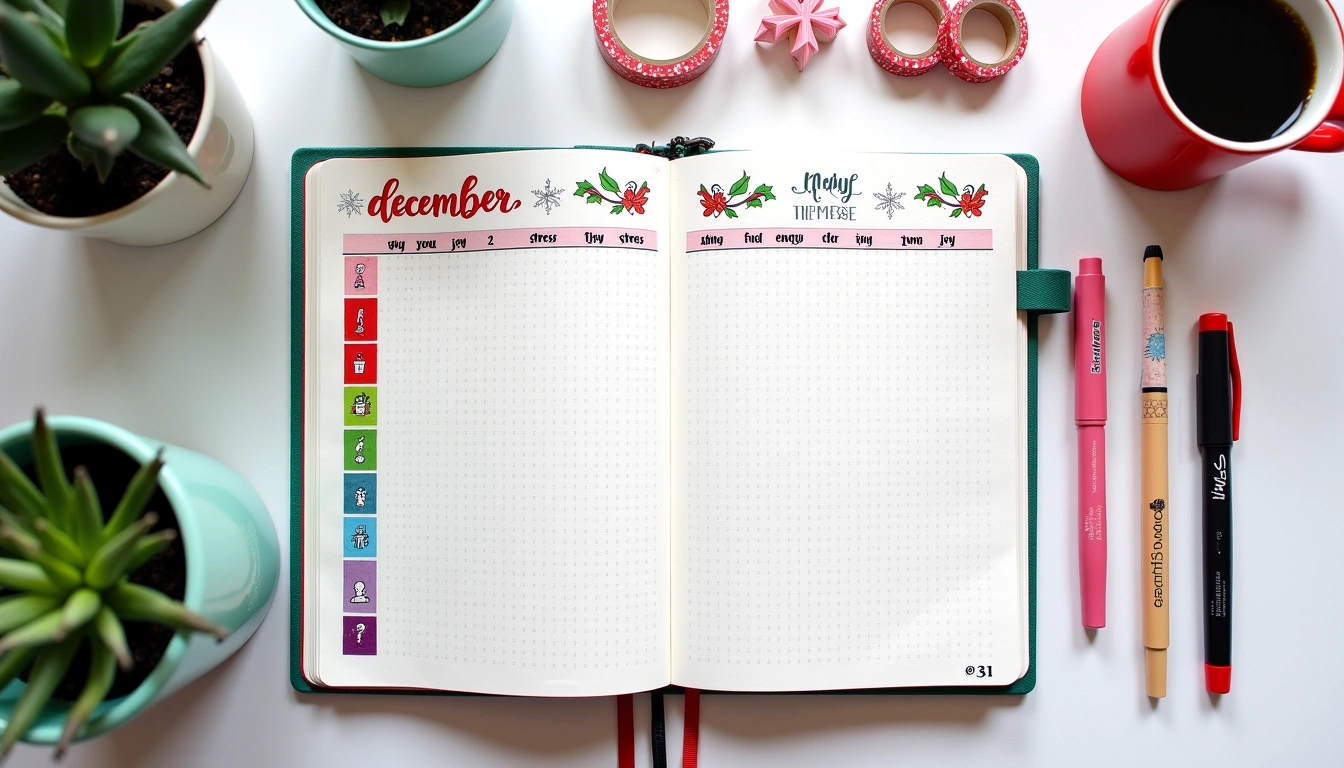
Flip to a fresh spread. On the left page, list dates 1-31 down the left margin, with days of the week abbreviated beside them (e.g., 1 Mon). This is your calendar view. On the right page, create three sections: Habits (3-5 key ones like water intake, meditation), Expenses (columns for Date, Item, Amount), and Goals (three monthly targets). I use a 0.3mm mechanical pencil for grids—boxes are 5x5mm. My first attempt used oversized trackers and I quit by day 10! Time: 15 minutes.
Test pens on a back page first: Tombow Dual Brush Pens work for headers, but Micron 05 is your workhorse for tiny writing. Staedtler fineliners are a budget-friendly alternative.
Day 3: Weekly Spread Setup
This is where the magic happens. Turn to a new spread. Divide the left page into seven sections (one per day) using vertical lines. Each day box should be about 2 inches wide. Label days at the top. On the right page, create a “Tasks” column (1.5 inches wide), a “Notes” section (3 inches), and a mini habit tracker grid (5 rows, 7 columns). I originally tried elaborate doodles but spent more time decorating than doing! Time: 12 minutes.
Use a mildliner in pastel yellow to highlight overdue tasks or priorities. Keep it simple—this spread gets heavy use.
Day 4: Collections & Brain Dump
Collections are your topic-specific pages. Dedicate 2-4 pages after your weekly spread. Start with a “Brain Dump”: just rapid-fire list everything on your mind—unfinished tasks, ideas, worries. Then create collections like “Books to Read” or “Home Projects”. I use a Tombow Fudenosuke brush pen for titles here—its firm tip is easier for beginners than the Dual Brush. Time: 10 minutes.
Number these pages bottom-right as you go. Leuchtturm’s pre-numbering helps, but if you’re using a blank notebook, do it now to avoid indexing chaos later.
Day 5: Indexing & Migration
Turn to those blank pages after your Future Log. Title it “Index”. List each spread’s topic and page number (e.g., “Future Log: pp. 2-3”). Now, migrate unfinished tasks from your brain dump to your weekly spread. This step felt tedious until I realized it cuts mental clutter by 80%. Time: 18 minutes.
Use washi tape on page edges to mark key sections—I use gold for monthly logs, blue for weeklies. Scotch brand removable tape won’t damage pages.
Scotch brand removable tape won’t damage pages.
Day 6: Test Run & Adjust
Use your journal all day. Carry it around, jot tasks, check off habits. Notice what works: Maybe your habit boxes are too small? Adjust tomorrow’s spread accordingly. I redid my weekly layout three times before landing on the right balance of space. Time: 5 minutes (active use).

Keep a correction pen handy—Mono Sand Eraser works well on Leuchtturm paper. Embrace mistakes; they’re proof you’re using it!
Day 7: Personalization & Review
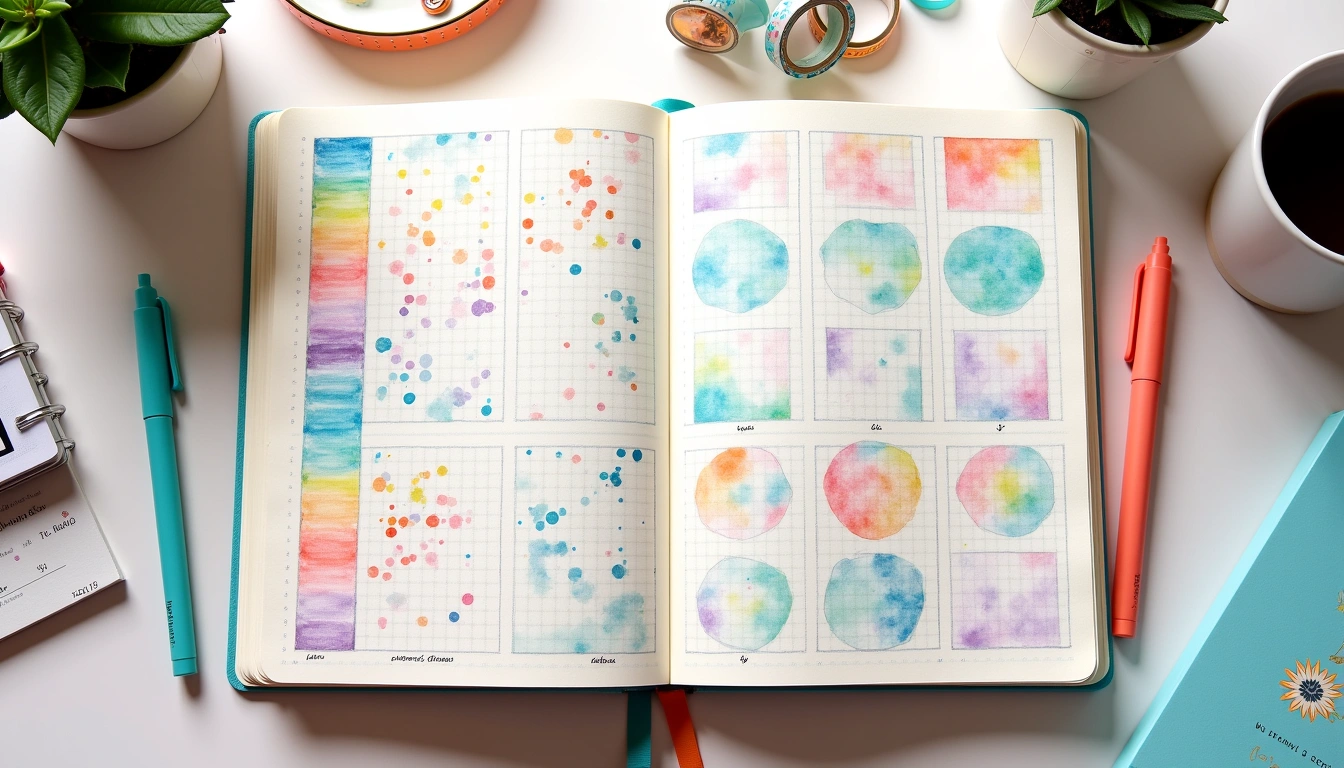
Add one fun element: a gratitude log, mood tracker, or doodle border. Use Tombow Dual Brush Pens for color blocks—they blend beautifully. Review the week: What tasks migrated repeatedly? Maybe they belong in a collection instead. Time: 15 minutes.
Snap a photo of your favorite spread. Sharing it online (#bulletjournal) builds accountability—and our community loves seeing real setups, not just Pinterest perfection.
Supplies Deep Dive
You don’t need expensive tools, but these save time:
- Leuchtturm1917 A5 dotted notebook ($20): 249 pages, ink-resistant paper, back pocket.
- Micron 05 Pen ($3 each): Precise, no bleed-through. 05 size is ideal for daily writing.
- Tombow Dual Brush Pens ($2.50 each): Blendable, great for headers. Start with grays (N95) and one accent color.
- Staedtler Triplus Fineliners ($10/set): Budget alternative, 0.3mm tip.
- Ruler with metal edge: Prevents slipping while drawing lines.
Skip calligraphy kits initially—they’re distracting when you’re learning the system.
Time & Maintenance Estimates
Weekly setup drops to 8-10 minutes once you’ve mastered measurements. Monthly migration (moving unfinished tasks) takes 5 minutes. I spend 2 minutes nightly reviewing the next day. Total weekly active journal time: ~25 minutes. Far less than scrolling through Instagram!
Every 3 months, review collections—archive or discard outdated ones. This keeps your journal relevant and lightweight.
Real-Life Variations That Worked
Not a morning person? Try an evening-focused spread with “Tomorrow’s Top 3” section. Digital hybrid? Use Google Calendar for events but keep tasks/journaling analog. Traveling light? Mini Composition notebooks ($2) work with a shortened weekly layout. I used one during a two-week trip and it held up perfectly.
Students: Add a class schedule column and assignment due dates. Parents: Meal planning and kid activity trackers fit neatly in the notes section.
Printable Option
If freehand drawing stresses you out, we offer a free printable guide with measured templates for each spread. Print it at 100% scale on A5 paper, cut, and glue into your notebook. Includes pen testing swatches and layout alternatives. Grab it at bulletjournals.com/printables—no email required.
Your bullet journal should work for you, not the other way around. Start with this seven-day framework, then tweak relentlessly. Share your first spread with us using #BJSetupWeek—we feature real journals every Friday. Remember, my messiest, most-used journals are the ones that actually changed my life, not the pristine ones that gathered dust. Now go make some purposeful mess!
How long does a bullet journal typically last?
Most A5 journals last 4-6 months with daily use. My current Leuchtturm1917 started January 1 and will fill by late May—that’s 124 pages of weekly spreads, collections, and trackers. Dense writers might need 3 months; minimalists can stretch to 8.
Can I use a regular notebook instead of dotted?
Absolutely! Lined notebooks work well—just use the lines as horizontal guides. Blank notebooks offer flexibility but require a ruler for straight lines. I’ve used Moleskine lined journals when dotted was sold out, and it functioned perfectly.
What if I miss a day or fall behind?
Skip the guilt—just draw a quick line through the missed day and start fresh on the current date. I’ve abandoned entire weeks before! Migration is your best friend: move unfinished tasks to the new spread and keep going. Consistency beats perfection every time.
Small changes, real momentum
Get practical guides and templates you'll actually use — a few thoughtful emails a month.
Related Posts






Related: Bullet Journal: Best Pens for Bullet Journaling in 2026 – Smooth & Reliable
Related Posts
Related Posts
Related Posts
I'm not artistic at all. Can I still start a bullet journal?
Absolutely! The beauty of this system is that it's about function first. We focus on a solid, one-week setup with zero artistic pressure. You just need a notebook and a pen. The goal is to organize your life, not create a masterpiece. A simple, clean layout is often more effective and sustainable than something overly elaborate.
How much time will this bullet journal setup really take?
We've designed it to be manageable for anyone. The guide breaks it down into 15-minute daily sessions over just one week. This prevents feeling overwhelmed and helps you build a lasting habit. It's not about a marathon crafting weekend, but consistent, small steps that add up to a fully functional journal.
What's the most important page to set up first?
Your Future Log is the essential anchor. It's the very first thing you create, giving you a year-at-a-glance for big events like birthdays, trips, and deadlines. Getting this foundation right makes planning the rest of your journal—like monthly and weekly spreads—much smoother and more cohesive.
What if I mess up a page or make a mistake?
Don't worry! It happens to everyone. That's why we recommend starting with a pencil for guidelines. The bullet journal philosophy embraces imperfection. You can simply cross it out and keep going, or turn the page and start fresh. The goal is progress, not perfection. Your journal is a tool for you, not a museum piece.
✨ Our Recommendation
Editor's Pick: A leuchtturm1917 journal is the essential dot grid notebook.
Your Weekly Dose of Inspiration
Journaling ideas, family tips, and gentle inspiration.
Love this content?
Join the BulletJournals.net community for exclusive tips, guides, and updates.
Subscribe Free