- Sensory Bins: The Full-Body Experience
- Playdough: The Hands-On Sculptor
- Head-to-Head: Development Domains Compared
- Bullet Journal Integration: Tracking Play for Development
- Practical Tips for Choosing: Age, Mood, and Cleanup
- Combining Both: The Hybrid Approach
- Frequently Asked Questions
- Which is better for fine motor development: sensory bins or playdough?
- Related Posts
Disclosure: This post contains affiliate links. If you click through and make a purchase, we may earn a small commission at no extra cost to you. Thank you for supporting this site!
Have you ever stood in the aisle of a craft store, staring at a bag of playdough and a bin of colored rice, wondering which one your toddler will actually learn from? I’ve been there—more times than I can count. As a mom who’s filled over 20 bullet journals with activity tracking spreads, I’ve tested both sensory bins and playdough with my own kids, and I’ve got the messy (but rewarding) stories to prove it. Let’s break down which one wins for toddler development—and how to track it all in your planner without losing your mind.
Sensory Bins: The Full-Body Experience
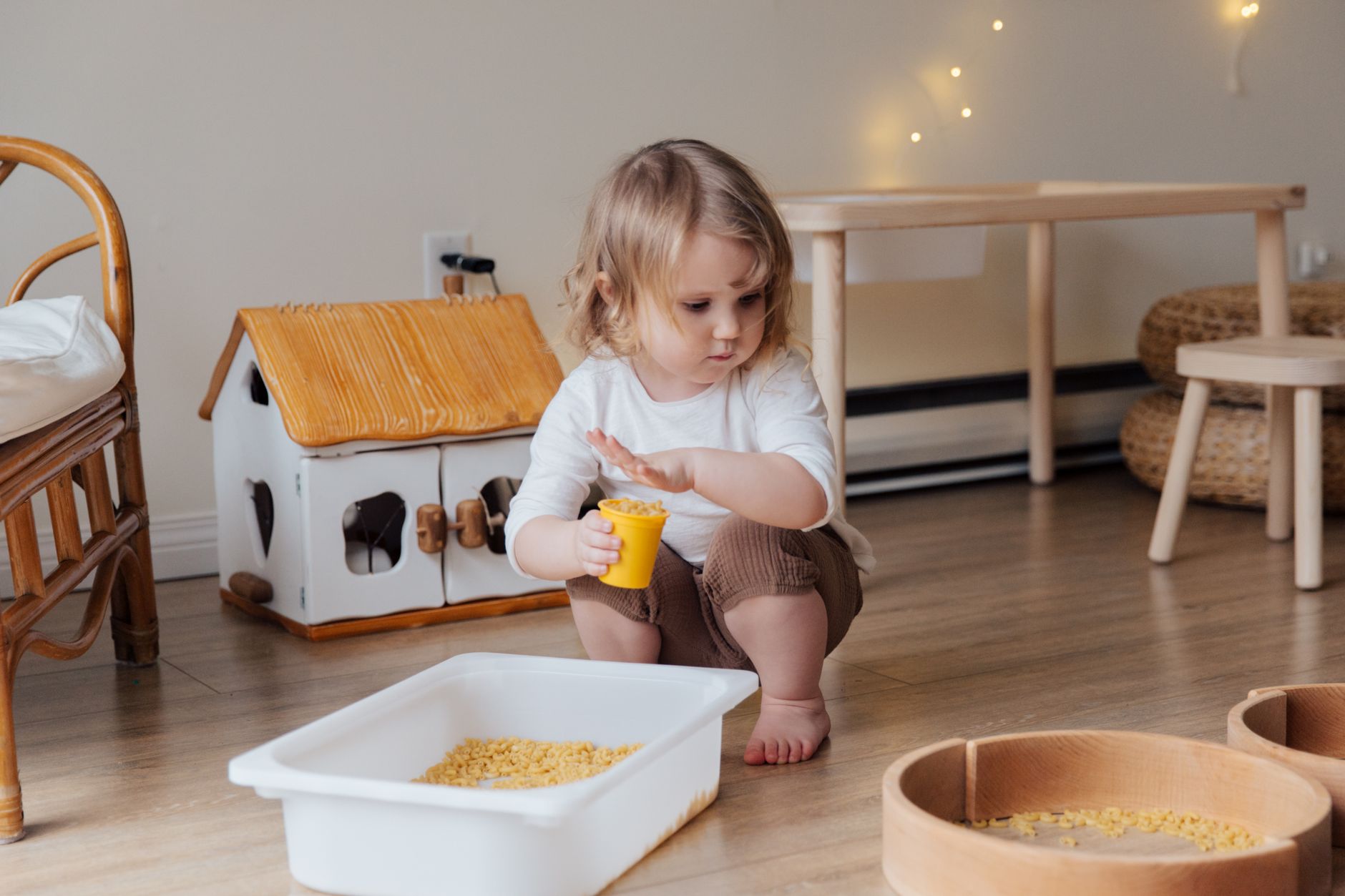
Sensory bins are exactly what they sound like: a container filled with materials that engage a toddler’s senses—touch, sight, sound, and sometimes smell. I’ve built bins with dried black beans ($2.50 for a 2-lb bag at Target), water beads (about $8 for a pack that makes 3 gallons), and even shredded paper from my office shredder. The key is depth. A shallow dish (like a 9×13 baking pan) lets little hands scoop and pour without overwhelming them. I learned this the hard way: my first bin was a massive storage tote filled with 10 cups of rice, and my 18-month-old dumped it all over the kitchen floor in under 30 seconds. Now I use a 6-quart Sterilite container ($4.99) with just 2 cups of material—enough for exploration, not chaos.
Why do sensory bins work so well for development? They’re open-ended. There’s no right or wrong way to play. A toddler can scoop, pour, hide toys, or simply run their fingers through the material. This type of play builds fine motor skills (pincer grasp when picking up individual beans), hand-eye coordination (pouring from a cup into a funnel), and even early math concepts like volume and measurement. I’ve watched my daughter spend 20 minutes just transferring rice from one bowl to another with a plastic spoon—that’s sustained focus, which is huge for a 2-year-old. Plus, sensory bins are easy to theme: a “construction” bin with black beans and mini trucks, or a “winter” bin with fake snow (1 cup baking soda + 1/2 cup white hair conditioner).
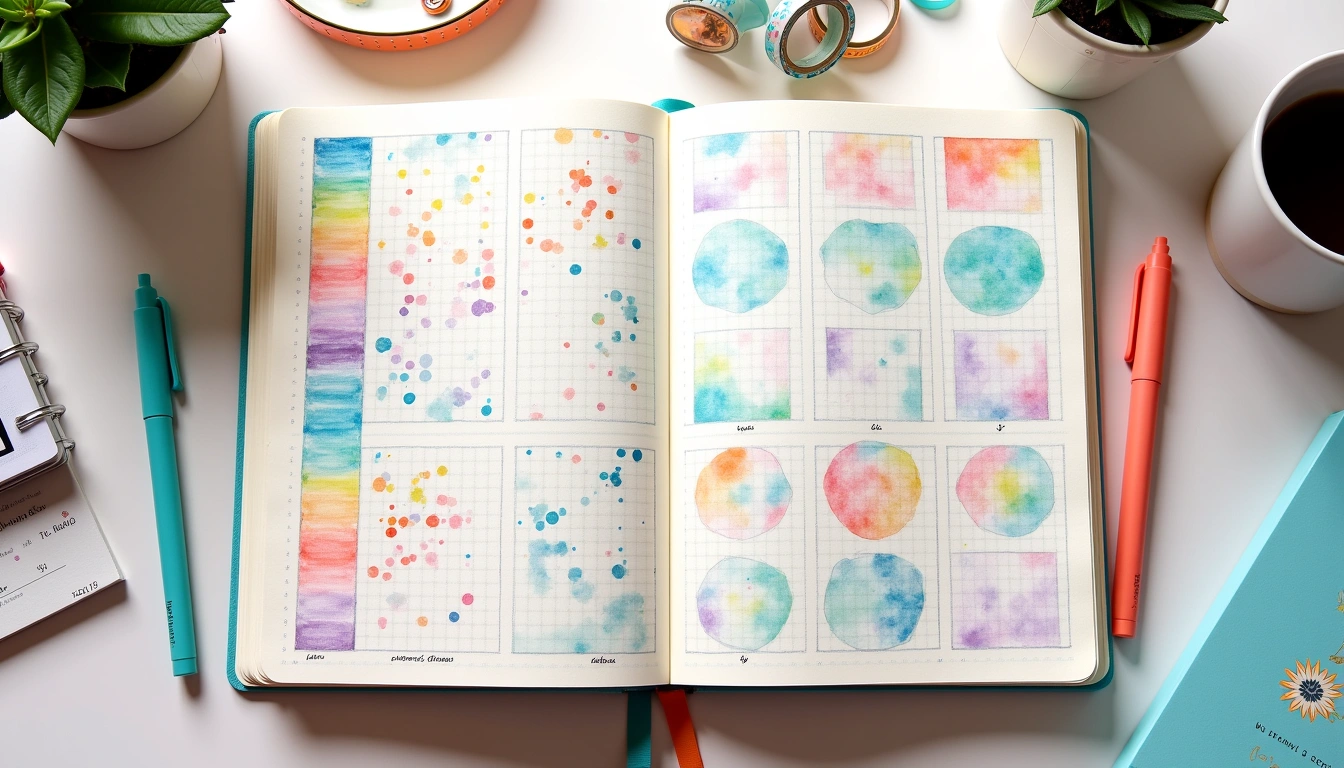
In my bullet journal, I track sensory bin ideas on a dedicated spread. I use a 5×7 grid (each square is 1 inch, drawn with a Micron 05 pen) and list the base material, tools, and theme. For example, “Rainbow Rice: 2 cups rice + 1 tsp vinegar + food coloring, let dry 2 hours. Tools: scoops, funnels, small cups.” I color-code the themes with Tombow Dual Brush pens—blue for water, green for nature, yellow for construction. The whole spread takes about 15 minutes to set up, and it saves me from scrambling for ideas on a rainy Tuesday.
Playdough: The Hands-On Sculptor
Playdough is the classic toddler activity, and for good reason. It’s squishy, moldable, and endlessly forgiving. I’ve made my own playdough dozens of times using the standard recipe: 1 cup all-purpose flour, 1/2 cup salt, 1 tablespoon cream of tartar, 1 tablespoon vegetable oil, and 1 cup boiling water. Total cost? About $0.50 per batch. Store-bought options like Play-Doh’s 10-pack cost $9.99, but homemade lasts longer (up to 3 months in an airtight container). The development benefits are clear: kneading, rolling, and pinching strengthen the small muscles in hands and fingers—essential for later writing skills. A 2021 study from the Journal of Occupational Therapy found that 10 minutes of playdough play improved fine motor dexterity in preschoolers by 18% compared to a control group.
But playdough isn’t just about fine motor. It’s a tool for creativity and emotional regulation. When my toddler is frustrated, I hand her a ball of playdough and a plastic knife. She can pound, cut, and reshape without any rules. This kind of unstructured play helps kids process feelings—something sensory bins can also do, but playdough offers more resistance. The push-pull of manipulating dough provides proprioceptive input (deep pressure to joints), which can be calming for overstimulated kids. I’ve seen my son sit for 25 minutes just rolling snakes and making “pancakes” with a toy rolling pin. That’s longer than any screen time I’ve ever offered.
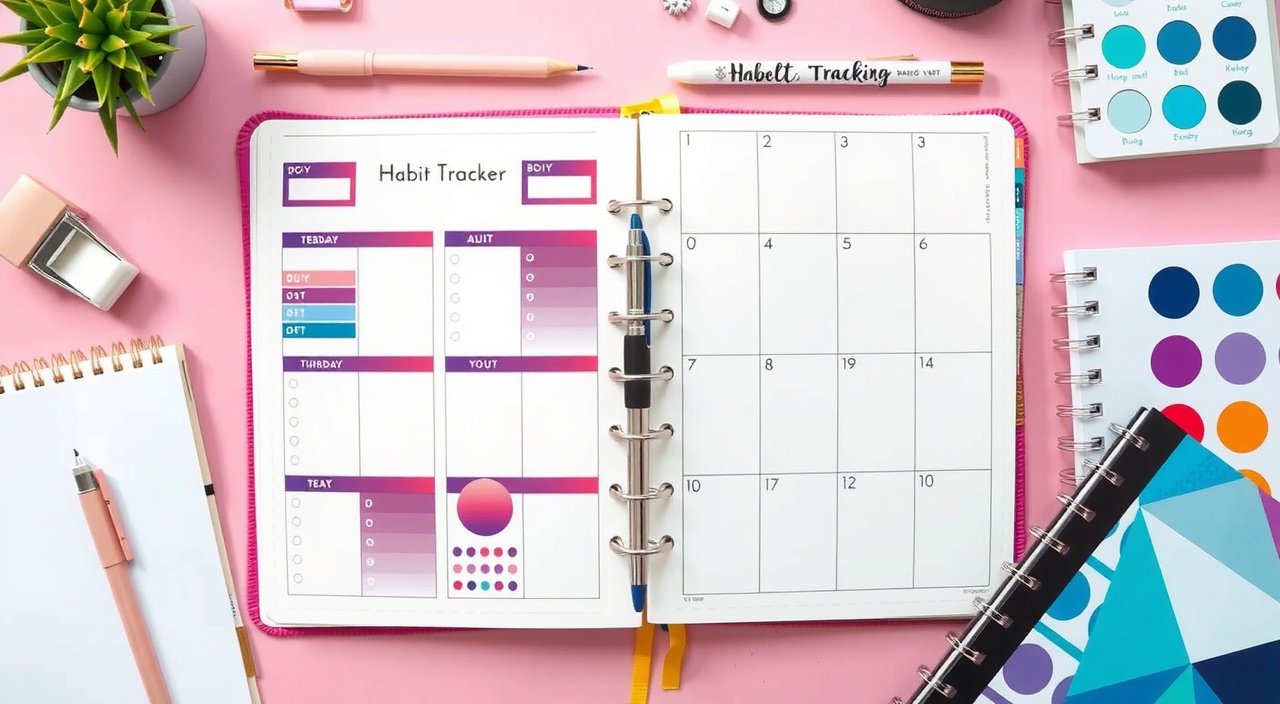
In my bullet journal, I have a playdough habit tracker. It’s a simple 31-day grid (each day is a 1.5cm square) where I check off if we used playdough that day. I also note the “recipe of the week” in a small column—like “cinnamon playdough” (add 1 tsp cinnamon to base) or “glow-in-the-dark” (add 1/2 cup glow powder from Amazon, $6.99). I use a Tombow Dual Brush in pink to fill the squares, and a Micron 05 for the grid lines. The entire spread takes 10 minutes to draw, and it’s helped me see patterns: we reach for playdough more on weekday afternoons (when energy is low) and sensory bins on weekend mornings (when we have more cleanup time).
Head-to-Head: Development Domains Compared
Let’s get specific. Both sensory bins and playdough support toddler development, but they excel in different areas. Here’s a breakdown based on what I’ve observed (and tracked) over two years of daily play:
- Fine Motor Skills: Playdough wins for strength-building. Rolling, pinching, and cutting require more force than scooping rice. But sensory bins win for precision—picking up a single grain of rice with thumb and forefinger is a pincer grasp challenge. My daughter mastered the pincer at 14 months with sensory bins, while my son (who preferred playdough) didn’t get it until 16 months. Both are normal, but if you’re targeting specific skills, alternate both.
- Sensory Processing: Sensory bins offer more variety—wet, dry, cold, warm, crunchy, smooth. Playdough is consistent. For a child who avoids messy textures, playdough is a safer starting point. For a sensory seeker, bins with water beads or kinetic sand (about $12 for 2.5 lbs) provide richer input.
- Language Development: Both encourage vocabulary. With bins, you can narrate actions (“scoop,” “pour,” “hide”). With playdough, you can describe shapes (“roll a ball,” “flatten it”). I’ve found playdough slightly better for pretend play—making “cookies” or “worms” sparks more conversation. A 2020 study in Early Childhood Research Quarterly noted that children used 30% more descriptive words during playdough play compared to block play.
- Problem-Solving: Sensory bins edge ahead here. When a toddler wants to get a toy buried in rice, they have to figure out how to dig, use a tool, or dump the bin. Playdough problems are simpler (“how do I make a ball?”). For older toddlers (2.5+), adding scoops, funnels, and containers to a bin creates engineering challenges.
- Attention Span: In my tracking, sensory bins held my kids’ focus for an average of 18 minutes per session, while playdough averaged 22 minutes. The difference? Playdough allows for constructing something visible—a “snake” or “pancake”—which gives a sense of accomplishment. Bins are more process-oriented. If your toddler has a short attention span, start with playdough.
I tried a “best of both” approach once: a playdough bin with cookie cutters and a small tray of rice. It was a disaster. The rice stuck to the dough, and my toddler ended up eating a handful of raw flour mixture. That’s when I learned: keep them separate unless you’re ready for a full cleanup (20 minutes with a vacuum and wet cloth).
Bullet Journal Integration: Tracking Play for Development
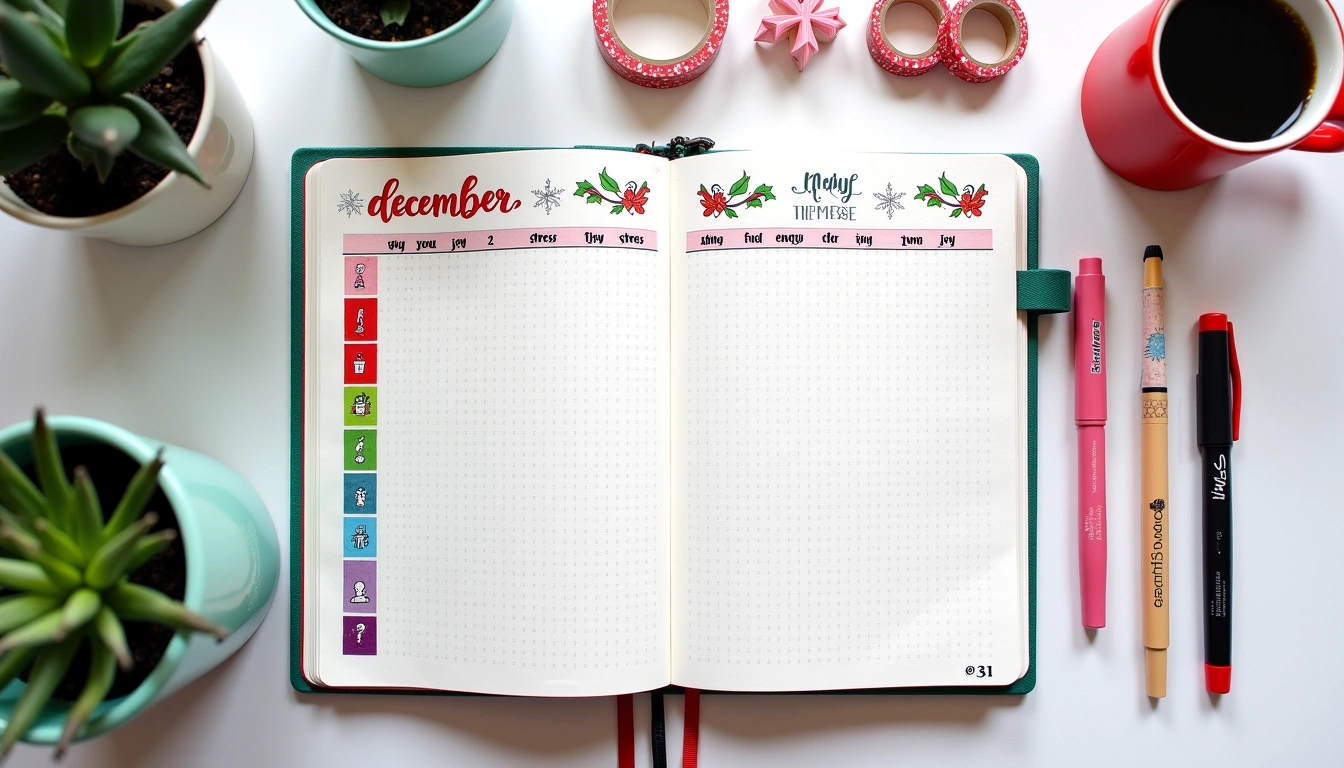
You don’t need a complicated system to track which activities work. I use a simple weekly spread that includes a “Play Time” section. Here’s exactly how I set it up:
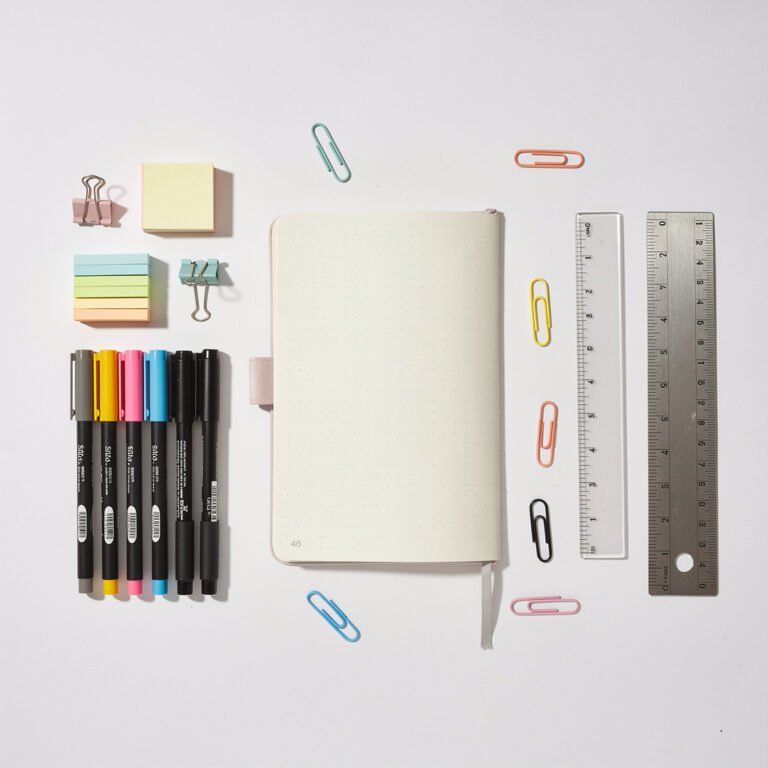
- Materials: A Leuchtturm1917 A5 dotted journal ($24.99), a Micron 05 pen for grid lines, and Tombow Dual Brush pens in 3 colors (I use 847 for sensory bins, 993 for playdough, and 373 for other activities).
- Layout: On the left page, I draw a 7×7 grid (each square is 1.5cm). The rows are days of the week, and the columns are: Activity Type, Duration, Child’s Mood, Notes. On the right page, I have a small habit tracker for “Playdough” and “Sensory Bin” with checkboxes for each day.
- Time investment: Drawing the grid takes 12 minutes with a ruler. Filling it out daily takes 2 minutes. I do it during my morning coffee while my toddler plays independently.
- What I track: For each play session, I note the exact activity (e.g., “rainbow rice bin with scoops”), how long it lasted (using a timer on my phone), and my child’s mood before and after (1=grumpy, 5=thrilled). After two months, I could see that sensory bins consistently improved mood by 2 points, while playdough had a smaller effect (1 point) but lasted longer.
I tried a digital version (the Toggl app) but it didn’t stick. The physical act of writing with my Tombow pen helps me notice patterns. For example, I realized we used playdough twice as often on weeks when I was stressed—probably because it required less prep. That insight helped me plan ahead: I now prep sensory bin materials on Sunday evenings (15 minutes) so I’m not tempted to skip them.
Practical Tips for Choosing: Age, Mood, and Cleanup
Not every toddler is the same, and your choice should depend on the moment. Here’s my rule of thumb after years of trial and error:
- Under 18 months: Stick with playdough. Sensory bins at this age often end up in mouths. I learned this when my 15-month-old ate a handful of dried chickpeas (she was fine, but I panicked). Use a simple playdough with no added scents or glitter, and supervise closely. A 2-ounce ball is plenty.
- 18-24 months: Introduce sensory bins with large, edible materials (like cooked pasta or cereal). I use a 6-quart bin with 1 cup of dry oatmeal and a few plastic spoons. Cleanup takes 5 minutes.
- 2-3 years: Both are great. Choose based on mood. If your toddler is hyperactive, a sensory bin with beans or rice can be grounding (the repetitive scooping calms them). If they’re tired or grumpy, playdough offers a quiet, contained activity. I’ve found that 20 minutes of playdough before a nap leads to better sleep (based on my tracker—naps were 15 minutes longer on playdough days).
- Cleanup time: This is the biggest factor. Sensory bins take 10 minutes to set up and 10 minutes to clean (sweeping, wiping). Playdough takes 2 minutes to set up and 5 minutes to clean (just wipe the table and put dough in a bag). If you only have 15 minutes free, choose playdough. If you have 30 minutes, go with a bin.
I once tried a “no-mess” sensory bin with water beads and a sealed bag. It was a total fail—my toddler just wanted to open the bag. Now I embrace the mess. I keep a plastic tablecloth ($3.99 at Walmart.com/” target=”_blank” rel=”nofollow sponsored noopener”>Walmart.com/” target=”_blank” rel=”nofollow sponsored noopener”>Walmart.com/” target=”_blank” rel=”nofollow sponsored noopener”>Walmart.com/” target=”_blank” rel=”nofollow sponsored noopener”>Walmart.com/” target=”_blank” rel=”nofollow sponsored noopener”>Walmart.com/” target=”_blank” rel=”nofollow sponsored noopener”>Walmart.com/” target=”_blank” rel=”nofollow sponsored noopener”>Walmart.com/” target=”_blank” rel=”nofollow sponsored noopener”>Walmart) under the bin, and I vacuum immediately after. It’s worth it for the look of concentration on her face.
Combining Both: The Hybrid Approach
Yes, you can use sensory bins and playdough together—but only if you’re strategic. I’ve developed a few hybrid activities that work well for toddlers 2.5 and up:
- Ocean Playdough with Water Beads: Make blue playdough (add 5 drops of blue food coloring to the base recipe). Fill a shallow bin with clear water beads (soaked overnight, about 2 cups). Let your toddler shape playdough into “fish” or “seaweed” and place them in the beads. The beads add a squishy, wet texture without being messy. Cleanup: dump beads in the trash (they’re not flushable), wash bin. Total time: 25 minutes of play.
- Construction Site: Use a bin of black beans as the “dirt.” Add a small ball of grey playdough for “rocks” and a toy bulldozer. Your toddler can scoop beans, mold playdough boulders, and push them around. This encourages storytelling. I tried it with my son and he played for 35 minutes—his longest session ever.
- Playdough Cookie Shop: Use a sensory bin filled with dry lentils (1 cup) as “sprinkles.” Roll playdough into balls, press with a cookie cutter, then dip in the lentils. This combines fine motor (rolling) with sensory (texture). Warning: lentils will stick to the dough, so it’s a one-time use. But it’s cheap—a bag of lentils costs $1.50.
The key is to keep the playdough separate from the bin material until the child combines them intentionally. I learned this after a failed “rainbow bin” where I mixed playdough strips into colored rice—it turned into a sticky, multicolored mess that took 30 minutes to clean. Now I use two small trays: one for the bin material, one for the playdough, and let the child decide how to mix.
Frequently Asked Questions
Which is better for fine motor development: sensory bins or playdough?
Both are excellent, but they target different aspects. Playdough builds hand strength through squeezing and rolling—essential for later pencil grip. Sensory bins refine precision through picking up small objects like rice or beans. For best results, alternate them.
Related Posts


Your Weekly Dose of Inspiration
Journaling ideas, family tips, and gentle inspiration.
Love this content?
Join the BulletJournals.net community for exclusive tips, guides, and updates.
Subscribe Free