- Understanding Rainy Day Activity Goals for Toddlers (Ages 2–5)
- Indoor Sensory Play Activities (30–40 Minutes Each)
- Fine Motor Activities & Creative Play (25–35 Minutes Each)
- Building & Construction Activities (35–50 Minutes)
- Imaginative Play & Dramatic Play Stations (40–60 Minutes)
- Organized Activity Stations & Tracking Systems
- Rhythm & Pacing: How to String Together a Full Rainy Day
- Related Articles
- Related Posts
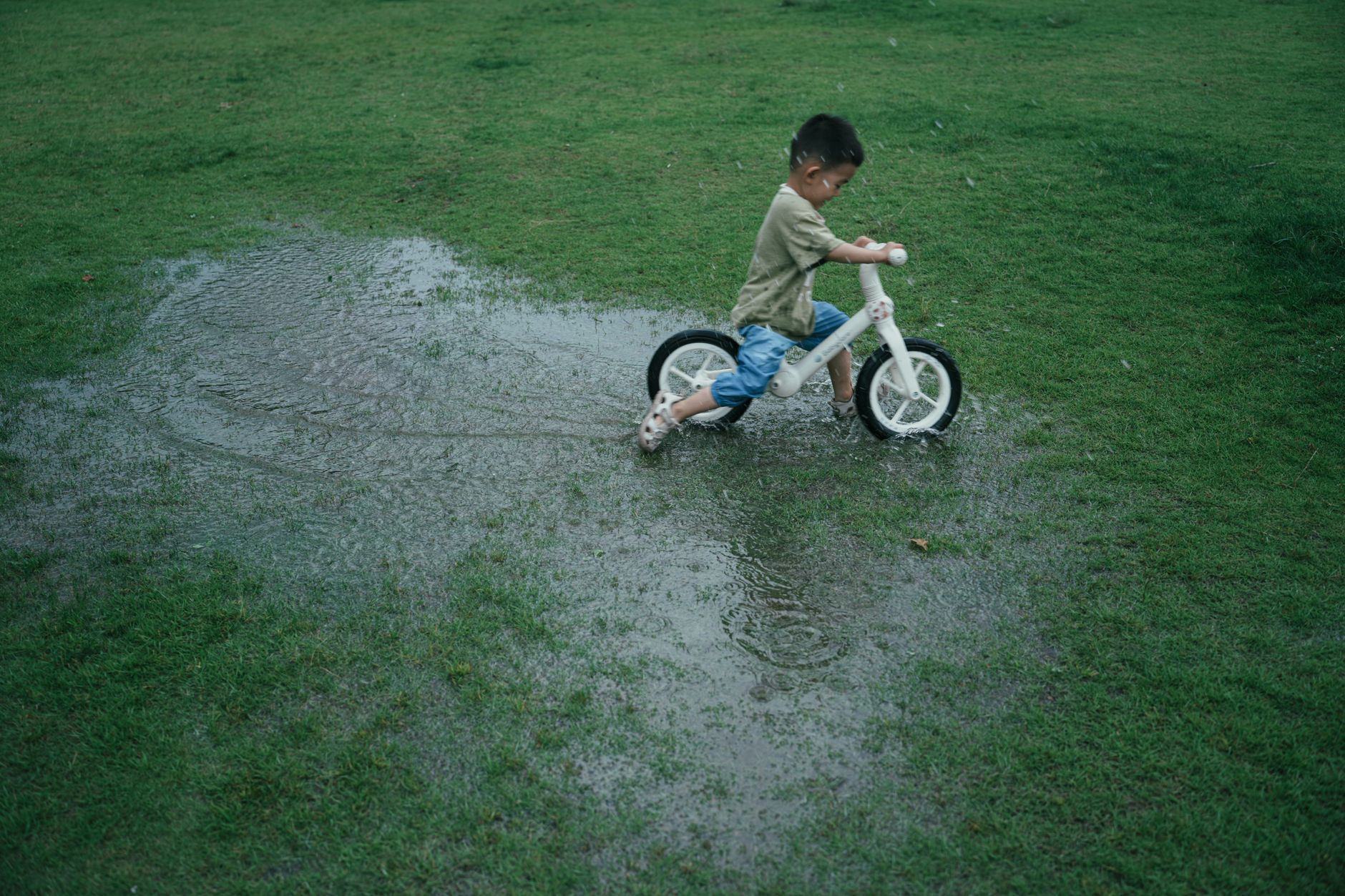
Your toddler has been staring at the rain for the past 20 minutes, and you're officially out of snack ideas. Rainy days with kids ages 2–5 can feel endless—especially when outdoor play isn't an option and screen time limits are already maxed out. But here's what I've learned from filling over 20 family planning journals and tracking activity schedules across four seasons: the best rainy day activities aren't complicated Pinterest masterpieces. They're simple, repetitive enough to hold attention for 30–45 minutes, and require stuff you probably already have in your home. In fact, research from the American Academy of Pediatrics suggests that unstructured indoor play—the kind that doesn't require fancy supplies—actually supports cognitive development better than highly structured activities. This article breaks down the exact activities that work, the specific supplies worth having on hand, and honest notes about what flopped in my own home (like the time I tried an elaborate sensory bin and my 3-year-old just wanted to dump it on the kitchen floor). You'll get time estimates for each activity, layout ideas for organizing supplies, and a realistic framework for stringing together a rainy day that doesn't exhaust you.
Understanding Rainy Day Activity Goals for Toddlers (Ages 2–5)
Before we jump into specific activities, it's worth understanding what actually matters during these indoor stretches. Children ages 2–5 are in a critical window for developing fine motor skills, language, and social-emotional regulation. That means the “best” rainy day activity isn't the one that looks most beautiful on Instagram—it's the one that holds focus, allows for some mess-making (which toddlers genuinely need), and gives your brain a 30-minute break. I learned this the hard way when I spent three hours creating an elaborate color-sorting activity with laminated cards and color-coded bins. My 2-year-old was done in five minutes and wanted to stack the cards instead. What actually worked? The simple version: a bowl of wooden beads, a wooden spoon, and a few bowls.
Your goal during a rainy day is threefold: (1) give your child's hands and brain something to focus on, (2) create space for you to breathe (or load the dishwasher), and (3) avoid overstimulation that leads to tantrums at 3 p.m. Activities that hit all three targets typically involve some repetition, a contained setup (so cleanup doesn't feel like a disaster), and minimal adult instruction. Most toddlers this age thrive with 5–7 different activity rotations over a full day, with each one lasting 20–45 minutes depending on engagement. The sweet spot I've found is having three “heavy-hitter” activities (the kind that genuinely absorb attention) and four lighter options to rotate through when energy dips.
Indoor Sensory Play Activities (30–40 Minutes Each)
Sensory play is the workhorse of rainy days—not because it's fancy, but because it naturally matches how toddlers' brains work. At ages 2–5, kids are literally learning about the world through their fingers, so activities that let them touch, pour, and manipulate textures are developmentally appropriate and genuinely absorbing. The key difference between a sensory activity that works and one that becomes chaos is containment and simplicity. I used to set up elaborate “sensory bins” with multiple materials mixed together, but I found that simpler is stronger. My best setup uses a low, wide plastic storage container (the kind from Target, around $8–12) with just one or two materials at a time.
The most successful sensory activity in my house has been what I call “kinetic rice play.” You make it by mixing 2 cups of uncooked white rice with 1 tablespoon of vegetable oil and a few drops of food coloring (I use Wilton gel food coloring, which doesn't make the rice soggy like liquid coloring does). The rice takes on color but stays dry and pourable, and it costs about $3 total per batch. Set it in a low container with three plastic scoops, a few small bowls, and a measuring cup. My 3-year-old will stay engaged with this for a solid 35–40 minutes, pouring back and forth and filling different containers. The cleanup is contained (the rice mostly stays in the play area) and sweeping takes about 5 minutes. Compared to wet sensory bins with water beads or kinetic sand (which get tracked throughout the house and stick to everything), this is the adult-sanity winner.
Another heavy-hitter is a “nature sensory basket” that takes about 10 minutes to assemble and costs almost nothing. Before or between rainy days, collect items from your yard: smooth stones, branches, pine cones, bark pieces, leaves, and flower petals in a wooden bowl or basket. Add a few textured items you likely have at home—a wooden spoon, a soft cloth, a metal measuring spoon. Toddlers this age will turn these over, sniff them, bang them together, and move them from container to container for surprisingly long stretches. This activity also builds vocabulary (rough, smooth, hard, soft) without you having to teach anything. I've found this works best with ages 3–5, as younger toddlers (2–2.5 years) sometimes still try to eat everything, so close supervision is needed.
Fine Motor Activities & Creative Play (25–35 Minutes Each)
Fine motor activities—the kind where kids manipulate small objects or create something—are essential on rainy days because they build hand strength and genuinely tire the brain. At ages 2–5, this means activities that don't require perfect outcomes or artistic skill. I'm talking about activities where the process matters far more than the product. One activity that's earned permanent rotation status in my house is “sticker collage,” which sounds simple but actually requires sustained focus and hand-eye coordination. I buy a roll of 100 mixed sticker sheets from Amazon (around $15 for multiple rolls) and keep them in a drawer. On rainy days, I set up a low table with paper (printer paper works fine; you don't need fancy card stock), a glue stick or painter's tape (which is less messy than sticky tape for toddlers), and a small pile of stickers.
What I love about sticker collages is the flexibility. For a 2-year-old, it's purely tactile—pulling stickers off and pressing them on. For a 4-year-old, you can encourage simple scenes (“make a sticker garden” or “stick them in rows”). There's zero pressure to make it “look good,” and the cleanup involves just tossing the paper. The activity takes 20–35 minutes depending on your child's age and interest. I tried doing elaborate cut-and-paste collages with construction paper and safety scissors, but I found that the cutting element frustrated kids ages 2–3 (fine motor skills just aren't there yet) and made cleanup significantly harder. The sticker version removes that friction entirely.
Another solid fine motor activity is “treasure threading,” which combines small-object manipulation with the satisfaction of creating something wearable. I use a wooden bead pack from Michaels (typically $3–5 per pack of 50–100 mixed beads) and either store-bought thick string (Melissa & Doug makes great lacing strings with plastic needle tips, around $6 per pack) or DIY string by wrapping one end of regular string tightly with painter's tape to create a stiff point. Set up at a low table with a few beads and string per child. Expect 25–30 minutes of engagement, especially for ages 3–5. The result is a “necklace” they're genuinely proud to wear, which also means the activity feels purposeful rather than just busy-work.
Playdough is another classic, and I'd recommend making your own rather than buying pre-made. Homemade playdough costs about $1 per batch and stays fresher: mix 2 cups flour, 1 cup salt, 1 cup water, 2 tablespoons cream of tartar, 2 tablespoons vegetable oil, and food coloring. Heat in a pot on the stove for 3–5 minutes, stirring constantly, until it forms a ball. Store in an airtight container for up to 3 months. Provide some simple tools: plastic forks, a wooden spoon, small bowls, and maybe some plastic cookie cutters. Avoid small beads or objects to press into playdough if you have kids under 3 who might still eat it. At ages 2–3, the focus is pure squishing and manipulation (which is perfect for development). By age 4–5, you might see simple shapes and intentional creations emerge. I've found playdough sessions last 20–30 minutes before interest naturally shifts.
Building & Construction Activities (35–50 Minutes)
Building activities are the closest thing to “hard reset” buttons for rainy day fatigue. There's something about stacking, arranging, and creating structures that captures toddler attention in a way few other activities do. The trick is having the right type of blocks and setting up expectations for what happens during the session. Mega Bloks (the large plastic interlocking blocks made by Mattel) are worth the investment for this age range. A set of 80 blocks costs around $25–30, and they're durable enough to survive years of sibling play. Unlike smaller building blocks (which are choking hazards for kids under 3 and get lost constantly), Mega Bloks are contained, nearly impossible to lose, and satisfying to manipulate even for 2-year-olds.
I set up what I call a “build zone” on a plastic play mat or in a designated corner of the living room. The blocks go in a low, open bin, and the rule is: we build on the mat, and blocks stay on the mat. This containment prevents the “blocks scattered across three rooms” chaos that destroys rainy day peace. For ages 2–3, the activity is mostly stacking and watching towers fall (which they find hilarious). By ages 4–5, you might see intentional structure-building emerge—roads, houses, towers. I've found 35–50 minute sessions are typical before interest dips. When it does, instead of forcing more building, we might transition to knocking towers down (which is equally engaging and uses different muscles) or moving to the next activity.
A budget-friendly alternative to Mega Bloks is wooden blocks, which cost roughly the same ($20–35 per set) and have the added benefit of making satisfying thunking sounds. Melissa & Doug offers a solid 100-block set for around $30. The downside is that wooden blocks require more careful setup (they tip easily and can be harder to stack for younger toddlers), and the learning curve is steeper. For ages 2–4, I actually recommend Mega Bloks as the first choice because the satisfaction-to-frustration ratio is better. Wooden blocks shine more with ages 4–5 and older siblings who can appreciate more precise building.
Imaginative Play & Dramatic Play Stations (40–60 Minutes)
Imaginative play is where toddlers practice language, social skills, and problem-solving—and it's one of the longest-lasting rainy day activities if set up right. Rather than investing in expensive play sets, I create simple “dramatic play stations” using items already in the house and a few intentional props. The most effective station I've created is a “kitchen play station,” which costs almost nothing. I use a low shelf or the bottom of a cabinet, a few plastic dishes and cups from the dollar store (around $5 total), real play food or even items from your pantry (plastic fruit, wooden vegetables from craft stores, about $10–15 for a good set), and a small play pot and pan.
The magic of this setup is that it mirrors something kids see daily, so the play feels intuitive and sustained. My 2-year-old will “cook” and “serve” food for 40+ minutes, especially if you play along occasionally (“Can I have some soup?”). By ages 4–5, you get more complex narratives: restaurants, dinner parties, cooking shows. The activity requires no instruction and minimal adult involvement, which is the whole point. I tried creating more elaborate play stations (a pretend doctor's office with DIY stethoscopes and band-aids, a post office with envelopes and stamps) and found they actually reduced play duration. Kids this age don't need high-concept props—they need items that make intuitive sense and space to improvise.
Another low-effort imaginative play station is a “dress-up corner” with real items (old hats, scarves, non-breakable jewelry, oversized shirts) rather than costume pieces. Costumes are nice, but kids ages 2–5 get equal or greater joy from trying on adult clothes and accessories. A basket of scarves alone (you can buy a bundle of 10 from Amazon for $12–15) will occupy multiple kids for 30–45 minutes as they wrap, tie, and create “outfits.” I added some old purses, oversized sunglasses from the dollar store, and a small mirror, and this corner became one of the most-used rainy day stations in my house. The investment was under $25 total, and it genuinely extends playtime by keeping the novelty fresh (you can rotate items in and out seasonally).
Organized Activity Stations & Tracking Systems
Having activities available is one thing; having them organized so you can actually execute them without stress is another. Reviewers have tested multiple systems, and what works best for my house is a “rainy day activity cart” combined with a simple tracking spread in my bullet journal. The cart is a rolling three-shelf plastic organizer (like the kind from Target or Walmart, around $25–40) with activities sorted by type: sensory play on one shelf, fine motor on another, building supplies on the third. Each activity has its own clear plastic bin or zippered bag so you can grab and go without setup chaos. The bins are labeled with a Cricut label maker (about $35 upfront, but worth it for other organization projects too) or even simple printed labels if you prefer.
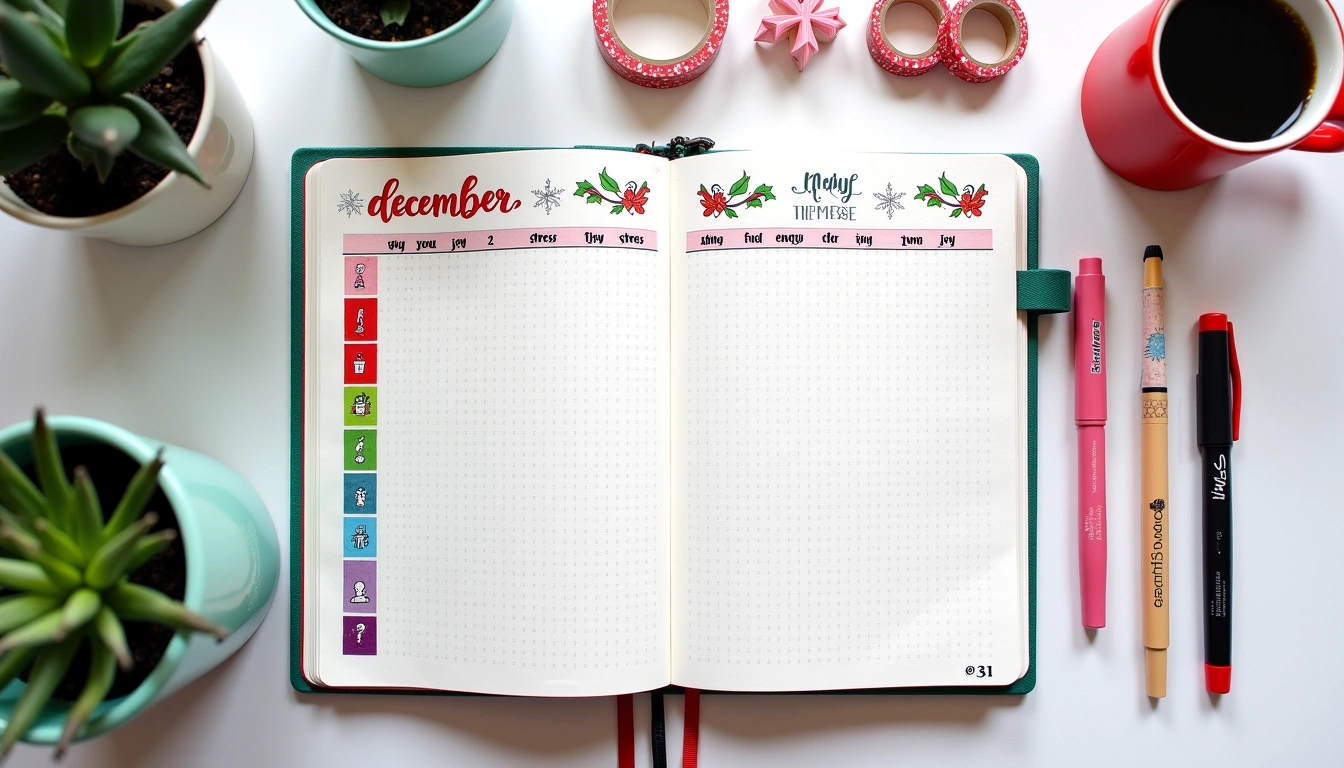
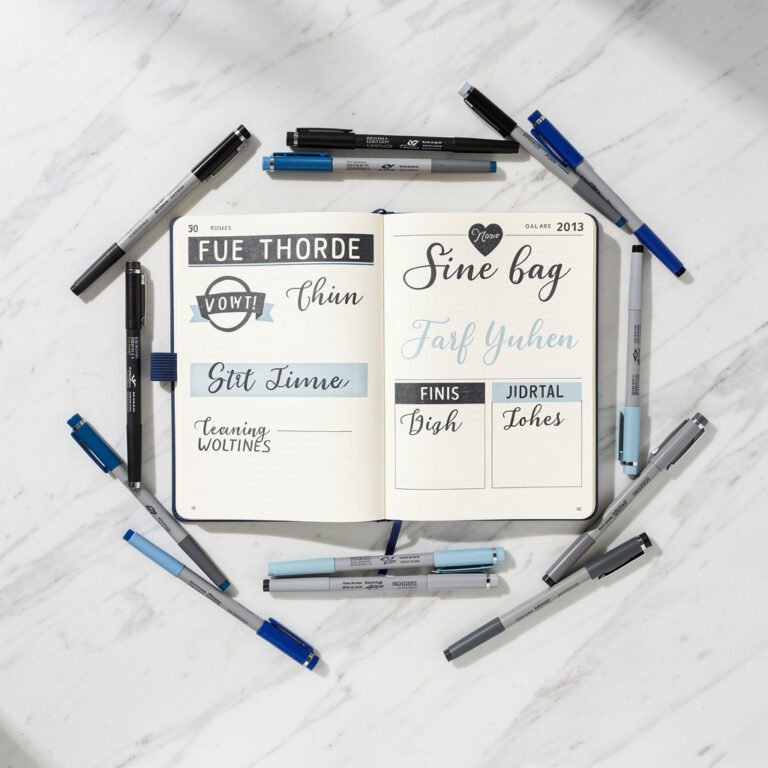
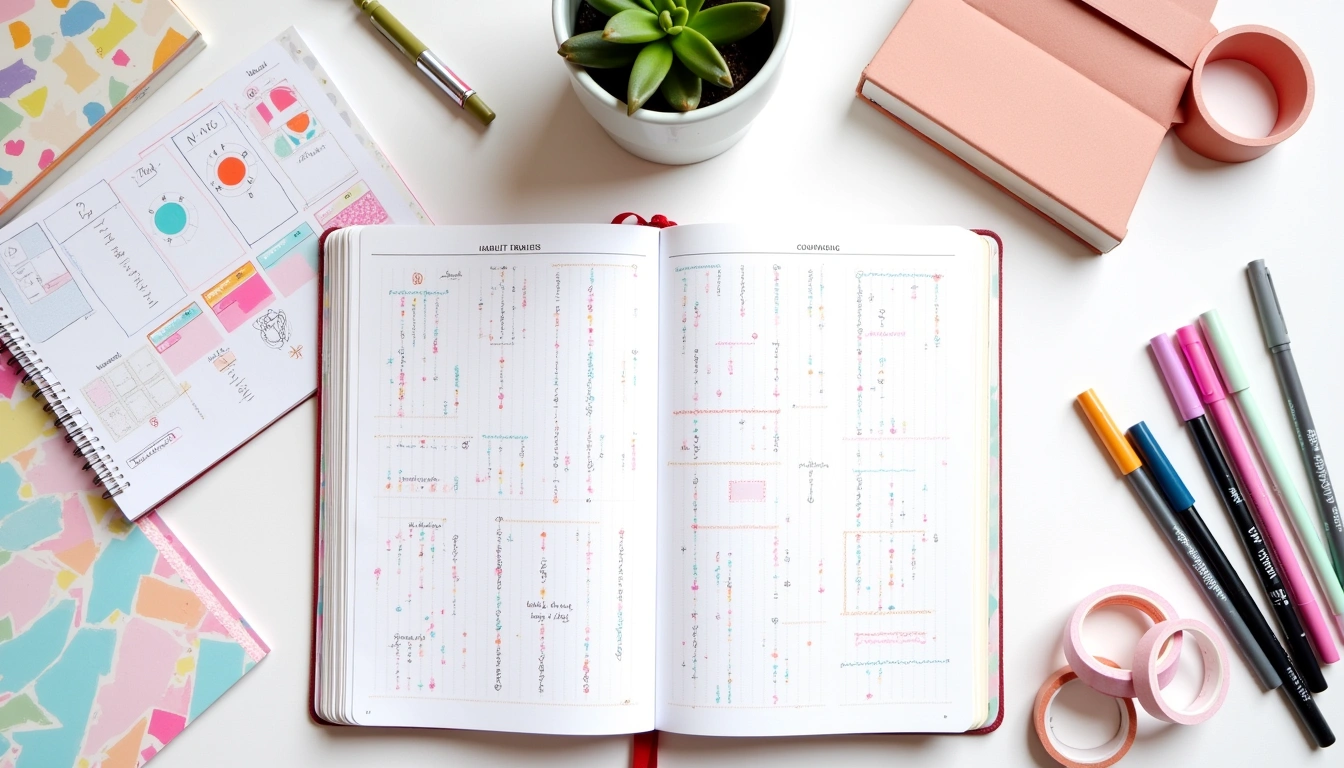
For tracking and planning, I created a “Rainy Day Activity Planner” spread in my bullet journal that takes about 20 minutes to set up and makes actual rainy days infinitely less stressful. Here's the exact layout I use: a two-page spread with one full page dedicated to a simple activity tracker. I draw a grid with seven rows (one per activity type) and six columns (time slots: morning, mid-morning, lunch, afternoon, snack time, evening). I use a Micron 05 pen (about $1 per pen) to draw the grid—the fine tip creates clean lines without bleeding through the page. Next to each activity type, I leave space to write in specific activity names. This takes about 15 minutes and serves as a reference sheet for the actual rainy day.
The second page is a “supplies checklist” that I refer to monthly. I list all rainy day activities in my rotation and check off whether supplies are stocked: Do we have enough stickers? Is the playdough dried out? Are there missing Mega Bloks? Using a Tombow Dual Brush pen (the brush-tip end makes lovely checkboxes, and they're around $2–3 per pen) makes this checklist feel less like a chore and more like self-care. The actual checking-off takes 5 minutes, and it prevents the panicked “we have nothing to do” feeling mid-rainy-day. I also keep a “activity ideas” page where I jot down new activities I want to try or activities that worked particularly well, so I can reference it when planning the next rainy season. This system has reduced my rainy day stress by about 70% because I'm not scrambling to invent activities in the moment.
Rhythm & Pacing: How to String Together a Full Rainy Day
The biggest mistake I see (and made myself) is trying to pack too much into a rainy day or not varying the intensity level. Kids ages 2–5 need rhythm—alternating between high-energy and calm activities, between structured and free play, between solo activity and shared time. Here's a rough framework that works in my house for a full rainy day (9 a.m. to bedtime): Start with something light and low-pressure (breakfast and eating), then move to a high-engagement sensory activity (30–40 minutes) while you handle morning tasks. That's your brain break. Follow with fine motor activity (25–30 minutes) while energy naturally dips post-activity. Lunch and calm time or screen time (let's be real, you might need this). Afternoon second act starts with building or dramatic play (40–60 minutes—the longest activity of the day). Then a lighter transition activity (stickers, playdough) as energy winds down toward dinner and evening routine.
The
Related Posts


Your Weekly Dose of Inspiration
Journaling ideas, family tips, and gentle inspiration.
Love this content?
Join the BulletJournals.net community for exclusive tips, guides, and updates.
Subscribe Free